
For those who love the idea of waking up to the sound of Lake Michigan waves but prefer a real mattress over a sleeping pad, Sleeping Bear Dunes glamping offers the perfect middle ground. The area surrounding the national lakeshore has seen a rise in elevated outdoor accommodations, ranging from luxurious safari-style tents to modern yurts tucked into the hardwoods. These stays allow you to immerse yourself in the Northern Michigan wilderness without sacrificing the comforts of home, making it an ideal choice for a romantic getaway or a family adventure.
What Glamping Looks Like Here
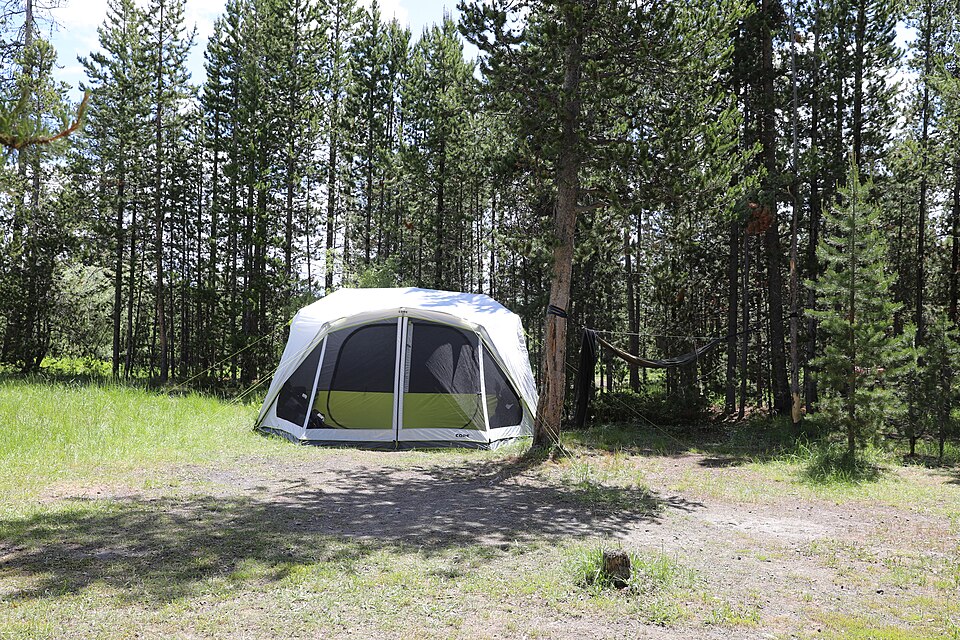
Glamping in the Sleeping Bear region typically involves semi-permanent structures designed to blend into the forest or meadow landscapes. Instead of the standard nylon tent, you might find yourself in a spacious canvas wall tent mounted on a wooden platform. These often feature queen or king-sized beds, high-quality linens, and sometimes even small wood-burning stoves for chilly Michigan nights. Some sites provide private decks where you can sip locally roasted coffee while watching for white-tailed deer.
While the interiors are plush, the connection to the outdoors remains central. Large windows or screened flaps allow the forest breeze to circulate, and communal areas often center around a high-end fire pit. Depending on the site, you might have a private ensuite bathroom or access to a shared, modern bathhouse that is a significant step up from standard campground facilities. It is a way to enjoy the 'Up North' atmosphere with a touch of sophistication, allowing you to focus on the scenery rather than the logistics of gear.
Gateway Towns and Locations
Most glamping opportunities are located just outside the official National Lakeshore boundaries in the surrounding gateway communities. Towns like Empire, Glen Arbor, and Honor serve as the primary hubs for these accommodations. Staying near Empire puts you within minutes of the Park Visitor Center and the Empire Bluff Trail, while a location near Glen Arbor offers easy access to the Crystal River and local dining.
Further south, near the Platte River and the town of Honor, you can find sites that offer a more secluded, riverfront experience. Some glamping operations are situated on repurposed farmsteads or tucked into private woodlots, providing a sense of isolation even though you are only a short drive from the park's main attractions. These locations are strategically chosen to give visitors a quiet retreat away from the more crowded public campgrounds like D.H. Day or Platte River, while still being close enough to reach the dunes for a sunrise hike or sunset viewing.
Glamping vs. Traditional Camping and RVs
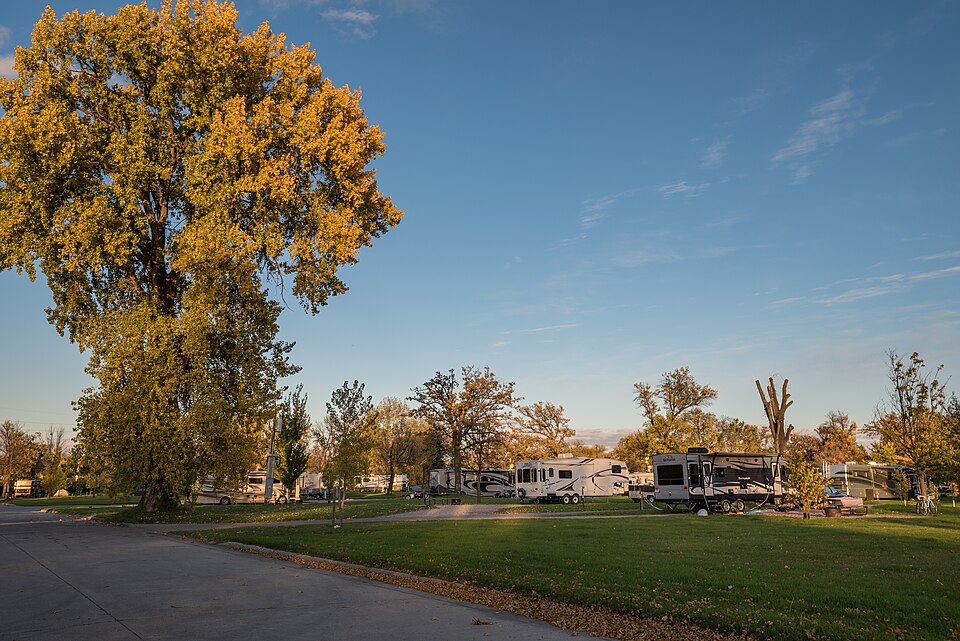
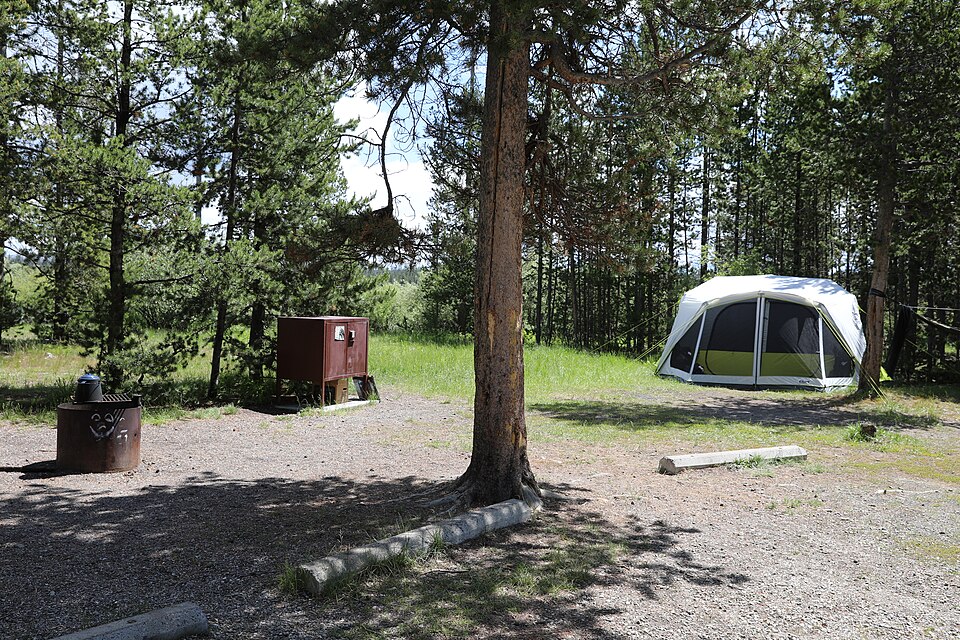
Choosing between glamping and traditional camping depends on your desired level of involvement. Traditional camping at park sites like D.H. Day offers an authentic, rustic experience and is generally the most budget-friendly option, but it requires bringing all your own gear and navigating communal showers. RVing is a popular middle ground, providing your own kitchen and bed, but it requires navigating larger vehicles on winding roads and finding sites with appropriate hookups.
Glamping removes the 'work' of camping. You don't have to pitch a tent in the rain or pack a trunk full of cooking supplies. It is particularly appealing for travelers flying into Traverse City who don't want to check bulky camping gear as luggage. While glamping is more expensive than a standard campsiteâoften comparable to the cost of a boutique hotelâthe value lies in the curated outdoor experience. You get the starry skies and the campfire smell without the discomfort of sleeping on the ground, making it accessible for those who might be hesitant about a standard camping trip.
Where to sleep
Harvest Hosts stays on the way to Sleeping Bear Dunes
Partner link · Harvest Hosts
The Glamping Season and Weather
The glamping season in Northern Michigan is relatively short, typically running from late May through mid-October. Because these structures are often not fully insulated, they rely on the warmer summer temperatures for comfort. July and August are the peak months, offering warm days perfect for beach trips and cool, comfortable nights for sleeping under canvas. During these months, demand is very high, and you should look for reservations several months in advance.
Late May and early June can be beautiful but occasionally damp and chilly, so many glamping sites provide extra blankets or small heaters. The autumn months of September and October are arguably the best for glamping, as the changing leaves provide a stunning backdrop and the cooler air makes the warmth of a plush bed even more inviting. However, by late October, most sites close down to protect the structures from the heavy snow and lake-effect winds that define the Michigan winter. Always check with your specific host about their seasonal dates and what kind of heating is provided.
Planning Your Luxury Outdoor Stay
When planning your glamping trip, consider your proximity to the activities you want to do. If you plan to spend most of your time on the water, look for sites near the Platte or Crystal Rivers. If you are there for the views, a site closer to the Pierce Stocking Scenic Drive is ideal. While glamping offers many amenities, it is still an outdoor experience; bringing bug spray, a good flashlight, and sturdy walking shoes is still necessary.
Budgeting for a glamping trip should take into account that these are premium experiences. Prices will fluctuate based on the season and the level of luxury provided. Many sites also offer 'add-ons' like pre-packed picnic baskets or bundles of firewood. Because these sites are often on private land, they may have different rules than the National Park regarding pets and quiet hours. As always, for the most up-to-date information on park access, fees, and safety guidelines for your daily adventures, consult the official National Park Service website. Glamping provides the perfect home base for a memorable exploration of Michigan's most beautiful coast.