
Choosing the best time to visit Sleeping Bear Dunes depends entirely on whether you prefer bustling beaches or quiet, frost-covered trails. This stretch of Lake Michigan coastline transforms dramatically throughout the year, offering vibrant green forests in spring and golden dunes in autumn. While summer is the most popular window for swimming and sunbathing, every season provides a unique perspective on the towering bluffs and deep blue water. Always check the official NPS site for current weather alerts and seasonal road closures before setting out.
Summer Sun and Peak Crowds
July and August represent the busiest months at Sleeping Bear Dunes, offering the most reliable weather for swimming and paddling the Crystal River. During this window, temperatures typically hover in the high 70s or low 80s, making the strenuous climb up the Dune Climb manageable if you start early. The lake water is at its warmest, though still refreshing compared to inland lakes. Because this is the peak season, parking lots at popular overlooks like Pierce Stocking Scenic Drive can fill by mid-morning.
If you plan to camp during these months, you will need to navigate the reservation system well in advance. Expect a lively atmosphere in nearby Glen Arbor and Empire, where local shops and eateries stay open late. While the sun sets beautifully over the water around 9:00 PM, you should be prepared for higher humidity and the occasional afternoon thunderstorm. Early June is a great alternative, offering longer days with slightly fewer people before the school summer break fully begins.
Lock in a stay for this season
RV parks near Sleeping Bear Dunes on RoverPass
Partner link · RoverPass
Autumn Colors and Crisp Air
Many locals argue that September and October are the finest months to experience the lakeshore. As the summer heat fades, the hardwood forests turning to shades of crimson and burnt orange create a stunning contrast against the turquoise Lake Michigan water. The air turns crisp, which is ideal for long-distance hiking on the Empire Bluffs Trail or the Alligator Hill loops without the risk of overheating. The insects that sometimes plague mid-summer visitors are largely gone by late September.
While the water temperature begins to drop, it often remains swimmable through early September thanks to the heat retained by the lake over the summer. By October, the crowds thin out significantly, providing a more solitary experience at the overlooks. However, be aware that some visitor services and smaller local businesses may begin to reduce their hours or close for the season. It is a fantastic time for photography, as the low autumn sun casts long, dramatic shadows across the rolling sand dunes.
Lock in a stay for this season
Campsites near Sleeping Bear Dunes on Campspot
Partner link · Campspot
Spring Blooms and Quiet Trails
Spring in Northern Michigan is a season of awakening, though it often arrives later than in southern states. In April and May, the forest floor becomes carpeted with trillium and other woodland wildflowers. This is a transitional time where you might experience a warm 65-degree day followed by a sudden chilly breeze off the lake. The melting snow can make some trails muddy, so sturdy waterproof boots are a necessity for early-season hikers.
Birdwatching is exceptional during the spring migration as various species return to the protected dunes and marshes. Because the summer crowds have yet to arrive, you can often enjoy the most popular vistas, like the Lake Michigan Overlook, in complete silence. Note that Lake Michigan remains very cold during the spring, so water activities are usually limited to experienced paddlers with appropriate gear. It is an excellent time for those seeking solitude and budget-friendly lodging in the surrounding communities before the peak summer rates take effect.
Lock in a stay for this season
Harvest Hosts stays on the way to Sleeping Bear Dunes
Partner link · Harvest Hosts
Winter Solitude and Snow-Covered Dunes
Winter transforms Sleeping Bear Dunes into a quiet, white wilderness. While much of the park remains accessible, the Pierce Stocking Scenic Drive closes to vehicle traffic, becoming a premier destination for cross-country skiing and snowshoeing. The contrast of the deep blue, unfrozen lake against the snow-capped dunes is a sight few visitors get to see. Temperatures often stay below freezing, and the wind off the lake can be biting, requiring heavy thermal layers and windproof outerwear.
Ice formations along the shoreline, known as ice volcanoes, can form during particularly cold stretches, creating a surreal landscape. Hiking the dunes in winter is physically demanding but rewarding for the silence and the opportunity to track wildlife in the snow. Most campgrounds are closed or limited to primitive sites during this time. While many shops in the gateway towns close for the winter, a few cozy spots remain open for those looking for a post-hike warm meal. Always monitor Lake Effect snow forecasts, as visibility can drop rapidly during sudden squalls.
Planning for Reservations and Weather
Regardless of when you visit, timing your logistics is crucial. For summer trips, campsite reservations through the National Park Service system often fill up months in advance the moment they become available. If you miss out on a park site, look for private campgrounds or state forest sites within a 30-minute drive of Empire or Honor. Weather near the lake is notoriously fickle; a sunny day can turn foggy in minutes as temperatures shift.
Budgeting for your trip should include the park entrance fee, which is required year-round. While costs for food and lodging are highest in July, visiting during the shoulder seasons of May or September can offer a balance of comfortable weather and more affordable accommodation options. If you are targeting specific activities like a ferry trip to the Manitou Islands, check their seasonal schedules early, as they only operate during the warmer months and can be canceled due to high winds and rough lake conditions.
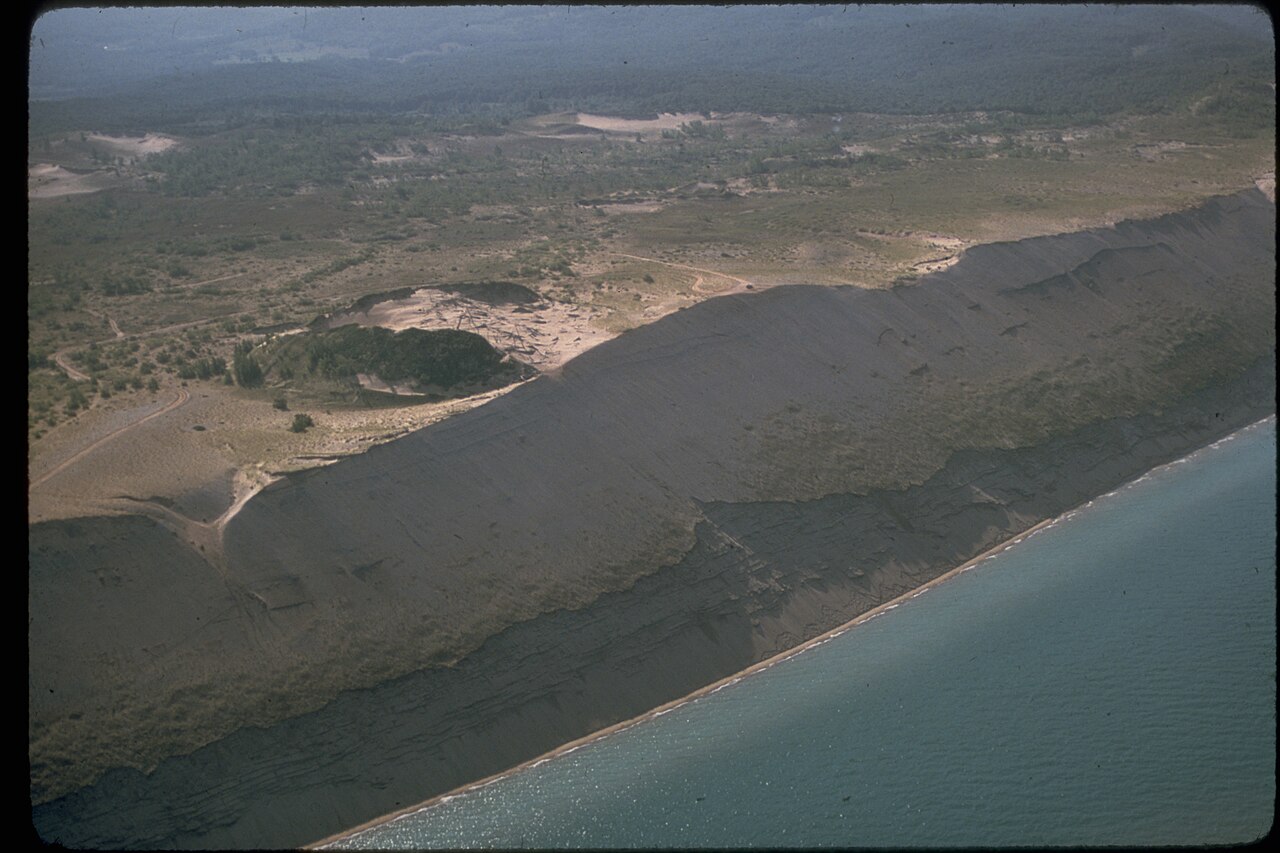
More ways to book Sleeping Bear Dunes
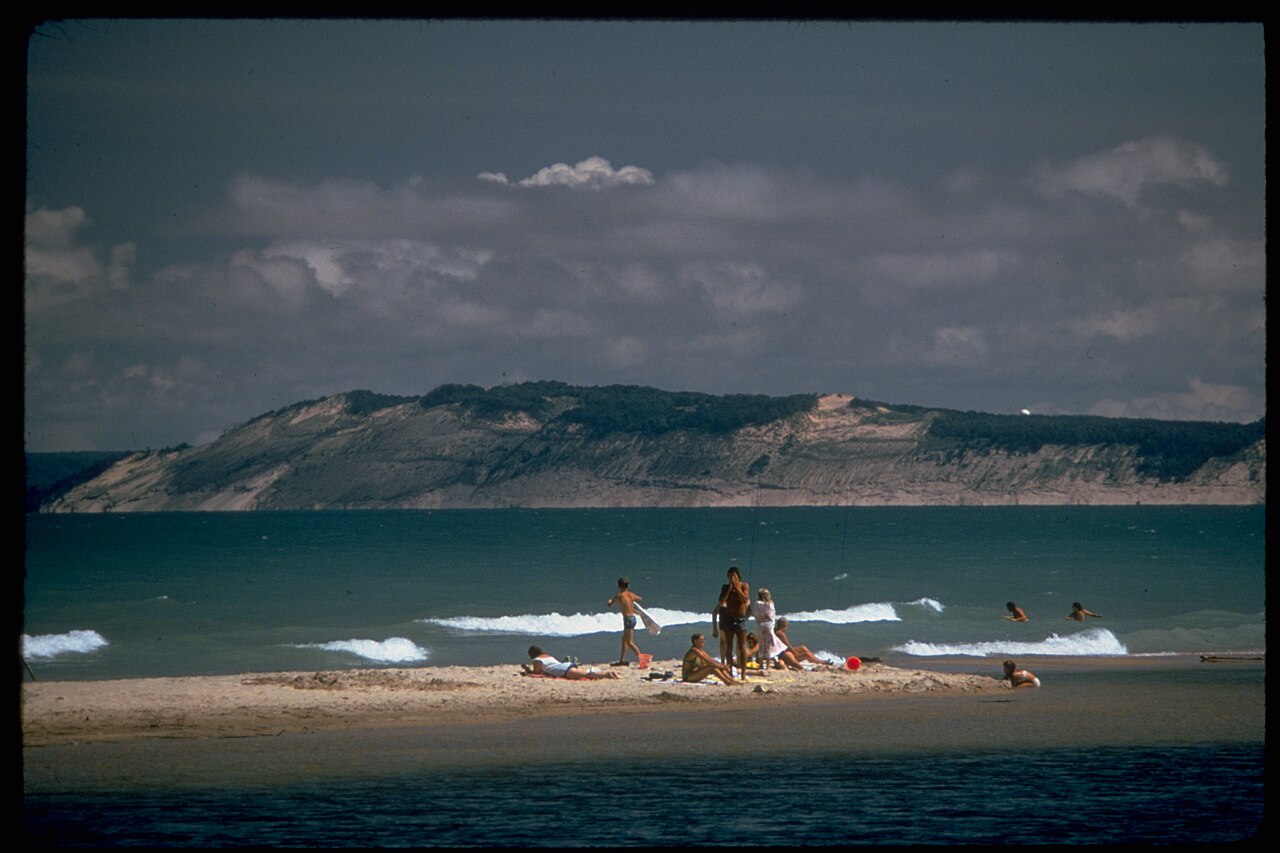 Illustrative · National Park Service Digital Image Archives
Empire Bluff Trail
One of the classic ways to experience Sleeping Bear Dunes.
Varies (estimate)
Partner link · Viator