
Located in the southernmost tip of Illinois, the Shawnee National Forest covers over 280,000 acres of diverse terrain. Visitors can explore everything from cypress swamps to towering sandstone cliffs that look like they belong in the American West. Whether you are an avid hiker or a family looking for a scenic drive, there are endless things to do in Shawnee National Forest that highlight the unique natural history of the Midwest. Check the official park website for the latest trail maps and seasonal activity updates before you arrive.
Hiking the Iconic Sandstone Formations
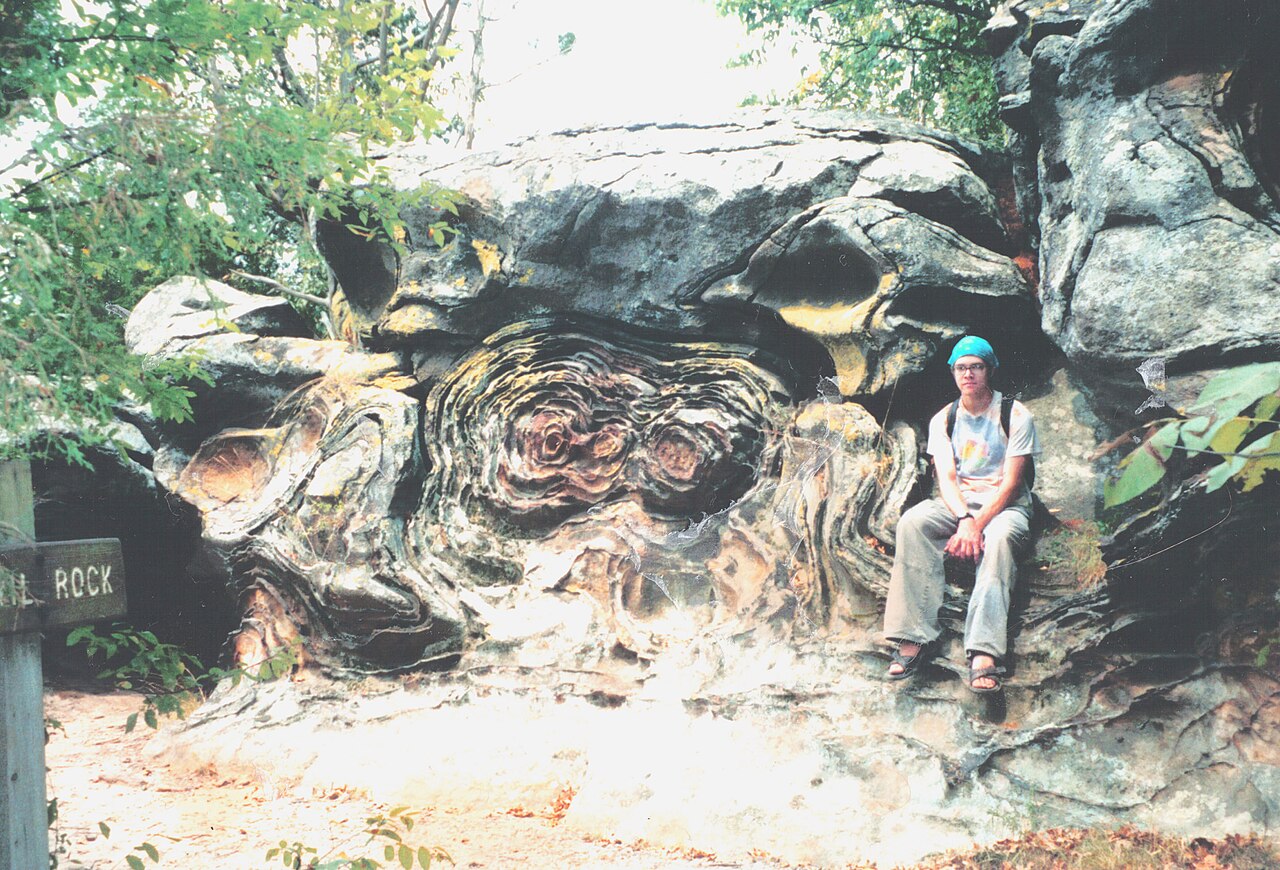
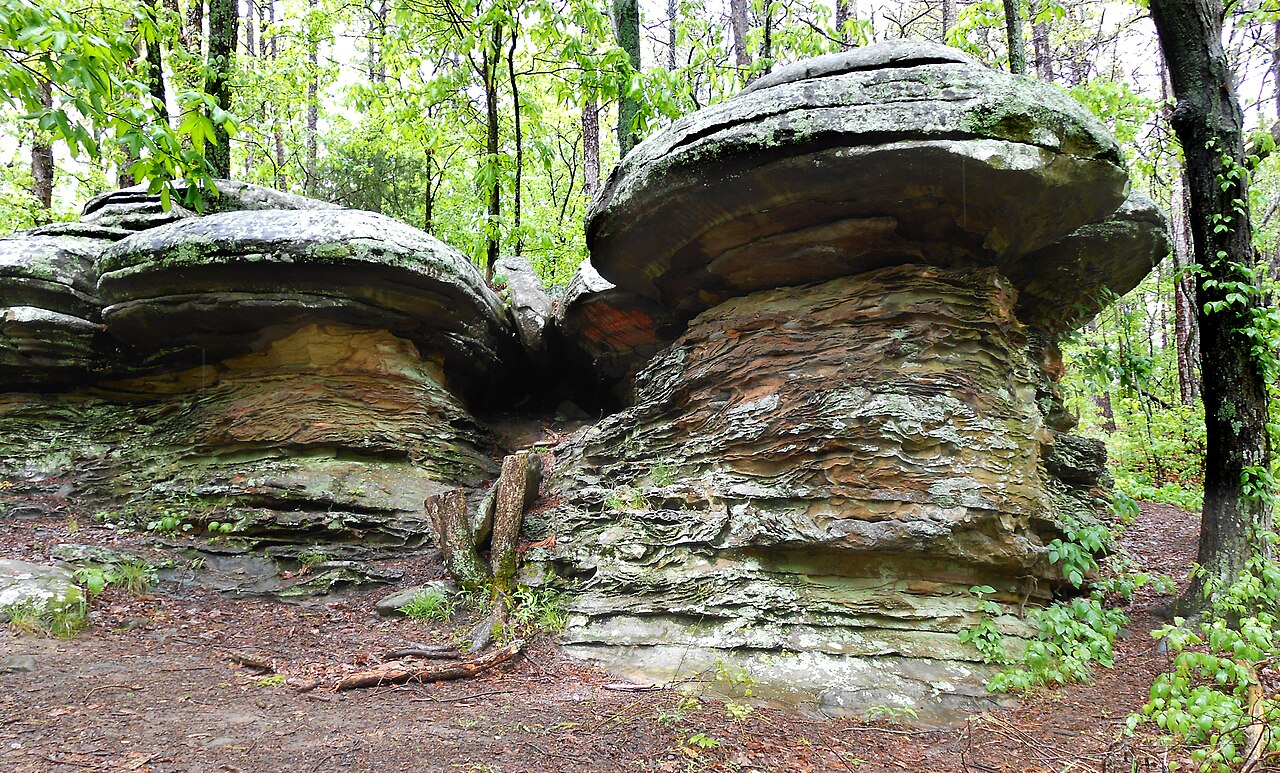
Hiking is the primary draw for most visitors, and no trip is complete without visiting the Garden of the Gods Wilderness. The Observation Trail is a short, accessible loop that offers some of the most famous views in the state, featuring rock formations like Camel Rock. For those seeking a more rugged experience, the Rim Rock National Recreation Trail takes you around the rim of a massive escarpment and down into a valley filled with prehistoric stone walls and narrow rock squeeze-ways.
Another must-see is the Pomona Natural Bridge, a 90-foot long bridge formed naturally from sandstone, hidden within a lush ravine. If you prefer deep woods and water features, the Bell Smith Springs area offers miles of trails that lead to clear turquoise pools and the largest natural bridge in the forest. These trails can be moderate to difficult, often involving creek crossings and rocky terrain, so high-quality hiking boots are recommended for stability and comfort on the uneven ground.
Book this experience
Garden of the Gods Observation Trail
Varies (estimate) · Partner link · Viator
Water Adventures and Fishing
The Shawnee is bordered by the Ohio and Mississippi Rivers, but its inland water features are equally captivating. Lake Glendale is a hub for summer recreation, offering a swimming beach, non-motorized boat rentals, and excellent fishing for bass and bluegill. The calm waters make it an ideal spot for paddleboarding or kayaking, providing a different perspective of the forest from the water's edge.
For a truly unique experience, head to the Heron Pond-Little Black Slough Nature Preserve. This area features a floating boardwalk that takes you into the heart of a cypress swamp, where you can see ancient trees with massive flared trunks rising out of the water. It feels like stepping back into a prehistoric era. Fishing enthusiasts should also look into the many smaller ponds scattered throughout the forest, which are often stocked and offer a quiet place to cast a line away from the main tourist hubs. Always ensure you have a valid Illinois fishing license before you begin.
Scenic Drives and Wildlife Viewing
If you prefer to see the forest from the comfort of your vehicle, the Ohio River Scenic Byway winds through the eastern side of the forest, offering glimpses of the river and access to several historic towns. The Karbers Ridge Road is another local favorite, providing sweeping views of the rolling hills and dense woodlands. During the drive, keep an eye out for local wildlife; the forest is home to white-tailed deer, wild turkeys, and a variety of migratory birds.
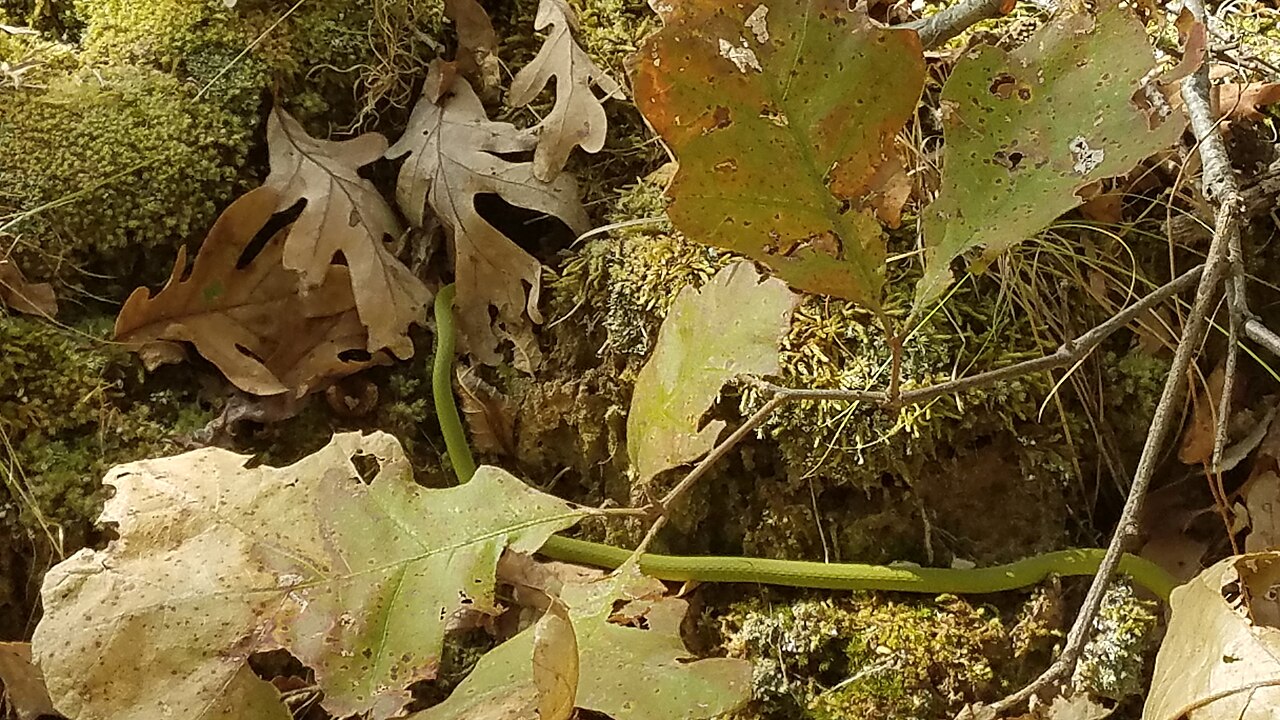
For birdwatchers, the LaRue-Pine Hills area is an exceptional destination. This unique ecosystem sits atop limestone bluffs overlooking the Mississippi River floodplain and is one of the most biologically diverse areas in the country. During the spring and fall, you might witness the famous 'snake migration,' where the Forest Service closes the access road to allow various species of reptiles and amphibians to move between their summer and winter habitats. It is a fascinating phenomenon that draws nature enthusiasts from across the region.
Family-Friendly Activities
Traveling with kids in the Shawnee is easy thanks to the variety of short, high-reward trails. The Ferne Clyffe State Park, which sits within the forest boundaries, has very accessible paths leading to a large waterfall and numerous shallow caves that children love to explore. The geological wonders serve as a natural playground, but parents should be cautious near cliff edges, as many overlooks do not have railings.
Educational opportunities abound at the various visitor centers where kids can learn about the history of the Underground Railroad in the region or the prehistoric cultures that once called these bluffs home. Picnic areas are plentiful, particularly at Cave-in-Rock State Park, where you can eat lunch overlooking the Ohio River before exploring the massive riverside cave. The combination of easy walking paths and interesting rock shapes makes the forest an engaging destination for younger travelers who might get bored on traditional woodland hikes.
Rainy Day Options and Nearby History
While the forest is best enjoyed outdoors, Southern Illinois offers several options for when the weather turns sour. The nearby town of Metropolis is home to the Superman Museum, a quirky indoor destination that is perfect for a few hours of exploration. You can also visit the historic Rose Hotel in Cave-in-Rock, which offers a glimpse into the 19th-century river life. Many of the gateway towns, such as Harrisburg and Marion, have local antique shops and small museums that tell the story of the region's coal mining and agricultural history.
If the rain is light, the forest itself takes on a misty, ethereal quality that is excellent for photography. The dense canopy provides a surprising amount of cover for short walks. However, if heavy storms are in the forecast, it is safer to stay off the bluffs and away from creek beds that can flash flood. Checking the local weather radar and visiting the forest headquarters in Jonesboro can help you plan a safe alternative if your outdoor plans are rained out.