
This Shawnee National Forest itinerary is designed to take you through the most spectacular landscapes of Southern Illinois over the course of three to four days. Most visitors arrive by flying into St. Louis Lambert International Airport and driving about two and a half hours southeast, or by driving up from Nashville. Having a car is essential, as the forest's best sites are spread out across several counties. Prepare for a mix of moderate hiking, scenic overlooks, and quiet moments in deep hardwood forests while checking the official Forest Service site for any trail updates.
Day 1: The Giants of the East
Begin your journey on the eastern side of the forest, which contains the most famous landmarks. Start your morning at Garden of the Gods. This is the most photographed spot in Illinois, so arriving early helps you beat the crowds. Walk the Observation Trail to see the iconic Camel Rock and the 'Hoodoo' formations. The views across the wilderness area are breathtaking, especially when the morning mist is still clinging to the trees in the valley below.
In the afternoon, head just a few miles down the road to Rim Rock National Recreation Trail. This trail offers a deeper dive into the geology of the area. You will walk along the top of a massive escarpment before descending through a narrow rock crevice known as 'Ox-Lot Cave.' Finish your day with a short drive to Cave-in-Rock State Park. Here, you can explore the massive cavern carved into the limestone bluffs right on the Ohio River. It is a great place to watch the sunset over the water before heading to your campsite or lodge.
Day 2: Springs, Bridges, and Hidden Valleys
On your second day, venture into the heart of the forest to explore Bell Smith Springs. This area is known for its clear water and rugged beauty. Hike the trail to the Natural Bridge, which is the largest in the forest, spanning over 125 feet. If the weather is warm, the swimming holes here are some of the most refreshing in the state. The trails here can be a bit more technical, so take your time navigating the rocky paths and creek crossings.
For the afternoon, make your way to Pomona Natural Bridge. It is a much shorter hike than Bell Smith Springs but offers a stunning 90-foot sandstone arch tucked away in a quiet ravine. This is a perfect spot for a picnic lunch. If you have extra energy, continue to the Little Grand Canyon. This trail requires a bit of a scramble down a rocky creek bed, but it rewards you with towering 200-foot bluffs and a unique view of the Big Muddy River and the Mississippi River floodplain in the distance.
Day 3: Swamps and Bluffs of the West
Dedicate your third day to the western edge of the forest, starting with the Heron Pond-Little Black Slough Nature Preserve. The floating boardwalk here is a highlight, allowing you to walk right into a cypress swamp without getting your feet wet. Look for great blue herons and listen for the sounds of the wetlands. It is a starkly different environment from the sandstone bluffs of the previous days. The towering cypress trees and calm, dark water create a peaceful, prehistoric atmosphere.
Spend your afternoon at LaRue-Pine Hills. Drive along the base of the massive limestone bluffs and, if the road is open, take the drive to the top for a panoramic view of the Mississippi River valley. This area is world-renowned for its biodiversity. If you are visiting during the spring or fall, you might witness the seasonal migration of snakes and turtles across the forest road. Wrap up your trip with a visit to a local winery or orchard in the nearby hills, which are famous for their peaches and apples, before heading back toward your gateway city.
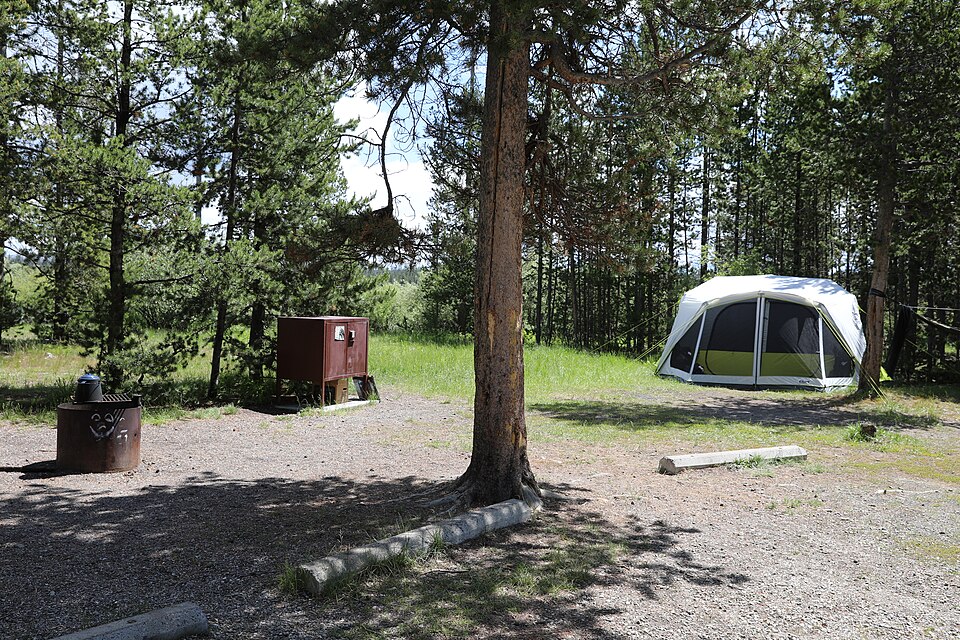
Where to sleep
Harvest Hosts stays on the way to Shawnee National Forest
Partner link · Harvest Hosts
Optional Day 4: Waterfalls and Quiet Trails
If you have an extra day, focus on the southern section of the forest near Ferne Clyffe State Park. This area is famous for its abundance of ferns and numerous waterfalls. The Big Rocky Hollow Trail is an easy walk that leads to a stunning 100-foot waterfall. It is a great place to relax and enjoy the sound of falling water. The park also features several fascinating rock shelters that were used by ancient inhabitants of the region.
In the afternoon, check out Burden Falls Wilderness. The waterfall here is one of the largest in Illinois by volume, especially after a recent rain. The area is much less developed than Garden of the Gods, offering a true wilderness feel. It is a great spot for those who want to escape the more popular tourist paths and enjoy a quiet afternoon in nature. Spend your final evening at a local diner in one of the small gateway towns like Vienna or Goreville, soaking in the hospitality of Southern Illinois.
Travel Tips and Logistics
When planning your Shawnee National Forest itinerary, remember that cell service can be spotty to non-existent in the deeper parts of the forest. Download your maps for offline use or bring a physical map. Fuel up your vehicle in larger towns like Marion or Harrisburg, as gas stations are sparse once you get deep into the forest service roads. Most trailheads have vault toilets, but you should carry your own water and snacks, as there are no concessions within the forest itself.
Average daily budgets for the area are moderate. Camping fees are generally low, while local cabins and lodges are priced similarly to mid-range hotels in the Midwest. Most of the natural attractions are free to enter, though some state parks within the forest may have small parking or activity fees. Always practice Leave No Trace principles to help preserve the fragile sandstone ecosystems. Check the official Forest Service website for any alerts regarding prescribed burns or seasonal hunting closures that might affect your planned route.

More ways to book Shawnee National Forest
 Illustrative · Diego Angel
Sprinter Adventure Van
Small enough to park at the trailhead, comfy enough to sleep in.
$189/day (estimate)
Direct link · RVshare