
Southern Illinois offers a landscape that surprises many first-time visitors with its rugged sandstone cliffs and deep hardwood forests. Choosing the best time to visit Shawnee National Forest depends largely on whether you prefer the vibrant greens of a humid summer or the crisp, clear air of the autumn season. While the forest is open year-round, the transition between seasons provides the most dramatic scenery for hikers and photographers alike. You should always check the official NPS or Forest Service website for current trail conditions and seasonal road closures before setting out.
Spring Blooms and Waterfalls
Spring is a transformative time in Southern Illinois, typically beginning in late March and extending through May. This is arguably the best time to visit Shawnee National Forest if you are interested in chasing waterfalls. The seasonal rains feed features like Burden Falls and the falls at Ferne Clyffe, which can slow to a trickle during the drier summer months. Wildflowers, including trillium and bluebells, carpet the forest floor, creating a lush environment for photographers.
Temperatures during the spring are generally mild, ranging from the 50s to the 70s, though rain is frequent. It is wise to pack waterproof gear and sturdy boots, as the trails can become quite muddy. The humidity is much lower than in the summer, making long treks to the Pomona Natural Bridge or through the Lusk Creek Wilderness much more comfortable. Keep in mind that spring also brings out the local insect population, so bug spray is a necessity as the weather warms.
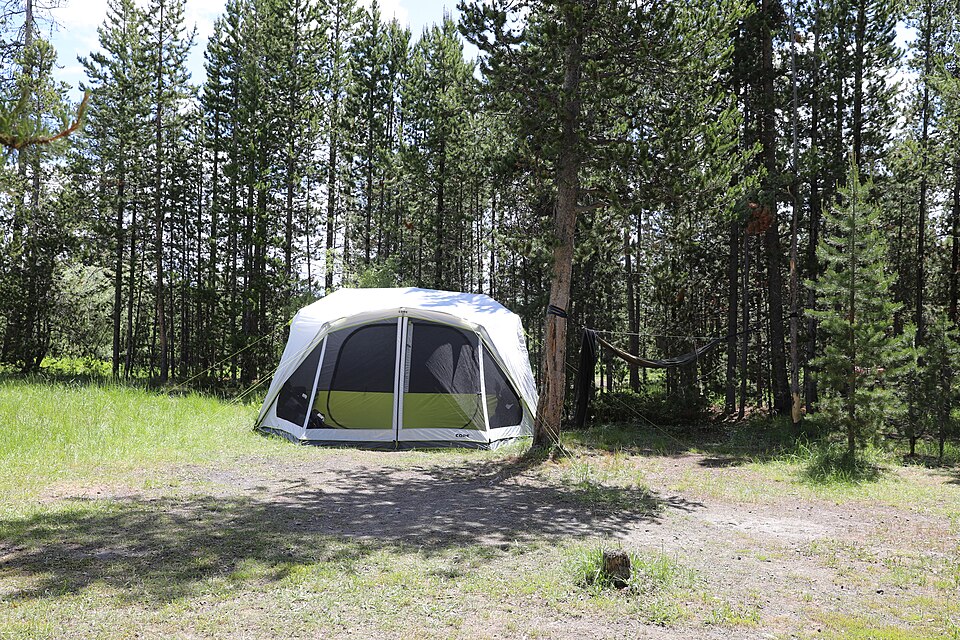
Lock in a stay for this season
RV parks near Shawnee National Forest on RoverPass
Partner link · RoverPass
The Lush Green of Summer
Summer in the Shawnee National Forest is characterized by deep green canopies and high humidity. From June through August, temperatures often climb into the 80s and 90s. While the heat can be intense, the thick forest cover provides significant shade for hikers. This is the peak season for water-based activities at places like Lake Glendale or along the Ohio River. Families often flock to the forest during this time, so expect more company at popular overlooks like Garden of the Gods.
Because summer is a high-traffic period, you should plan your visits to major landmarks early in the morning to avoid the midday sun and the largest crowds. The long daylight hours allow for extended exploration, but the humidity can be draining. Make sure to carry more water than you think you will need. If you are camping, summer nights remain warm, often only dipping into the high 60s, which is perfect for those who enjoy sleeping under the stars without heavy gear.
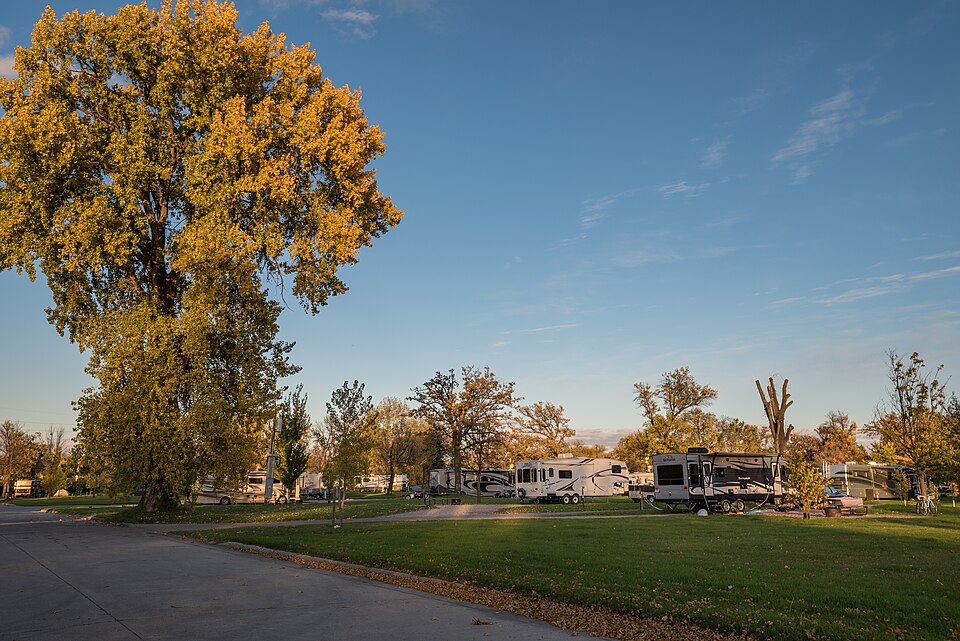
Lock in a stay for this season
Campsites near Shawnee National Forest on Campspot
Partner link · Campspot
Autumn Foliage and Crisp Air
Many locals will tell you that autumn is the absolute best time to visit Shawnee National Forest. Starting in October and peaking in late October or early November, the hardwoods transform into a sea of red, orange, and gold. The sandstone bluffs of the Rim Rock National Recreation Trail provide a stunning contrast against the fall colors. The air becomes crisp and dry, which is ideal for strenuous hiking and rock climbing near Jackson Falls.
Crowds do increase during the peak foliage weekends, particularly at the Garden of the Gods wilderness area. If you plan to stay in a lodge or a nearby rental, booking several months in advance is highly recommended. The mosquitoes and ticks of summer fade away, and the clear skies provide some of the best stargazing opportunities in the region. Evening temperatures can drop significantly, so layering is essential for anyone planning to stay out past sunset to capture the golden hour on the cliffs.
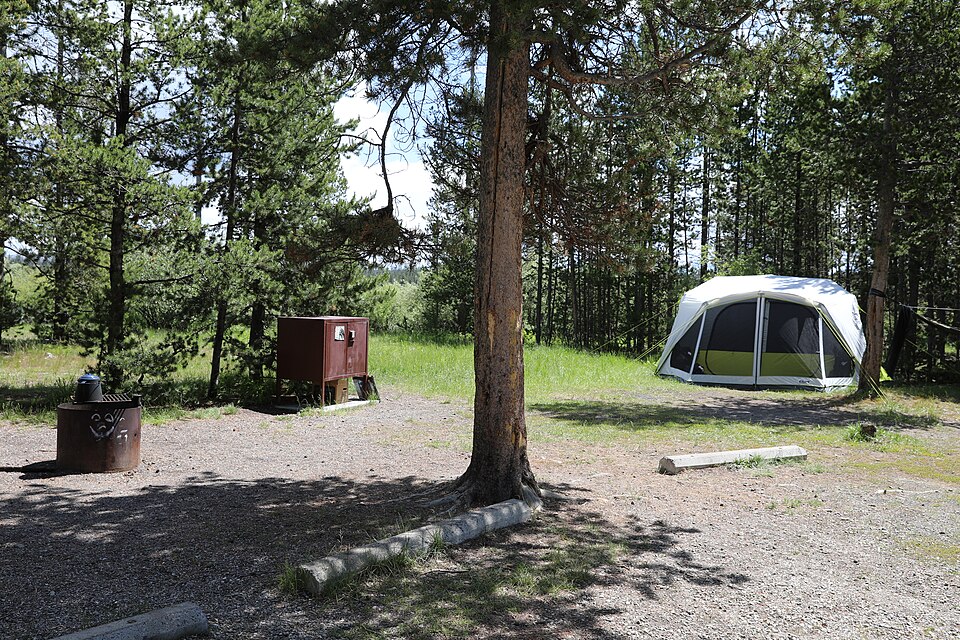
Lock in a stay for this season
Harvest Hosts stays on the way to Shawnee National Forest
Partner link · Harvest Hosts
Winter Solitude and Geology
Winter in the Shawnee is a quiet, contemplative season. While Southern Illinois does experience snow, it is rarely deep enough to close the forest for long periods. From December through February, the lack of leaves on the trees reveals the dramatic geological bones of the region. You can see rock formations and ridgelines that are hidden during the summer months. It is the perfect time for those seeking solitude, as you will often have even the most popular trails entirely to yourself.
Daytime temperatures typically hover in the 30s or 40s, and ice can form on the sandstone stairs and bluffs, requiring extra caution while hiking. Some secondary forest roads may become difficult to navigate after a freeze, so checking the official Forest Service alerts is vital. While the waterfalls may freeze into beautiful ice sculptures, the overall landscape is stark and beautiful. This is a budget-friendly time to visit, as nearby accommodations often lower their rates during the off-peak winter months.
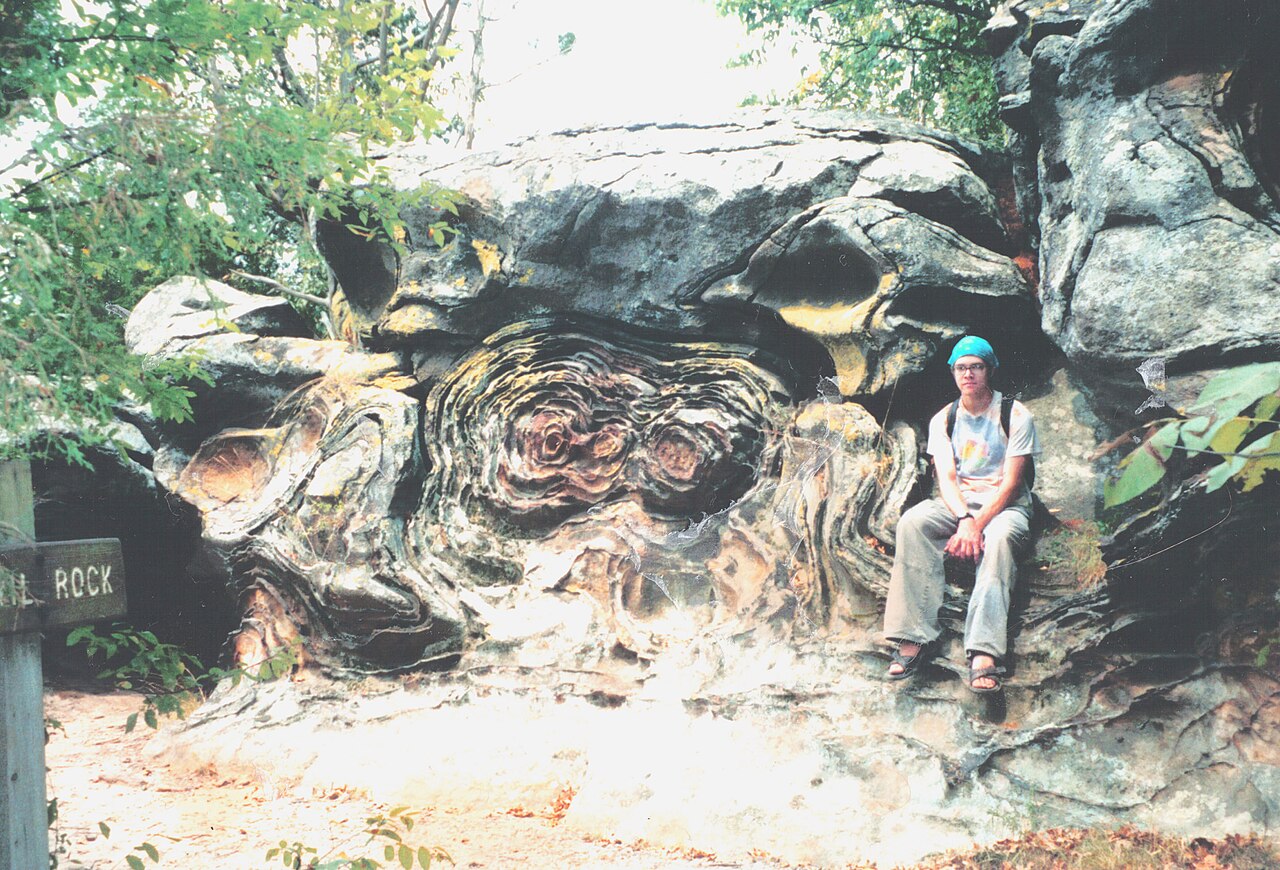
Book this experience
Garden of the Gods Observation Trail
Varies (estimate) · Partner link · Viator
Managing Crowds and Reservations
To make the most of your trip, timing your arrival is just as important as choosing a season. Weekends from late spring through fall are the busiest times for the forest. If your schedule allows for a mid-week visit, you will find a much more peaceful experience. For popular spots like the Garden of the Gods, arriving before 9:00 AM is the best way to secure a parking spot and enjoy the views without large groups.
Reservations for developed campgrounds, such as those at Pharaoh or Lake Glendale, should be made as early as possible through the official systems. If you are planning a backcountry trip, be sure to research the specific permit requirements for the wilderness areas you intend to visit. While the Shawnee is vast, the most famous vistas are concentrated in specific areas, so spreading out your itinerary to include lesser-known spots like the Bell Smith Springs can help you avoid the densest crowds during peak travel times.
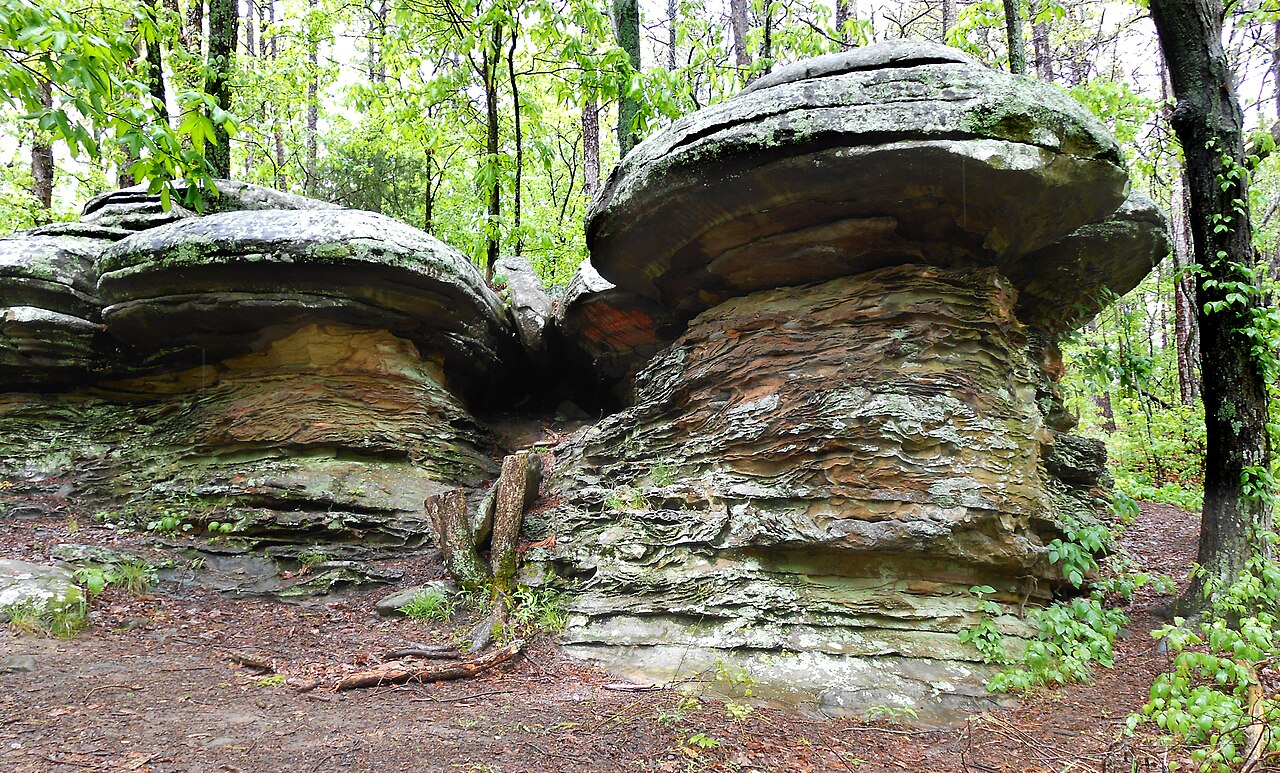
More ways to book Shawnee National Forest
 Illustrative · usfs_Eastern_Region
Jackson Falls Rock Climbing
One of the classic ways to experience Shawnee National Forest.
Varies (estimate)
Partner link · Viator