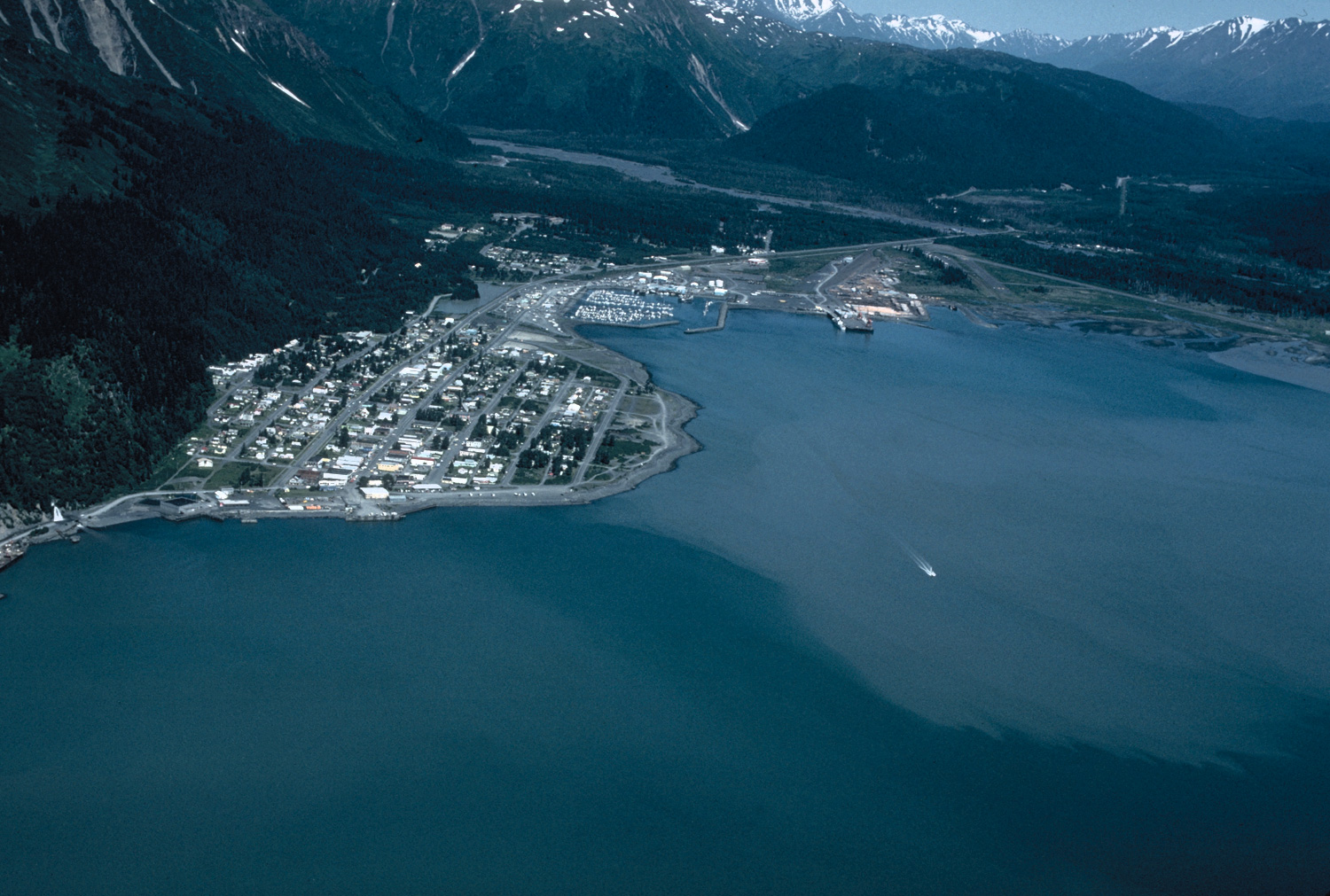
Seward is the gateway to some of Alaska's most spectacular landscapes, but with so much to see, a plan is essential. Most visitors arrive via the scenic Seward Highway from Anchorage, a drive that takes about two and a half to three hours depending on stops. This itinerary is designed to maximize your time between the mountains and the sea, ensuring you experience the highlights of Kenai Fjords National Park while leaving room for local culture.
Arrival and Coastal Introduction
Start your journey in Anchorage and head south on the Seward Highway. This is one of the most beautiful drives in the world, so give yourself extra time to stop at Beluga Point or Bird Ridge. Once you arrive in Seward and check into your lodging, head straight to the Alaska SeaLife Center. This provides an excellent primer on the marine life you will hopefully see in the wild over the next few days.
After exploring the aquarium, take a leisurely walk along the Waterfront Park trail. This paved path offers stunning views of Resurrection Bay and is a great place to spot bald eagles perched in the trees. For dinner, explore the historic downtown area, where you can find fresh Alaskan seafood. A local tip: if you arrive during the summer, the sun won't set until very late, so feel free to take a late-evening stroll along the harbor to watch the commercial fishing boats returning with their haul.
Day 1: The Giants of Kenai Fjords
Dedicate your first full day to the water. Book a full-day Kenai Fjords National Park cruise, which typically departs mid-morning. These tours are the best way to see tidewater glaciers up close. As the boat moves out of Resurrection Bay and into the open Gulf of Alaska (briefly), keep your eyes peeled for humpback whales, orcas, and Dallâs porpoises. The captain will usually narrate the trip, pointing out geological features and nesting seabirds on the 'beehive' islands.
The highlight of the day will be sitting in front of a massive glacier, like Aialik or Holgate Glacier, listening to the 'white thunder' of calving ice. Lunch is usually served on board, allowing you to maximize your viewing time. By the time you return to the harbor in the late afternoon, youâll have a newfound appreciation for the scale of the Alaskan wilderness. Spend the evening relaxing at a local brewery and sharing photos of the dayâs sightings.
Day 2: Walking on Ice and Mountain Views
After a day on the water, it is time to hit the trails. Head to the Exit Glacier area of the national park, located just a few miles outside of town. If you want a moderate experience, hike the Glacier Overlook trails to see the blue ice and learn about the glacier's recession. For a more challenging adventure, embark on the Harding Icefield Trail. This is a full-day commitment that involves a steep climb, but the reward is a panoramic view of an icefield that covers over 700 square miles.
If you aren't up for a strenuous hike, consider a guided ice walking tour or a ranger-led walk near the nature center. In the afternoon, drive back toward town and visit the Lowell Point area. This is a great spot for a beach walk or a short hike to Tonsina Point, where you might see salmon spawning in the creek during the late summer months. It is a quieter side of Seward that offers a more secluded feel compared to the busy harbor.
Day 3: Kayaking and Departure
On your final day, get close to the water surface with a morning kayaking excursion. Several outfitters operate out of Lowell Point or the harbor. A half-day paddle is a great way to see sea otters and harbor seals from a different perspective. If you prefer to stay on land, you can visit the local history museum to learn about the townâs role in the 1964 earthquake and the development of the Iditarod Trail.
Before you leave, grab a coffee and a sourdough pastry from a local bakery. The drive back to Anchorage is just as beautiful in reverse, offering a final chance to spot Dall sheep on the cliffs near the highway. If you have extra time, a stop at the Alaska Wildlife Conservation Center near Portage is a great way to see land animals like moose, muskox, and bears in a large, naturalistic setting before completing your journey back to the city or the airport.
Essential Travel Tips for Seward
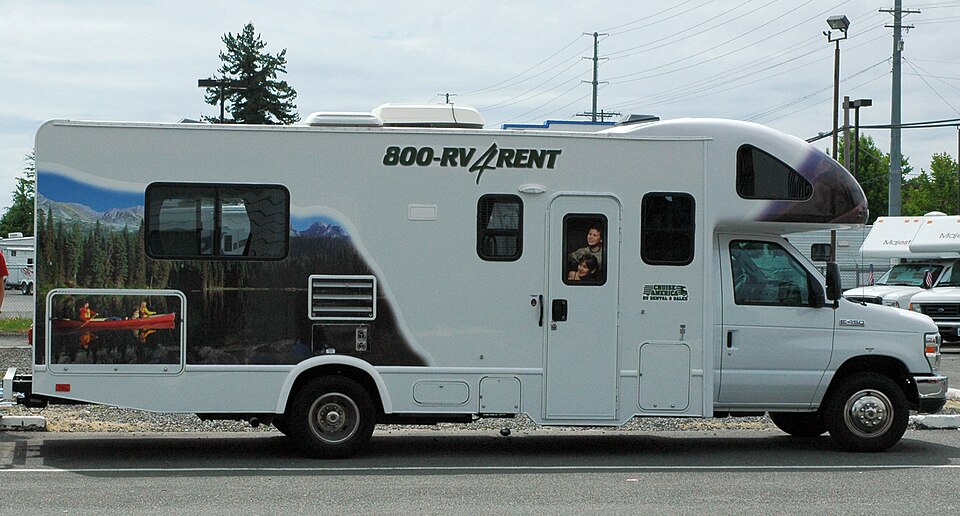
To make the most of your Seward itinerary, keep a few logistical tips in mind. First, the weather is unpredictable; even in July, it can be cold and wet, so dress in layers and bring a high-quality rain jacket. Second, while Seward is walkable, having a rental car gives you the freedom to reach Exit Glacier and Lowell Point on your own schedule. If you don't have a car, there are local shuttle services that run between the major sites during the summer.
Lastly, remember that Seward is a very popular destination for both independent travelers and cruise ship passengers. Reservations for boat tours and popular restaurants are highly recommended, especially during the peak months of June through August. Always check the official National Park Service website for the most current information on trail closures or road conditions, as late-season snow or maintenance can occasionally impact access to certain areas.

More ways to book Seward
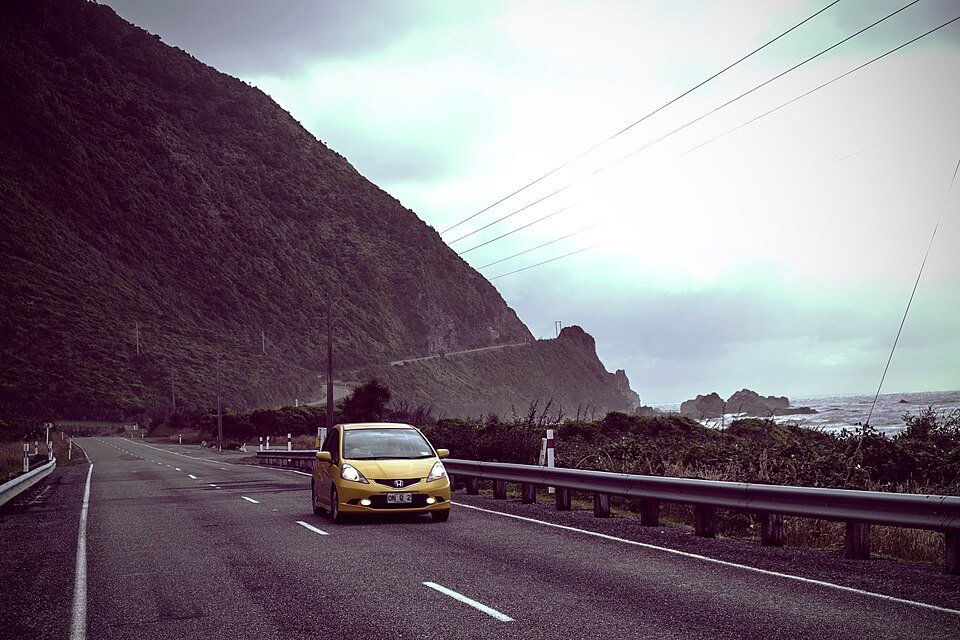 Illustrative · Diego Angel
Sprinter Adventure Van
Small enough to park at the trailhead, comfy enough to sleep in.
$189/day (estimate)
Direct link · RVshare