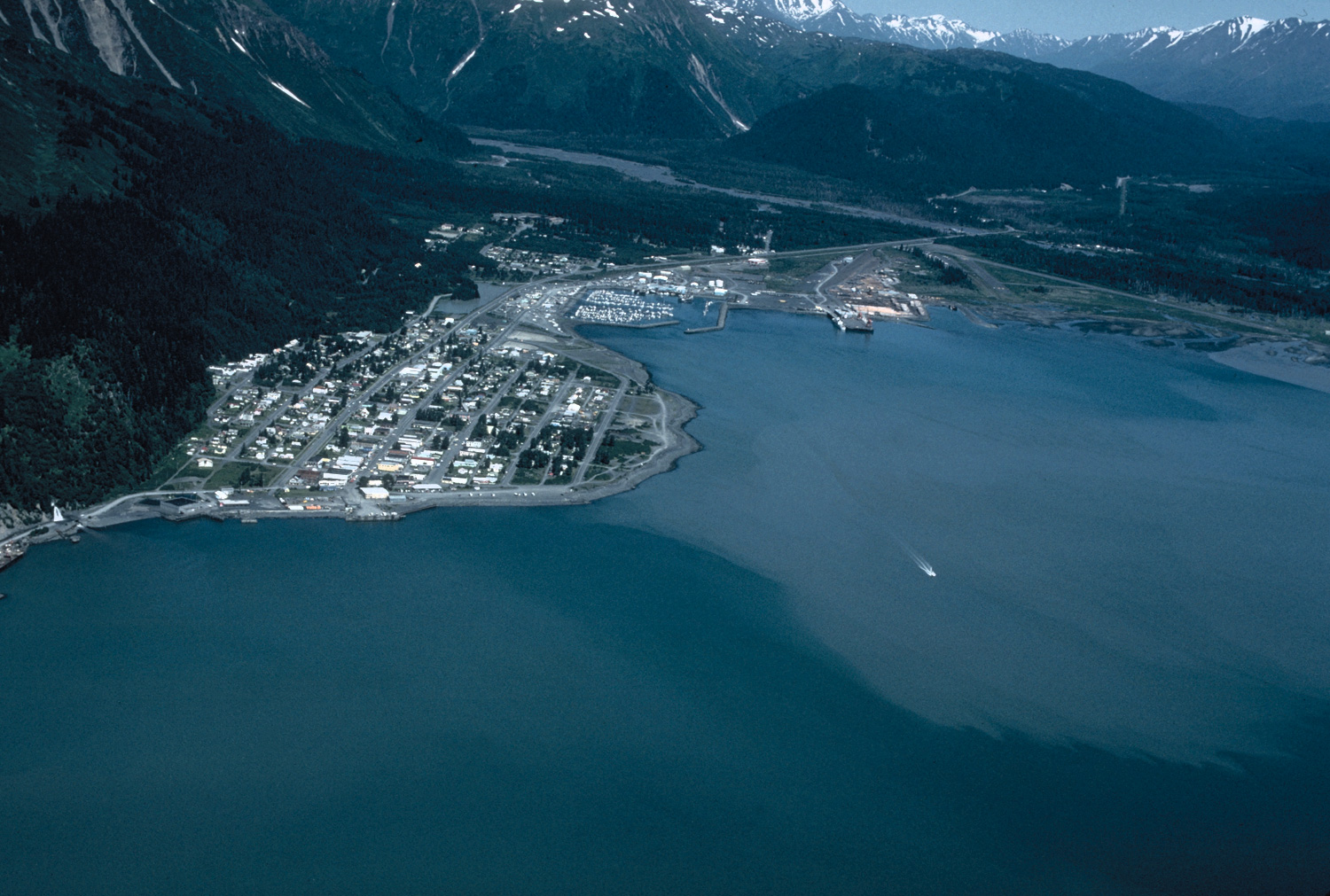
Glamping in Seward offers the perfect middle ground for travelers who want to immerse themselves in the rugged Alaskan landscape without sacrificing the comforts of a warm bed and a solid roof. From luxury yurts tucked into the rainforest to stylish wall tents overlooking Resurrection Bay, the area provides a variety of elevated camping experiences. This allows you to wake up to the sound of eagle calls and ocean waves while enjoying amenities like plush linens and wood-burning stoves.
The Seward Glamping Experience
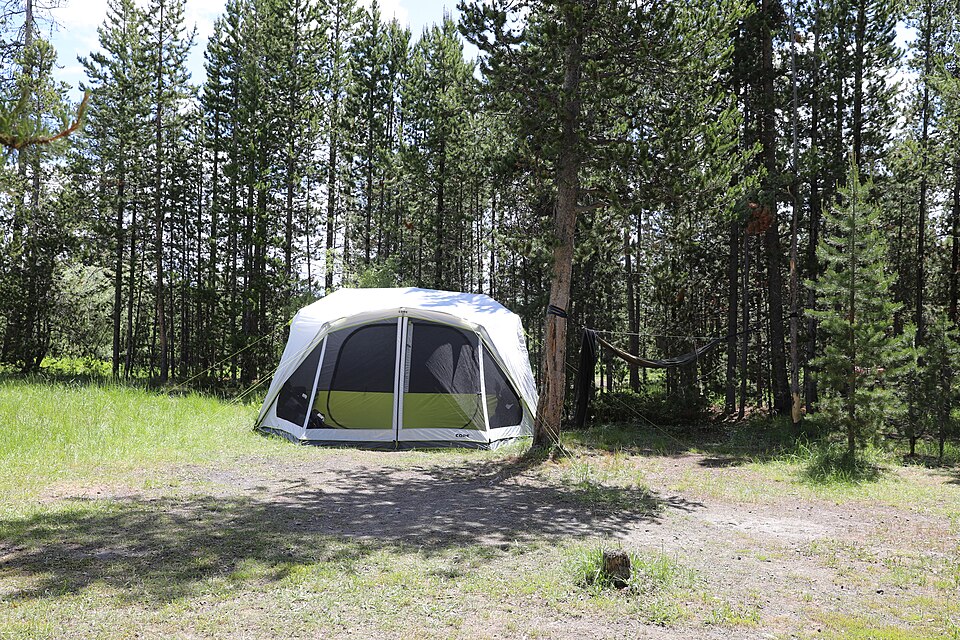
Glamping near Seward is distinct because of the dramatic geography. Most sites are located in the lush, temperate rainforest that characterizes the Kenai Peninsula. You might find yourself staying in a sturdy canvas wall tent mounted on a wooden platform, providing a dry and comfortable basecamp even during the region's frequent rain showers. Many of these accommodations are designed with large windows or clear panels to allow you to soak in the mountain views from the warmth of your room.
Inside, you can expect a step up from traditional camping. High-quality mattresses, warm down comforters, and often local decor make these spaces feel like a boutique hotel room in the woods. While some high-end options include private en-suite bathrooms, many glamping sites in the area utilize shared luxury bathhouses with heated floors and hot showers. It is an ideal way to experience the 'Last Frontier' while maintaining a level of comfort that makes the adventure accessible to everyone.
Where to Find Glamping in the Seward Area
The most popular areas for glamping are located just outside the main town center, particularly in the Lowell Point area. This coastal community south of Seward is the gateway to Caines Head and offers stunning beachfront or forest-edge locations. Staying here puts you within walking distance of kayak launch points and coastal hiking trails, providing a more secluded atmosphere than the busy harbor hotels.
Another hub for glamping is along the Seward Highway corridor and the Resurrection River valley. These sites often offer more space and direct views of the surrounding glaciers and jagged peaks. Some properties are situated on large acreage, allowing for private fire pits and communal areas where you can meet fellow travelers. While you won't find many glamping options directly inside Kenai Fjords National Park (which is mostly backcountry), these gateway locations provide easy access to the parkâs main entrance at Exit Glacier while keeping you close to the amenities of town.
Glamping vs. Traditional Camping and RVs
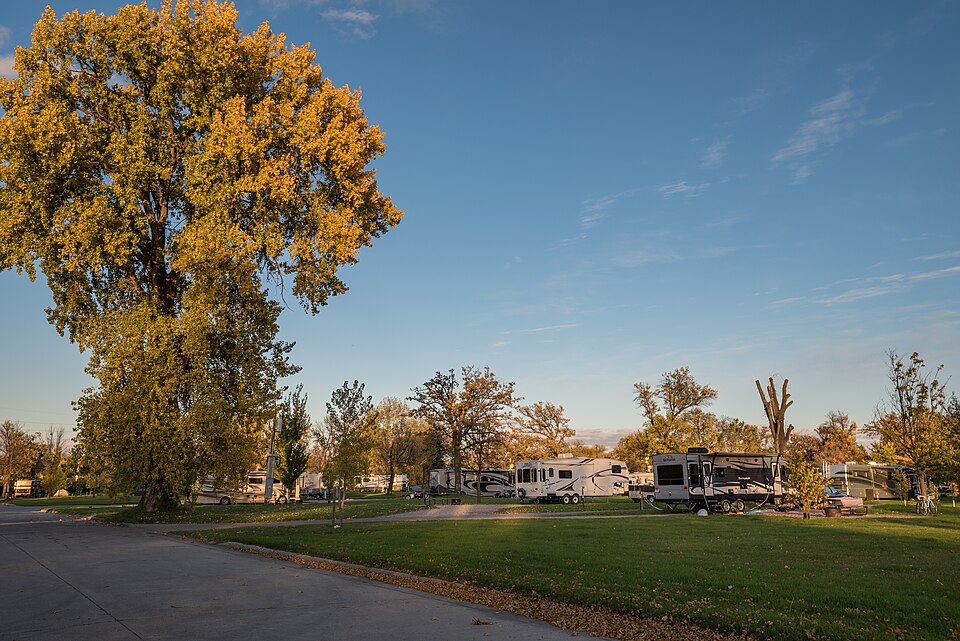
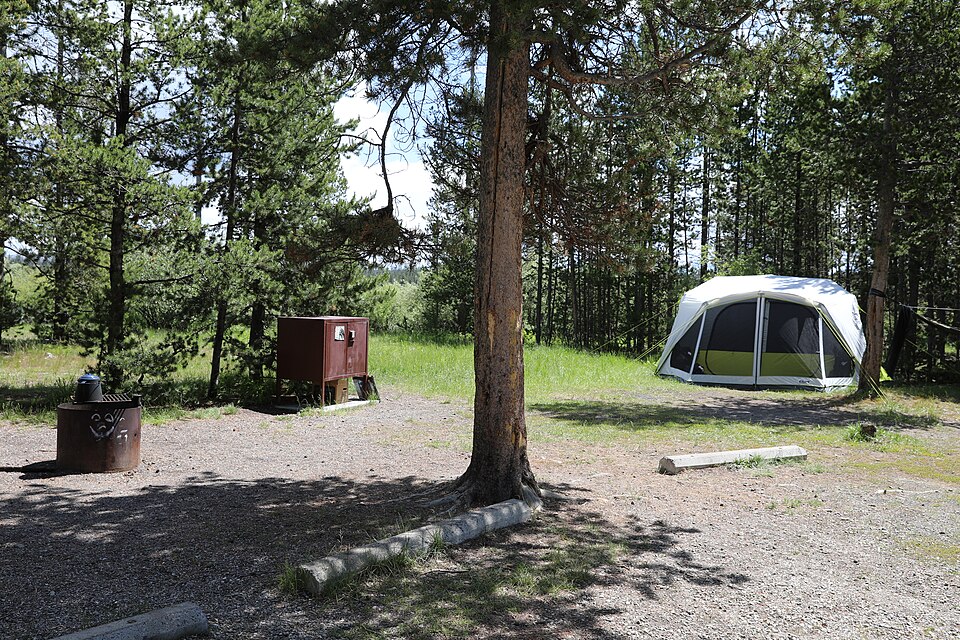
When deciding between glamping and other forms of accommodation, consider your gear and your goals. Traditional tent camping in Seward can be challenging due to the wet climate and the presence of bears; it requires specialized gear and strict food storage practices. Glamping removes the hassle of setting up a tent in the rain and provides a more secure structure. Unlike staying in an RV, which often means parking in crowded lots with limited views, glamping sites are usually spaced out to offer more privacy and a closer connection to nature.
For those who enjoy the social aspect of camping but want a better night's sleep, glamping is the clear winner. You still get to enjoy the scent of the pine forest and the crisp evening air, but you won't have to deal with the logistics of hauling a trailer or sleeping on a thin pad. It is particularly well-suited for couples on a romantic getaway or families who want a memorable Alaskan experience without the 'roughing it' aspect of a backcountry trek.
Seasonal Availability and Weather Prep
Glamping in Seward is a seasonal activity, typically running from late May through mid-September. Because many of these structures are canvas-walled or non-insulated yurts, they are not suitable for the harsh Alaskan winter. Even during the peak summer months, night temperatures can drop into the 40s, so most reputable glamping outfitters provide heaters or wood stoves to keep the space cozy.
When packing for a glamping trip, treat it like any other Alaskan adventure. Even if your tent is luxurious, you will still be walking outdoors to reach common areas or trailheads. Bring layers, including wool socks, a warm base layer, and a waterproof outer shell. While your host will likely provide bedding, bringing a pair of indoor slippers or camp shoes can help keep your glamping space clean and comfortable. Always check with your specific host about what is provided, as some may offer gourmet breakfast baskets while others focus on a more self-catered experience.
Booking and Sustainability
Due to the limited number of glamping sites in the Seward area and the short season, these accommodations tend to book up very quickly. It is not uncommon for popular yurts or luxury tents to be reserved six months to a year in advance, especially for weekend stays. Prices reflect the unique nature of the experience and the high cost of maintaining structures in a coastal environment; expect to pay rates comparable to a mid-to-high-range hotel.
Many glamping operators in the Kenai Peninsula focus on sustainable tourism, utilizing solar power, composting toilets, and eco-friendly cleaning products to minimize their footprint on the pristine landscape. This aligns perfectly with the ethos of visiting a National Park gateway town. Before you book, check the official National Park Service site for any updates on local land use or environmental guidelines. By choosing a glamping stay, you are supporting a style of travel that celebrates the beauty of Alaska while providing a comfortable and memorable home base for your explorations.