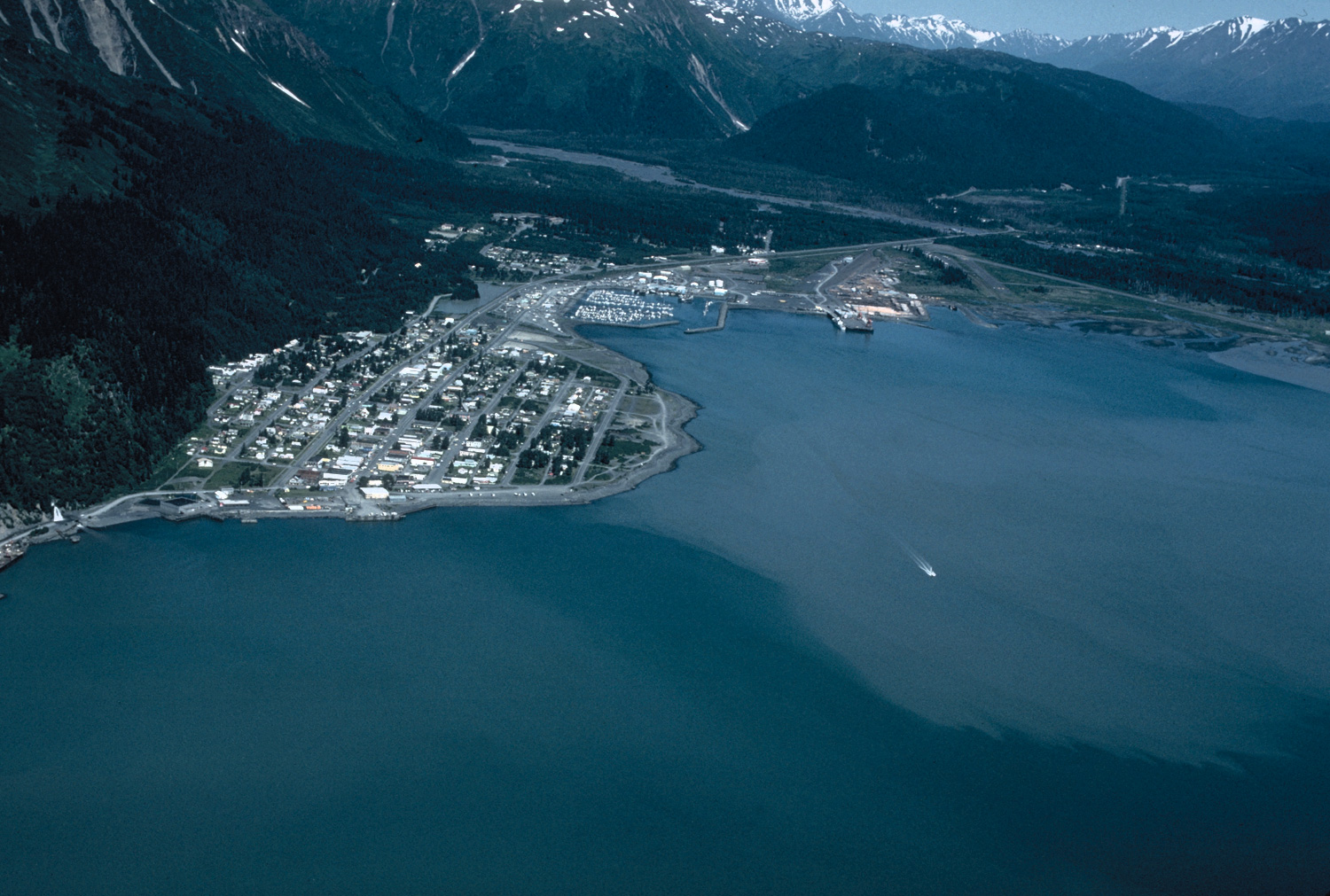
Choosing the best time to visit Seward involves balancing your desire for long daylight hours with your tolerance for coastal rain and bustling crowds. Situated on Resurrection Bay, this harbor town serves as the primary gateway to Kenai Fjords National Park, making it a seasonal hub for outdoor enthusiasts. While the town remains accessible year-round, the window for full access to mountain trails and boat tours is relatively short, primarily spanning the late spring through early autumn months.
Summer Peaks and Long Days
June, July, and August represent the peak season and are widely considered the best time to visit Seward for mild weather. During these months, temperatures typically hover in the 50s and 60s Fahrenheit, providing ideal conditions for hiking the Harding Icefield Trail. The summer solstice in late June brings nearly 20 hours of daylight, allowing travelers to squeeze more activity into a single day than almost anywhere else in the United States.
However, summer is also when the town is at its busiest. Cruise ships frequently dock at the harbor, and the streets fill with visitors heading toward the tour boats. If you plan to visit during the July 4th weekend, be aware that the Mount Marathon Race draws thousands of spectators, turning the quiet fishing village into a massive festival. Accommodations and boat tours during this window should be booked months in advance to ensure availability, as the limited local infrastructure fills up rapidly.
Spring Awakening and Whale Watching
Late April and May offer a unique opportunity for those interested in marine life. This is the prime window for witnessing the gray whale migration as these massive creatures travel through Alaskan waters. While the air remains crisp and lingering snow may still block high-elevation hiking trails, the harbor begins to buzz with renewed energy. Spring is generally drier than late summer, though you should still expect overcast skies and occasional drizzle typical of the Kenai Peninsula.
Visiting in the spring means you will beat the massive summer crowds, and you might find it easier to secure reservations at popular local eateries. Most seasonal businesses, including kayak outfitters and larger tour operators, begin their operations in mid-May. Keep in mind that while the lowland coastal areas are accessible, mountain passes like those leading to Exit Glacier may still have road closures depending on the previous winter's snowfall, so always check current conditions via the National Park Service.
Autumn Colors and Rainy Resilience
September is a beautiful but temperamental month in Seward. The surrounding mountainsides turn shades of gold and copper as the tundra foliage changes, providing a stunning backdrop for photography. This is a fantastic time for wildlife viewing as bears are often active near salmon-rich streams, and the throngs of tourists have largely dispersed. You can enjoy a quieter, more authentic experience in town, often with more flexibility for last-minute excursions.
Be prepared for the rain, however, as September is statistically one of the wettest months on the coast. The maritime climate means storms can roll in quickly from the Gulf of Alaska, occasionally causing cancellations for deep-sea fishing trips or glacier cruises. If you choose an autumn visit, high-quality waterproof gear is non-negotiable. Many seasonal shops and restaurants begin closing for the winter by mid-September, so it is wise to confirm that your must-see attractions are still operating before you arrive.
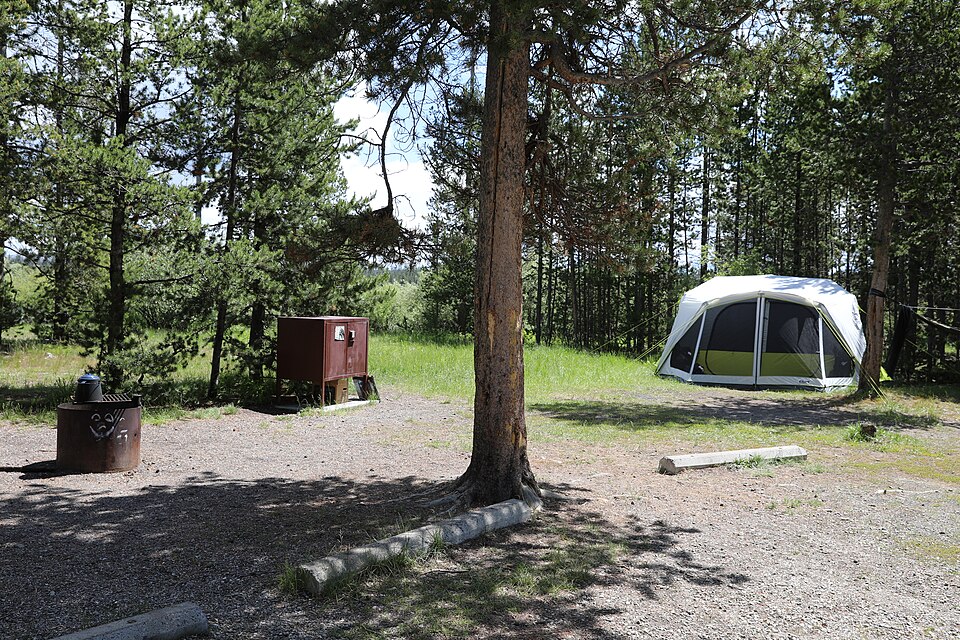
Lock in a stay for this season
Harvest Hosts stays on the way to Seward
Partner link · Harvest Hosts
Winter Solitude and Snow Sports
Winter in Seward is a quiet affair, as the town shifts from a bustling tourist destination back to a focused fishing community. While many visitor-oriented services shut down, the area remains a playground for those who enjoy snowshoeing, cross-country skiing, and winter photography. The scenery is dramatic, with snow-capped peaks reflecting in the dark, still waters of Resurrection Bay. If you are lucky and the skies are clear, the shorter days offer a chance to witness the aurora borealis dancing over the harbor.
Traveling here in winter requires careful planning. The Seward Highway, while well-maintained, can be treacherous with ice and blowing snow, particularly through the Turnagain Arm and mountain passes. Most boat tours do not run in the winter due to rough sea conditions and low demand. However, the Alaska SeaLife Center remains open year-round, providing an indoor refuge where you can learn about Steller sea lions and puffins without braving the elements.
Planning for Reservations and Logistics
Regardless of when you decide to visit, logistics in Alaska require foresight. For a summer trip, it is standard practice to book lodging and major activities six to nine months out. Seward serves as a major transit point for travelers moving between Anchorage and the cruise terminals, meaning that even mid-week availability can be tight. Costs for lodging and vehicle rentals fluctuate significantly by season, with peak summer rates being the highest you will encounter.
If your schedule allows for flexibility, the 'shoulder' weeks in late May or early September offer the best balance of manageable crowds and functional weather. Always monitor the official National Park Service website for Kenai Fjords, as they provide essential updates on trail conditions, glacier activity, and road access to the Exit Glacier area. By aligning your expectations with the realities of the Alaskan coastal climate, you can ensure a successful trip to this stunning corner of the Pacific Northwest.

More ways to book Seward
 Illustrative · Canadian2006
Exit Glacier Walk
One of the classic ways to experience Seward.
Varies (estimate)
Partner link · Viator