

This 2 to 4-day Pittsburgh itinerary is designed to showcase the unique blend of natural beauty and industrial grit that defines this Western Pennsylvania gem. From the moment you arrive at Pittsburgh International Airport (PIT)—located just about 19 miles or a 33-minute drive from downtown—you will be immersed in a landscape of bridges and hills. This plan covers the essential landmarks, the best scenic overlooks, and the vibrant neighborhoods that make the city a premier weekend destination.
Day 1: The Golden Triangle and Mount Washington
Begin your first day at Point State Park, the historic site where the Allegheny and Monongahela rivers meet. After viewing the massive fountain and the remnants of Fort Pitt, take a short walk across one of the iconic yellow bridges to the North Shore. Spend your morning exploring the Andy Warhol Museum or walking along the riverfront trail.
In the afternoon, head across the Smithfield Street Bridge to the Station Square area. From here, board the Monongahela Incline, the oldest continuously operating funicular in the U.S. Once at the top of Mount Washington, stroll along Grandview Avenue for the classic "postcard" view of the downtown skyline. For dinner, stay on the ridge to enjoy the sunset over the city. This introduction to Pittsburgh highlights its three-river geography and provides a sense of the vertical scale of the city. Make sure to have your camera ready, as the transition from day to night on the overlooks is one of the most spectacular sights in the region.
Day 2: Culture, History, and Oakland
On your second day, head east to the Oakland neighborhood, the city’s intellectual and cultural heart. Start at the Phipps Conservatory and Botanical Gardens to wander through the Victorian glasshouse and themed outdoor gardens. Right next door is the Cathedral of Learning on the University of Pittsburgh campus; be sure to visit the Nationality Rooms, which are classrooms decorated to represent the cultures of the various ethnic groups that settled in Pittsburgh.
Spend your afternoon at the Carnegie Museums of Art and Natural History. You can easily spend three or four hours here marveling at the dinosaur skeletons and the hall of architecture. If you have extra time, take a quiet walk through the nearby Schenley Park, which offers miles of wooded trails and views of the surrounding valley. This day focuses on the philanthropic and educational legacy of the city’s industrial barons, providing a deeper understanding of how the wealth from steel was reinvested into world-class public institutions.
Day 3: Strip District and River Activities
Start your final day in the Strip District, a historic market neighborhood that comes alive in the mornings. This is the place to find local coffee, fresh pastries, and Pittsburgh-themed gear. It is a bustling, gritty, and authentic area that reflects the city's diverse roots. After browsing the stalls, head to the Senator John Heinz History Center nearby to learn about the region’s innovations, from the invention of the Jeep to the history of the Heinz company.
In the afternoon, get active on the water. Rent a kayak from the North Shore and paddle around the point, or take a riverboat cruise for a narrated tour of the industrial landmarks along the banks. If you are visiting between May and October, this is the perfect way to wrap up your trip. If you have a few more hours before heading back to PIT airport, consider a quick drive to the Highland Park Zoo or a walk through the shops in the Shadyside neighborhood for some last-minute souvenirs.
Optional Day 4: Laurel Highlands Excursion
If you can extend your stay to four days, consider a day trip out of the city and into the Laurel Highlands. About an hour and a half drive southeast of the city, this region offers a complete change of pace with its deep forests and mountain streams. You can visit Ohiopyle State Park for light hiking or to see the waterfalls. This area is also famous for its architectural landmarks nestled in the woods.
Alternatively, you could spend the day exploring the small towns of Greensburg or Ligonier, which offer a glimpse into the rural life of Western Pennsylvania. Returning to the city in the evening, you’ll appreciate the contrast between the rugged Appalachian wilderness and the bright lights of the Steel City. This extra day is highly recommended for nature lovers who want to see the landscape that provided the raw timber and coal that fueled Pittsburgh's historic growth.

Travel Tips and Logistics
When following this Pittsburgh itinerary, keep in mind that the city's topography can make navigation tricky; GPS is helpful, but pay close attention to exit ramps and bridge lanes. Public transit, including the 'T' (light rail) and the bus system, is efficient for moving between downtown and the North Shore. For parking, look for municipal garages which are generally more cost-effective than street parking or private lots.
Always check the official website of the National Park Service or local park authorities for any seasonal updates, as some trails or park facilities may have modified hours in the winter. Budgeting roughly $185 per day should comfortably cover mid-range dining, museum admissions, and local transport. Whether you are here for the history or the views, the city is best experienced at a moderate pace, leaving plenty of time to stop and admire the confluence of the three rivers that define the region’s spirit.
More ways to book Pittsburgh
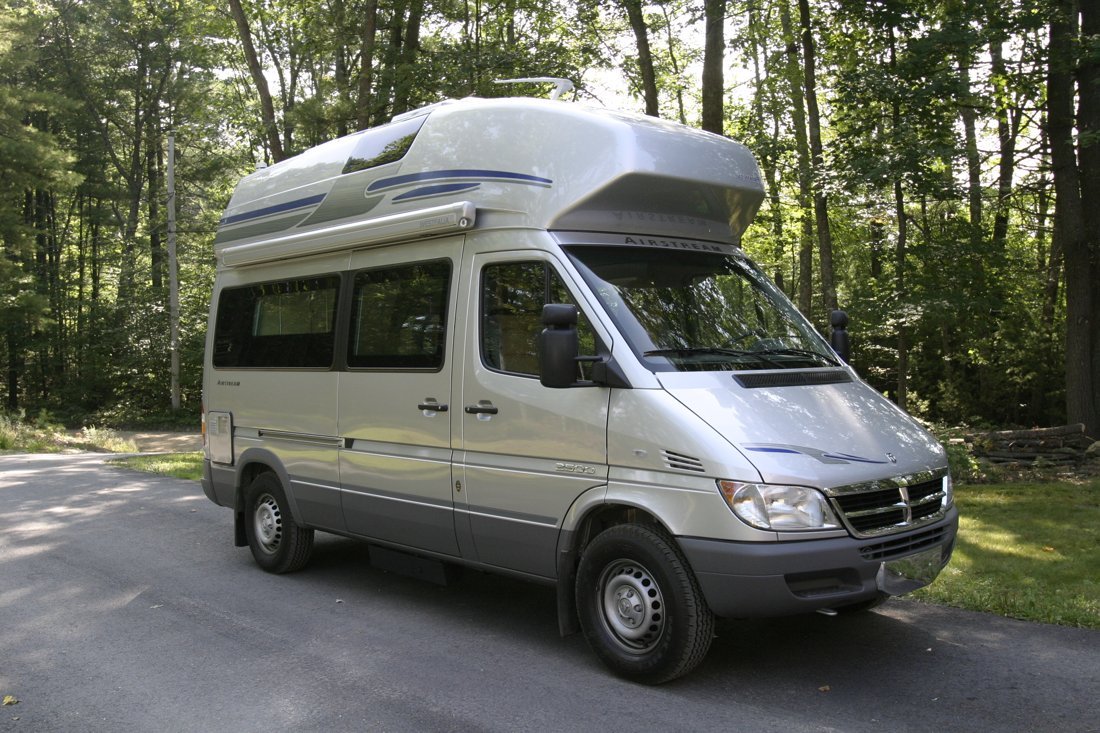 Illustrative · Msisk6 at English Wikipedia
Sprinter Adventure Van
Small enough to park at the trailhead, comfy enough to sleep in.
$189/day (estimate)
Direct link · Motorhome Republic