

Pittsburgh is a city of distinct seasons, tucked into the rugged terrain of Western Pennsylvania where the Allegheny and Monongahela rivers form the Ohio. While the city is a year-round destination for culture and sports, the local climate dictates much of the outdoor experience. From the blooming cherry blossoms in the spring to the crisp, colorful leaves reflecting off the water in autumn, choosing the right window ensures you enjoy the Steel City at its most vibrant.
The Golden Window: May through October
For those seeking the quintessential Pittsburgh experience, the period from late May through October is widely considered the best time to visit Pittsburgh. During these months, the city sheds its winter coat, and the riverfront trails come alive with cyclists and joggers. The weather is generally warm and pleasant, with daytime highs ranging from the mid-70s to the low 80s, making it ideal for exploring the distinct neighborhoods on foot or by incline.
Late spring brings a lush green hue to the surrounding Appalachian foothills, while the summer months offer long evenings perfect for catching a baseball game with the skyline as a backdrop. As the humidity of July and August fades, September introduces a comfortable coolness that lingers into October. This window aligns with the peak season for outdoor festivals and the operating schedules of local boat tours, ensuring that all major attractions are fully accessible to travelers.
Spring Blooms and River Vistas
Spring in Pittsburgh is a season of transformation. Starting in April, the city parks begin to stir, though the weather can be temperamental with frequent rain showers and the occasional lingering frost. By May, the city is in full bloom. The Highland Park and Phipps Conservatory areas become particularly scenic as local flora returns to life.
Travelers should be prepared for varying temperatures; a sunny afternoon can quickly transition into a brisk evening. This is a fantastic time for photographers who want to capture the emerald green hillsides before the summer haze sets in. Because this is a shoulder season, you might find slightly fewer crowds at popular spots like the Duquesne Incline compared to the height of summer. However, it is always wise to pack layers and a waterproof jacket to handle the unpredictable spring rains that feed the three rivers.
Summer Humidity and Stadium Energy
Summer brings a specific energy to Pittsburgh, characterized by high humidity and spirited outdoor activity. July and August are the warmest months, with temperatures occasionally climbing into the 90s. This is the prime season for water-based activities, as the rivers become a playground for kayakers and paddleboarders.
Expect larger crowds during this time, especially near the North Shore and Point State Park, where major concerts and sporting events take place. While the heat can be intense, the city's numerous museums and indoor historic sites provide a welcome air-conditioned respite. If you plan on visiting during a major holiday weekend or during a home game series for the local teams, booking your accommodations well in advance is highly recommended. The atmosphere is celebratory, but the demand for dining and lodging reaches its annual peak during these bright, sun-drenched months.
Lock in a stay for this season
Harvest Hosts stays on the way to Pittsburgh
Partner link · Harvest Hosts
Autumn Foliage and Crisp Air
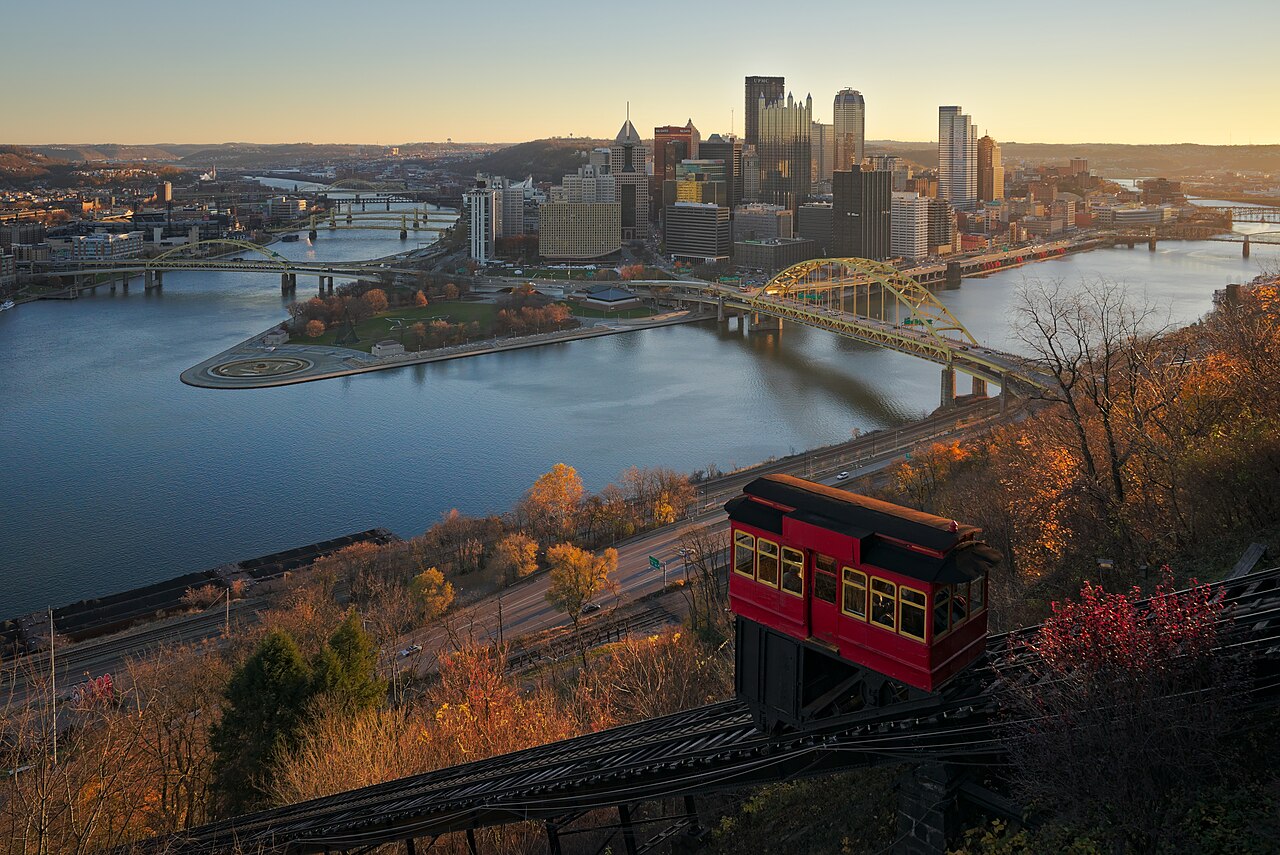
Many locals argue that autumn is the absolute best time to visit Pittsburgh. As the calendar turns to September and October, the dense hardwood forests surrounding the city turn brilliant shades of red, orange, and gold. The air turns crisp and dry, providing excellent visibility from the overlooks on Mount Washington.
This is the season for hiking in nearby state parks or taking scenic drives through the rolling hills of Western Pennsylvania. The harvest season also brings local farmer's markets to life. While the days remain comfortable for walking, the nights can become quite chilly, so a heavy sweater or light jacket is essential. Crowds tend to thin out slightly after Labor Day, though the peak foliage weeks in mid-to-late October still draw significant numbers of leaf-peepers and weekend travelers looking to soak in the last of the mild weather.
Winter Charm and Planning Logistics
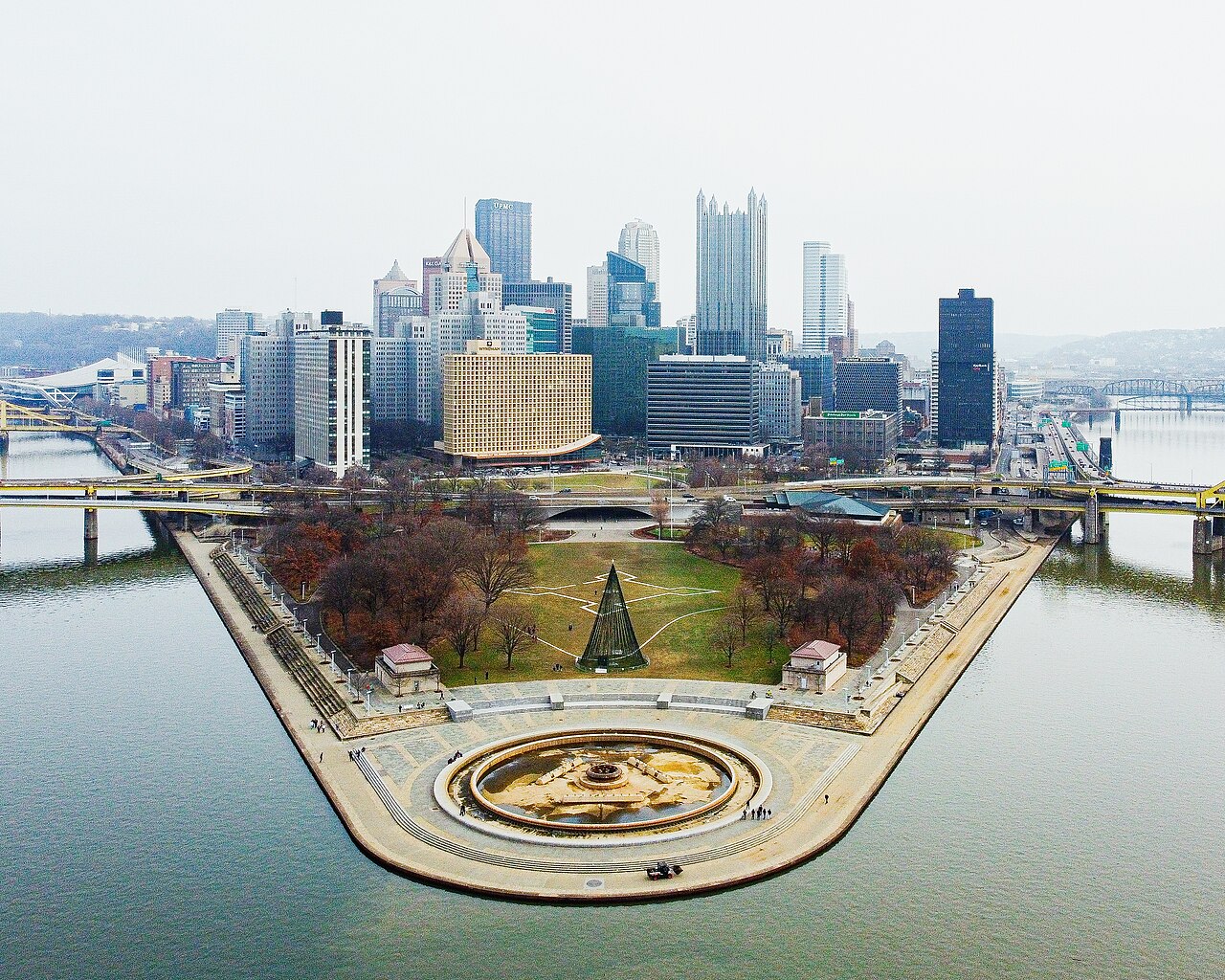
Pittsburgh winters are cold, cloudy, and often snowy, spanning from late November through March. Temperatures frequently drop below freezing, and the damp air from the rivers can make the cold feel more biting. However, the city takes on a cozy, festive charm during the holiday season, with outdoor skating rinks and light displays.
If you visit during winter, your focus will likely shift to the city’s rich indoor offerings, such as the Carnegie Museums or the Senator John Heinz History Center. Since this is the low season for tourism, you may find better availability for lodging, but be mindful of winter storms that can impact travel at Pittsburgh International Airport. Regardless of when you choose to visit, checking the official National Park Service sites or local municipal pages for seasonal closures and event schedules is a crucial step in your planning process to ensure a smooth trip.
More ways to book Pittsburgh
 Illustrative · Matt Joseph
Mount Washington Overlook
One of the classic ways to experience Pittsburgh.
Varies (estimate)
Partner link · Viator