
The Painted Hills are one of the three units of the John Day Fossil Beds National Monument, offering a prehistoric landscape that feels like another planet. Visitors come here to walk among ancient clay layers that record millions of years of climate change. Whether you are a dedicated hiker, a photographer chasing the perfect light, or a family looking for an educational outdoor adventure, there are several key experiences you cannot miss in this geological wonderland.
Hiking the Iconic Painted Cove Trail
The Painted Cove Trail is perhaps the most photographed spot in the entire monument and is one of the top things to do in Painted Hills. This short, accessible loop features a well-maintained boardwalk that takes you directly through mounds of deep, oxidized red clay. The boardwalk protects the sensitive soil while allowing you to get close enough to see the popcorn-like texture of the bentonite clay. It is a short walk, making it perfect for visitors of all ages and fitness levels.
As you walk through the cove, you will see how the colors shift from lavender to deep orange depending on the angle of the sun. Educational signs along the path explain the volcanic activity and climate shifts that created these layers over 30 million years ago. Because this trail is so popular, it is best to visit early in the morning or late in the evening to enjoy the stillness of the desert without the presence of large groups.
Panoramic Views from Carroll Rim Trail
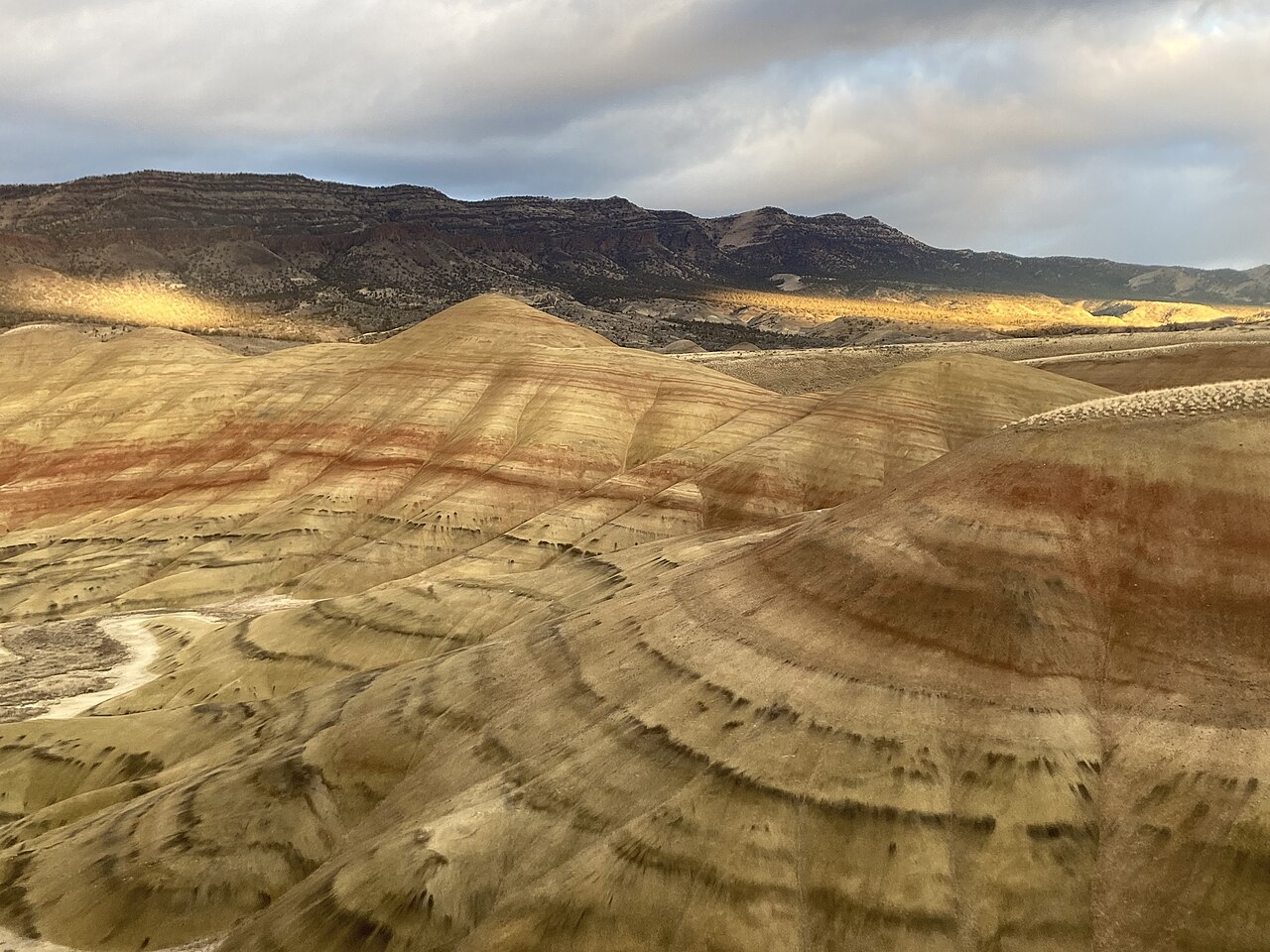
For those seeking a more elevated perspective, the Carroll Rim Trail is a must. This is a moderate hike that climbs roughly 250 feet over one and a half miles round-trip. The trail leads you to a ridge overlooking the entire Painted Hills unit, providing a breathtaking bird's-eye view of the multi-colored mounds and the surrounding valley. From the summit, you can see the scale of the geological formations and the way they sit tucked against the rugged backdrop of the Oregon backcountry.
The trail is well-defined but can be dusty and hot, as there is no shade along the ascent. Along the way, keep an eye out for local wildlife; it is not uncommon to see hawks circling overhead or lizards scurrying across the path. The vantage point at the top is particularly stunning during the golden hour, when the setting sun illuminates the hills in a fiery glow, making it a prime spot for landscape photographers.
Educational Walks at Leaf Hill and Red Hill
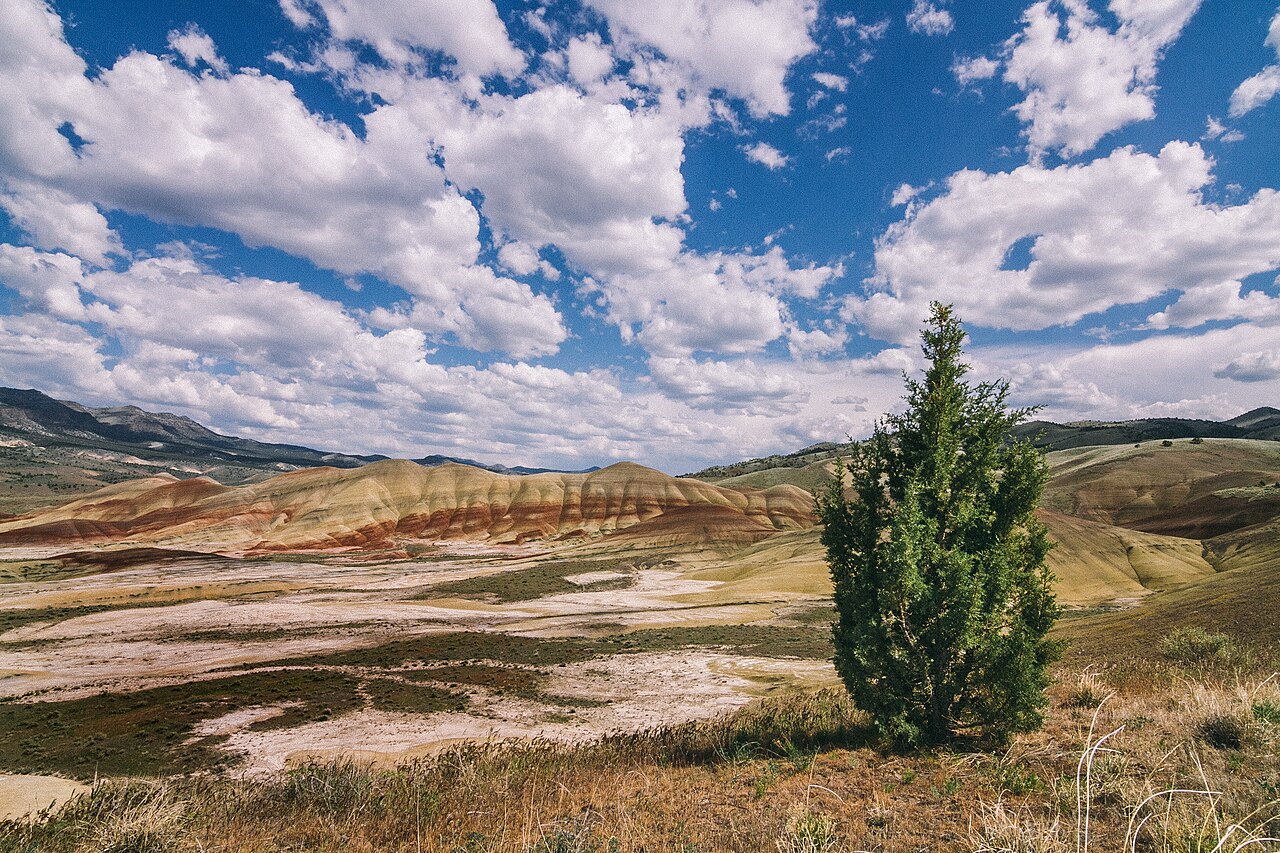
If you are interested in the scientific history of the region, the Leaf Hill Trail and Red Hill Trail offer fascinating insights. Leaf Hill was the site of significant paleontological excavations where thousands of leaf fossils were discovered, helping scientists understand the ancient deciduous forests that once covered this area. The trail is a short loop with interpretive signs that detail the types of flora that existed here millions of years ago. It is a quiet, contemplative walk that highlights the biological history of the desert.
Red Hill, located a bit further into the park, offers a massive, singular mound of vibrant red clay. The scale of this formation is impressive, and the contrast between the red earth and the green sagebrush is striking. Both of these trails are relatively flat and easy to navigate, providing great opportunities for families with children to learn about geology and paleontology in a hands-on, outdoor environment.
Wildlife Viewing and Birdwatching
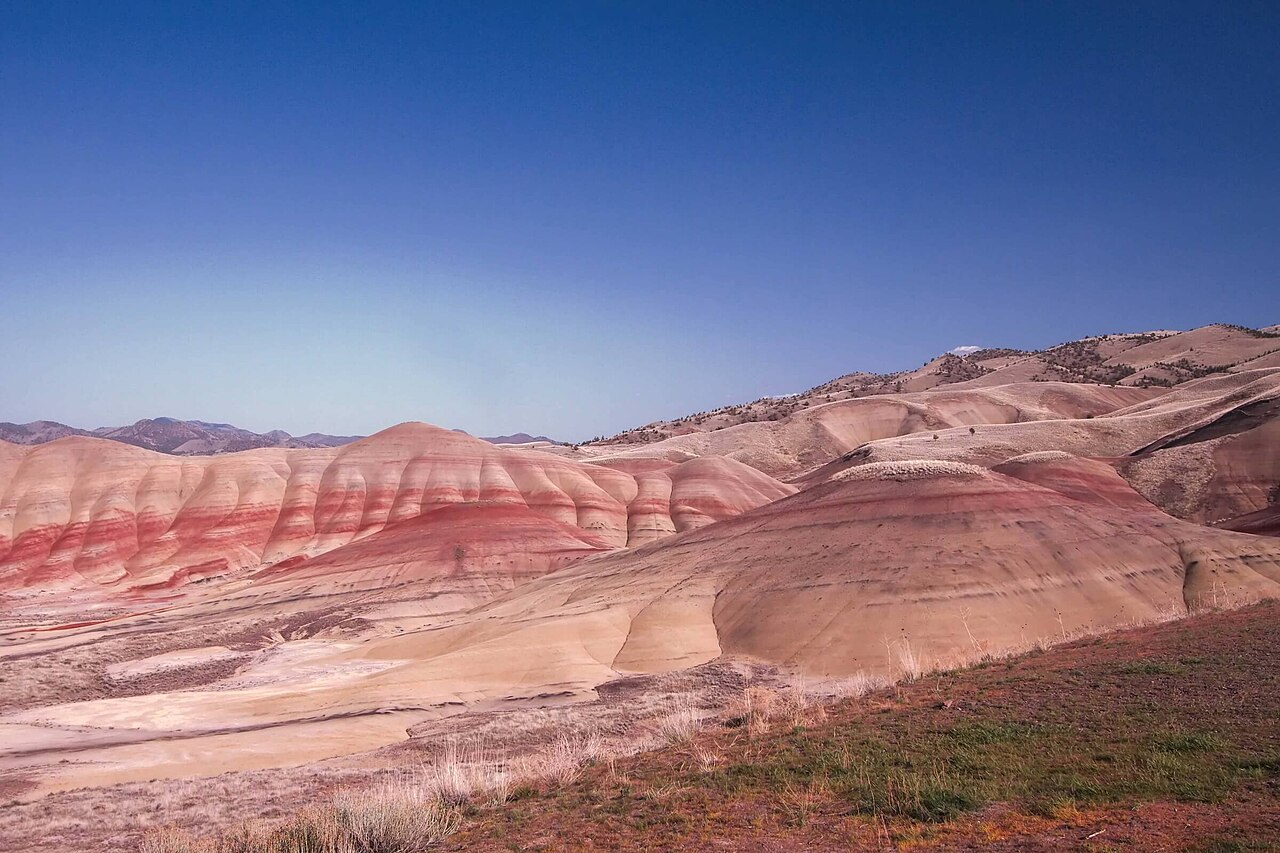
The high desert environment of the Painted Hills is home to a surprising variety of wildlife adapted to the arid conditions. Birdwatchers should keep their binoculars ready for sightings of Golden Eagles, Prairie Falcons, and Western Bluebirds. The surrounding sagebrush and juniper trees provide habitat for many species, especially near the small seasonal creeks that run through the area. Early morning is the best time for wildlife activity, as animals are most active before the heat of the day sets in.
On the ground, you might spot mule deer grazing in the valleys or the occasional coyote moving through the brush. Reptiles are also common, including various species of lizards and the occasional rattlesnake, though the latter usually stay away from the main foot traffic. Remember to maintain a respectful distance from all wildlife and stay on the designated trails to protect both yourself and the delicate desert ecosystem. The silence of the park allows you to hear the calls of the desert in a way that few other places offer.
Tips for Visiting with Kids or on Rainy Days
Visiting the Painted Hills with children is a rewarding experience, as the colors and textures are naturally engaging. The boardwalk at Painted Cove is especially kid-friendly, providing a safe way for them to see the hills up close. To keep younger travelers interested, you can participate in the Junior Ranger program offered by the John Day Fossil Beds National Monument; you may need to visit the Thomas Condon Paleontology Center in the Sheep Rock Unit, about an hour away, to pick up booklets and earn badges.
On a rainy day, the experience changes significantly. While the trails can become muddy and the clay very slippery, the rain actually intensifies the colors of the hills. If it is a light drizzle, a drive along the main access road still offers many viewpoints where you can see the hills from the comfort of your vehicle. However, heavy rain can make the gravel roads difficult for smaller cars, so always check the official NPS site for weather alerts before heading out in inclement weather.