
For those who want to immerse themselves in the rugged beauty of the Oregon high desert without sacrificing comfort, glamping near the Painted Hills is an ideal choice. This style of travel allows you to fall asleep under a canopy of stars and wake up to the sound of the desert wind, all while enjoying a real mattress and curated amenities. As the region grows in popularity, several unique lodging options have emerged that blend the thrill of camping with the comforts of a boutique hotel.
What to Expect from High Desert Glamping
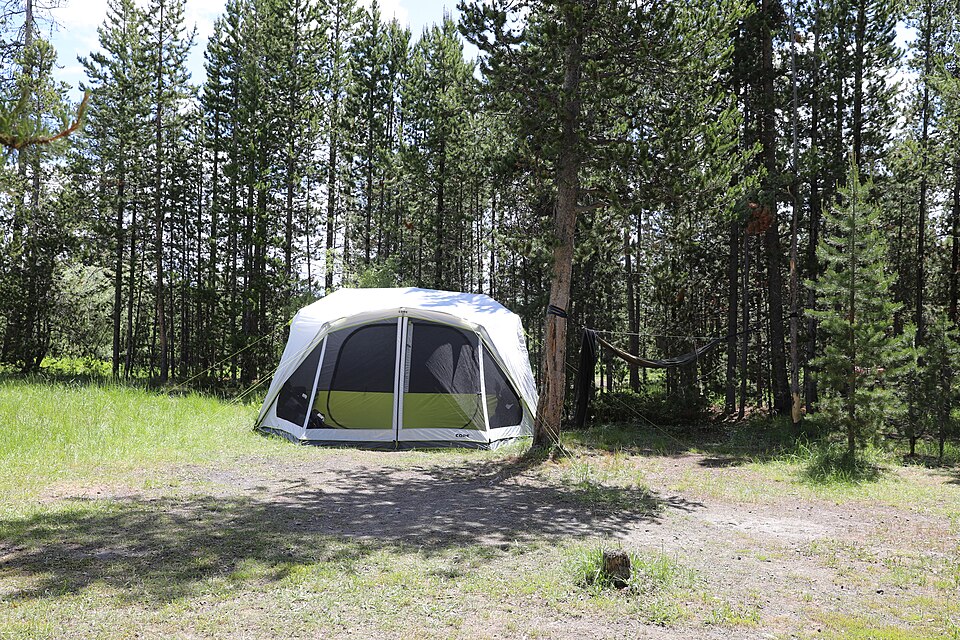
Glamping in the Painted Hills region typically involves stays in large canvas wall tents, converted vintage trailers, or even tiny cabins located on private ranches or near the gateway towns. These accommodations often feature cozy bedding, solar-powered lighting, and sometimes private decks for sunset viewing. Because the area is a high desert, the temperature swings can be dramatic; glamping sites often provide heavy wool blankets or small propane heaters to keep you warm during the chilly nights, even in the middle of summer.
Most glamping sites are designed to be eco-friendly, utilizing the natural landscape to provide privacy and views. You can expect a shared or private outdoor kitchenette and communal fire pits where travelers gather in the evening. This is a far cry from a standard hotel room, offering a tactile connection to the environment while ensuring you have a restful night's sleep after a day of hiking the Carroll Rim or Painted Cove trails.
Primary Locations for Glamping
The town of Mitchell is the closest gateway to the Painted Hills and serves as the primary hub for unique accommodations. In and around Mitchell, you will find small-scale operations that offer glamping tents set against the backdrop of towering canyon walls. These spots are just a 15-minute drive from the monument, making them perfect for those who want to reach the hills for sunrise photography. Staying in Mitchell also puts you within walking distance of local eateries and the town's historic atmosphere.
Further west, the area around Prineville offers additional options. While the drive to the hills is longer (about 45-60 minutes), Prineville provides a wider range of services and more diverse glamping styles, including stays near the Crooked River. Some travelers also look for glamping opportunities on the outskirts of Bend, which allows for a mix of high-desert adventure and the sophisticated dining and brewery scene of the city. Regardless of where you choose to stay, booking well in advance is essential as these unique spots are limited in number.
Glamping vs. Traditional Camping and RVs
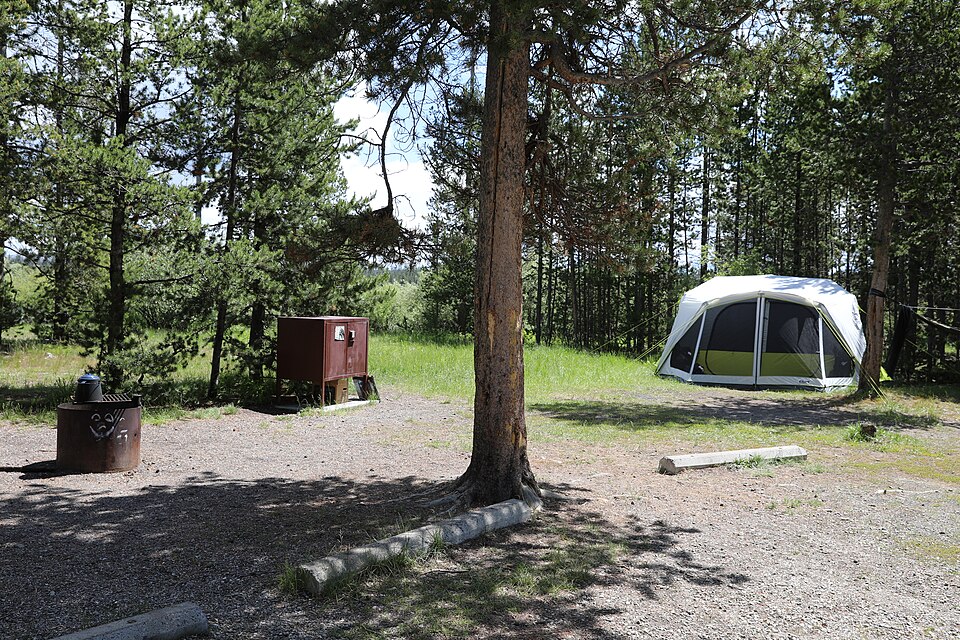
Choosing between glamping, camping, and RVing depends on your desired level of convenience and connection to nature. Traditional camping is available at nearby Bureau of Land Management (BLM) sites like Priest Hole or Burnt Ranch, which offer a primitive experience with no hookups and very few amenities. This is the most budget-friendly option but requires you to bring all your own gear, water, and food. For the self-sufficient traveler, it provides the most solitude.
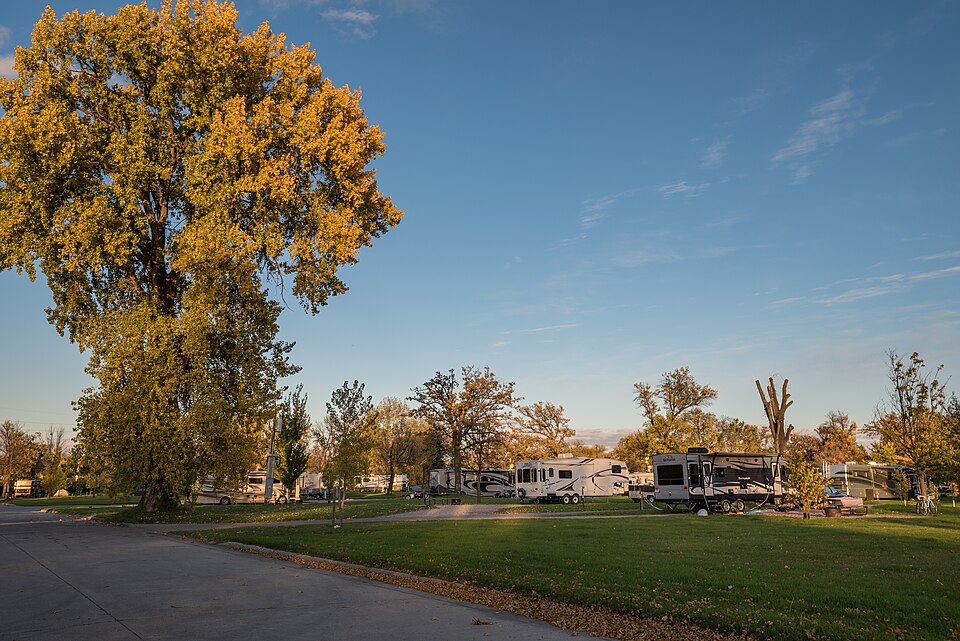
RV travel is another popular way to see the Painted Hills, with several parks in the region offering pads and hookups. However, the roads within the Painted Hills Unit itself can be narrow, and parking for large rigs is limited at some trailheads. Glamping sits in the middle, providing the immersion of camping without the need to haul heavy gear or manage an RV. It is particularly popular for couples and photographers who want a comfortable base camp that allows them to focus on the landscape rather than the logistics of camp setup.
Best Seasons for a Glamping Adventure
The best time for Painted Hills glamping is during the spring and fall. From late April through June, the desert is in bloom, and the daytime temperatures are perfect for lounging outside your tent. The nights are cool but manageable with the provided bedding. Fall, particularly September and early October, offers clear skies and crisp air, which is ideal for stargazing from your glamping site. The absence of light pollution in this part of Oregon makes the night sky incredibly vivid.
During the peak of summer, glamping can be quite warm during the day, as canvas tents absorb the sun's heat. Most glampers spend their daylight hours exploring the John Day Fossil Beds or swimming in the John Day River, returning to their site only as the evening cools down. In the winter, many glamping operations close due to the freezing temperatures and snow, though some tiny cabins or insulated structures may remain open. Always check the official NPS site for seasonal park information and your specific host's availability before planning a winter trip.
Essential Packing and Preparation
Even though you are glamping, you are still in a remote desert environment. You should pack in layers, as the temperature can drop 30 degrees or more once the sun goes down. Sturdy hiking boots are a must for the gravel and clay trails, and a high-quality headlamp is useful for navigating your glamping site after dark. Since many sites use solar power, bringing a portable power bank for your devices is a smart move to ensure you can keep your camera charged for those iconic hill shots.
Water is the most important thing to bring. Even if your glamping site provides some, having a large personal supply is vital for your hikes. You should also bring plenty of sunscreen and insect repellent, as the desert can be home to gnats and mosquitoes near water sources. Most glamping hosts will provide a list of what is included, but it is always wise to bring your own favorite snacks and easy-to-prepare meals, as dining options in Mitchell and the surrounding areas can close early or have limited menus during the off-peak season.