
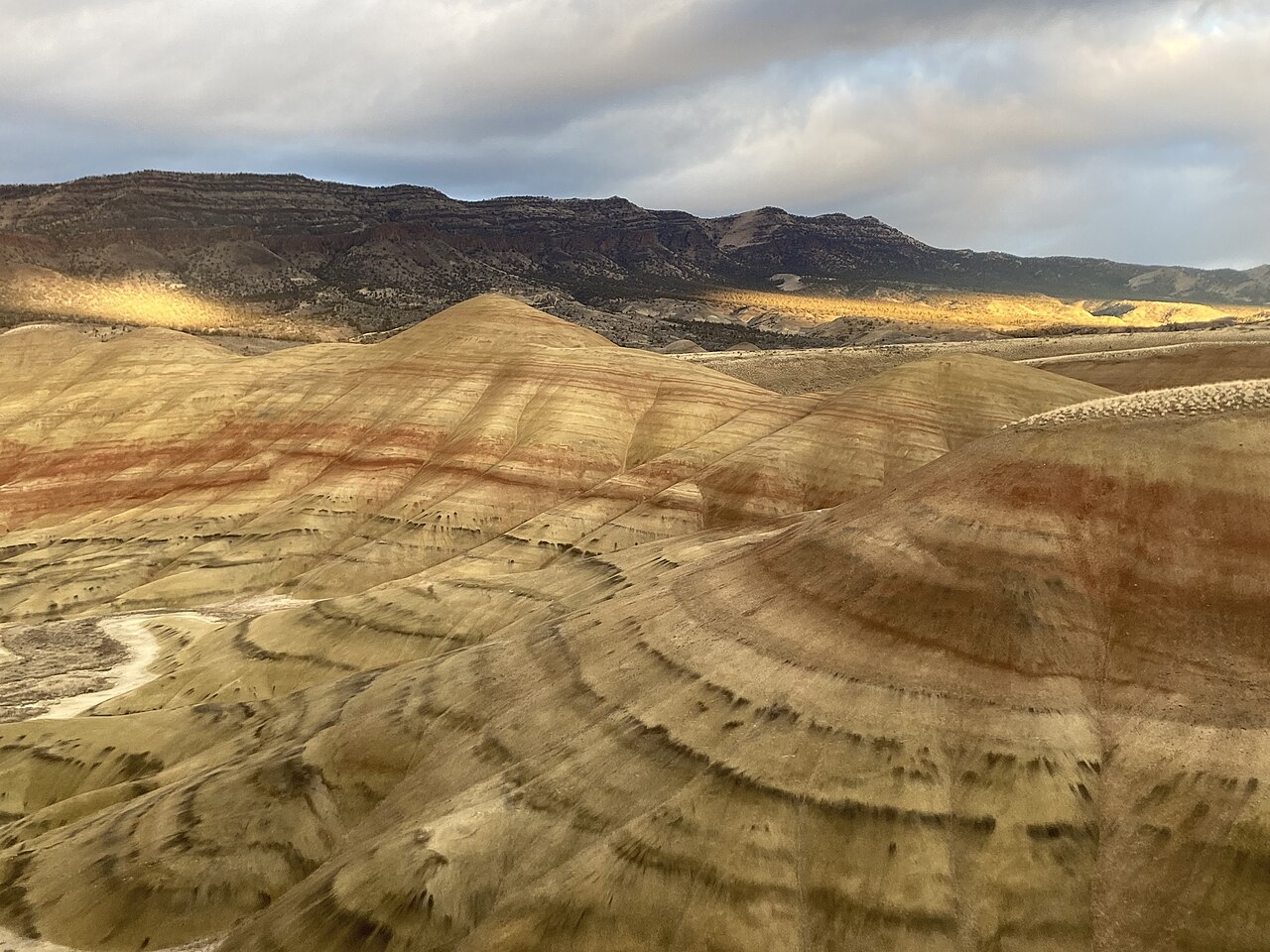
Timing your trip to the Painted Hills is essential for witnessing the vibrant reds, golds, and blacks of the claystones at their most intense. Located in the high desert of Central Oregon, this unit of the John Day Fossil Beds National Monument changes dramatically with the light and moisture. While the park is open year-round, the quality of the colors and the comfort of your hike depend heavily on the shifting seasons and the time of day.
Spring Colors and Wildflowers
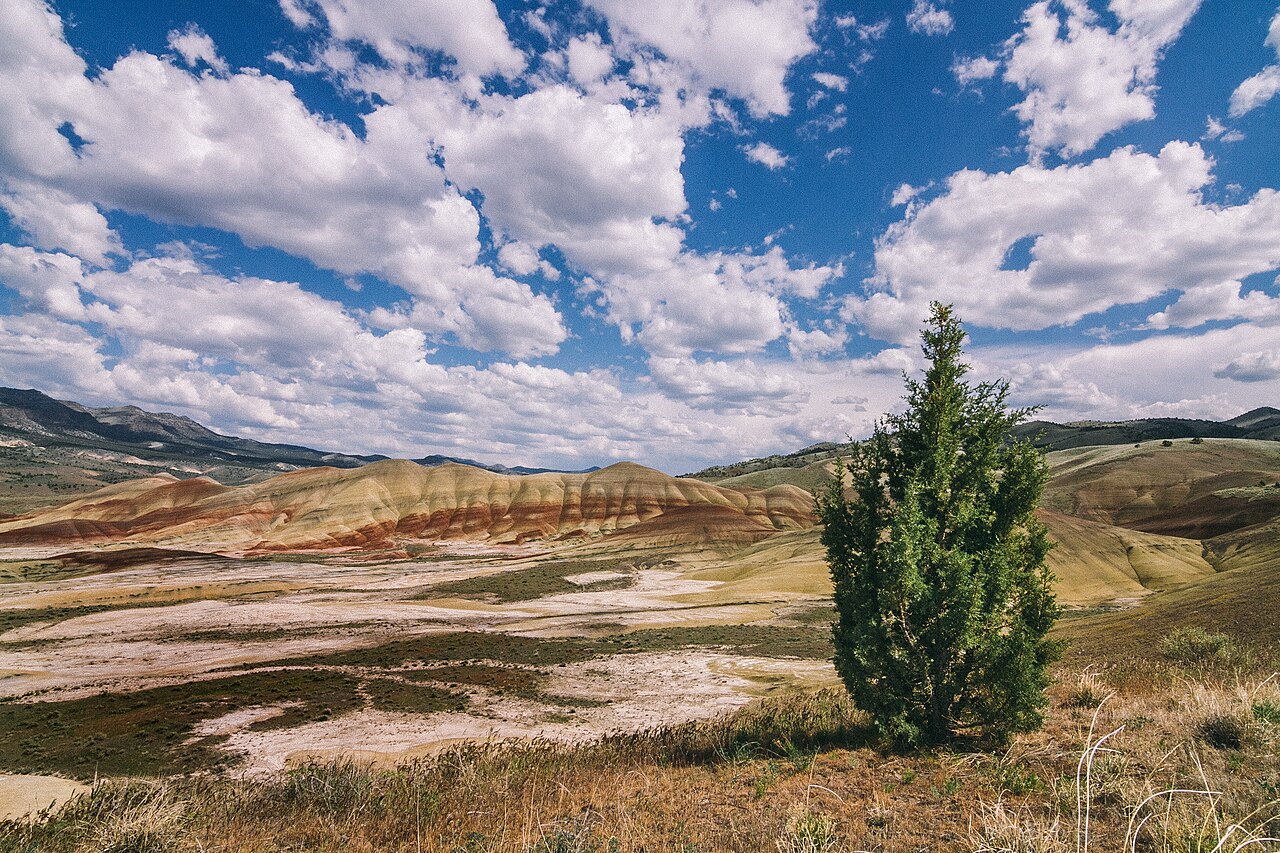
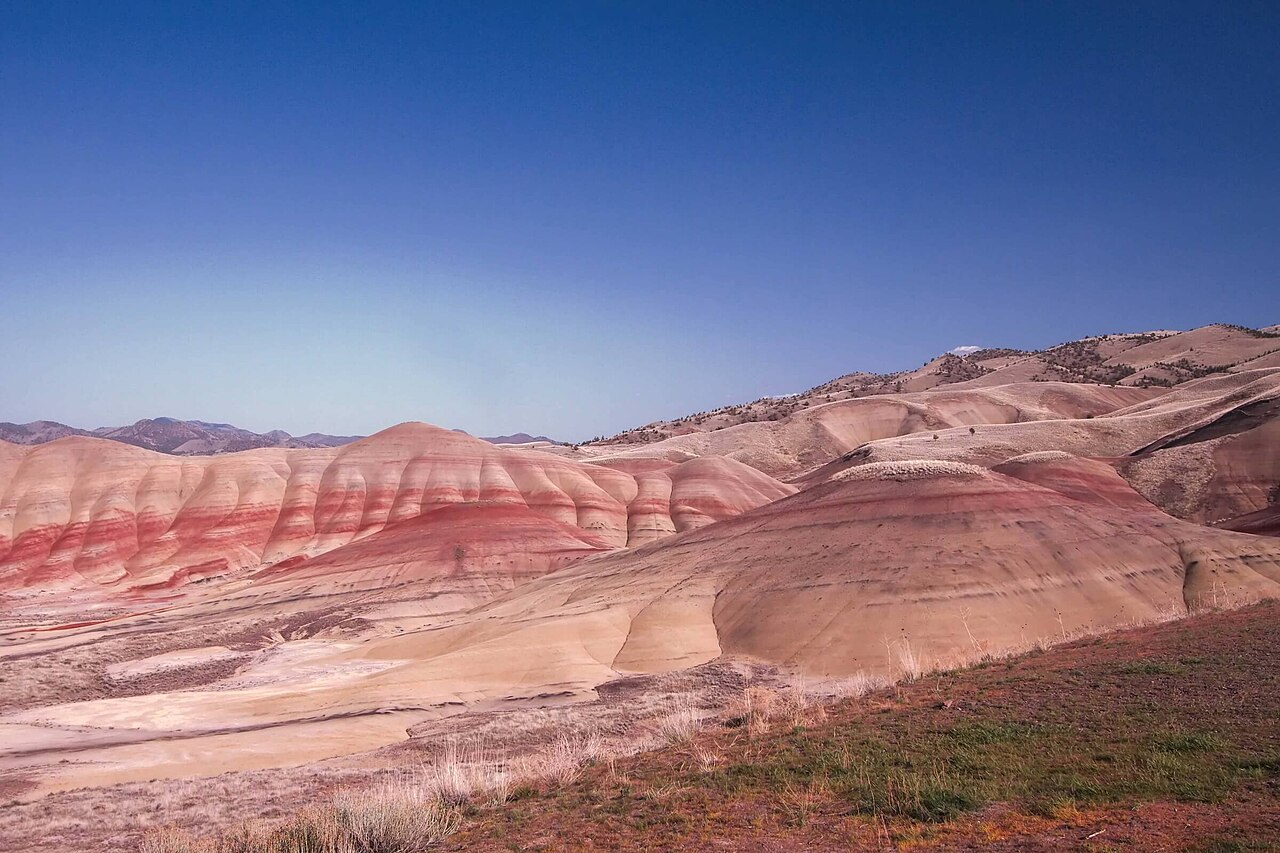
Spring is widely considered the peak season for visiting the Painted Hills. From April through June, the high desert experiences a brief but spectacular bloom of yellow Beehive Clover and other wildflowers that provide a sharp contrast against the ancient, multi-colored mounds. During these months, the clay is often damp from seasonal rains. This is a critical detail, as moisture deepens the saturation of the minerals, making the red hues appear almost crimson rather than a dusty pink.
Temperatures during the spring are generally mild, ranging from the low 50s to the mid-70s, making it ideal for exploring the exposed trails without the risk of heat exhaustion. However, spring weather in Central Oregon can be unpredictable, with sudden rain showers or even a late dusting of snow. You should check the official NPS site for current road conditions, as heavy rain can occasionally affect the gravel access points or make the clay surfaces slippery.
Summer Heat and High Sun
Summer in Central Oregon brings intense sun and soaring temperatures, often exceeding 90 degrees Fahrenheit. Because the Painted Hills landscape offers virtually no shade, midday visits in July and August can be physically taxing. The bright, overhead sun also tends to wash out the geological colors, making the hills appear flatter and more monochromatic. If you visit during the summer, it is highly recommended to arrive at sunrise or stay until sunset when the long shadows define the ridges and the golden hour light brings out the deep ochre tones.
Despite the heat, summer is a popular time for families on road trips. You should pack significantly more water than you think you will need and wear sun protection, including wide-brimmed hats and lightweight long sleeves. Crowds are manageable compared to major national parks, but the small parking lots at trailheads like the Painted Cove can fill up by mid-morning during holiday weekends.
Autumn Clarity and Crisp Air
September and October represent the second best time to visit Painted Hills. The summer heat begins to dissipate, replaced by crisp mornings and clear, blue-sky afternoons that provide a stunning backdrop for photography. The air quality is often at its best during these months, offering long-range views of the surrounding Sutton Mountain and the Ochoco National Forest. Unlike the spring, the hills are usually quite dry in the fall, which gives the clay a softer, pastel quality that many photographers prefer for its subtle transitions.
Autumn also sees a decrease in visitor traffic, allowing for a more solitary experience on the trails. It is a fantastic time for a quiet walk along the Leaf Hill Trail or the Carroll Rim Trail. Nighttime temperatures start to drop significantly in October, sometimes reaching freezing levels, so if you are staying in nearby Mitchell or Prineville, you should prepare for chilly evenings and brisk mornings.
Lock in a stay for this season
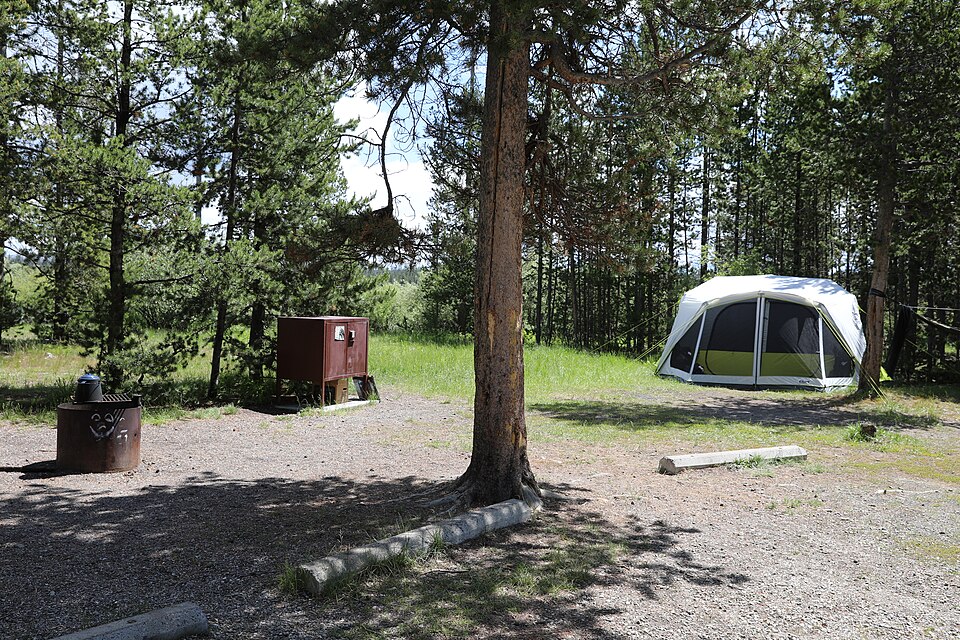
Harvest Hosts stays on the way to Painted Hills
Partner link · Harvest Hosts
Winter Solitude and Snow
Winter is the quietest season at the Painted Hills, offering a rare opportunity to see the landscape covered in a blanket of white. A fresh snowfall creates a striking visual, with the vibrant red stripes peeking through the snow. However, winter travel in this region requires caution. The roads leading into the monument, particularly those winding through the Ochoco Mountains from Prineville, can be icy or snow-covered. You should always check the official park website and state transit reports before heading out.
Services in the nearby town of Mitchell may be more limited during the winter months, with some smaller shops or seasonal lodgings closing their doors. Temperatures frequently stay below freezing, and the wind can be biting across the open desert. While the trails remain open, the clay can become extremely muddy and sticky as the snow melts, making hiking difficult. For those seeking absolute solitude and a unique perspective on the geology, winter is a rewarding time if you come fully prepared for the elements.
Planning for Crowds and Reservations
While the Painted Hills do not currently require a timed-entry reservation system like some larger national parks, the site is growing in popularity. During the peak spring months and holiday weekends, the small parking areas can reach capacity. It is wise to plan your visit for a weekday if possible to avoid the largest groups of travelers. There are no entrance fees for the John Day Fossil Beds National Monument, making it a highly accessible destination for a day trip or an extended stay.
If you are planning to stay in the local area, especially in the town of Mitchell, you should book your accommodations several months in advance. The number of beds in the immediate vicinity is quite small, and they fill up quickly during the wildflower season. Always verify the latest park regulations and trail closures on the official NPS website before your departure, as maintenance or weather events can lead to temporary restrictions on certain areas like the boardwalks.
More ways to book Painted Hills
 Illustrative · Quirkipedia
Red Hill Hike
One of the classic ways to experience Painted Hills.
Varies (estimate)
Partner link · Viator