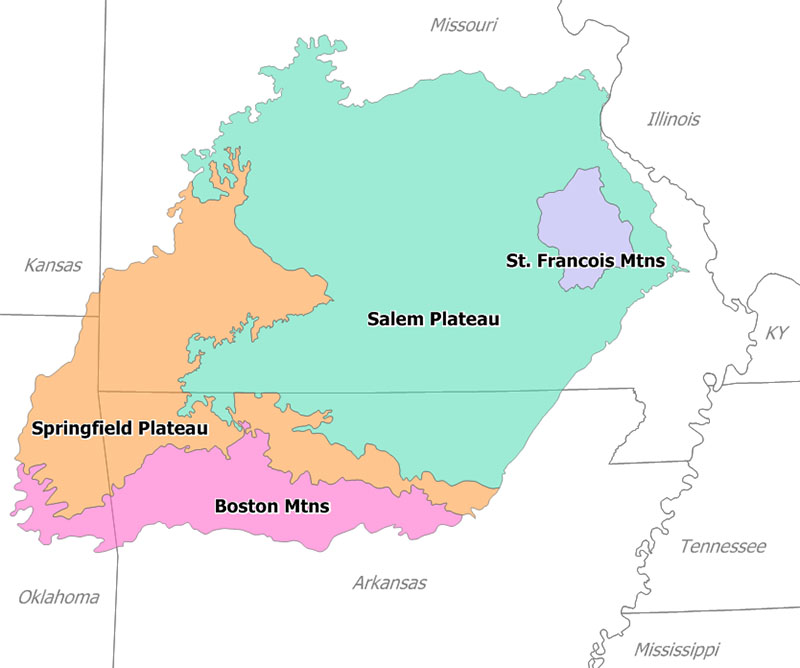
Ozark Mountains glamping can mean a furnished tent, a compact cabin, or another private outdoor stay with more comfort than a basic campsite. The label does not guarantee a bathroom, climate control, or easy road access, so the details matter more than the photos. In the Arkansas Ozarks, choose your area around the hiking, river access, or town time you want, then compare amenities and seasonal suitability.
What to Expect from a Glamping Stay
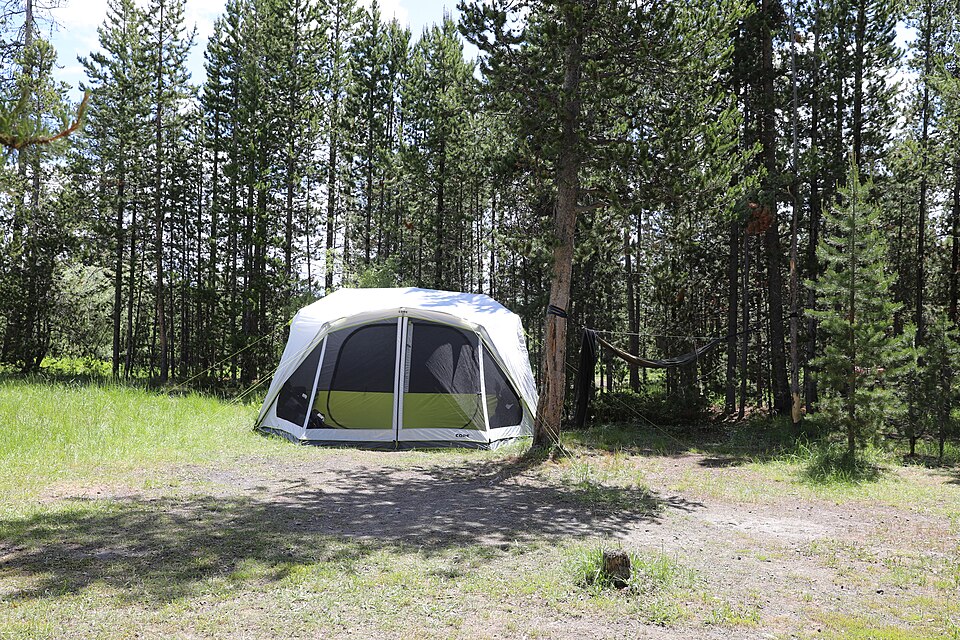
Think of glamping as a range of accommodations rather than a standardized lodging category. A furnished tent may provide a bed and deck but require a walk to a shared bathhouse. A small cabin may offer a private bathroom and kitchenette while feeling closer to conventional lodging. Distinctive structures advertised as domes or treehouse-style stays need the same practical scrutiny as any other rental.
Before reserving, confirm bedding, potable water, electricity, heating or air conditioning, and the exact bathroom arrangement. Ask whether cooking happens indoors, on a covered outdoor setup, or at a shared area. Screened openings matter during warm-weather insect season, and a tent platform does not eliminate humidity. Check how far parking is from the accommodation and whether you must carry gear uphill. For accessibility needs, request specific doorway, surface, step, and bathroom details rather than relying on a broad description.
Choose Jasper, Ponca, or a Different Ozarks Base
Jasper and Ponca are useful search areas for travelers focused on the upper Buffalo National River, Lost Valley, and Boxley Valley. Staying in this part of the Ozarks reduces the temptation to make long cross-region drives before every hike. Compare actual addresses carefully: a property marketed as near the Buffalo may still require a substantial drive to your chosen access or trailhead.
Eureka Springs suits a trip that mixes wooded surroundings with a historic town, while the Mountain View area works for travelers interested in the southeastern Arkansas Ozarks and local music traditions. The western Ozarks and Boston Mountains fit a different trip centered on forest drives and access from northwest Arkansas. These areas are not interchangeable bases. Select your main activity first, map the property-to-trail drive, and only then compare accommodation styles. Avoid letting an appealing rental photo dictate an impractical itinerary.
Match the Accommodation to the Season
Spring glamping pairs well with green hillsides and waterfall outings, but rain makes covered space especially valuable. Ask about muddy approaches, drainage around tent platforms, and where wet boots can dry. Overnight temperatures can remain cool, so confirm whether heating is provided and appropriate for the structure. Do not bring an unapproved heater as a substitute for missing amenities.
Summer makes shade, ventilation, and cooling more important than decorative extras. A tent that looks inviting at sunset may feel quite different on a humid afternoon. Fall is attractive for hiking and foliage, with cool evenings that favor a well-insulated cabin or clearly described heated accommodation. Winter requires closer attention to plumbing, heating, and access roads. In every season, check cancellation policies for disruptive weather and ask how the host communicates access problems. Reserve popular weekend dates once your travel plans are firm.
Glamping vs. Tent Camping vs. RV Travel
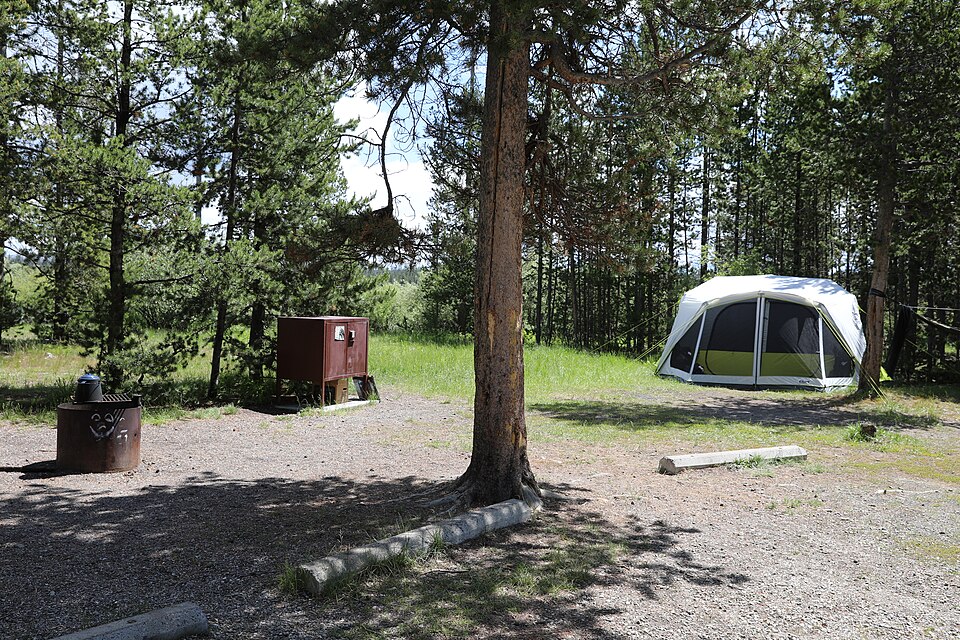
Glamping is often the easiest option for travelers who want an outdoor setting without transporting a full sleeping setup. You may still need food, cooking supplies, and weather layers, but a supplied bed can simplify a short flying trip. Costs are usually higher than a basic campsite, though the difference depends on amenities, season, occupancy, and added fees. Compare complete rough trip estimates rather than nightly rates alone.
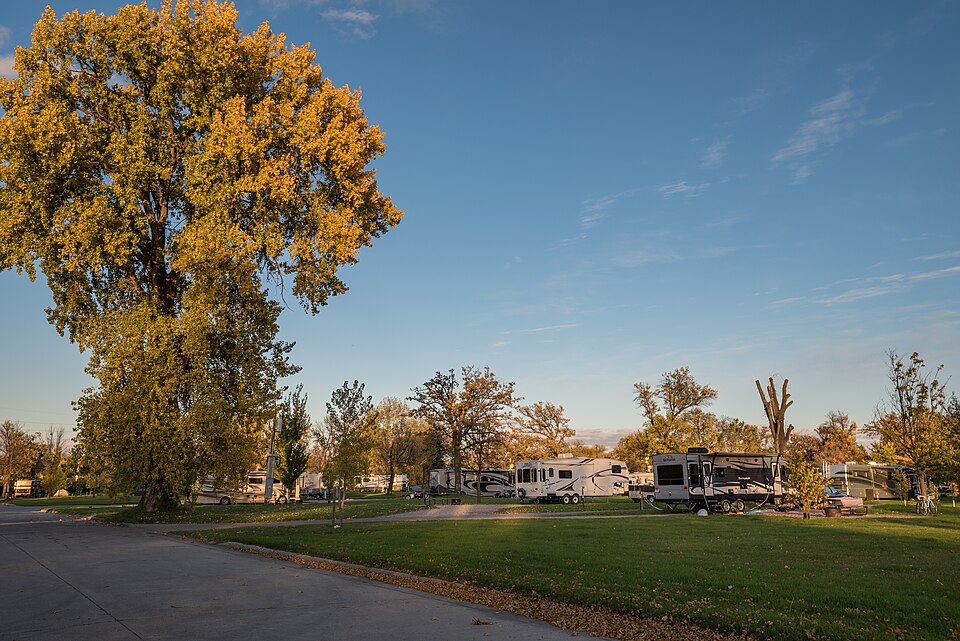
Tent camping gives you more control over gear and can keep lodging spending lower, but you handle shelter, bedding, and wet-weather comfort yourself. An RV provides a familiar sleeping space and storage, yet requires suitable roads, parking, and a campsite that fits the vehicle. Hookups are not universal. Check official campground details for length limits, utilities, and reservations. For a two- to four-day visit, avoid changing accommodation types unless the move meaningfully improves your route.
Booking Questions That Prevent Unwelcome Surprises
Before paying, check the full cost estimate, including cleaning charges, minimum stays, extra-guest fees, and any pet charges. Confirm whether linens and towels are included and whether meals require bringing all supplies. Read the road description closely; gravel, steep grades, and limited turnaround space matter for low-clearance cars or larger vehicles. Ask about mobile reception or internet only if those services are necessary to your trip.
Outdoor amenities also need context. A fire pit does not guarantee that fires are permitted during your stay, and advertised river proximity does not establish public access or suitable paddling conditions. Verify property boundaries, quiet-hour expectations, and food-storage instructions. Use the official Buffalo National River, Arkansas State Parks, or Ozark National Forest website for current conditions and public-land reservations. Private lodging can provide a comfortable base, but it does not replace checking the rules and conditions for each outdoor activity.