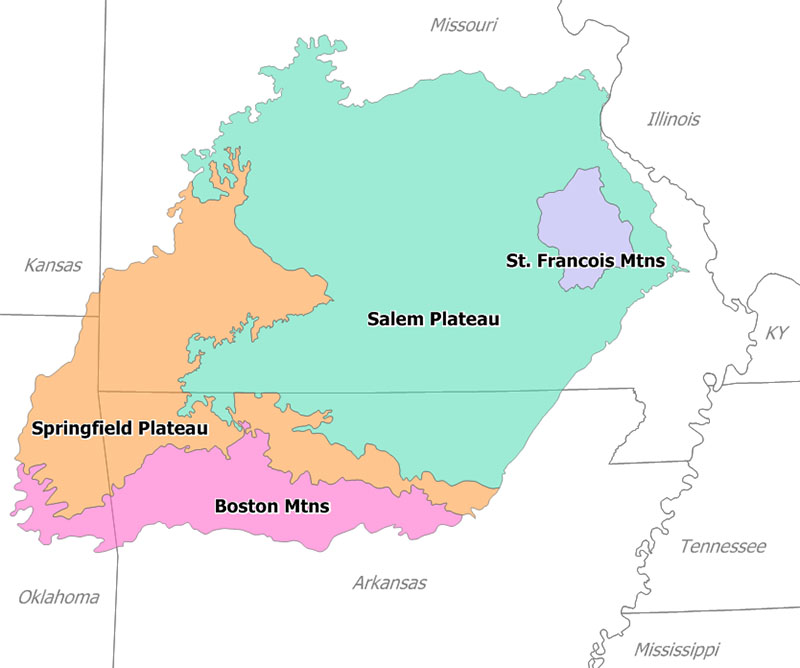
The best time to visit the Arkansas Ozarks depends on whether you want flowing creeks, swimming weather, or cool days beneath colorful hardwoods. Spring and fall generally suit hiking, while summer draws travelers to the Buffalo National River and shaded campgrounds. For a two- to four-day trip, choose one part of the region and leave room to adjust your plans around rain, river levels, and mountain-road travel.
Spring: Waterfalls, Wildflowers, and Changeable Weather
Spring brings fresh leaves, woodland wildflowers, and a better chance of seeing waterfalls flowing in the Arkansas Ozarks. The Ponca and Jasper area makes a useful base for exploring the upper Buffalo River country, while the Ozark National Forest offers additional trails and creek scenery. Lost Valley is a popular outing, though wet rocks and uneven footing deserve attention.
Rain is both the attraction and the complication. Creeks can rise quickly, trails can turn muddy, and a river trip that works one week may not work the next. Carry a rain layer and avoid treating any crossing as routine. For camping, pack for chilly nights even when the afternoon feels warm. Reserve established campsites or cabins once your dates are firm, especially for spring weekends, and check official park and forest notices before leaving home.
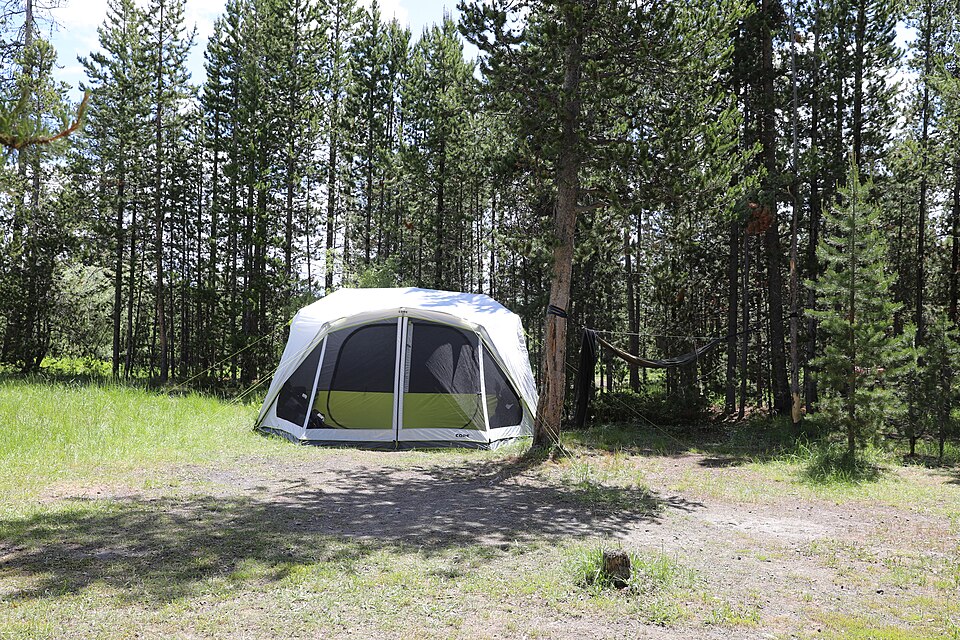
Lock in a stay for this season
RV parks near Ozark Mountains on RoverPass
Partner link · RoverPass
Summer: River Time and Early Starts
Summer is a good fit for travelers who want long daylight hours, campground evenings, and time near the water. Heat and humidity make exposed climbs less appealing by midday, so start hikes early and save a shaded picnic or relaxed town stop for the afternoon. Around the Buffalo National River, remember that swimming access and paddling conditions are different questions: a pleasant riverside spot does not mean a nearby float section has enough water.
The upper Buffalo often becomes less dependable for paddling as dry weather continues. Ask an authorized outfitter about current conditions rather than choosing a section from photographs alone. Popular river access areas and developed campgrounds can be busy on summer weekends. Book lodging ahead, carry ample drinking water, and plan an alternate activity if thunderstorms or river conditions change your day.
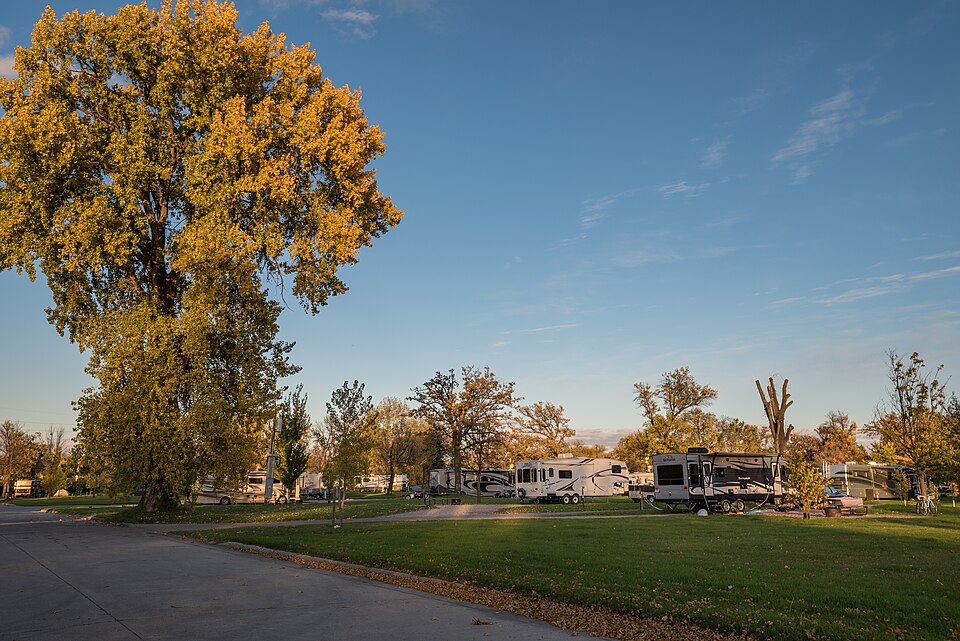
Lock in a stay for this season
Campsites near Ozark Mountains on Campspot
Partner link · Campspot
Fall: Hiking Weather and Colorful Drives
Fall often offers the most comfortable balance for a hiking-focused Ozarks trip. Cooler days suit longer walks, and the hardwood forests bring seasonal color to bluff overlooks and winding roads. Color timing changes with elevation and weather, so think in terms of a broad autumn window rather than a guaranteed peak weekend. Jasper, Ponca, and the Boston Mountains are useful areas for combining trails with scenic driving.
Arkansas Highway 7 and the Highway 23 corridor known as the Pig Trail offer wooded mountain scenery, but they belong to different route plans. Choose one corridor rather than spending your short trip linking every famous road. Expect extra demand for cabins, campsites, and scenic pullouts during colorful weekends. Reserve early once dates are settled, bring layers for cool mornings, and remember that shorter daylight limits how much hiking fits comfortably into a day.
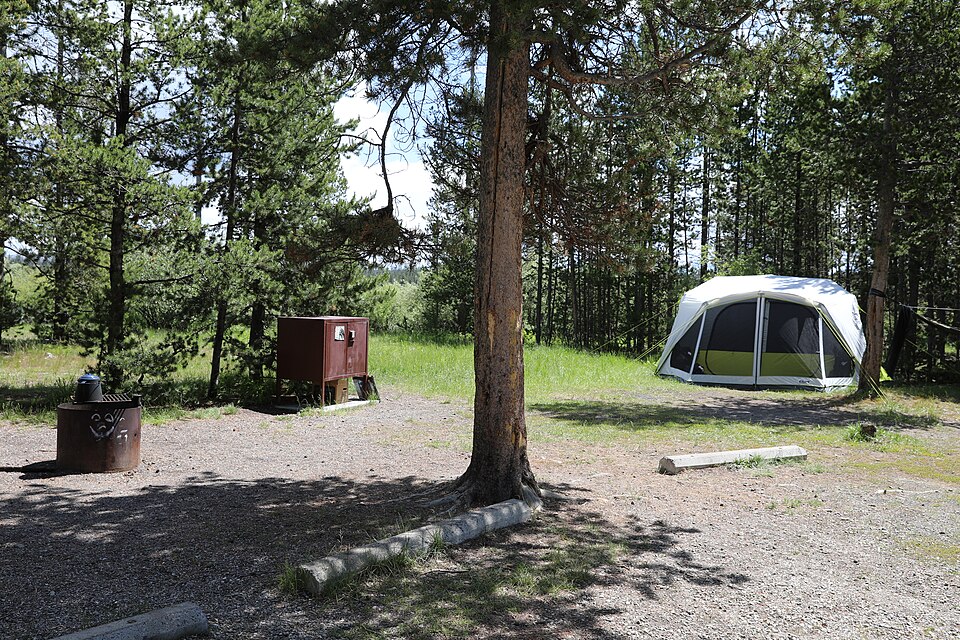
Lock in a stay for this season
Harvest Hosts stays on the way to Ozark Mountains
Partner link · Harvest Hosts
Winter: Quiet Roadsides and Shorter Outings
Winter is the quieter alternative for travelers who value bare-tree views and uncrowded trailheads more than warm evenings outside. Leafless woods can reveal rock formations and valley contours that summer foliage hides. A cabin near Jasper or another established gateway can work better than a tent if your main goal is a few short hikes between restful indoor breaks.
The tradeoff is greater weather uncertainty. Freezing temperatures, occasional snow, and ice can affect trails and steep, curving roads. Water systems and other campground facilities may be winterized, and some visitor services operate seasonally. Do not assume a campground provides the same amenities year-round. Check the National Park Service or USDA Forest Service website for closures and facility updates. Keep driving plans modest, avoid remote road shortcuts during poor weather, and choose lodging with clearly described heating and access arrangements.
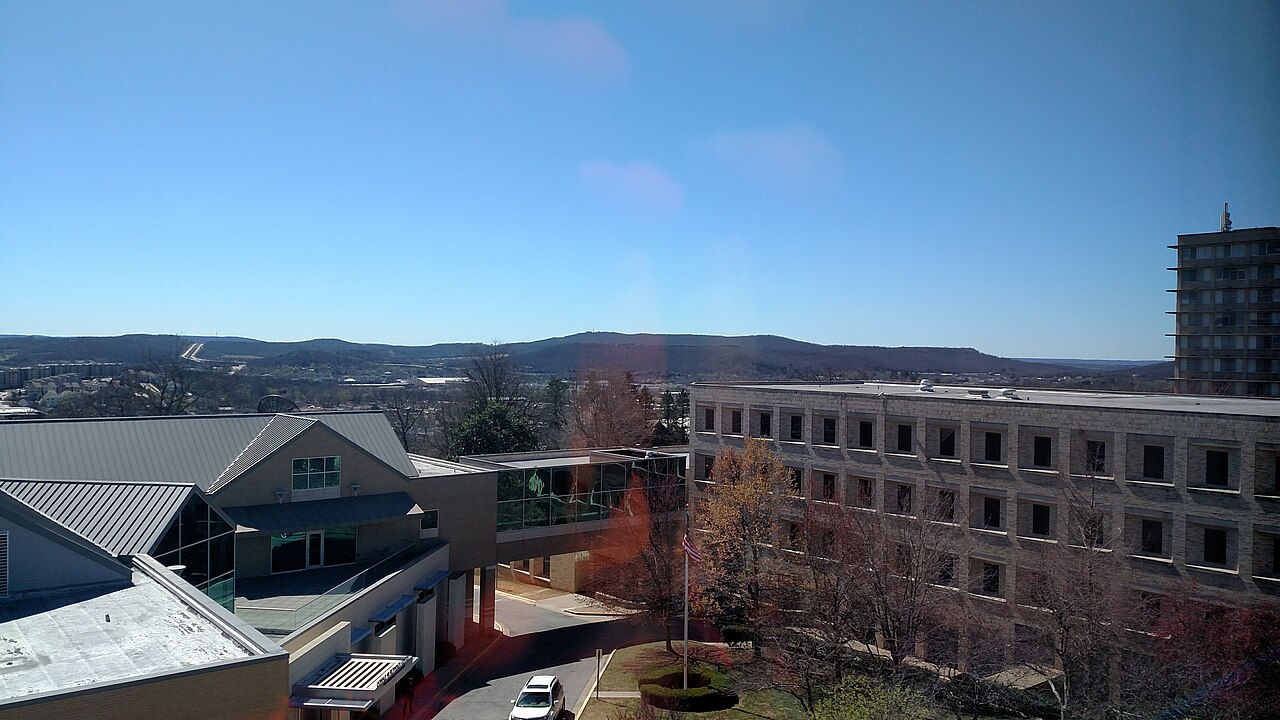
When to Reserve and How to Avoid the Busiest Periods
For the simplest planning, separate what requires a reservation from what requires a conditions check. Lodging, reservable campsites, and guided or outfitted activities deserve attention as soon as your dates are fixed. Fall weekends, summer holidays, and pleasant spring weekends can draw strong demand. There is no single booking window for the whole Ozarks: reservation rules differ among NPS campgrounds, state parks, forest sites, and private properties.
Weekdays generally provide more flexibility than weekends, though popular trailheads can still fill during good weather. A late arrival is not a reliable strategy for finding a first-come campsite. Before booking, compare cancellation terms and check whether your chosen campground accepts reservations or operates differently by season. Shortly before departure, revisit the official Buffalo National River, Arkansas State Parks, or Ozark National Forest website for current conditions, access restrictions, and reservation links.
More ways to book Ozark Mountains
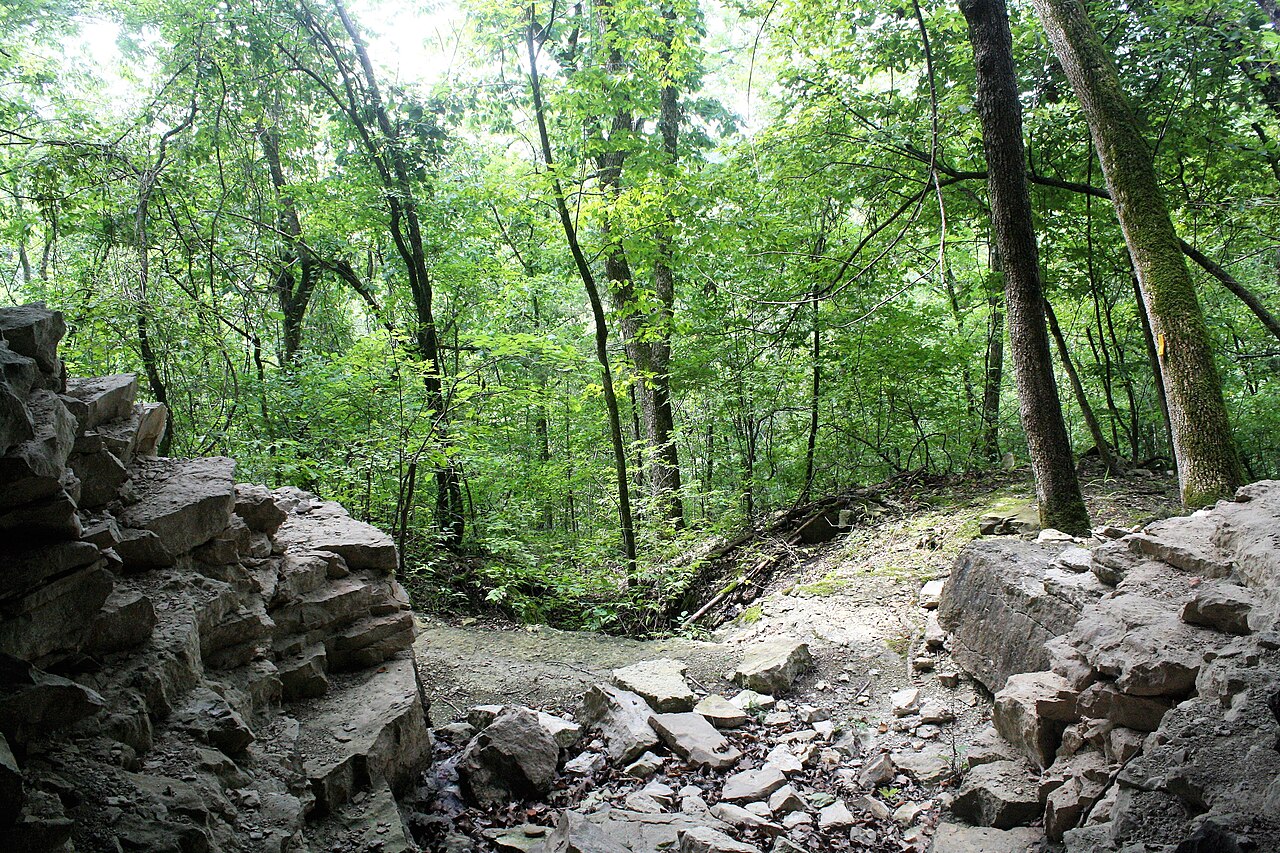 Illustrative · Brandonrush
Blanchard Springs Caverns Tour
One of the classic ways to experience Ozark Mountains.
Varies (estimate)
Partner link · Viator