
North Shore Oahu rewards a slower approach: choose a stretch of coast, make a few thoughtful stops, and leave time to watch the ocean. Haleiwa, Waimea Bay, Pupukea, and the beaches toward Kahuku offer very different experiences within the same region. Over three to five days, you can mix surf watching, coastal walking, local food, and condition-dependent water time without turning every outing into a parking search.
Explore Haleiwa and the famous surf coast
Start in Haleiwa for a walk through the town's shops, galleries, and casual food stops. It is a useful place to get oriented before following Kamehameha Highway along the surf coast. Keep sidewalks and driveways clear, use designated parking, and allow time for a meal rather than treating the town as a quick photo stop between beaches.
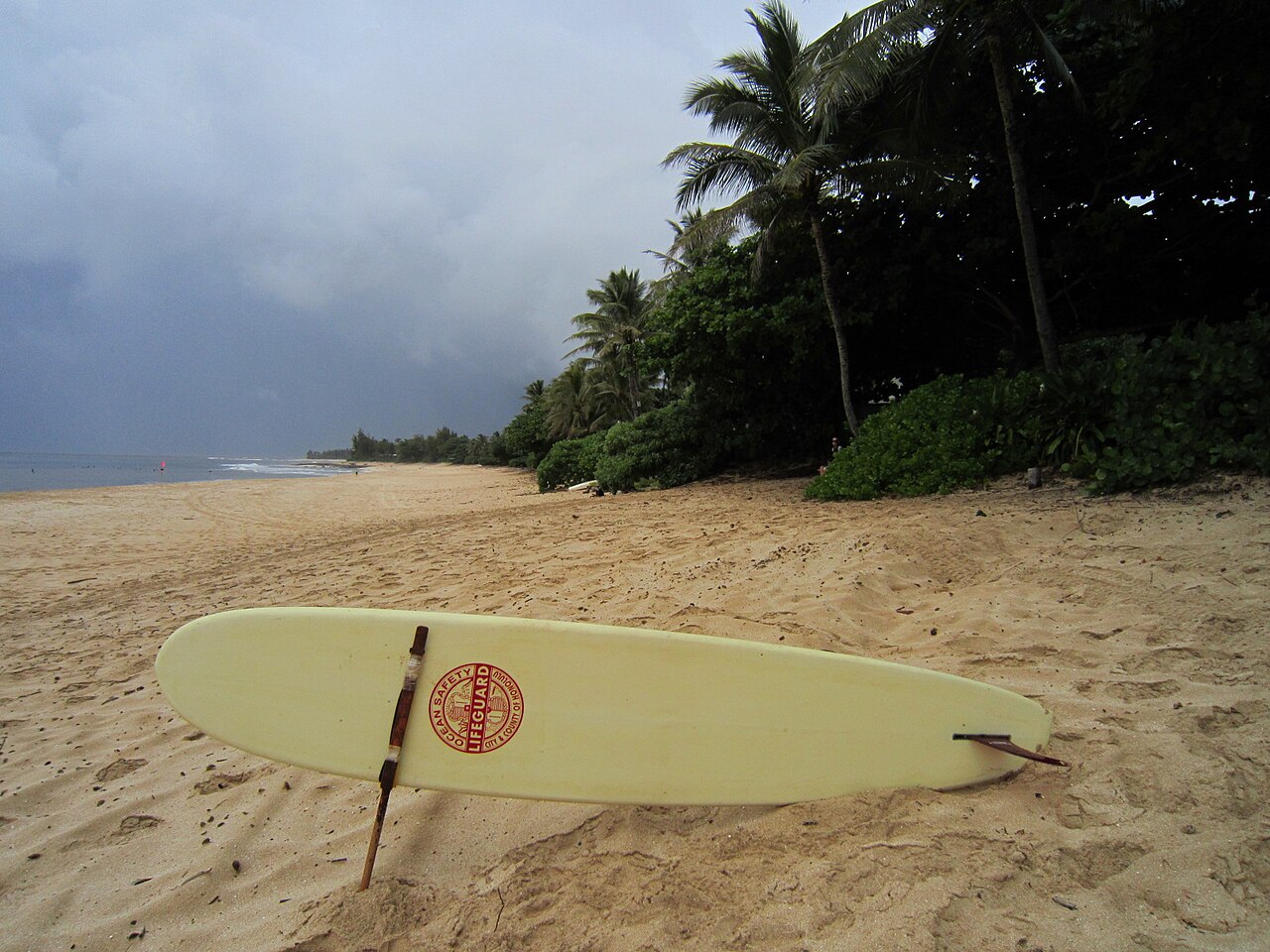
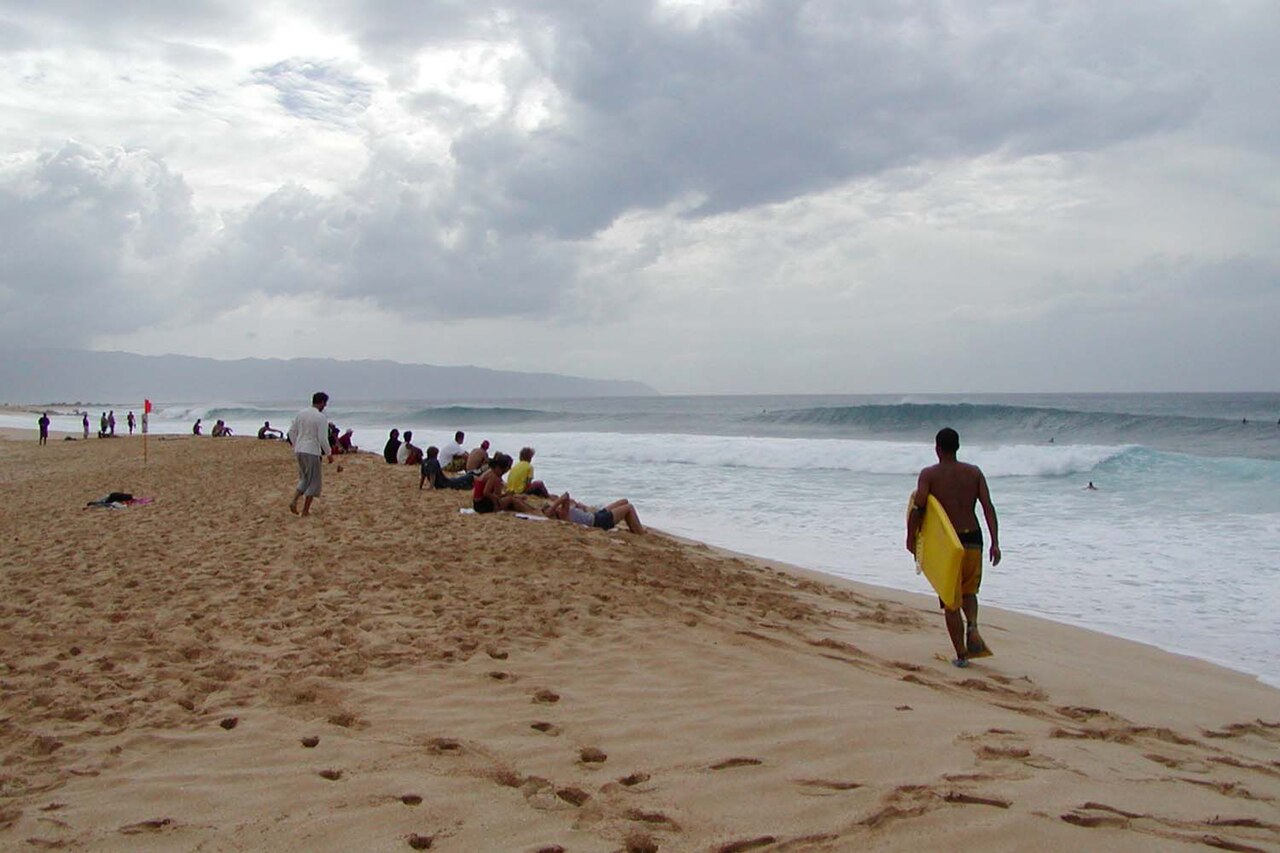
Continue toward Waimea Bay, Ehukai Beach Park, and Sunset Beach, choosing one or two rather than trying to stop everywhere. In winter, the main attraction may be watching skilled surfers from shore; in summer, the same coastline can look remarkably different. Stay well back from breaking waves and respect closures or lifeguard directions. Surf lessons are another option when offered in appropriate conditions, but beginners should use a qualified instructor rather than heading out independently at a famous advanced break.
Walk Waimea Valley or explore toward Kaena Point
Waimea Valley pairs botanical scenery with Hawaiian cultural interpretation, offering a different pace from the beach corridor. Its main visitor route leads through a landscaped valley toward a waterfall. Treat waterfall access and any swimming as conditional: weather, water quality, and on-site rules can change what is available. Check the attraction's official website before planning your visit, and bring walking shoes even if your day also includes a beach.
For a more exposed coastal outing, consider the Mokuleia side of Kaena Point State Park. The coastal trail toward the natural area has little shade and requires water, sun protection, and enough time to turn around comfortably. Stay on established routes and follow wildlife-protection signs. Check the official Hawaii state parks website for access conditions and restrictions; do not assume a rental vehicle can travel beyond the public road or onto rough tracks.
Choose water activities around conditions and wildlife
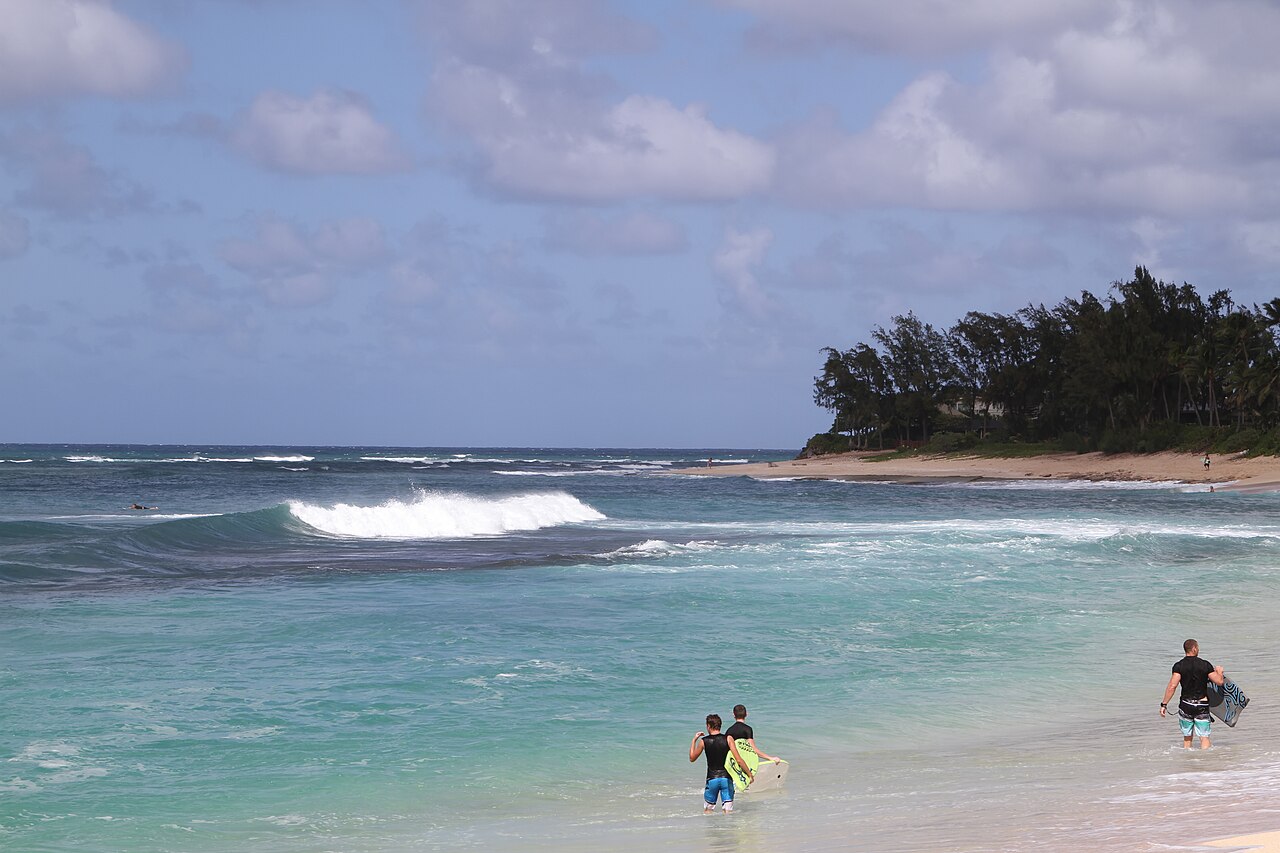
Snorkeling around Pupukea can be rewarding during calm conditions, especially in the summer pattern of smaller North Shore surf. Rocky entries, shallow reef, and changing water movement make site selection important. Look for current advisories, ask lifeguards where available, and stay out during large surf. Avoid touching coral, and never stand on reef to adjust equipment or take a photo.
Hawaiian green sea turtles sometimes appear along North Shore beaches, including Laniakea, but sightings are never guaranteed. Watch from a respectful distance, keep their route to the water open, and follow posted guidance or instructions from wildlife volunteers. Hawaiian monk seals also need undisturbed space; never cross a protective boundary for a closer view. For any wildlife stop, park legally and avoid sudden roadside stops. A quiet observation from farther away is better than crowding an animal or creating a traffic hazard.
Plan a family day with fewer transitions
With kids, a compact day usually works better than a checklist of famous beaches. Start with breakfast in Haleiwa, choose one beach with lifeguards and conditions appropriate for your family, and finish with a shaded meal or a short town walk. Build in bathroom stops and carry drinking water, snacks, and sun protection rather than assuming every shoreline access has full facilities.
Waimea Valley can be a useful non-beach outing for families who enjoy plants, birds, and cultural context. Confirm current accessibility details directly if you are bringing a stroller or need step-free routes. At any beach, shorebreak can be strong even close to the sand, so supervise children closely and follow lifeguard advice. Skip cliff jumping and rough-water entries. If the ocean is unsuitable, watching waves from well back on shore can still give children a memorable sense of the North Shore.
Use rainy days for town time and flexible sightseeing
A passing shower does not always end a coastal day, but sustained rain changes the choices. Start with Haleiwa's galleries, shops, and an unhurried meal, moving between indoor stops as conditions allow. The North Shore has fewer large indoor attractions than Honolulu, so a full wet-weather day may be a good time for an urban excursion if road conditions and your schedule support it.
Avoid substituting a muddy hike or stream outing simply because the beach forecast looks poor. Heavy rain can cause flash flooding, and runoff can affect nearshore water quality. Check official weather alerts, road updates, and Hawaii water-quality advisories before changing plans. Waimea Valley is still an outdoor experience, not a guaranteed rainy-day refuge. Keep a backup list of food stops and short, legal scenic pullouts, and accept a slower afternoon rather than forcing a long drive through worsening weather.