
The best time to visit North Shore Oahu depends on whether you want to watch powerful surf or spend more time near gentler water. Winter brings the famous waves, while summer usually offers calmer ocean conditions along this coastline. For a three- to five-day stay, choose your season around your main activity, then keep enough flexibility to adjust beach plans to the daily forecast and posted warnings.
Winter: Big surf and busy beach lookouts
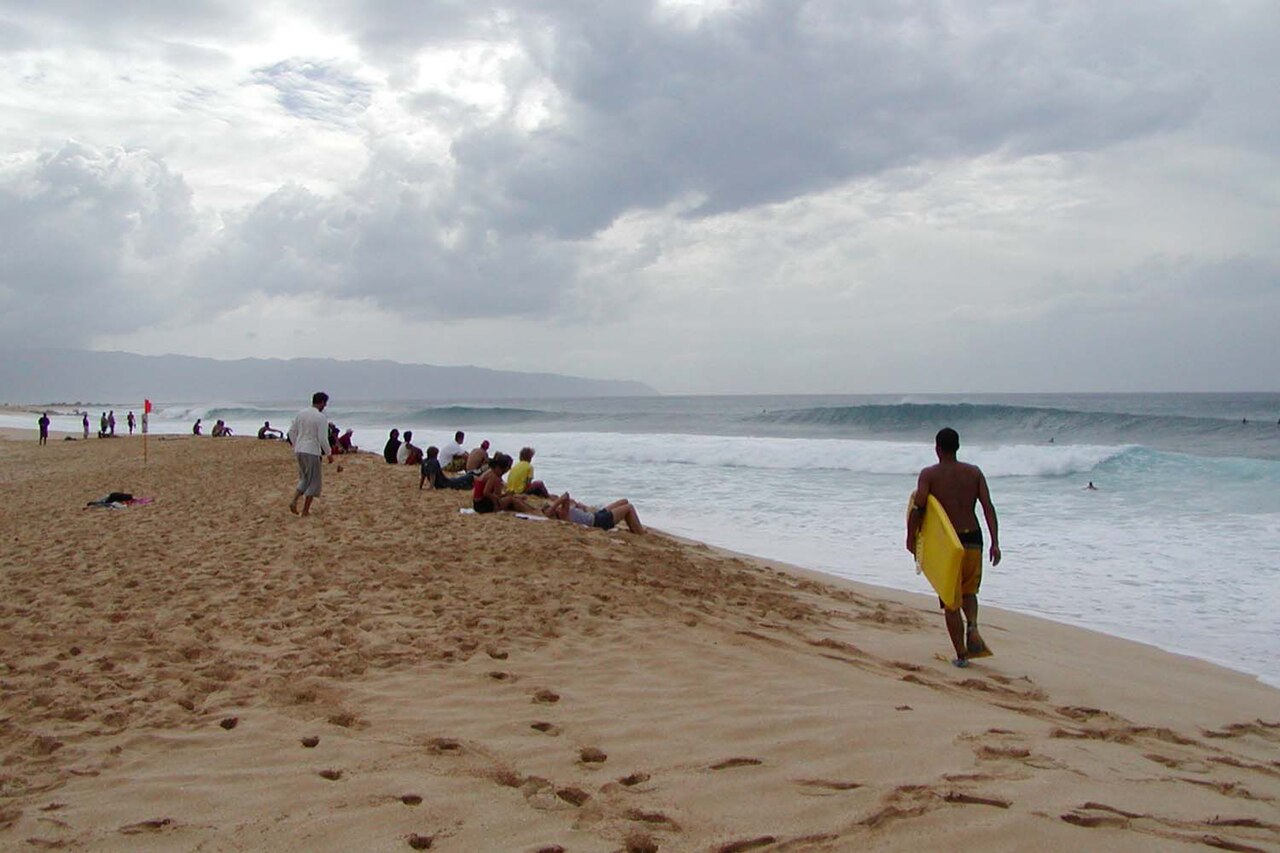
Winter is the signature season for North Shore surf watching. From roughly November through February, North Pacific swells can send large waves toward Waimea Bay, Sunset Beach, and the reef breaks around Ehukai Beach Park. Watching experienced surfers from a dry, established viewing area can be the highlight of a visit, but this is not the season to assume a famous beach is suitable for casual swimming.
Surf events operate around ocean conditions, so competition schedules can change. Event days and major swell arrivals also bring heavier traffic on Kamehameha Highway and strong demand for parking. Start early, use designated spaces, and never block residential access. Winter weather includes passing showers and occasionally prolonged rain. Bring a light rain layer, and check ocean advisories before heading out; powerful shorebreak and wave run-up can affect the sand as well as the water.
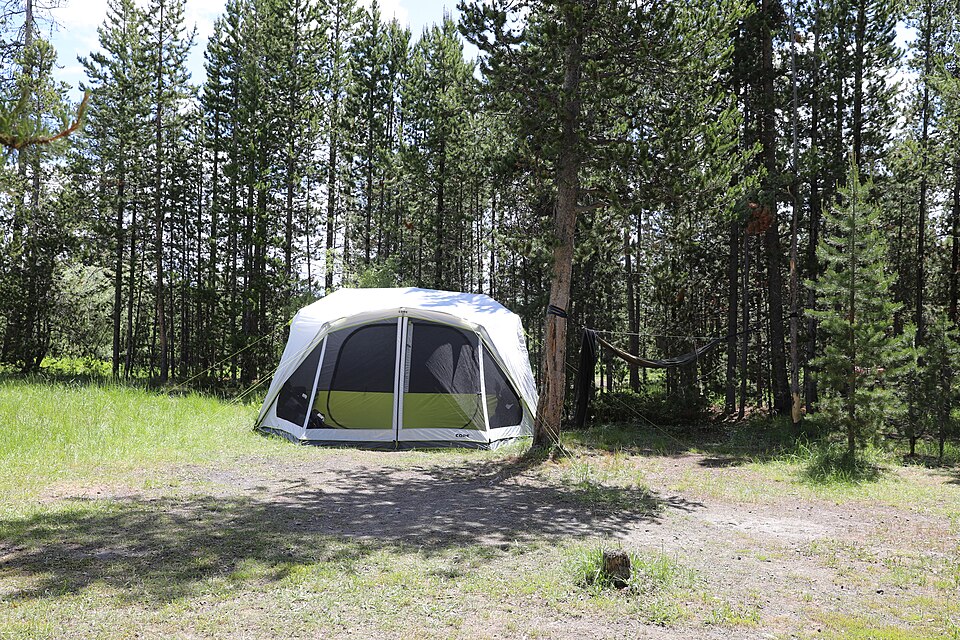
Lock in a stay for this season
RV parks near North Shore Oahu on RoverPass
Partner link · RoverPass
Spring: Flexible days between surf and summer
March through May can suit travelers who want a mix of coastal scenery, town time, and beach outings without building the entire trip around winter surf. Large swells remain possible, especially earlier in spring, and rainfall does not follow a tidy cutoff date. Think of this as a transition period rather than a promise of calm water or empty beaches.
Base your day on the actual conditions. A rough-ocean morning could work well for browsing Haleiwa, visiting Waimea Valley, or driving toward Kahuku with a few legal roadside stops. If a beach has favorable conditions, choose a lifeguarded location and ask about hazards before entering. Spring break and holiday periods can still be busy, so compare lodging availability before committing to flights. For quieter sightseeing, weekday mornings generally give you more breathing room than weekend afternoons along the main coastal road.
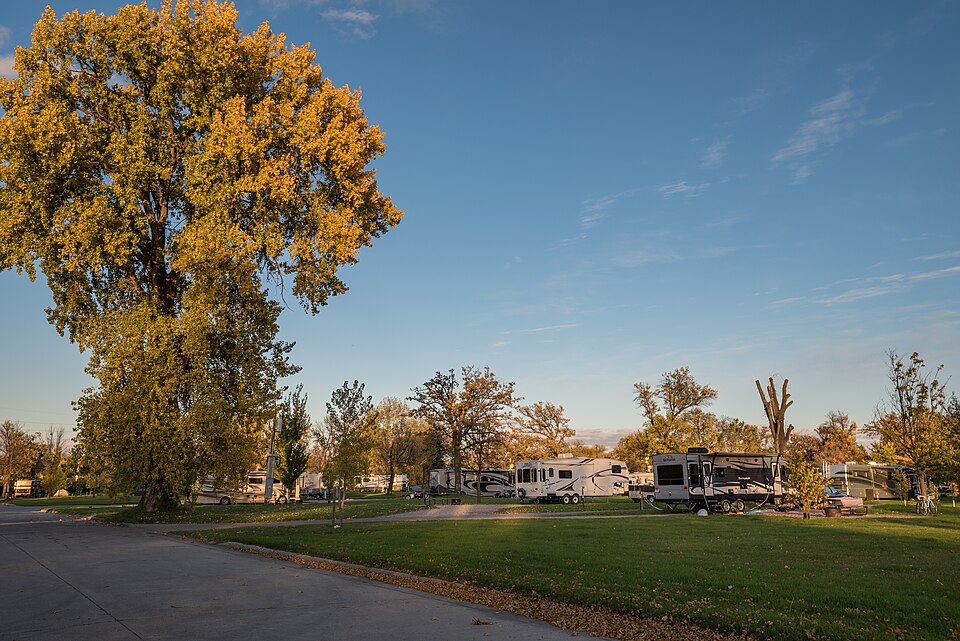
Lock in a stay for this season
Campsites near North Shore Oahu on Campspot
Partner link · Campspot
Summer: Calmer water, longer beach outings
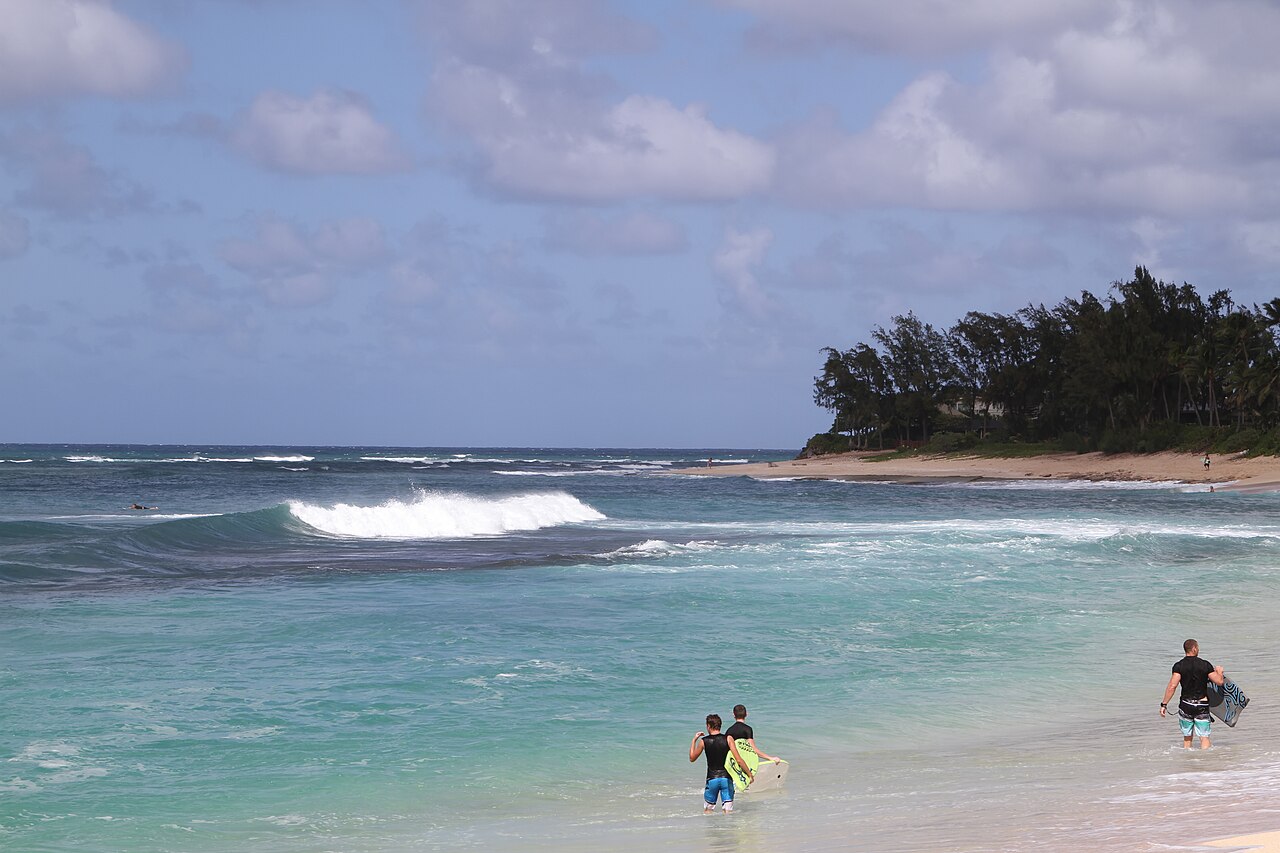
June through August usually brings smaller surf to the North Shore, making summer the most practical starting point for travelers prioritizing swimming and snorkeling. That seasonal pattern is not a daily guarantee: currents, shorebreak, wind, and occasional swells still matter. Check with lifeguards, read posted signs, and skip entering the water when conditions exceed your experience.
Pupukea's rocky shoreline, including the area commonly called Sharks Cove, attracts snorkelers when conditions cooperate. Its uneven entries and shallow rocks require care, and it is not an all-weather swimming area. Summer also brings family vacation crowds, busy parking lots, and strong midday sun. Plan one main beach stop instead of repeatedly moving the car, carry water, and use established access paths. Reserve lodging and any guided activities ahead for school-break dates, and leave part of each day open for shade, food, and a slower afternoon.
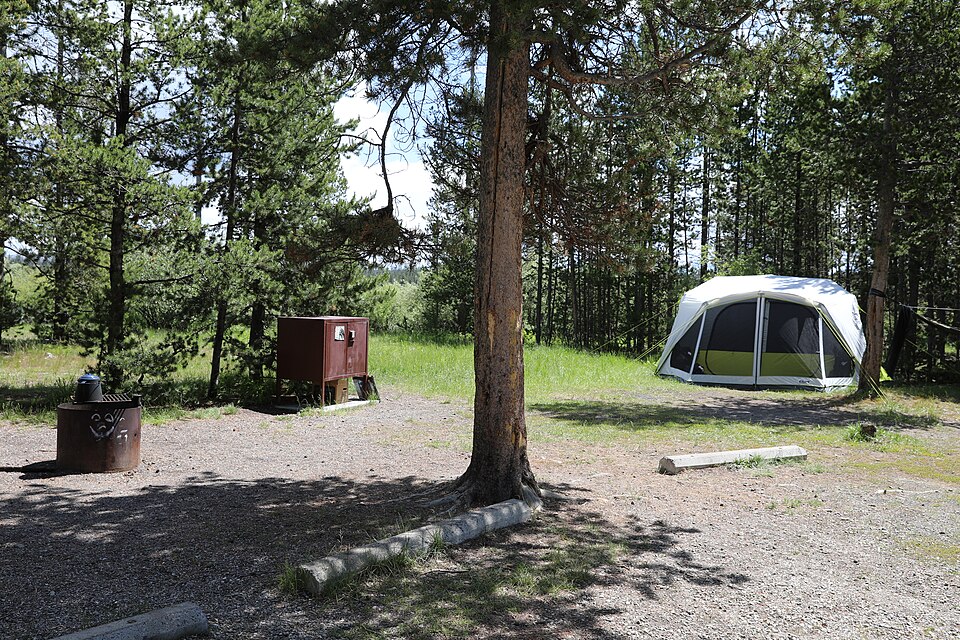
Lock in a stay for this season
Harvest Hosts stays on the way to North Shore Oahu
Partner link · Harvest Hosts
Fall: A quieter-feeling transition with changing seas
September and October often appeal to visitors who can travel outside school holidays. The coast may feel less pressured than during peak summer vacation weeks, although popular beach parking remains limited year-round. Early fall can retain summerlike ocean conditions, while the first significant winter-style swells may arrive as the season progresses. Choose dates for flexibility, not a guaranteed combination of low crowds and calm seas.
This is a useful season for splitting your time between Haleiwa, the western coast toward Waialua, and the beach corridor running toward Kahuku. Put water activities earlier in your stay so you have another chance if the first day is unsuitable. Rain showers remain possible, and Hawaii's hurricane season runs from June through November. Check forecasts before departure and during your visit, particularly if a tropical system could affect weather, surf, or transportation.
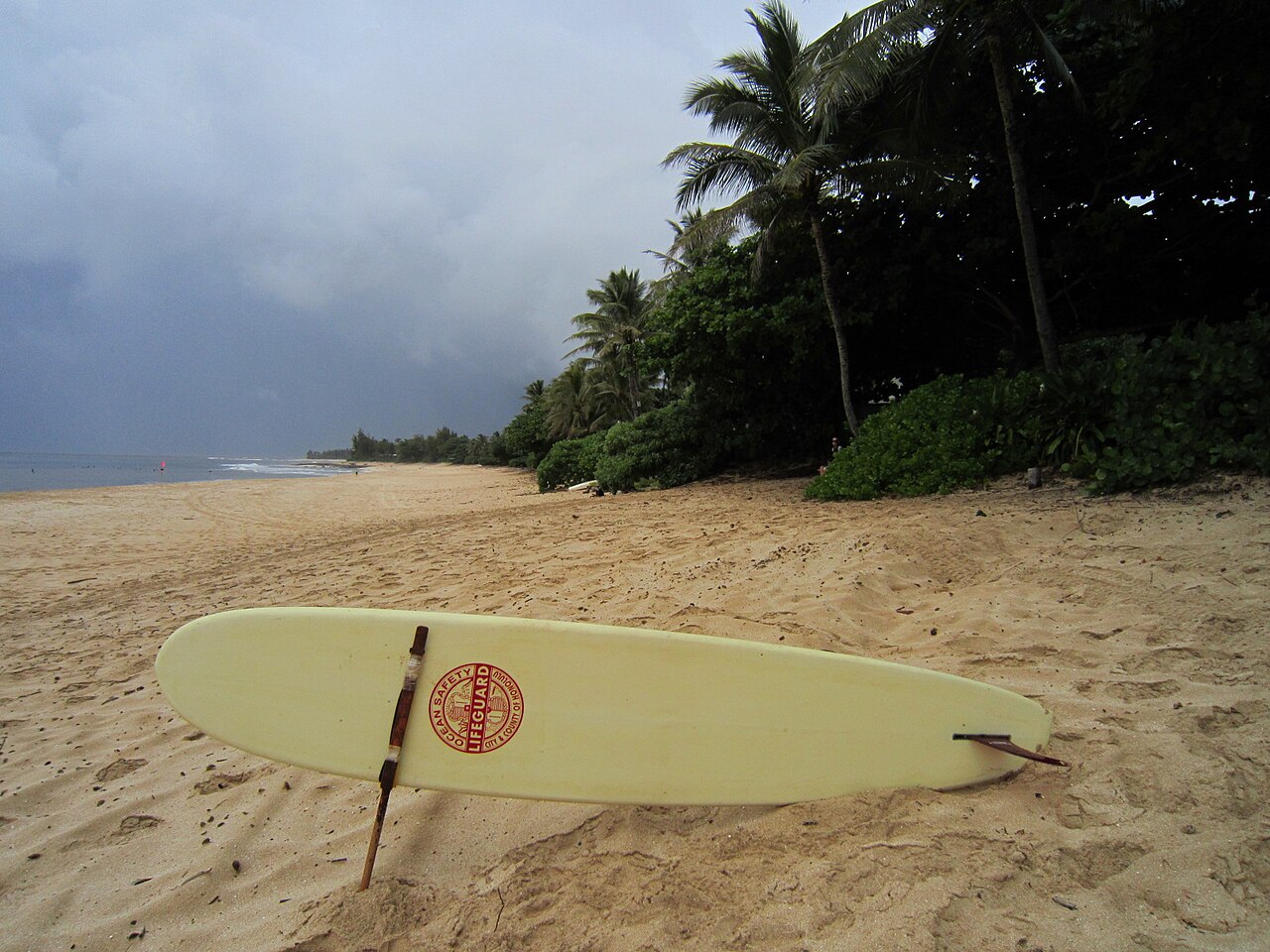
When to book and what to check
For winter surf dates, major holidays, and summer school breaks, begin comparing accommodation several months ahead. North Shore lodging choices are more limited than in Honolulu, and legal camping or specialty outdoor stays can involve separate reservation systems. There is no universal booking window: check each property's cancellation terms and the official agency page for the specific campsite or park you want.
A rental car makes scattered coastal stops easier, but traffic can turn a short distance into a slow outing. Avoid tightly linking an airport arrival, a timed activity, and a sunset stop on the same day. Before traveling, review official Honolulu park and Hawaii state park websites for closures, permits, and reservation requirements. Use official weather and ocean-condition updates for daily decisions. For Waimea Valley and any other managed attraction, confirm current access directly rather than relying on an old itinerary.
More ways to book North Shore Oahu
 Illustrative · Tony Hisgett from Birmingham, UK
Sunset Beach Stroll
One of the classic ways to experience North Shore Oahu.
Varies (estimate)
Partner link · Viator