
North Shore Oahu glamping is better approached as a search for a legal, comfortable outdoor stay than as a promise of beachfront luxury tents. Inventory and permitted uses vary, and a listing described as glamping may mean a furnished tent, a simple cabin, or another nature-oriented setup. For a three- to five-day visit, focus first on location, bathrooms, weather protection, and confirmed overnight permission, then consider decorative extras.
What glamping can mean on the North Shore
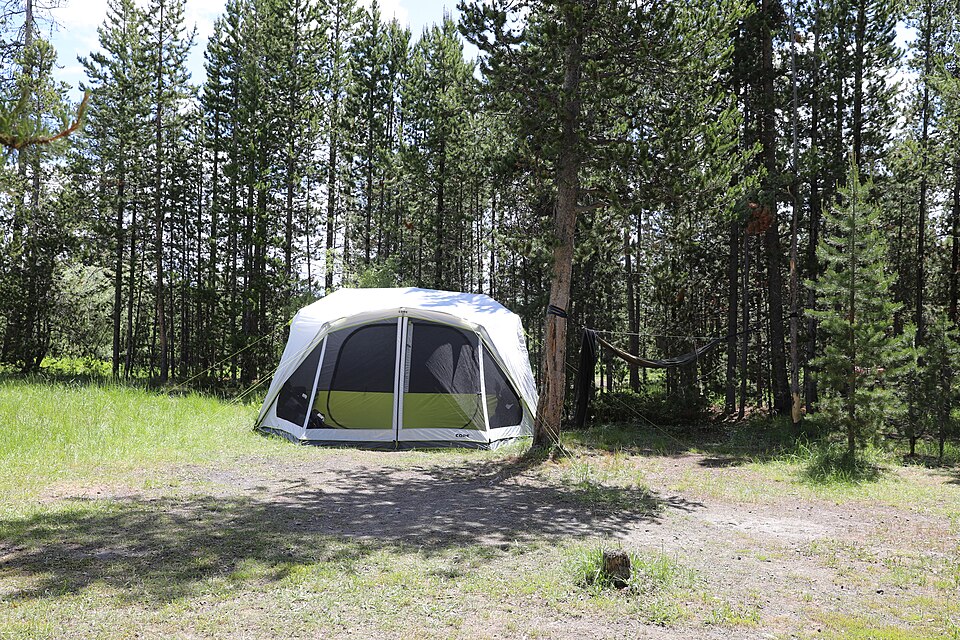
The word glamping does not tell you exactly what a property provides. A furnished tent may include a bed but require shared bathrooms, while a cabin-style stay may offer more shelter without hotel-style services. Some listings emphasize outdoor living yet sit close to neighbors or a busy road. Confirm the physical setup with recent photos and written details before paying a deposit.
Ask about ventilation, insect screens, bedding, potable water, showers, toilets, electricity, and food storage. Find out whether you park beside the unit or carry your bags, and whether cooking is permitted. Oceanfront descriptions deserve extra scrutiny: proximity to the shoreline does not establish legal overnight use or suitable swimming. Verify that the stay is authorized for its advertised purpose, and review cancellation terms for weather disruption. Do not assume a public beach park allows a privately furnished tent simply because daytime beach access is open.
Where to look: Haleiwa, Waialua, and the eastern coast
Use Haleiwa as your geographic reference if food options, shops, and access to the main surf corridor matter most. Search the wider Waialua and Mokuleia area if you prefer a more rural setting and plan to explore the western coastline. These are search areas, not assurances that a particular type of glamping accommodation will be available for your dates.
Farther east, the Pupukea-to-Kahuku corridor places you near famous beaches and the northeastern coast, but services and walking access vary by exact address. Check the map carefully: a short straight-line distance can hide an inconvenient drive or a road without comfortable pedestrian access. Ask about nighttime noise, shared grounds, and the distance to groceries. If legal outdoor-style lodging is unavailable, a conventional North Shore base paired with full days outside may be a more practical choice than stretching your search to an unsuitable or unauthorized site.
Choose the season for comfort, not just the view
Summer's generally smaller North Shore surf can make a beach-focused outdoor stay more appealing, but tents and lightly insulated cabins may feel warm. Shade, airflow, and reliable drinking water matter more than staged photographs. Ask whether the sleeping area has screened ventilation and what happens during passing rain. Any season can bring showers, humidity, and wind that affect outdoor cooking or lounging.
Winter appeals to surf watchers, yet exposed accommodation can feel very different during wet, windy weather. Confirm that the operator has clear procedures for severe conditions and understand the refund or relocation policy without assuming either is guaranteed. Keep beach equipment and bedding protected from moisture, and pack a light rain layer. Book popular holiday and surf-season dates ahead when availability supports it. Before departure, check official forecasts and park notices, and avoid selecting a stay solely because it appears close to breaking waves.
Glamping versus camping, cabins, and RV travel
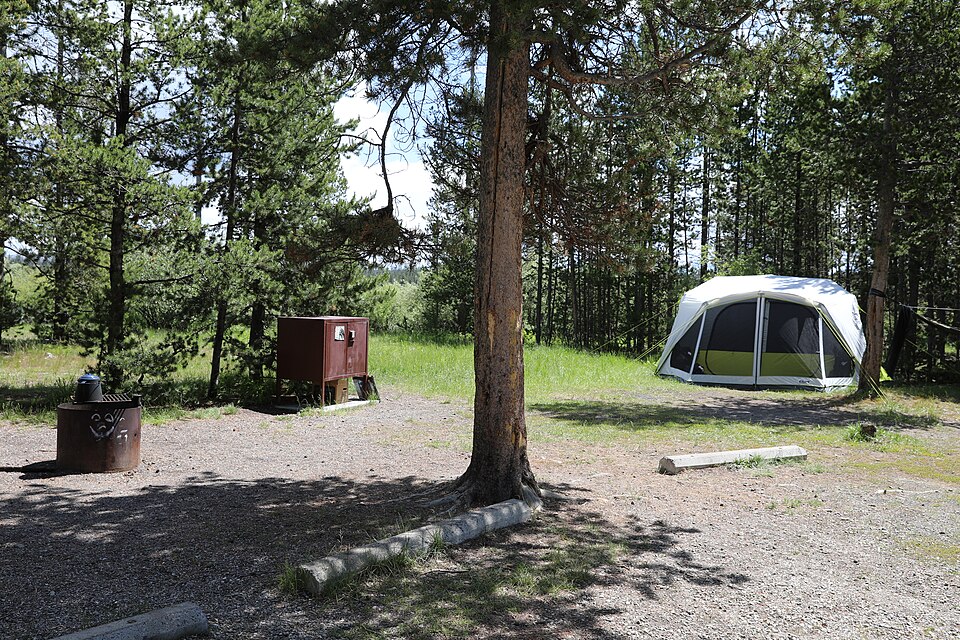
Glamping trades some packing and setup work for a higher accommodation cost, but the value depends on what is included. Basic camping usually requires your own shelter, bedding, cooking equipment, and a reservation or permit where overnight use is allowed. A cabin may offer better separation from wind and rain, though kitchens, private bathrooms, and linens should never be assumed.
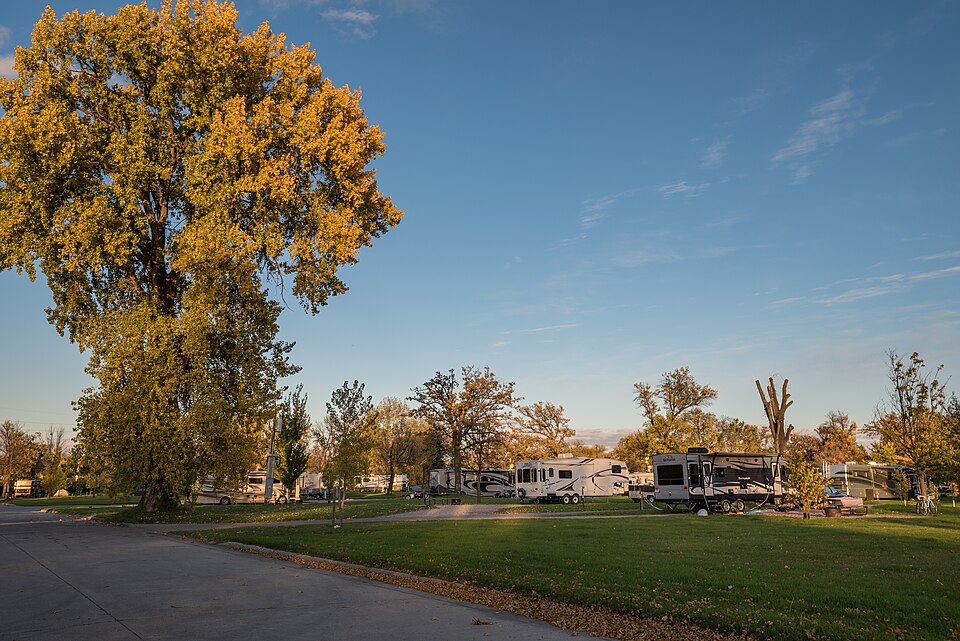
RV and campervan travel requires particular care on Oahu. Renting a vehicle with a bed does not grant permission to sleep in beach parking lots or along residential roads. Confirm legal overnight locations, vehicle eligibility, toilets, waste disposal, and any hookup limitations before reserving the vehicle. Do not plan around mainland-style roadside camping expectations. For public camping, consult the appropriate official Honolulu or Hawaii state park reservation pages. Check permitted equipment, access rules, and current closures for the exact site rather than relying on a general island camping guide.
Build a realistic budget and booking checklist
Treat advertised nightly rates as only one part of the cost. Cleaning charges, taxes, parking, equipment rental, and transportation can change the total substantially. As a rough budgeting approach, compare the complete outdoor-stay cost with a simple legal room or cabin for the same dates, then add groceries and any guided activities. Glamping is not automatically cheaper than a conventional stay, especially when a rental car is necessary.
Before booking, confirm the exact address, authorized overnight use, bathroom arrangement, cancellation policy, and what supplies you must bring. Ask whether there is a sheltered place to eat during rain and how food waste should be handled. Choose established access routes, respect quiet hours, and keep lights and noise low around neighboring homes. Finally, check the official park or managing-agency website for current conditions and reservations if your stay uses public land; a third-party listing does not replace required permission.