
North Cascades rewards travelers who mix roadside scenery with time on foot, rather than treating every day as a race toward a summit. Many of the easiest visitor experiences sit along State Route 20 in Ross Lake National Recreation Area, part of the larger North Cascades National Park Service Complex. Use the highway corridor as your starting point, then choose hikes and lake outings that fit the weather, your group's stamina, and current access.
Drive the North Cascades Highway
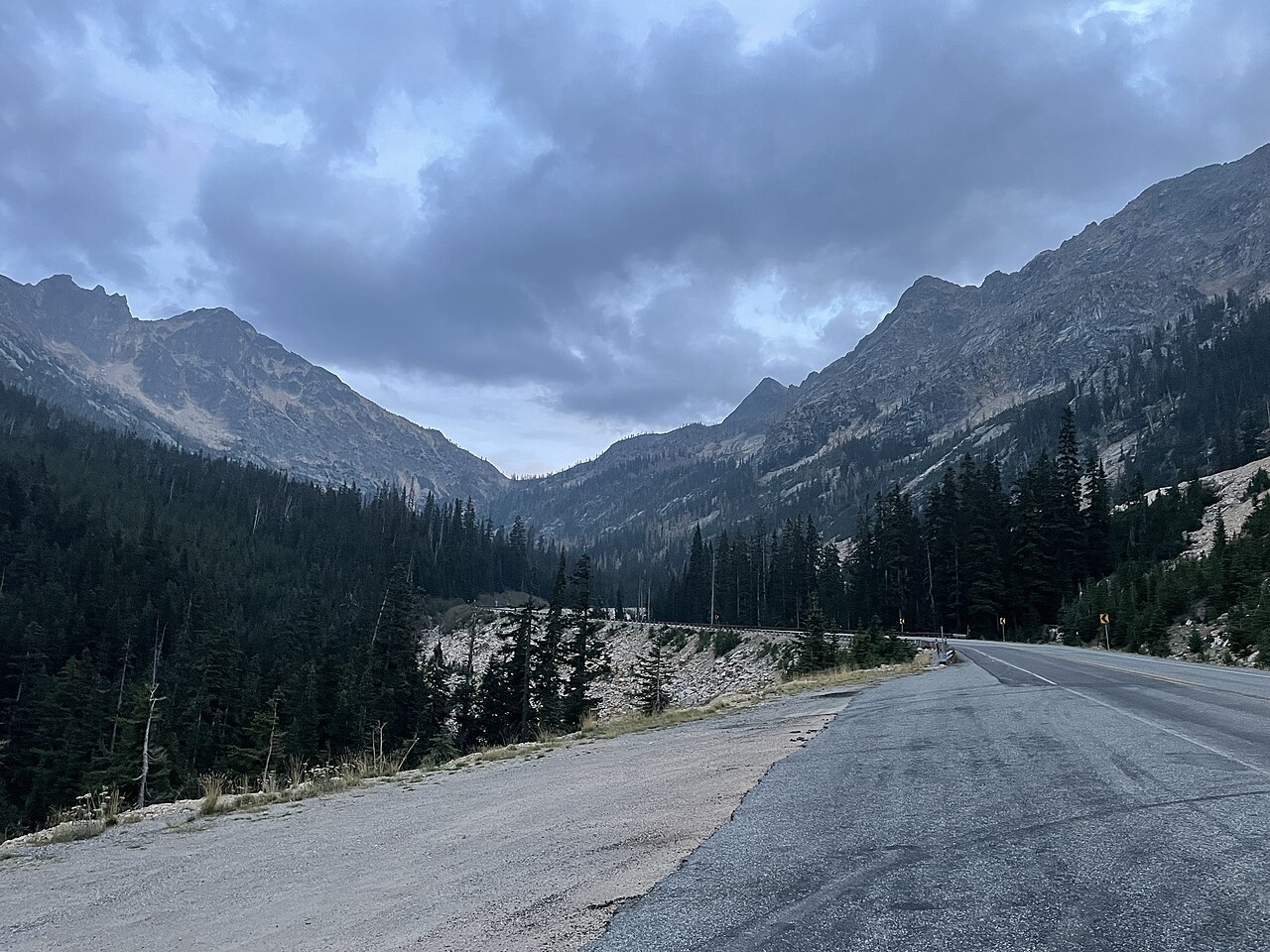
State Route 20 provides a memorable introduction to the region, linking forested valleys with lake viewpoints and steep mountain walls. Stop at Diablo Lake Overlook for its elevated view of the reservoir and surrounding peaks. The lake's vivid color comes from fine rock particles carried down by glacier-fed water, though its appearance changes with light and conditions.
If the highway is open and you have time, continue east toward Washington Pass in the adjacent national forest. Use designated parking areas and avoid stopping in travel lanes for photographs. This is a winding mountain drive, not a quick connector between attractions. Check highway conditions before setting out, particularly outside the main summer season.
Choose a Hike That Matches Your Day
Thunder Knob is a popular moderate outing near Diablo Lake, combining forest walking with elevated lake views. For a gentler introduction, explore an accessible portion of the valley trail network near Newhalem, checking current trail status first. Cascade Pass offers a more demanding mountain day with expansive scenery when the road and trail are open.
Several famous regional hikes, including Maple Pass, are in the surrounding national forest rather than the national park itself. That distinction matters for rules, parking passes, and trip planning. Compare elevation gain, road access, and remaining snow before choosing. Carry water, food, navigation, and weather layers, and turn around if conditions exceed your preparation or available daylight.
Spend Time by the Water and Watch for Wildlife
Diablo and Ross lakes are central to the landscape, but an overlook is much easier to reach than every stretch of shoreline. Ross Lake sits below the highway, and reaching the water requires additional planning rather than simply pulling into a lakeside parking lot. Paddling trips demand attention to access points, cold water, wind, and the distance back to shore.
Wear a properly fitted life jacket and confirm current boating guidance before launching. For a simpler outing, enjoy an established lakeshore picnic area. Watch for birds and other wildlife from a distance, never feed animals, and use provided food-storage facilities where available. Binoculars let you observe without approaching or disrupting wildlife.
Keep Family Days Short and Varied
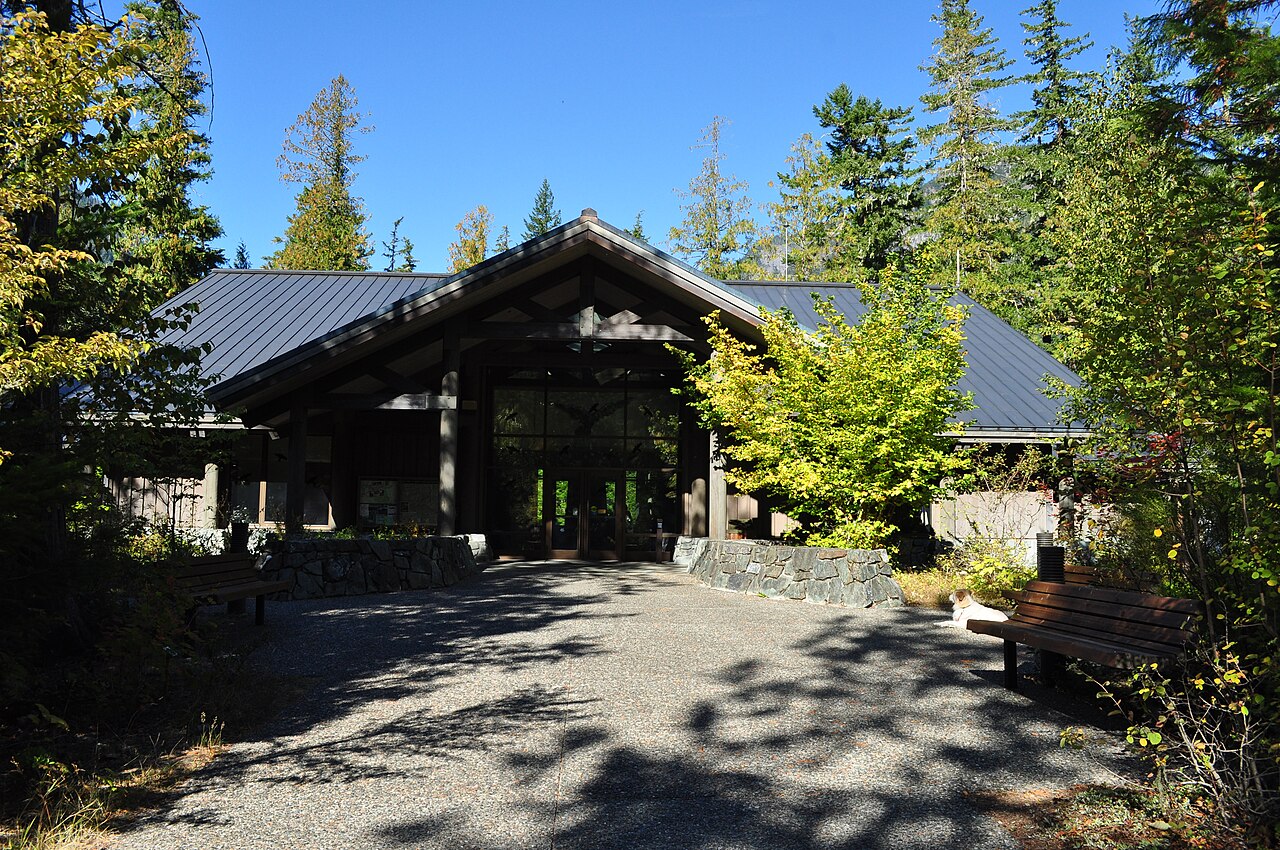
With kids, combine one short walk, a scenic stop, and an unhurried picnic instead of stacking several major hikes. Newhalem is a practical place to begin exploring the western highway corridor, and the North Cascades Visitor Center can help families understand the area's forests, glaciers, and wildlife when it is open. Ask about Junior Ranger materials and current programs.
Build in time for ordinary discoveries: mossy trees, rushing water, and mountain shapes can hold attention better than a distant summit goal. Choose trails based on current footing and your youngest walker's endurance. Keep children close near water and steep edges, bring extra snacks and layers, and save longer drives for days when everyone is rested.
Have a Rainy-Day Plan
A rainy forecast does not automatically rule out exploring, but it can make exposed hikes less rewarding and more difficult. When visibility is poor, trade a high-country objective for a short forest walk or visitor-center exhibits, subject to current operating schedules. Wet roots and wooden surfaces can be slippery, and heavy rain may affect roads or trails.
Gateway towns provide another option for a slower day, with a meal, local exhibits, or time reading at your lodging. Do not drive across the mountains simply hoping the weather will improve without checking conditions first. Use the official NPS site for park alerts and current facilities information, and check highway updates before changing your route.