
North Cascades glamping is best approached as a gateway-area stay: a comfortable base outside the park that lets you spend your days among forests, lakes, and mountain viewpoints. Depending on the property, that comfort might mean a furnished tent, a simple cabin, or another small rental with more shelter than a conventional campsite. Focus less on the label and more on the actual bed, bathroom, heating, cooking setup, and driving distance to your planned outings.
What Glamping Looks Like Here
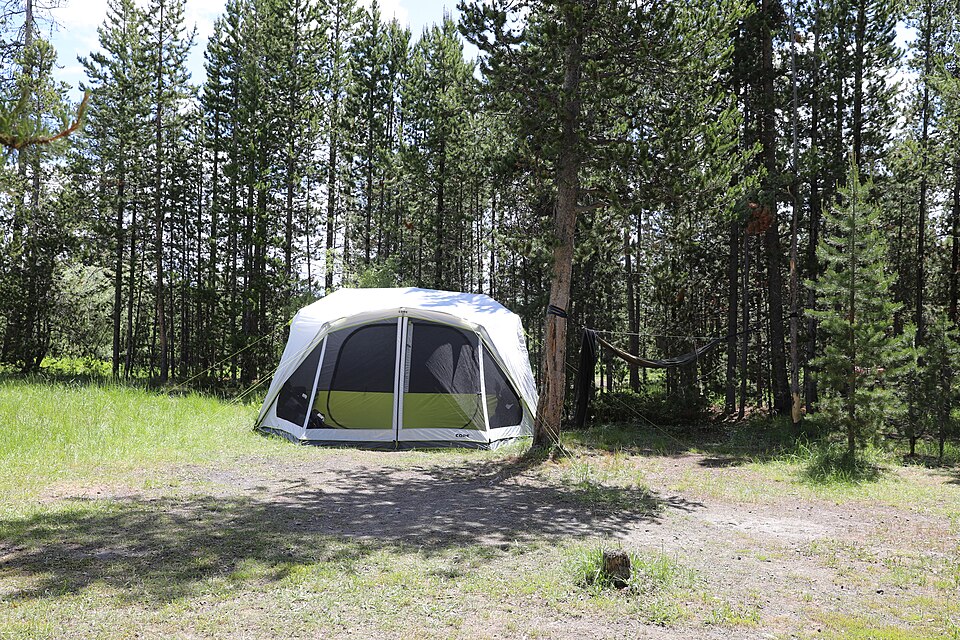
The word glamping covers a wide range of accommodations, so do not assume every listing includes a private bathroom, electricity, or a kitchen. A furnished tent may still use shared campground facilities, while a cabin may provide solid walls but require you to bring bedding or cooking equipment. Read the full amenities list and ask about anything essential to your trip.
Most travelers seeking this style of stay should search the surrounding gateway communities rather than expect a developed luxury camp inside the national park. Confirm heating, potable water, food storage, parking, and the walk from your car to the unit. Photos alone rarely reveal how comfortable a property will feel during a wet, chilly evening.
Where to Base Your Stay
Marblemount is a practical search area for travelers concentrating on Newhalem, Diablo Lake, and western trail approaches. The wider Skagit Valley, including the Sedro-Woolley area, gives you a broader western search zone but adds driving to mountain outings. Compare actual route times to your priorities, not just whether a listing describes itself as near the park.
Winthrop and the Methow Valley suit travelers who want an east-side base and access to the surrounding mountain corridor when State Route 20 is open. They are not convenient substitutes for a western stay during the highway's seasonal closure. For a longer visit, splitting nights between west and east can reduce backtracking, provided your route and reservations remain compatible.
Choose the Season for Your Shelter
July through September generally offers the easiest combination of mountain access and comfortable outdoor living. Even then, nights can be cool, rain is possible, and wildfire smoke may change the appeal of an open-sided or lightly insulated rental. A covered sitting area and a reliable way to dry clothing can matter as much as attractive furnishings.
Spring and fall stays require closer attention to heating and road access. For winter, choose a property explicitly equipped for cold weather and confirm snow removal, vehicle access, and which amenities remain available. Reserve summer weekends well ahead when possible. Check the official NPS site for park conditions and reservations, and ask the host about property-specific cancellation and access policies.
Where to sleep
Harvest Hosts stays on the way to North Cascades National Park
Partner link · Harvest Hosts
Pack for Comfort Beyond the Bed
Bring waterproof outerwear, warm layers, sturdy footwear, a headlamp, and a small daypack even if your lodging supplies most camping equipment. Insect repellent can be useful during the warmer months, and a dry bag or simple waterproof storage helps protect spare clothing. Download maps before arrival because cell coverage is limited in parts of the mountain corridor.
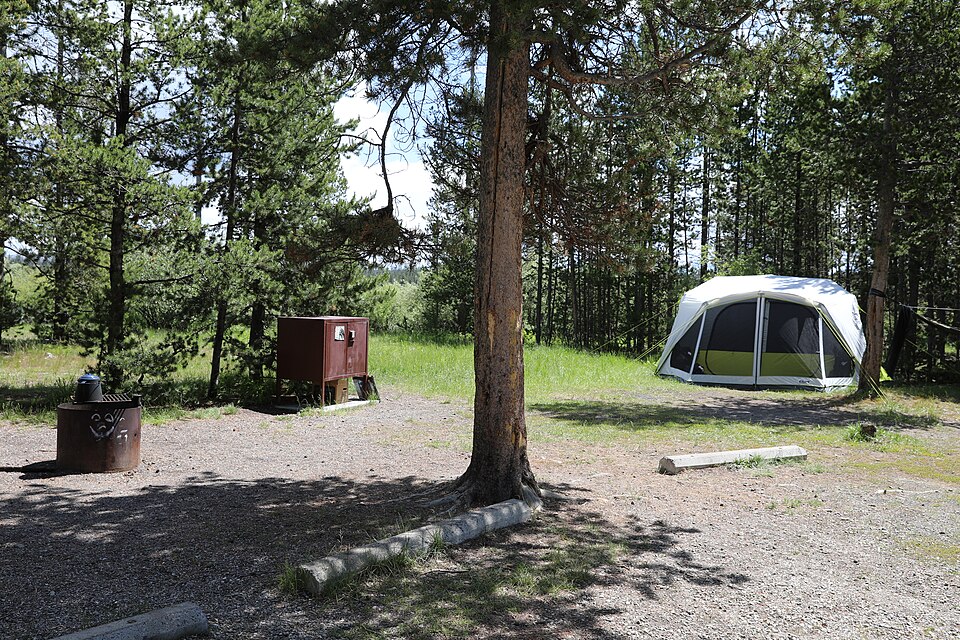
Confirm whether you need towels, bedding, cookware, drinking water, or a cooler. Ask how food and scented items must be stored; a furnished tent does not remove the need to follow wildlife rules. Pack easy meals if cooking facilities are basic, and verify current fire restrictions before building plans around a campfire or an outdoor cooking appliance.
Glamping vs. Camping vs. an RV
Glamping reduces setup work and may offer a real bed, heat, or indoor space, but amenities vary and nightly costs are generally higher than a basic campsite. Treat advertised rates as starting estimates: cleaning charges, taxes, and minimum stays can change the total. Compare the full booking cost and cancellation terms rather than relying on the nightly headline.
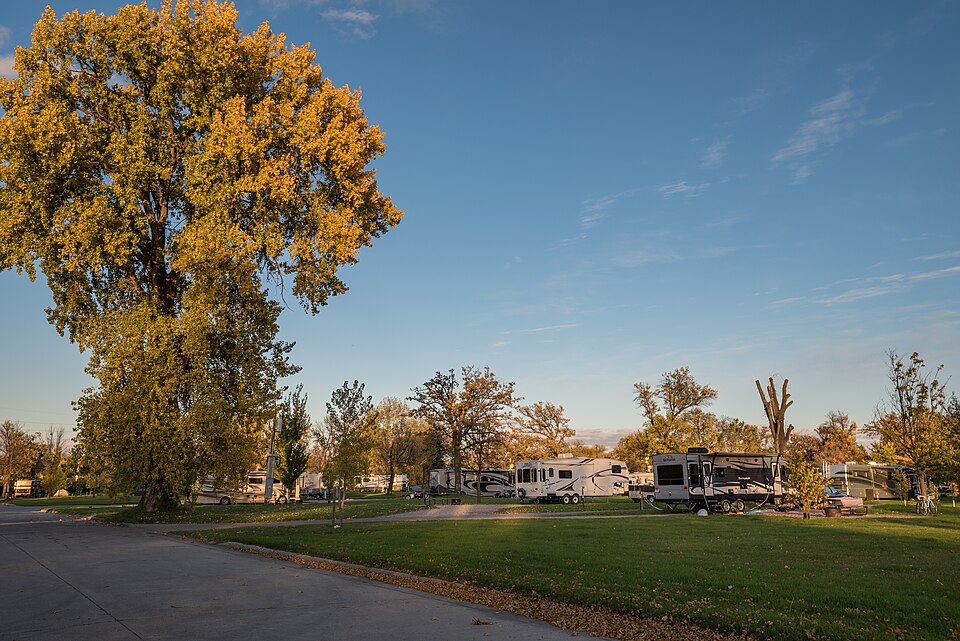
Tent camping offers a simpler, more outdoors-focused experience but requires more gear and weather preparation. An RV provides familiar shelter and storage, yet site length limits, hookups, road suitability, and parking need advance checking. None of these options automatically includes a campsite reservation or backcountry permission. Choose around your group's comfort needs and planned routes, then verify the relevant rules before booking.