
July through September is generally the best window for exploring North Cascades National Park, especially if your plans include mountain trails, scenic drives, and time beside its striking lakes. Even within that window, snowmelt, wildfire smoke, and changing mountain weather can affect what is practical on any given day. Choose your dates around the elevation you want to reach, then keep enough flexibility to swap a high-country hike for a lower-elevation outing.
Spring: Waterfalls and Lower-Elevation Exploring
Spring arrives unevenly in the North Cascades. Lower valleys begin greening up while mountain trails remain buried, so this is a better season for forest walks and roadside scenery than ambitious alpine hiking. Rain is common, and melting snow can leave trails muddy or stream crossings difficult.
The North Cascades Highway, State Route 20, closes seasonally across the mountains and does not reopen on a fixed annual date. Until it opens, you cannot drive through between the western gateways and the Methow Valley. Base a spring trip around the side you can reach, check Washington State Department of Transportation road updates, and use the official NPS site to confirm accessible trails and facilities.
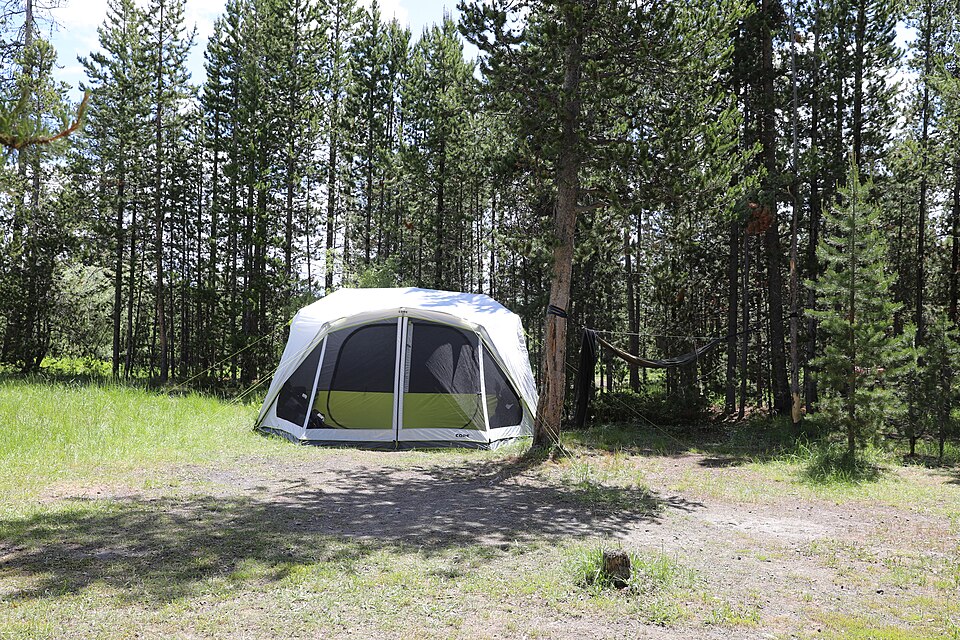
Lock in a stay for this season
RV parks near North Cascades National Park on RoverPass
Partner link · RoverPass
Summer: The Broadest Range of Activities
July and August usually offer the broadest access to campgrounds, lake viewpoints, and higher trails. Snow can linger into July at elevation, however, and a sunny roadside stop does not tell you whether a mountain pass is ready for hiking. Check individual trail reports before committing to a route.
Summer also brings the most competition for popular trailhead parking and overnight stays. Start hikes early, carry layers despite warm valley temperatures, and allow extra time at busy overlooks. Mosquitoes can be persistent near wet meadows and lakes. Wildfire smoke may affect visibility or prompt closures, so keep a backup plan and consult official alerts rather than assuming summer means clear skies.
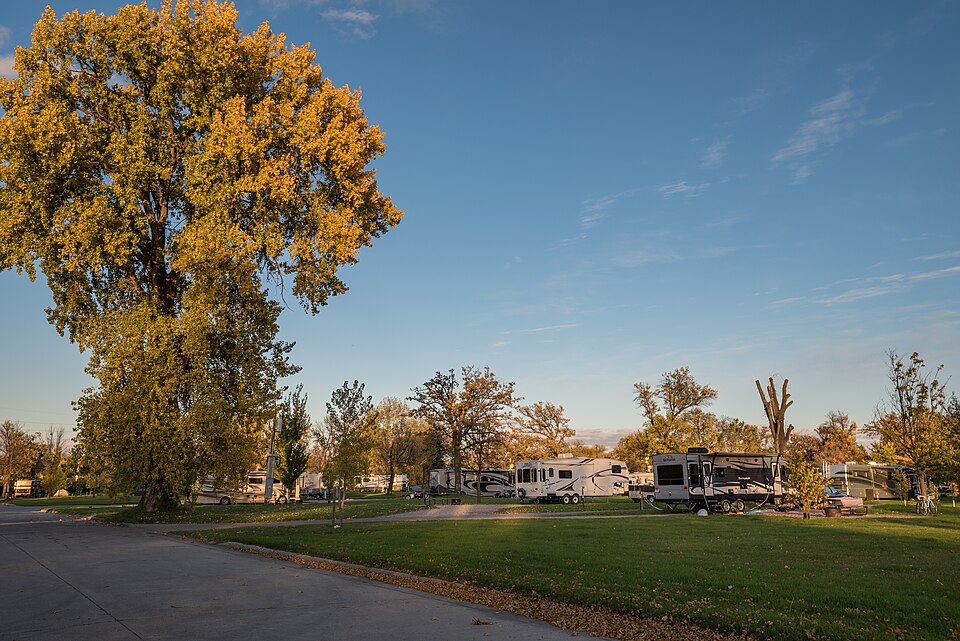
Lock in a stay for this season
Campsites near North Cascades National Park on Campspot
Partner link · Campspot
Fall: Cooler Trails and Changing Colors
September often balances hiking access with cooler temperatures and fewer visitors after the busiest summer weeks. Clear days can be excellent for mountain views, but nights turn colder and daylight shrinks. By October, fresh snow can quickly change conditions on high trails and along the highway.
Autumn color appears at different times by elevation and plant community. Larches draw hikers to selected high-country routes in the surrounding national forest, but their brief display is weather-dependent and can create crowded trailheads. Do not plan around a guaranteed peak-color date. Book a flexible base, carry warm layers, and choose a lower route if snow, ice, or an early storm changes the forecast.
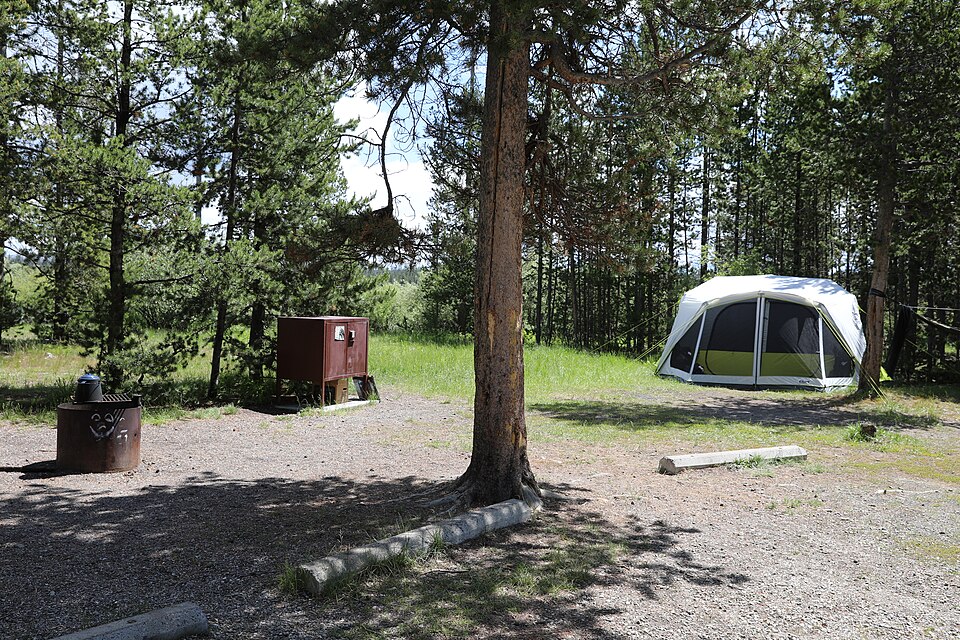
Lock in a stay for this season
Harvest Hosts stays on the way to North Cascades National Park
Partner link · Harvest Hosts
Winter: A Different Kind of Mountain Trip
Winter is not the season for a classic drive-through North Cascades vacation. The seasonal closure of State Route 20 cuts off the mountain crossing, many visitor services are unavailable, and deep snow limits access to the high country. Western valley outings and trips based near Winthrop become separate itineraries rather than parts of one easy loop.
Snowshoeing and cross-country skiing are possible in the broader region, particularly around the Methow Valley, but routes vary widely in terrain and avalanche exposure. Choose established recreation areas appropriate to your experience and check current guidance. A quiet winter cabin stay can be appealing, provided you plan for winter driving and confirm road access with your host.
Crowds and When to Make Reservations
For a July–September trip, begin looking for lodging and reservable campsites several months ahead, especially for weekends and holidays. Reservation systems and release windows differ by campground and permit type, so check the official NPS site rather than relying on a single booking date. Backcountry camping requires permits; research that process before building an overnight hiking route.
Weekdays generally offer more breathing room at popular overlooks and trailheads, though good weather can draw visitors anytime. Early September can be a useful compromise between access and crowds, but conditions are never assured. Recheck park alerts, trail conditions, highway status, and reservation details shortly before departure, and avoid scheduling every day around one weather-sensitive destination.
More ways to book North Cascades National Park
 Illustrative · Vulturesong
Washington Pass Observation Site
One of the classic ways to experience North Cascades.
Varies (estimate)
Partner link · Viator