
Niagara Falls is more than a quick stop at an overlook: the New York side combines close-up waterfall experiences, wooded island walks, and a dramatic gorge that continues downstream. For a family trip, balance the big attractions with time to watch the river and explore at a slower pace. Two to four days gives you room for the falls, nearby state parks, and a rainy-day alternative without rushing every stop.
Start with the State Park Overlooks
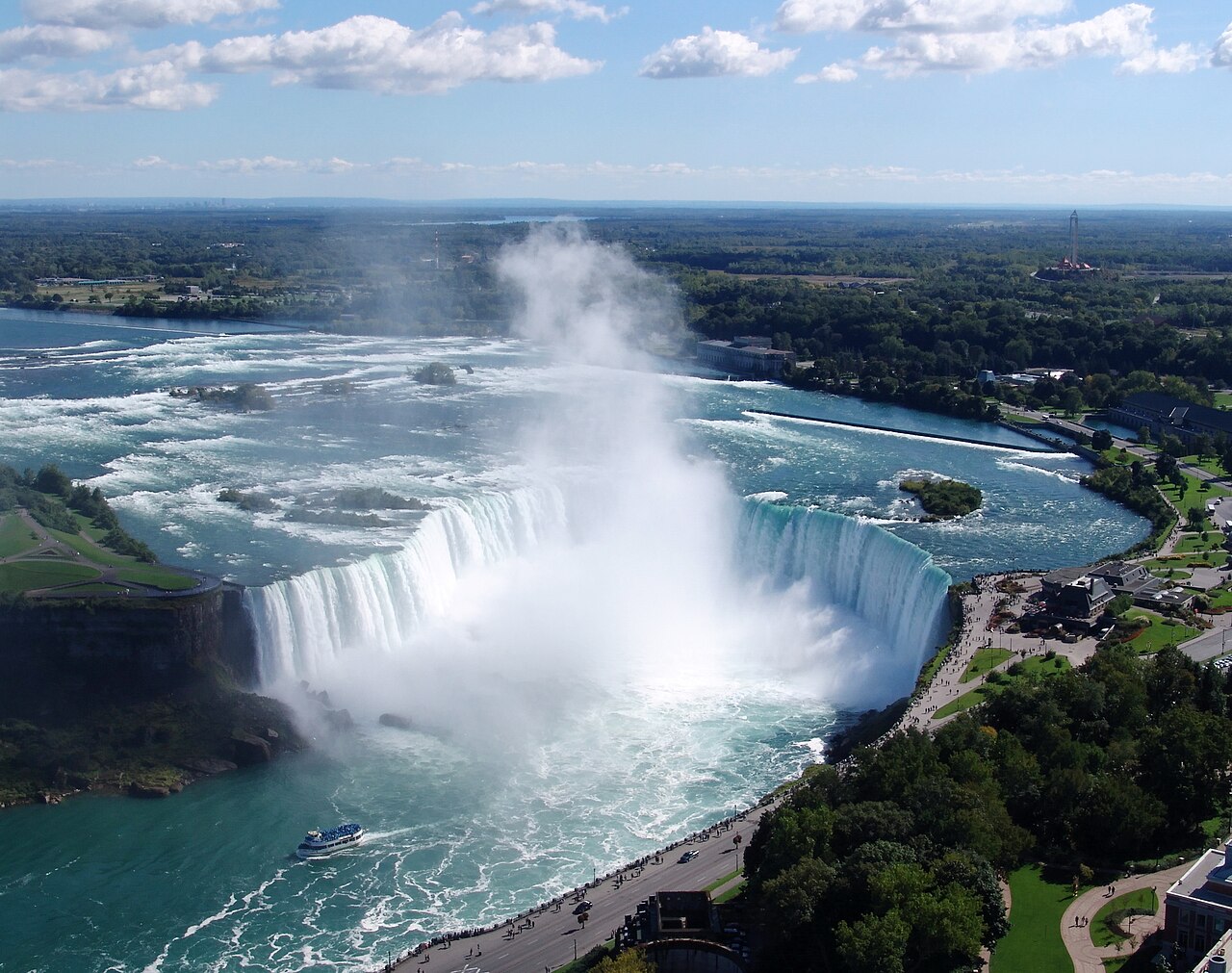
Niagara Falls State Park is the natural starting point for understanding the landscape. Prospect Point puts you beside the American Falls, while Goat Island separates the American Falls from the Horseshoe Falls. Walking between viewpoints reveals different angles, river channels, and the scale of the water approaching the drop.
On Goat Island, look for views around Luna Island and Terrapin Point when those areas are open. The Three Sisters Islands offer another perspective on the rapids upstream. These are places to linger rather than simply collect photographs; the sound and movement change noticeably between stops.
Families should expect more walking than a single postcard view suggests. Bring snacks and layers, use designated paths, and stay behind barriers. Check the official park map for current access, restrooms, and transportation options before deciding whether to combine every viewpoint into one outing.
Get Close to the Water
A Maid of the Mist boat ride offers a river-level view of the falls from the American side. Cave of the Winds provides a different kind of encounter near Bridal Veil Falls, with seasonal decks that bring visitors close to the spray. Both can be memorable, but they need not happen back-to-back.
Choose based on your family’s tolerance for noise, crowds, and getting wet. A waterproof pouch helps protect a phone, and dry socks or a spare outfit can make the rest of the day more comfortable. Supplied rain protection does not mean every belonging will stay dry.
Operating seasons and available areas depend on conditions. Confirm current access, ticket procedures, and any age or mobility considerations through official attraction information. If you prefer not to board a boat or use wet decks, the park’s overlooks still deliver substantial views without committing to either experience.

Explore the Gorge and Lower River
For a change from the central falls area, head downstream to Whirlpool State Park and Devil’s Hole State Park. Their overlooks reveal the Niagara Gorge, where the river narrows and powerful currents dominate the landscape. Upper-level walks offer scenic options without necessarily descending to the river corridor.
Trails into the gorge are a different undertaking from strolling around Goat Island. Expect stairs, rough surfaces, and a climb back out; closures and trail conditions can alter your plans. Check official state park notices and choose a route that matches the whole group’s abilities.
For a scenic driving day, continue toward Lewiston and Youngstown, stopping at established parks and river viewpoints. Fort Niagara State Park reaches the meeting of the Niagara River and Lake Ontario. This route adds small-town stops and broader waterfront scenery without requiring an international border crossing.
Make the Visit Work for Kids
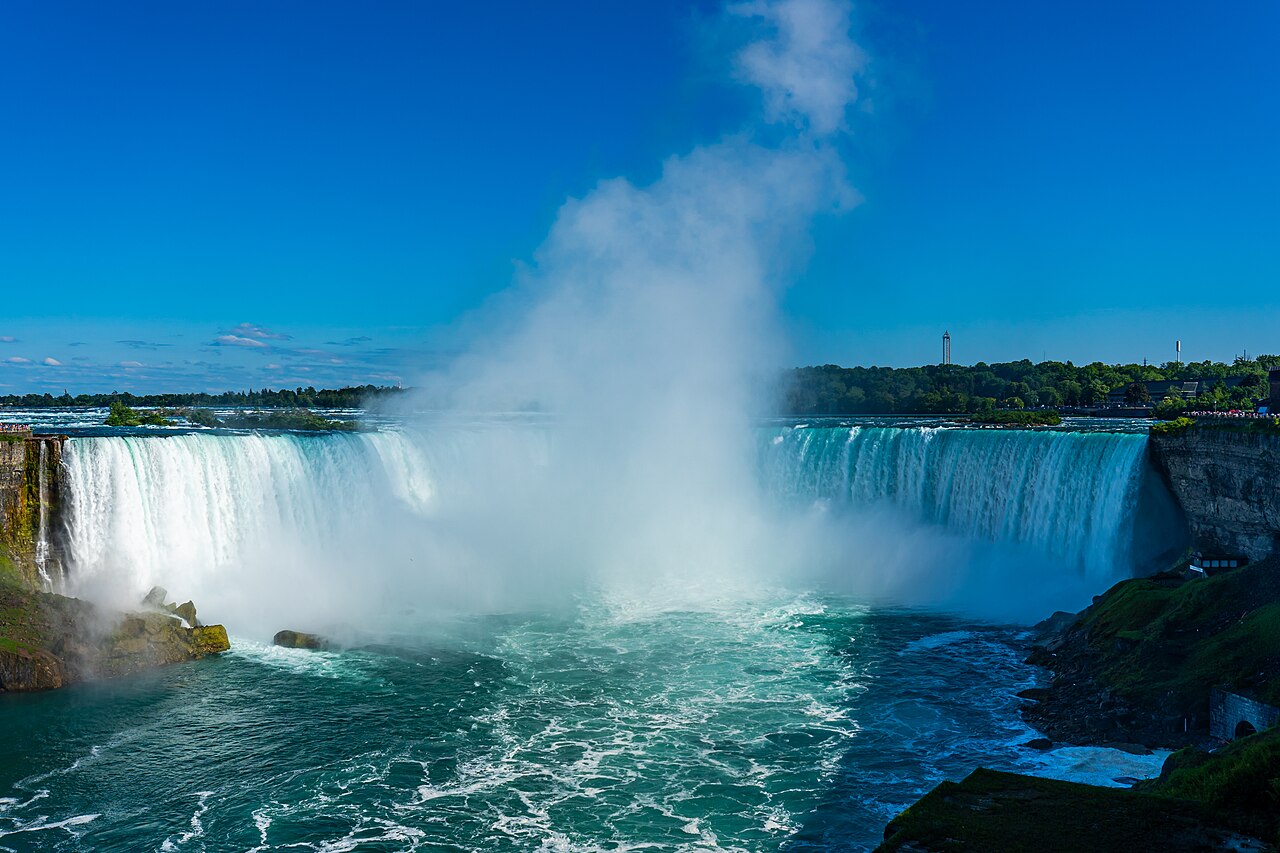
Children often respond as strongly to the rushing rapids and enormous clouds of mist as they do to the named attractions. Give them a simple observation challenge: compare the sound at two overlooks, spot rainbows when sunlight and spray align, or notice how the river changes upstream and downstream of the falls.
Birdwatching can add interest during quieter breaks. Gulls are a familiar presence around the river, and the wider Niagara corridor supports many birds, especially during migration. Bring binoculars if you have them, observe from designated areas, and never feed wildlife.
Plan one demanding outing per day rather than combining a boat ride, wet decks, and a gorge descent. Keep extra clothing accessible and schedule food before everyone is exhausted. Strollers can help on suitable park paths, but do not assume that stairs, attraction routes, or gorge trails will accommodate them.
Have a Rainy-Day Alternative
Light rain does not necessarily erase the appeal of the falls, but thunderstorms, strong wind, and heavy downpours call for a different plan. The Aquarium of Niagara is an established indoor option in the city, particularly for families interested in aquatic life. Check its official website for current exhibits, admission information, and visitor policies.
The Niagara Falls Underground Railroad Heritage Center offers a meaningful history-focused visit near the city’s train station. Its subject matter provides a different perspective on this border region; consider your children’s ages and attention spans when planning the stop.
You can also use a wet afternoon for a relaxed meal and return to the park when conditions improve. Avoid treating poor weather as a reason to attempt slippery gorge trails. Verify current conditions and attraction reservations through the official Niagara Falls State Park and individual venue websites.