
The best time to visit Niagara Falls depends on whether your family wants the fullest lineup of water attractions, quieter park walks, or colorful scenery along the Niagara Gorge. Summer offers the broadest seasonal access, while spring and fall can make sightseeing feel less hurried. Plan two to four days on the New York side so you can explore beyond the main overlooks and leave room for changing weather.
Spring: Fresh Greenery and Flexible Plans
Spring brings new leaves to Goat Island and gradually longer days for exploring Niagara Falls State Park. Early in the season, the riverfront can still feel cold, especially when wind carries spray across the overlooks. Waterproof outerwear and shoes with good traction are more useful than relying on a warm inland forecast.
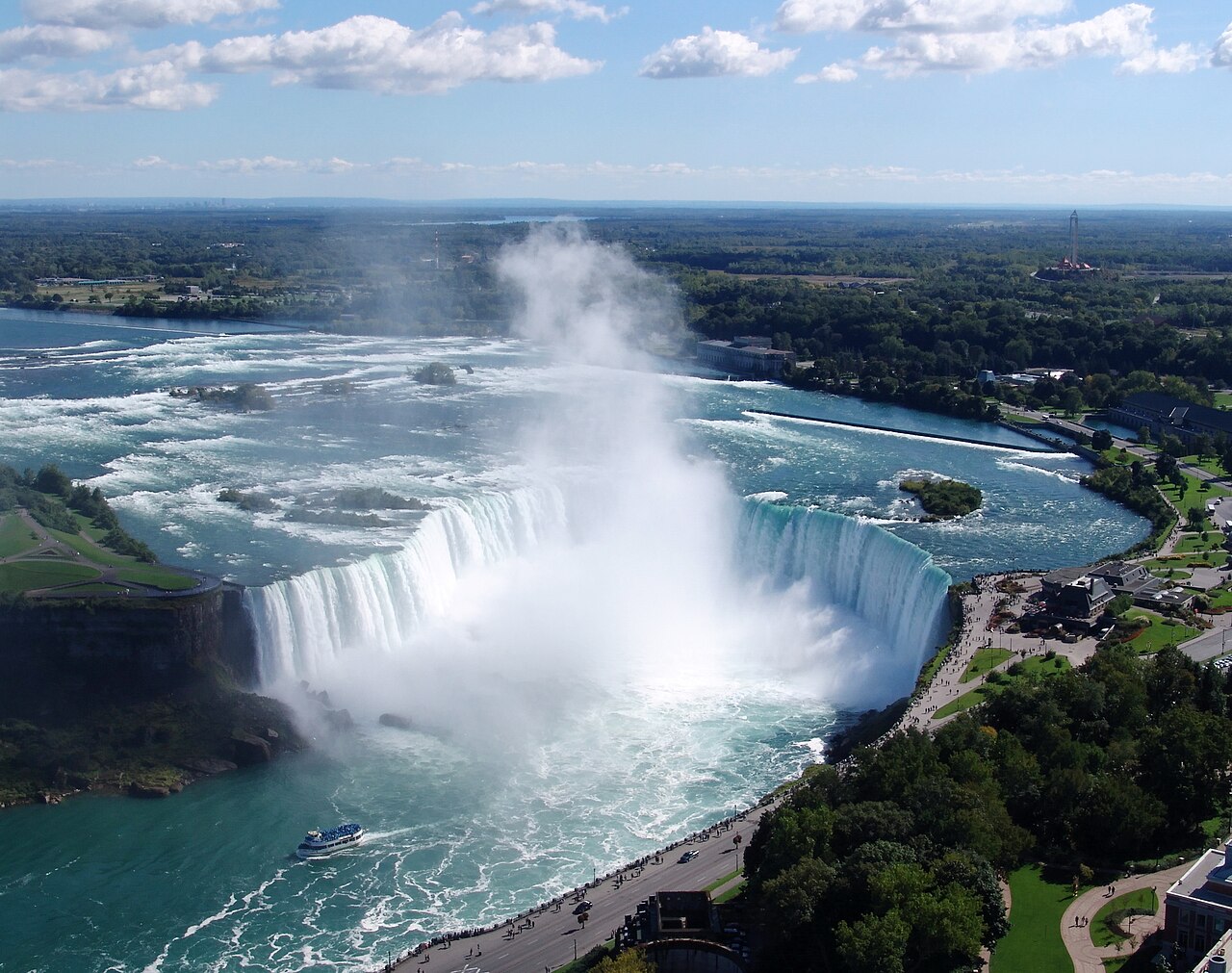
Treat boat trips and close-to-the-water attractions as possibilities rather than fixed anchors until their seasonal schedules are confirmed. Winter ice and river conditions can affect opening dates. The park’s main landscape remains the draw: Prospect Point, Goat Island, and views of the American and Horseshoe Falls reward unhurried walking.
For a family visit, choose lodging with flexible cancellation terms and keep an indoor alternative available. Later spring generally offers a better balance of greenery, outdoor access, and less intense crowds than peak summer weekends.
Summer: Water Attractions and Busy Walkways
Summer is the simplest choice if boat rides and the seasonal Cave of the Winds experience sit at the top of your list. Warm weather makes getting wet less daunting, though spray can still feel chilly. Longer daylight also gives families room for a midday break before returning to the park for another walk.
Expect the heaviest demand around weekends and major holidays. Arriving early helps with parking and makes it easier to enjoy popular viewpoints before pedestrian traffic builds. Goat Island provides room to spread out, but the closest overlooks remain busy.
Reserve lodging as soon as your dates are firm, particularly for holiday trips. Check official attraction ticketing instructions rather than assuming every experience uses the same reservation system. Carry drinking water, sun protection, and a dry layer, and avoid packing every paid attraction into one afternoon.
Fall: Gorge Color and Cooler Air
Fall pairs the falls with changing leaves along the Niagara Gorge, especially around Whirlpool State Park and Devil’s Hole State Park. Color timing varies with the weather, so treat foliage as a seasonal bonus rather than something guaranteed for a particular weekend. Early fall often retains comfortable walking conditions, while later visits require warmer layers.
This is a rewarding season for combining the main falls with Lewiston and the lower Niagara River. Spend one day at the major overlooks and another exploring quieter river scenery. Gorge trails may have wet leaves, uneven footing, and substantial stair climbs; check closures before committing to a route.
Crowds generally ease outside holiday periods and popular fall weekends. Seasonal attractions may shorten their schedules or finish operating as colder conditions arrive. Confirm dates before booking a trip around a boat ride or particular deck experience.
Lock in a stay for this season
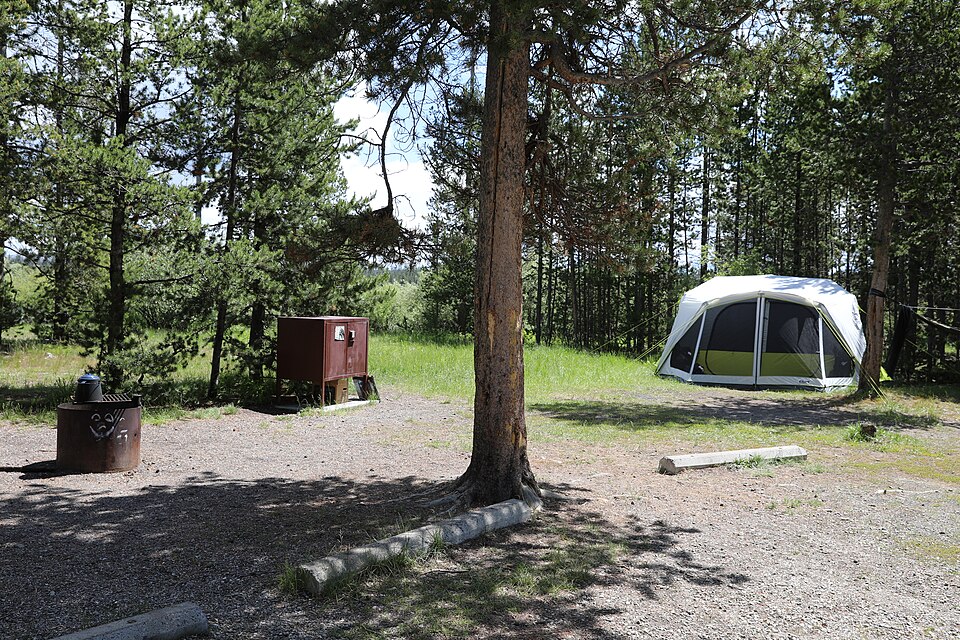
Harvest Hosts stays on the way to Niagara Falls
Partner link · Harvest Hosts
Winter: Dramatic Views, Limited Seasonal Access
Winter can transform the riverfront with ice-coated trees, snow, and mist that freezes on nearby surfaces. The falls continue flowing; photographs of dramatic ice formations should not be mistaken for a reliably frozen waterfall. This season suits travelers who value scenery and shorter outdoor outings more than a full menu of seasonal attractions.
Wind, snow, and icy pavement can change a simple walk considerably. Some paths, stairs, and attraction areas may close, so use posted routes and avoid planning around access to every summer viewpoint. Bring insulated layers, waterproof footwear, and a realistic indoor backup.
A winter trip works well with a warm lodging base and brief visits to several overlooks rather than one long riverfront session. Check the official New York State Parks website for Niagara Falls State Park conditions and operating information before leaving, then check again near your visit.
How Far Ahead to Plan
For summer weekends, school vacations, and major holidays, start comparing lodging several months ahead when practical. Spring and fall weekday visits can offer more flexibility, but popular weekends still warrant advance planning. There is no universal booking deadline: room availability, cancellation rules, and attraction procedures vary.
Build your schedule around one major experience each day, then use the remaining time for park walks. This approach leaves room for rain, queues, or a child who needs an earlier break. Keep the first outdoor day flexible if a boat ride is your priority.
Use the official Niagara Falls State Park website and official attraction pages to verify current conditions, tickets, reservations, and seasonal access. These are New York state parks, not NPS sites. If crossing into Canada, separately confirm border documentation requirements for every traveler rather than treating the international crossing as an automatic addition.

More ways to book Niagara Falls
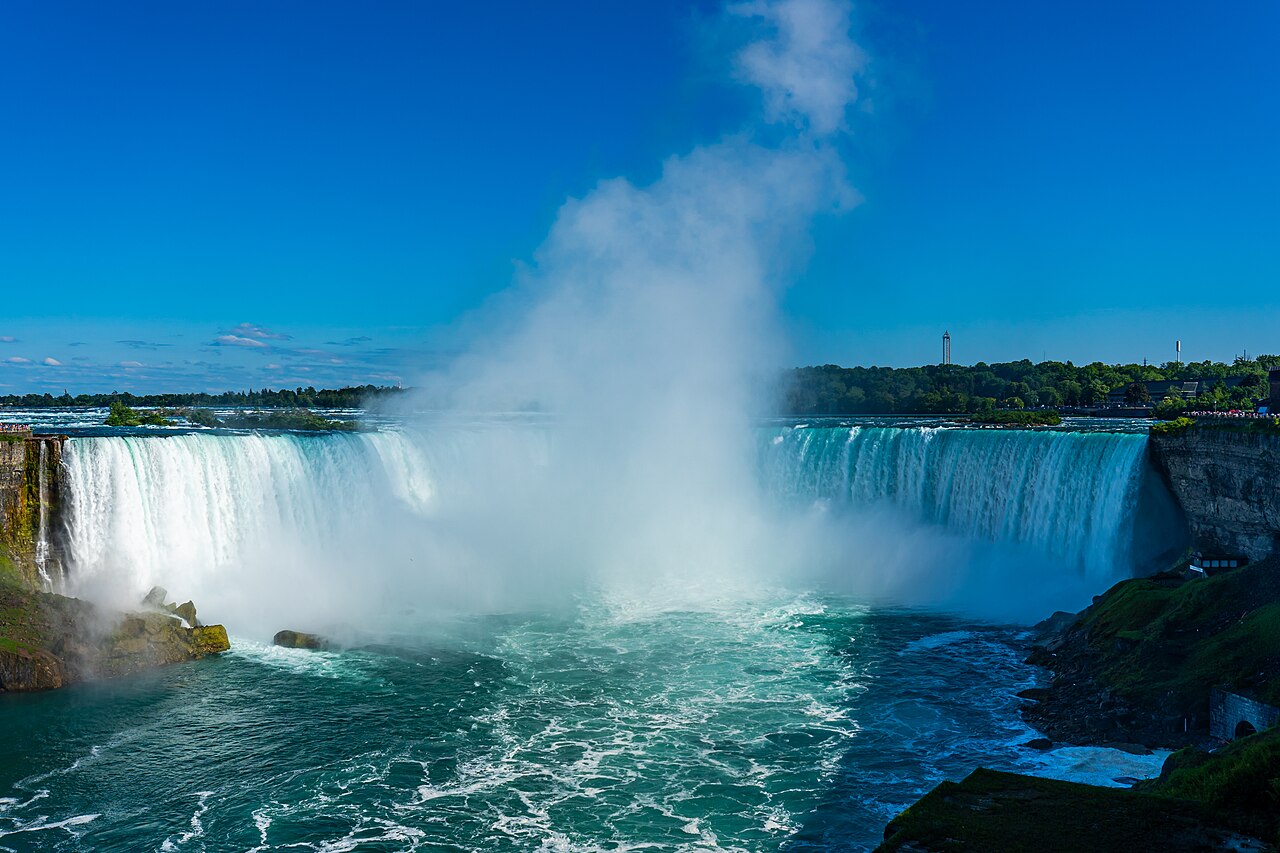 Illustrative · Maksimsokolov
Goat Island Walk
One of the classic ways to experience Niagara Falls.
Varies (estimate)
Partner link · Viator