
Niagara Falls glamping works best as a quieter overnight base paired with daytime trips to the waterfalls and gorge. Around western New York, the experience can range from furnished canvas tents to small cabins with more substantial weather protection, but amenities vary widely. Choose the setting and facilities first, then check how easily you can reach Niagara Falls State Park, meals, and the other stops on your two-to-four-day itinerary.
What Glamping Looks Like Near Niagara Falls
Think of glamping here as an alternative to an urban hotel, not as sleeping beside the waterfall overlooks. Niagara Falls State Park is primarily a sightseeing destination rather than an overnight campground. Nearby outdoor lodging may sit in rural settings, private campgrounds, or the broader Lake Ontario countryside.
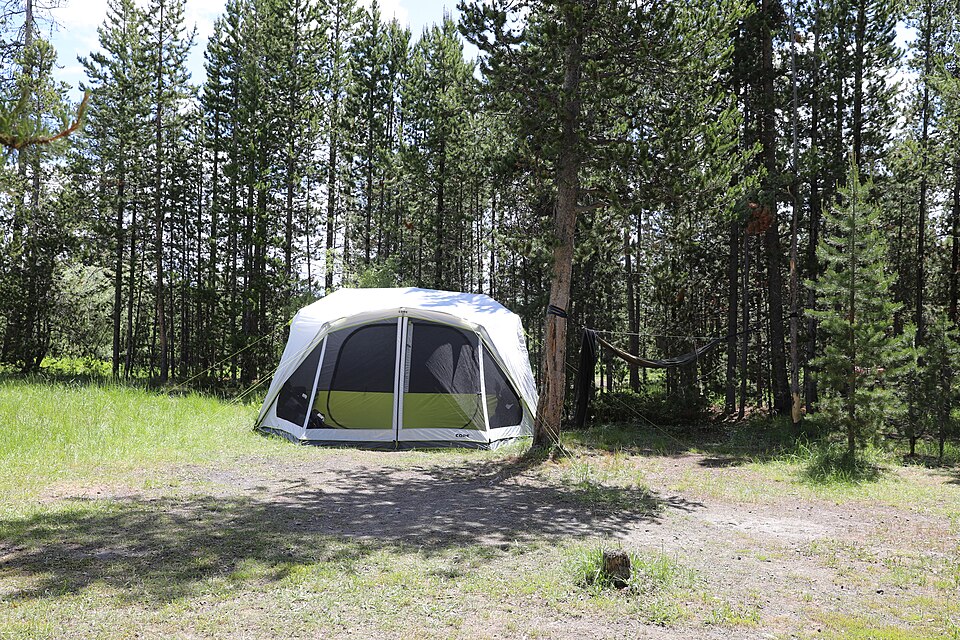
A listing described as glamping might provide a real bed inside a canvas tent, a furnished cabin, or another small structure. Do not assume it includes a private bathroom, climate control, bedding, or a kitchen. Those details determine how much camping equipment and food preparation you will still need.
For families, review the sleeping arrangement carefully: separate beds, loft access, nighttime bathroom routes, and room for luggage matter more than decorative photographs. Ask about drinking water, electricity, screens, and weather policies. Confirm the exact property location before booking, since regional Niagara branding can cover a much wider area than the city.
Areas to Search for an Outdoor Base
Start with the outskirts of Niagara Falls if your priority is repeated visits to the main park. A nearby base can make it easier to return for a rest between morning sightseeing and evening views. Compare the actual route to the park entrance, not just the distance shown in a listing.
Lewiston and Youngstown are useful search areas for travelers combining the falls with the lower Niagara River. They place your trip within the same northbound sightseeing corridor as Whirlpool State Park, Devil’s Hole State Park, and Fort Niagara State Park, though individual lodging locations vary.
Farther east, the Wilson and Olcott areas offer a Lake Ontario-oriented setting. These can suit travelers who want lake scenery alongside a falls day, but they add driving. Treat these towns as search zones, not promises of available glamping inventory, and verify each property’s address, facilities, and current availability.
Pick a Season and Pack for Moisture
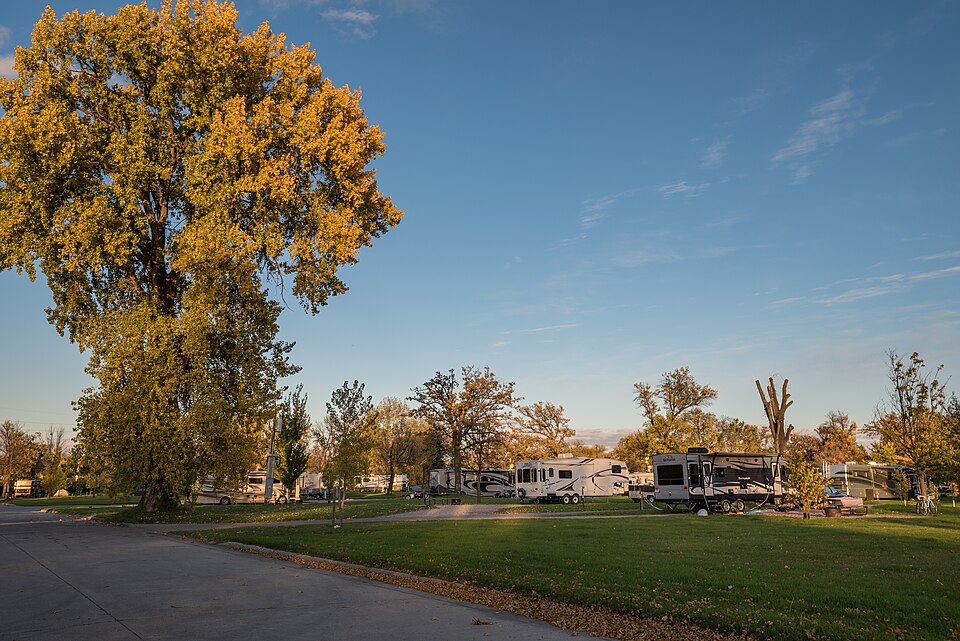
Late spring through early fall is the most straightforward window for tent-based stays, although each property sets its own season. Summer provides warmer nights and the broadest seasonal sightseeing options, but humidity, rain, and insects still deserve a place in your packing plan. Screened openings can make a meaningful difference.
Spring and fall require closer attention to nighttime temperatures. A furnished tent without heat can feel very different from a cabin with a verified heating system. Ask what bedding is supplied and whether the accommodation remains comfortable for your group’s expectations during colder weather.
Pack a rain jacket, waterproof footwear, spare socks, and a way to separate wet attraction clothing from sleeping gear. Follow property rules for storing food and securing trash. Before travel, check the official state park website for sightseeing conditions and reservations, and confirm the lodging operator’s storm, cancellation, and seasonal closure policies.
Glamping Versus Camping Versus an RV
Glamping reduces some setup work, but the amount depends on the accommodation. A furnished tent with shared bathrooms still involves outdoor routines, while a cabin with plumbing and a kitchenette feels closer to a compact vacation rental. Compare the actual facilities rather than relying on the label.
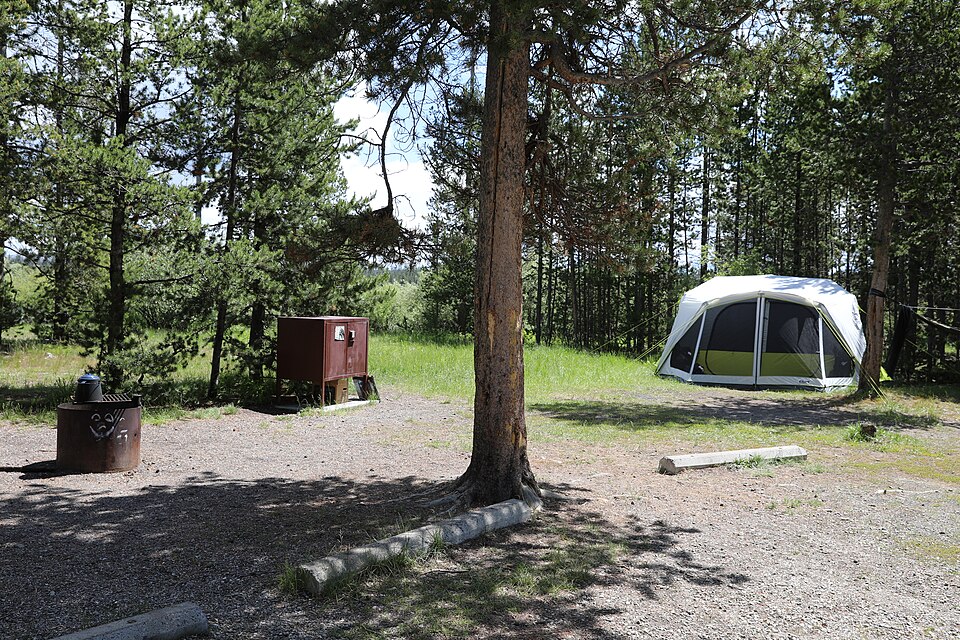
Traditional camping generally requires more equipment and weather preparation. It may be a lower-cost choice as a rough estimate, especially if you already own gear, but site fees, supplies, and transportation still add up. Four Mile Creek State Park is an established camping option near Youngstown; check its official information for current site types and reservations.
An RV offers its own sleeping space and storage but introduces vehicle size, hookups, wastewater, and parking considerations. If renting, review mileage and equipment charges carefully. Glamping is not automatically cheaper than a hotel, particularly for larger families or accommodations with private bathrooms and substantial amenities.
Plan the Daily Logistics Before Booking
Most outlying outdoor stays work more easily with a car. Before reserving, map a typical sightseeing day from the property to Niagara Falls State Park and back, then consider whether you will want that round trip after dinner. Rural quiet is appealing, but it should fit your family’s driving tolerance.
Check whether the property has refrigeration, cooking equipment, dishwashing facilities, and a covered place to eat. If not, plan simple meals and identify grocery stops along your route. Confirm parking, minimum stays, cleaning charges, linen policies, and bathroom access when estimating the total cost.
Ask about fire rules rather than assuming every stay includes a usable fire pit. Buy firewood locally and follow current restrictions. Reserve through the official property or park booking channel, and use New York State Parks information to verify campground rules, current conditions, and reservations. Keep one flexible sightseeing day for weather changes.