
Monterey makes a coastal weekend feel full without requiring a packed schedule: you can walk beside the bay, watch marine wildlife, and explore a historic waterfront in the same day. The most rewarding things to do in Monterey mix one bigger experience, such as the aquarium or a boat trip, with unhurried time outdoors. Allow two to four days if you also want Pacific Grove, Carmel, or nearby coastal parks.
Explore the Aquarium, Cannery Row, and the Waterfront
The Monterey Bay Aquarium is a natural starting point for understanding the bay's kelp forests and marine life. Give it a substantial part of your day rather than squeezing it between distant stops. Check the official aquarium website for current admission arrangements and visitor information, and consider arriving early if your visit falls on a school holiday or busy weekend.
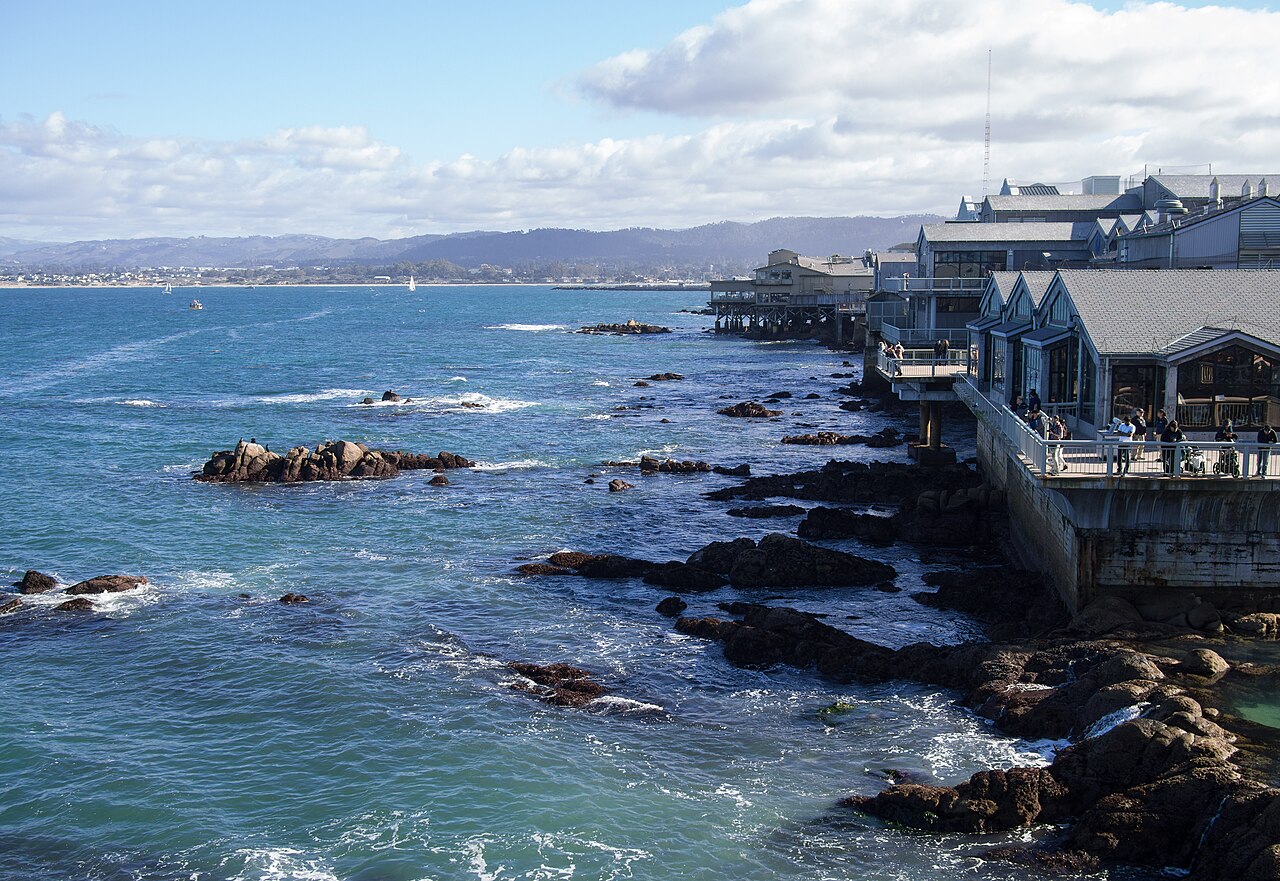
Outside, Cannery Row combines waterfront views with reminders of Monterey's sardine-canning history. Follow the Monterey Bay Coastal Recreation Trail toward Fisherman's Wharf for an easy way to connect sights without repeatedly moving your car. The route offers places to pause and watch the water, although pedestrians and cyclists share sections. Add Monterey State Historic Park if you want context beyond the shoreline; consult California State Parks for current building access and guided-tour availability before planning an interior visit.
Walk Pacific Grove and Explore Point Lobos
For a close-to-town coastal outing, head to Pacific Grove and walk around Lovers Point and along the shoreline toward Asilomar. You can make this a short outing or link several waterfront segments, depending on your energy and the wind. Rocky coves, open-ocean views, and benches make the area rewarding even if you are not looking for a strenuous hike.
South of Carmel, Point Lobos State Natural Reserve offers trails through Monterey cypress and pine landscapes to coves and rocky overlooks. Follow designated routes and expect uneven surfaces in places. Parking is limited, so arrive with a backup plan rather than assuming immediate entry. Check the reserve's official California State Parks page for current access rules, trail closures, and any reservation requirements. If you prefer a scenic drive, 17-Mile Drive provides another Peninsula option, with paid access and posted stopping areas.
Watch Wildlife from Shore or Get on the Water
Monterey Bay supports rich marine life, and you do not need a boat to start looking. Scan kelp beds for sea otters and watch rocky shoreline areas for harbor seals and sea lions from public paths. Binoculars help you enjoy animals without approaching them. Never feed wildlife, and give resting animals plenty of space rather than moving closer for a photograph.
Whale-watching trips add a different perspective, but sightings, sea conditions, and departure decisions vary. Choose an outing that fits your available time and comfort on open water, and keep another activity available if weather changes the plan. Kayaking is another possibility in suitable conditions; guided trips can help visitors understand local routes and wildlife-viewing practices. For an additional wetland setting, consider Elkhorn Slough near Moss Landing, where shore-based observation and guided water outings offer alternatives to the open bay.
Book this experience
Monterey Bay Coastal Recreation Trail Biking
Varies (estimate) · Partner link · Viator
Make It Work with Kids
Families often do best with one major attraction each day and short outdoor stops around it. Pair an aquarium visit with a nearby waterfront walk rather than immediately driving to another large destination. Bring layers and snacks, since wind can turn a pleasant pause into a quick retreat. Keep younger children close on busy shared paths and near unprotected shoreline edges.
Dennis the Menace Playground at El Estero Park offers a change of pace from exhibits and scenic overlooks. Pacific Grove's waterfront also makes it easy to combine a short walk with time to watch birds and boats. Beach stops are useful for sand play, but cold water, surf, and changing conditions deserve respect. For tide-pool exploring, check tides beforehand, use established access points, and look without collecting or disturbing animals. Verify current park facilities and accessibility through official local or park websites.
Keep a Rainy-Day Plan That Still Feels Like Monterey
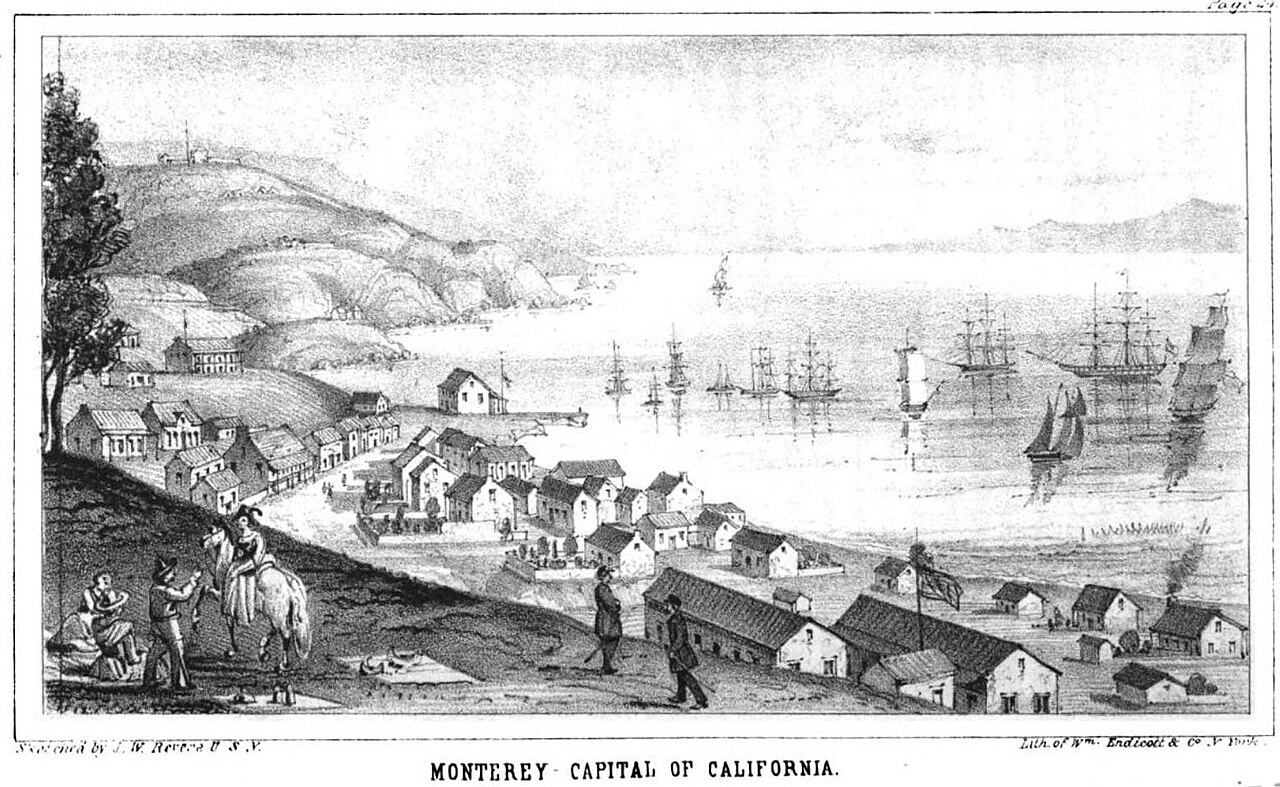
The aquarium is the obvious rainy-day anchor, but it is not the only way to spend a wet afternoon. Monterey's historic district provides another layer of the city, with adobe buildings and sites connected to its role in California history. Some spaces have limited or changing public access, so check Monterey State Historic Park's official information before assuming every building is open.
The Monterey Museum of Art is another indoor option, particularly if you want a slower pace after a busy waterfront morning. Leave room for a relaxed meal and a short harbor walk if the rain breaks. Avoid using poor weather as a reason to force a long Big Sur drive; clouds can obscure views, and storms can affect roads. Check official park alerts and Caltrans conditions before leaving town, and keep your outdoor plans local when the forecast is unsettled.