
The best time to visit Monterey depends less on beach heat than on the kind of coast you want to experience: misty summer mornings, spring wildflowers, or clearer fall afternoons. For a two- to four-day trip, spring through fall offers plenty of opportunities for waterfront walks and wildlife watching, while winter can reward flexible travelers with quieter streets between Pacific storms.
Spring: Wildflowers and a Fresh Coastal Landscape
Spring brings green hills, coastal wildflowers, and a mix of bright afternoons and passing rain. March can still feel wintry, while April and May generally offer longer daylight for exploring the Monterey Bay Coastal Recreation Trail, Pacific Grove, and nearby Point Lobos State Natural Reserve. Pack a wind-resistant layer even when the inland forecast looks warm; exposed shoreline paths often feel much cooler.
This is a rewarding season for travelers who want walking and wildlife rather than swimming. Look for harbor seals from established overlooks and enjoy flowering coastal vegetation without stepping off designated trails. Spring break can lift lodging demand, especially around family attractions. Reserve accommodations once your dates are firm, and check official California State Parks pages for trail conditions and access details before building a full day around a reserve.
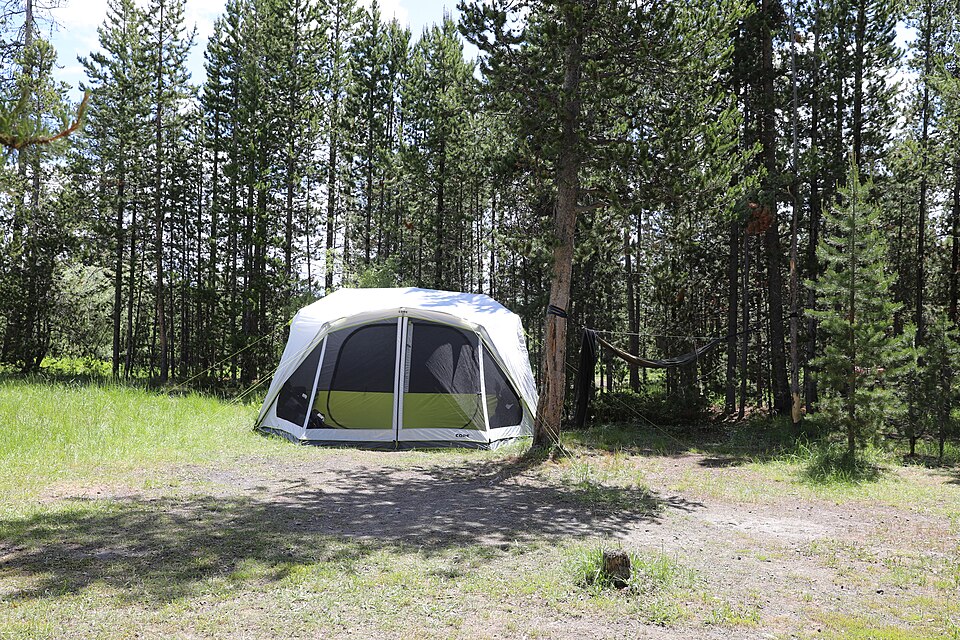
Summer: Long Days, Fog, and Busy Waterfronts
Summer is popular in Monterey, but it is not reliably hot beach weather. Marine fog can blanket the coast in the morning and sometimes linger through the afternoon. A fleece or light insulated jacket earns its place in your bag, particularly for boat trips and evening walks near Fisherman's Wharf. Plan outdoor time around flexibility rather than assuming every afternoon will turn sunny.
Families and weekend visitors make this a busy season for Cannery Row, the Monterey Bay Aquarium, and waterfront lodging. Book lodging and any must-do boat outing ahead, especially for holiday weekends. Start popular walks early and leave room for slower traffic and parking searches. If fog hides distant views, focus on close-up experiences: tide pools viewed carefully from shore, sheltered waterfront paths, or aquarium exhibits. Avoid treating cold ocean water as an ordinary swimming destination.
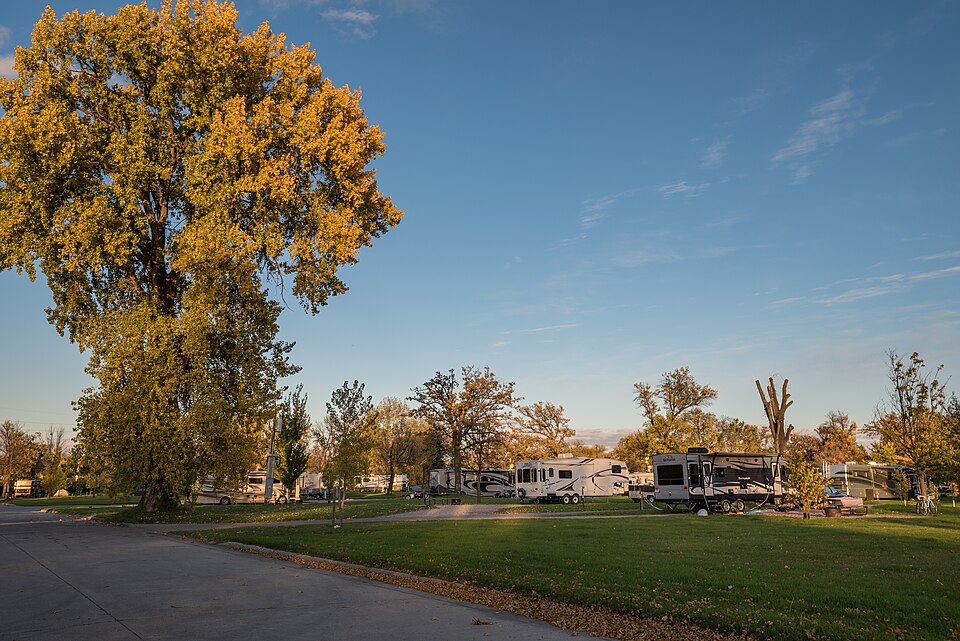
Fall: Often Clearer Skies and Comfortable Exploring
Early fall often brings some of Monterey's clearest coastal weather, making September and October appealing for scenic walking and photography. Warm spells are possible, but evenings still cool quickly. This can be an especially satisfying time to combine Monterey's waterfront with Pacific Grove, Carmel-by-the-Sea, and a carefully paced visit to Point Lobos rather than spending your whole trip behind the wheel.
Fall does not automatically mean empty roads or inexpensive rooms. Major events on the Monterey Peninsula can create sharp jumps in demand, so check the local event calendar before choosing a weekend. Later in the season, daylight shortens and rain becomes more likely. Monarch butterflies may gather seasonally in Pacific Grove, though timing and numbers vary widely. Check current sanctuary information rather than planning around a guaranteed display, and give yourself an indoor alternative.
Lock in a stay for this season
Harvest Hosts stays on the way to Monterey
Partner link · Harvest Hosts
Winter: Quieter Days Between Pacific Storms
Winter suits travelers who enjoy dramatic skies, cozy meals, and flexible sightseeing. Rain and wind can interrupt coastal walks, while storms may affect boat departures and road access farther down the Big Sur coast. Monterey itself still offers worthwhile indoor stops, including the aquarium and historic attractions, so a forecast with showers does not have to erase an entire weekend.
Bring waterproof outerwear and shoes that handle wet pavement. Choose lodging near the activities you care about so you can make short outings between showers rather than commit to a long scenic drive. Winter holidays and special events can still draw crowds, even when ordinary weekdays feel quieter. For shoreline visits, stay well back from breaking waves and never use storm conditions as a reason to approach exposed rocks. Check official park advisories and Caltrans road information before traveling south.
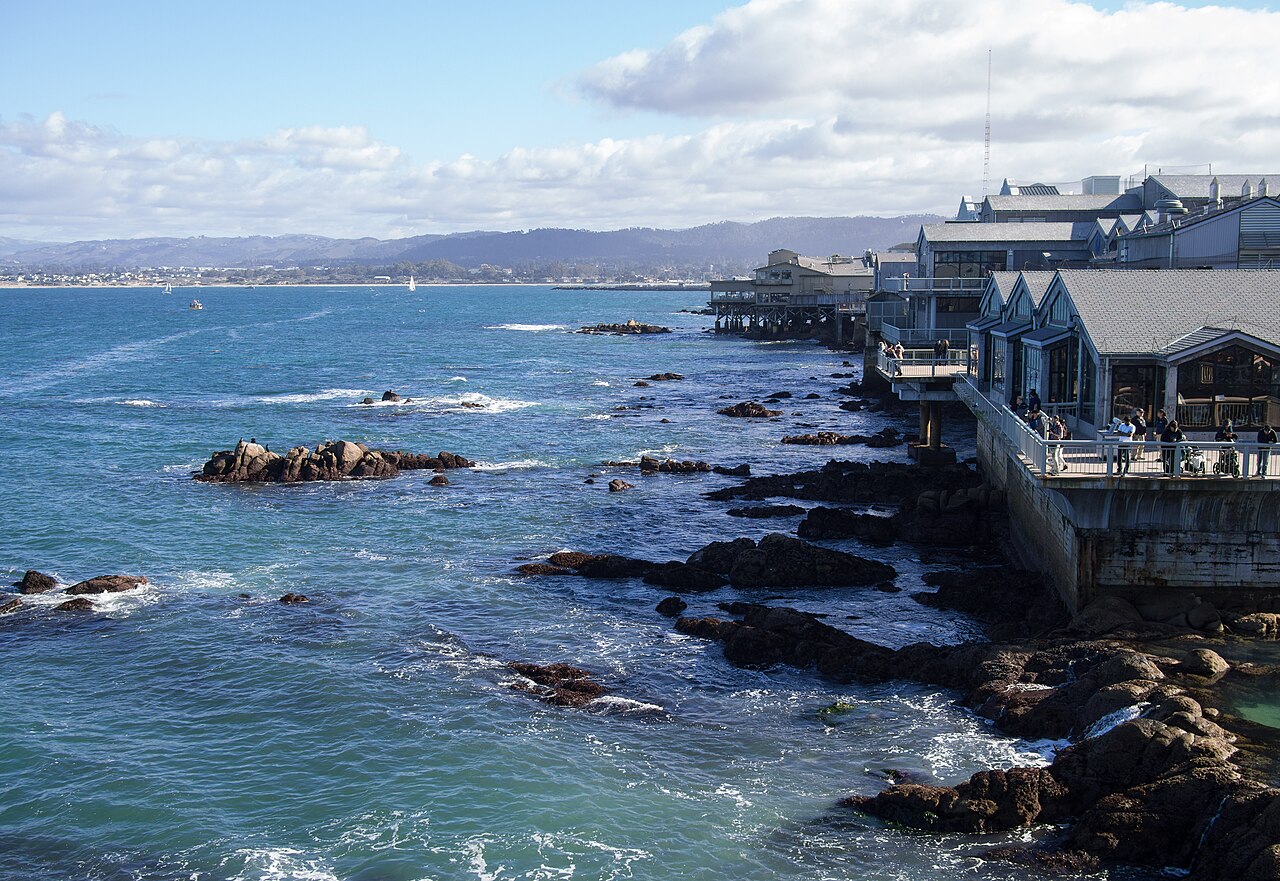
When to Reserve and How to Build a Flexible Trip
For a summer weekend, holiday, or major Peninsula event, begin looking at accommodations several months ahead. Spring and fall weekdays may offer more flexibility, but distinctive cabins, small lodging properties, and convenient family rooms can still fill early. Reserve your essential experiences first, then keep ordinary walks and neighborhood exploring movable. Check cancellation policies, especially when your plans include weather-dependent boat trips.
A useful approach is to give each day one anchor activity and one outdoor option. Pair the aquarium with Cannery Row, or a morning at Point Lobos with a shorter afternoon in Carmel. Keep a waterfront walk available for whichever day has the clearest skies. Review the official attraction and California State Parks websites for current conditions, entry arrangements, and reservations. If extending your trip to an NPS-managed destination, check its official NPS page separately.
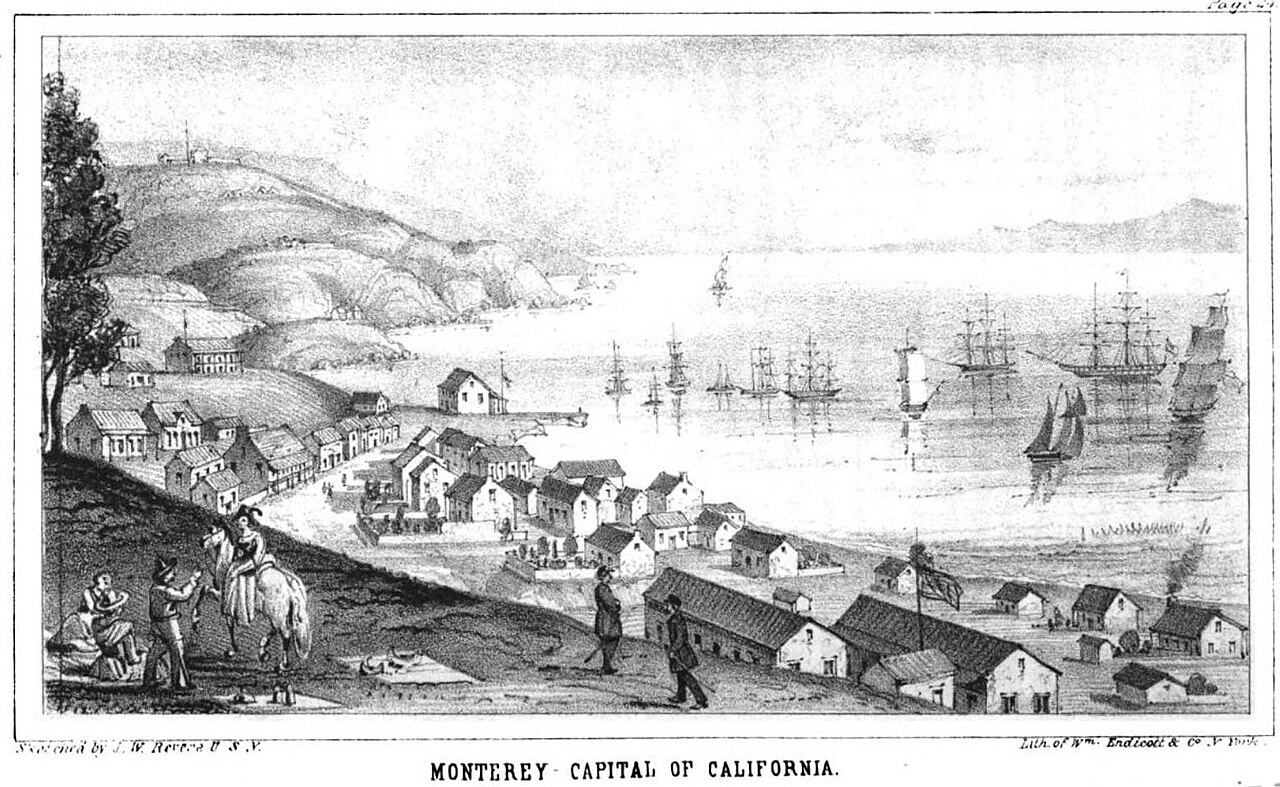
More ways to book Monterey
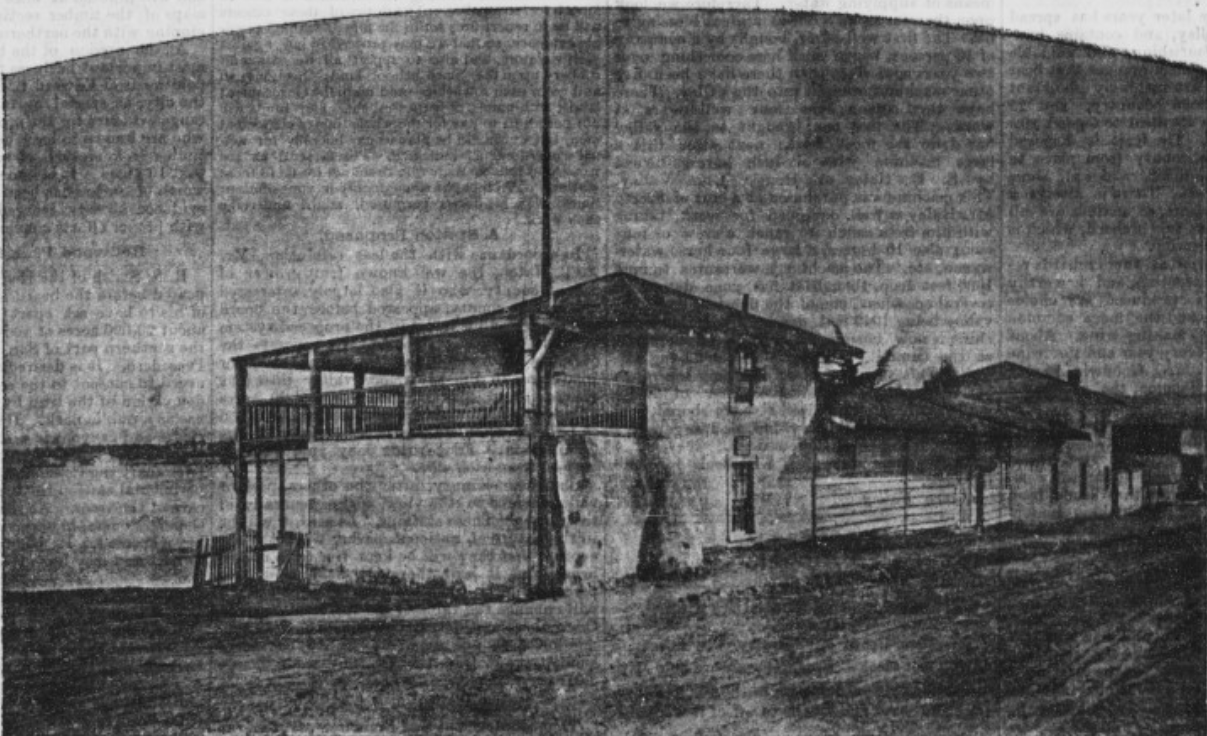 Illustrative · Pacific Rural Press
Monterey Bay Coastal Recreation Trail Biking
One of the classic ways to experience Monterey.
Varies (estimate)
Partner link · Viator