
Monterey glamping is usually about staying near the coast rather than sleeping on a secluded beach within the city. Around the wider Peninsula, Carmel Valley, and Big Sur, outdoor-oriented accommodations can range from furnished tents to cabins and other structured stays, depending on current offerings. Choose your location before choosing the look of the lodging: a beautiful remote setting may add substantial driving to an aquarium visit or a waterfront dinner.
What Glamping Near Monterey Actually Means
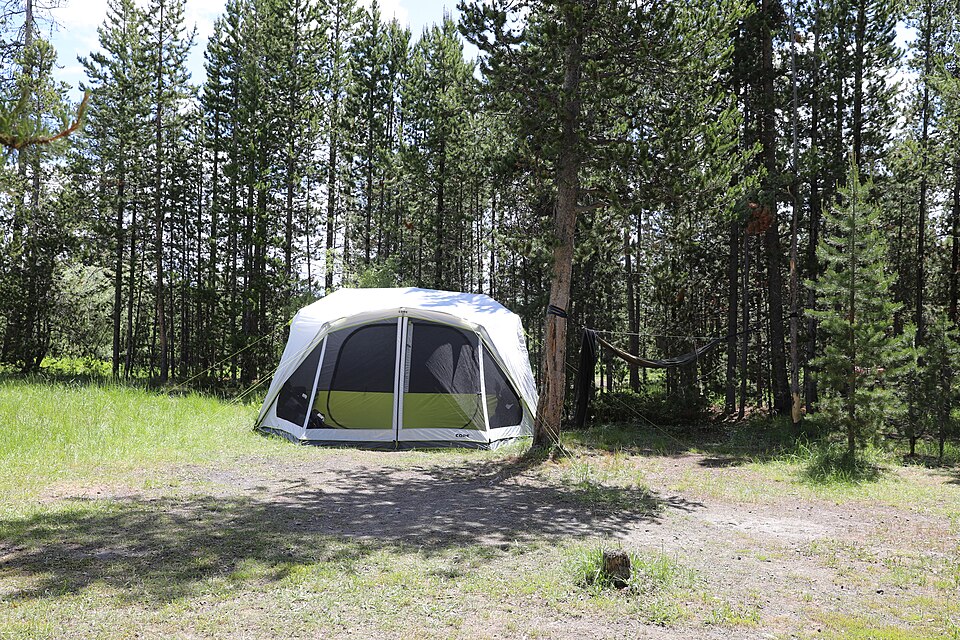
Glamping is a broad lodging label, not a consistent amenity standard. A furnished tent may include a real bed but still require a walk to shared bathrooms; a cabin may provide solid walls without a kitchen or private shower. Around Monterey, focus on the actual setup rather than expecting every outdoor stay to resemble a hotel room. Coastal dampness and cool nights can matter even during summer.
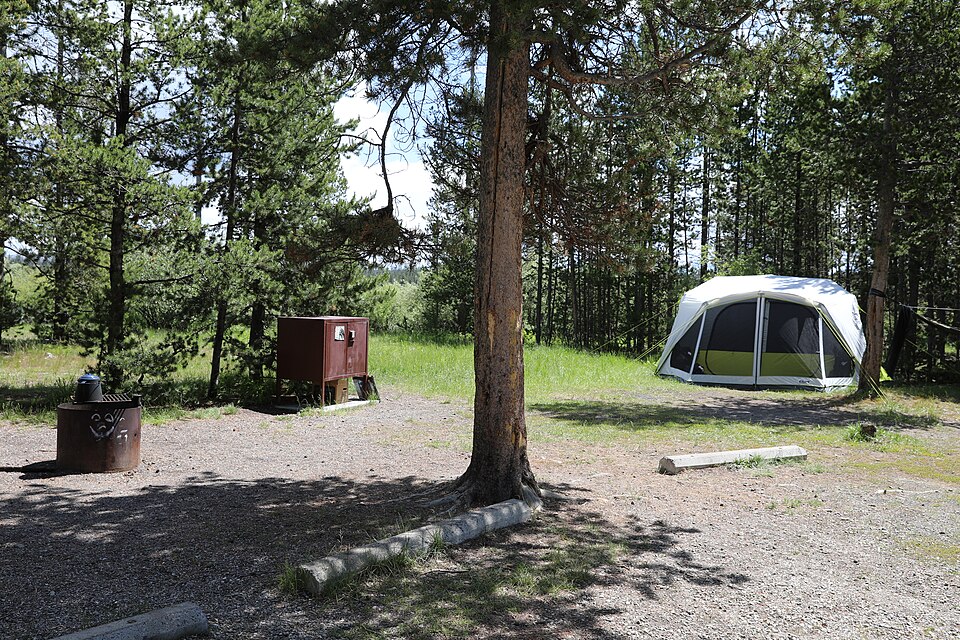
Before reserving, confirm bedding, heating, electricity, bathroom arrangements, cooking facilities, and where your vehicle can park. Ask whether the unit is insulated and whether the sleeping area can be secured against wildlife getting into food. Check accessibility details directly if steps, uneven paths, or shared facilities would affect your stay. Photographs rarely explain everything. Also verify minimum stays, cancellation terms, pet policies, and any restrictions on outside food preparation or open flames.
Where to Base Yourself: Peninsula or Carmel Valley
If the aquarium, Cannery Row, and Pacific Grove are priorities, look first at the Monterey Peninsula and nearby established lodging or campground areas. Availability of genuinely furnished outdoor units may be limited compared with conventional rooms, so stay flexible about the accommodation style. A simple cabin or campground-based rental can be more practical than a distant tent when you want short sightseeing days.
Carmel Valley offers a different setting, with inland hills and generally warmer daytime conditions than the exposed shoreline. It can suit travelers who want a quieter base and do not mind driving to the bay. Confirm the property's actual address and route, since a listing marketed with the Monterey name may be well outside town. Check whether food shopping and evening meals require additional driving. Compare total travel effort, not just the appearance of the accommodation.
Big Sur: A Separate Coastal Base, Not a Quick Commute
Big Sur is worth considering when your main goal is time among dramatic coastal landscapes and redwood settings. Outdoor-oriented lodging in the region may include cabins or furnished tent-style accommodations, but offerings vary and should be verified with the property. Treat this as a distinct base south of Monterey rather than assuming easy back-and-forth trips for every meal and attraction.
Highway 1 is central to planning, and closures can alter access substantially. Check Caltrans road information and official California State Parks alerts before booking and again before departure. Ask the accommodation which approach is currently available and what happens if access changes. Mobile service can be limited, so save directions and arrival instructions offline. Plan groceries and fuel ahead, observe posted fire restrictions, and keep food secured according to property guidance rather than leaving it outside your unit overnight.
Choosing a Season for an Outdoor Stay
Spring and fall can be rewarding for glamping around Monterey, especially if you want coastal walks without the busiest summer atmosphere. Spring may bring wet weather and muddy paths, while fall can offer clearer coastal afternoons before winter rain becomes more likely. Inland Carmel Valley can feel quite different from the waterfront, so check a forecast for the lodging location rather than only for Monterey.
Summer brings high demand and long daylight, but fog and chilly evenings remain part of the coastal experience. Confirm heating or adequate bedding before choosing a tent-based stay. Winter requires more attention to weatherproofing, drainage, road access, and cancellation flexibility. For popular weekends, begin searching several months ahead, especially if you need a private bathroom or family-sized unit. Always check current park conditions, official reservation information, and property-specific access guidance before committing to a weather-sensitive trip.
Glamping vs. Camping vs. an RV Stay
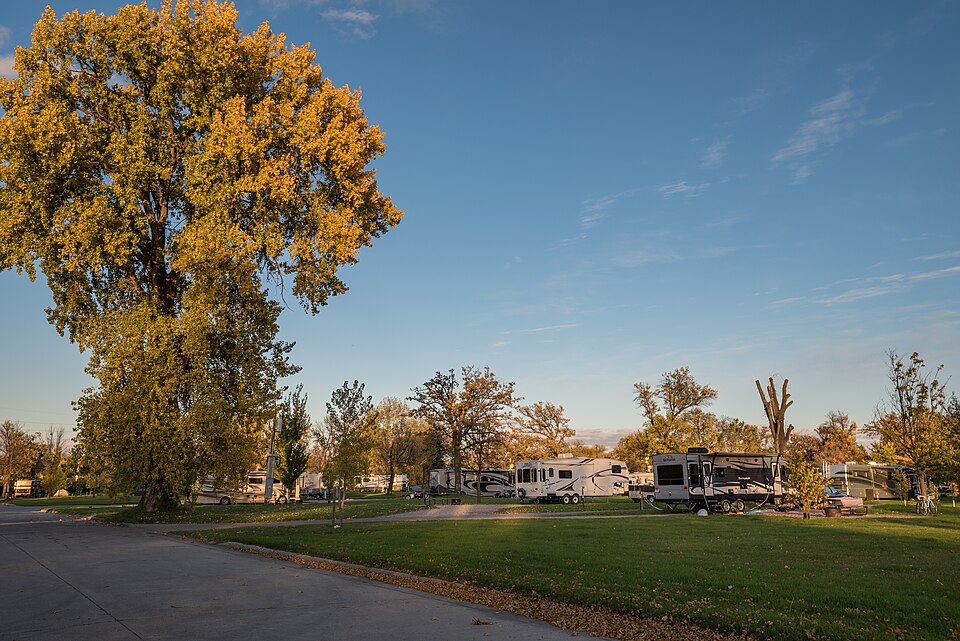
Choose glamping when you want an outdoor setting without transporting a full sleep system and shelter. Traditional camping gives you more control over gear and may reduce lodging costs, but it adds setup, weather management, and equipment needs. RV travel provides another form of shelter, yet site dimensions, hookups, wastewater arrangements, and vehicle restrictions become important parts of the reservation rather than minor details.
Compare the complete rough trip cost: accommodation, cleaning or service fees, parking, equipment rental, fuel, and meals. A furnished tent is not automatically cheaper than a room, and an RV site may not include every utility you need. Public campgrounds generally require you to bring your own shelter unless a specific rental is listed. Use official park reservation pages for public sites, check current fire and food-storage rules, and choose the format that supports your actual sightseeing plans.