
Monongahela National Forest is a place to build your trip around a few memorable landscapes rather than a packed checklist. Its West Virginia mountains hold quartzite fins, spruce-covered summits, broad backcountry plateaus, and shaded waterfall trails. For a two- to four-day visit, choose a northern base around Seneca Rocks or a southern base near Marlinton, then pair one substantial outing each day with a shorter walk or scenic stop nearby.
Hike to the Seneca Rocks Observation Platform
Seneca Rocks is one of the forest's most recognizable landmarks, with a dramatic rock fin rising above the valley. The established hiking trail climbs through woods toward an observation platform near the formation. It is roughly three miles round trip, with a sustained uphill stretch that feels more demanding than the distance alone suggests.
Start early in warm weather and bring water, snacks, and footwear suited to uneven ground. The observation platform is the hiking destination; the exposed rock formations beyond developed visitor areas are not a casual extension of the walk. Technical climbing requires specialized skills and equipment. If your group does not want the climb, enjoy the valley-level views instead. Check the official forest website for current trail and visitor-facility information, and leave time afterward for a quiet picnic rather than immediately driving to another distant trailhead.
Explore Spruce Knob and Dolly Sods
Spruce Knob, West Virginia's highest point, offers a compact introduction to the forest's high-elevation environment. A short summit-area walk and observation tower provide views when clouds cooperate. Wind, fog, and cooler temperatures are common reasons to carry another layer even when the valley feels warm. Access roads are winding, so the approach is part of the outing rather than a quick highway detour.
Dolly Sods Wilderness delivers a different experience, with open rocky areas, heath vegetation, spruce, and extensive backcountry trails. Routes can be muddy, and junctions require attention. Choose a clearly understood out-and-back rather than improvising a long loop. Download maps before arrival and remain on established routes; visitors are warned about unexploded ordnance from historic military training. Check official access information before driving in, because seasonal road closures can change which trailheads are reachable.
Drive the Highland Scenic Highway and Visit Waterfalls
The Highland Scenic Highway is a rewarding choice when you want mountain scenery without committing to a full day on foot. Its Route 150 section includes high-elevation overlooks where you can stretch your legs and watch clouds move across forested ridges. Pack food and fuel up beforehand rather than expecting frequent services along the scenic portion.
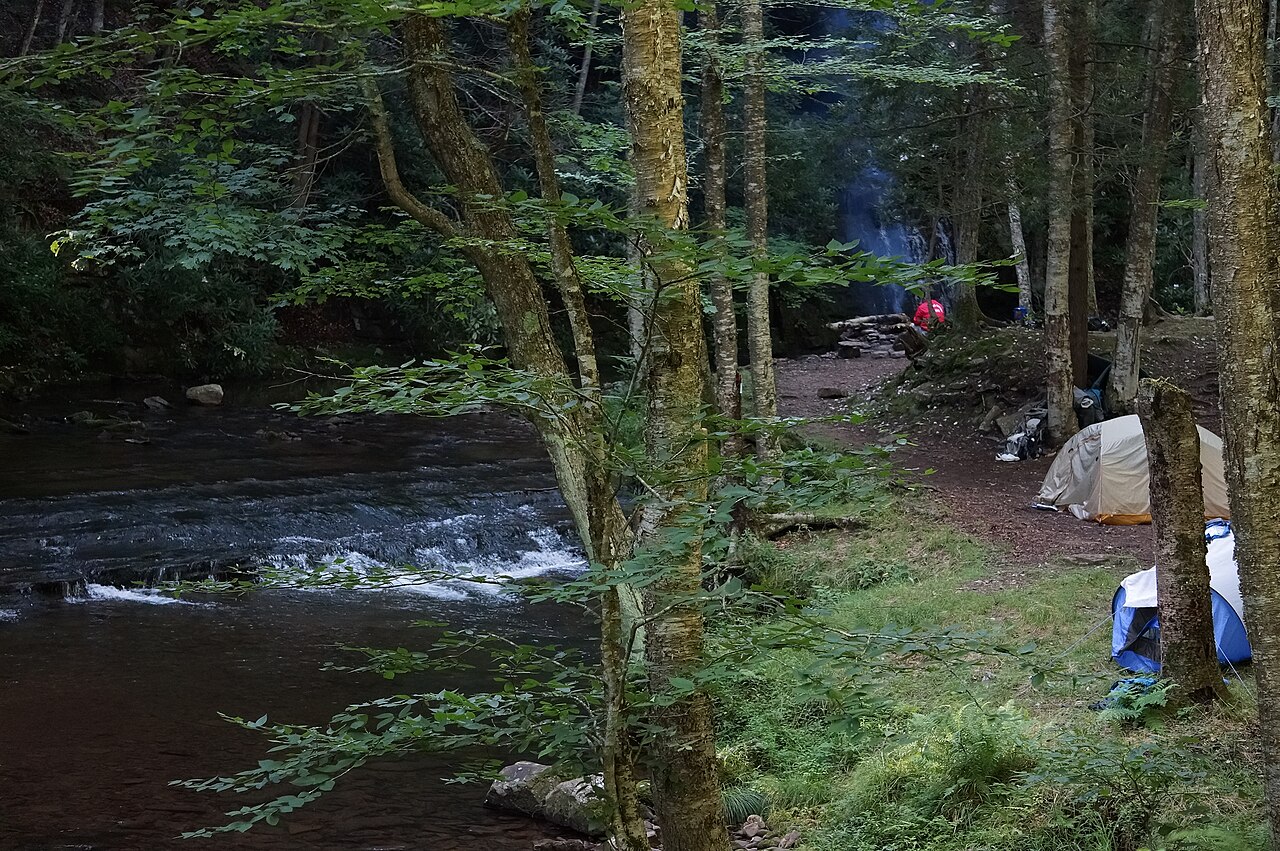
In the southern part of the forest, the Falls of Hills Creek adds a water-focused outing. The trail visits a series of three waterfalls, with stairs and a substantial descent on the longer route. Remember that the return requires climbing back up. Pair this stop with the broader Cranberry area rather than trying to add Seneca Rocks the same afternoon. Stay on designated viewing routes, keep away from slippery edges, and check the official forest website for trail closures and seasonal road conditions before setting out.
Find Family-Friendly Walks and Wildlife Moments
For children, shorter outings with a clear destination often work better than a long wilderness loop. Spruce Knob's summit area offers rocks, wind-shaped trees, and a tower to look forward to. Cranberry Glades Botanical Area provides a boardwalk experience through an unusual high-elevation wetland landscape. Stay on the boardwalk to protect fragile plants, and verify current access before promising this stop to your group.
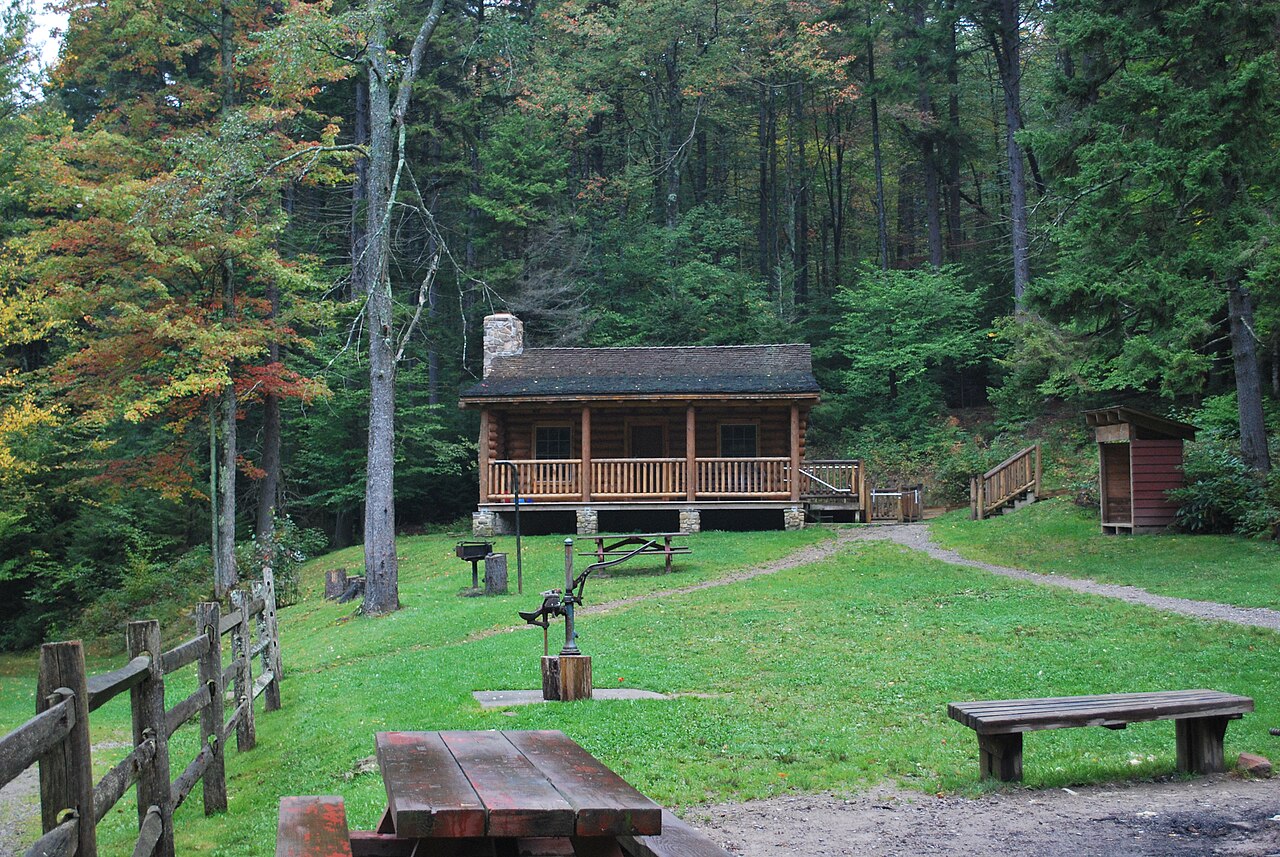
Wildlife watching is usually most rewarding when you slow down. Look for songbirds along forest edges and watch quietly for deer from a distance. Black bears live in the region, so store food and scented items according to campground rules and never feed animals. At streamside picnic stops, choose an established site instead of scrambling down steep banks. Bring binoculars, extra snacks, and a dry layer; a relaxed hour observing water and birds can become the day's highlight.
Make a Useful Rainy-Day Plan
Rain does not have to cancel the trip, but it should change the objective. Exposed overlooks, steep rock surfaces, and routes with stream crossings are poor substitutes for a dry-weather plan when conditions deteriorate. During thunderstorms, skip ridge walks and wait in an appropriate enclosed shelter rather than trying to squeeze in one more viewpoint.
For light rain, consider a short woodland walk on an open, maintained route, followed by time in a nearby town. Elkins works well for a northern-region reset, while Marlinton is useful for a southern itinerary. Look for local exhibits, a meal, or supplies without assuming any particular attraction will be open. The Seneca Rocks Discovery Center or Cranberry Mountain Nature Center may offer interpretive options when operating. Check official seasonal schedules before driving there, and use the downtime to review trail conditions for the following day.