
Monongahela National Forest glamping usually means staying near the forest in a furnished cabin or a privately operated tent-style accommodation, then driving to trailheads and overlooks. It is not one standardized lodging experience, and a scenic listing may still involve a substantial drive to your planned hikes. Choose the part of the forest you want to explore first, then compare beds, bathrooms, heating, road access, and cooking arrangements before choosing your stay.
What Glamping Looks Like Around the Forest
The most practical comfort-focused option around Monongahela is often a cabin rather than a luxury tent. Private properties in the surrounding mountain region may also offer furnished tents or other unusual structures, but availability and amenities change. Treat each listing as an individual accommodation, not as evidence that the national forest itself provides a particular style of glamping.
Start with the essentials: an actual bed, weather protection, bathroom access, and a reliable way to stay warm during your travel season. Then check whether linens, towels, cookware, and drinking water are included. A private bathroom may be inside the unit, in a separate building, or absent altogether. Ask about parking distance, steps, and the surface of the approach road. Photos of a firepit or mountain view do not explain whether arriving after dark or carrying supplies in wet weather will be straightforward.
Choose a Northern Gateway for Mountain Landmarks
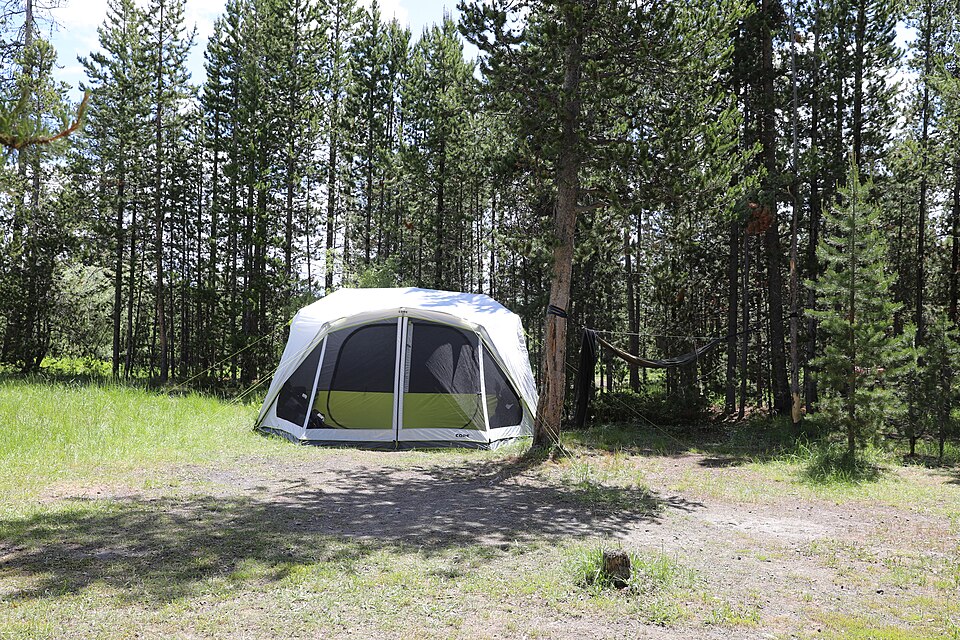
For Seneca Rocks and Spruce Knob, focus your search around Seneca Rocks, Riverton, and the nearby valleys. These areas suit travelers who want to spend their days on the eastern side of the forest without returning to a larger town every evening. A rural setting can mean fewer nearby food options, so verify kitchen facilities and plan a grocery stop before arrival.
Davis and Thomas are useful search areas for a trip oriented toward Dolly Sods and the Canaan Valley region. Elkins provides another town-based option for exploring the broader northern forest, though it is not equally close to every headline destination. Compare the actual property location with your chosen trailhead, not just the destination name in a listing. Winding roads and seasonal closures can turn an apparently nearby accommodation into a less convenient base than the map initially suggests.
Look South for Cranberry Country
If your priorities are Cranberry Glades, the Falls of Hills Creek, and the Highland Scenic Highway, search around Marlinton and Hillsboro rather than automatically booking near Dolly Sods. The southern forest makes a strong base for a quieter itinerary built around wetlands, waterfalls, and mountain-road overlooks. Cabins and other private rural stays can simplify evenings after a day of exploring.
Look carefully at food storage, cooking equipment, and the distance to groceries. A remote accommodation without a usable kitchen can create extra driving at the end of each day. Confirm whether the approach uses steep or unpaved roads and whether the host provides seasonal access guidance. Avoid choosing a single southern base for daily trips to every northern landmark. Monongahela covers too much ground for that to feel relaxed; split your stay or narrow the sightseeing plan to match your overnight location.
Where to sleep
Harvest Hosts stays on the way to Monongahela National Forest
Partner link · Harvest Hosts
Pick the Season and Check Comfort Details
Summer is the simplest starting point for tent-style glamping, but mountain nights can still call for warm bedding. Ask whether a furnished tent has electricity, ventilation, screened openings, and a suitable heating arrangement if one is advertised. Spring and fall bring greater temperature swings, making an insulated cabin an easier fit for travelers who prioritize dependable indoor comfort over sleeping under canvas.
Fall weekends are popular for scenic drives and foliage, so reserve early once your dates are settled. For winter, verify both the accommodation's heating and the maintenance of its access road. An open rental does not mean nearby forest roads or recreation facilities are accessible. Check the official Monongahela National Forest website for current conditions and closures. Review cancellation terms before booking, and ask how the property handles weather-related access problems without assuming a refund or alternate stay will be available.
Glamping vs. Tent Camping vs. an RV
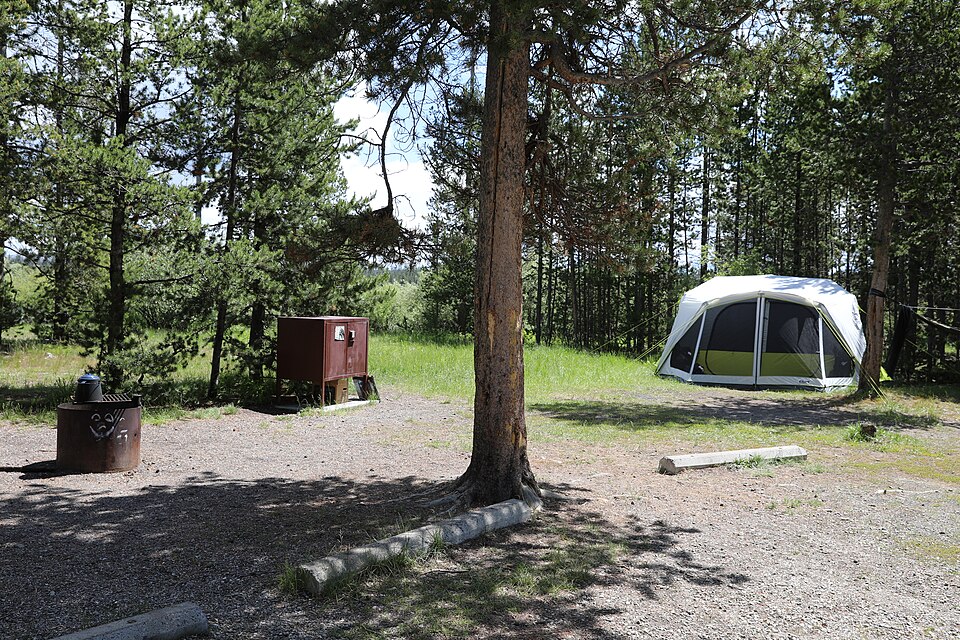
Tent camping generally keeps lodging costs lower and puts you closer to a traditional forest experience, but you supply the sleeping system and handle more weather exposure. Established forest campgrounds vary in facilities; do not assume showers, electricity, or full hookups. Glamping trades some of that self-sufficiency for a furnished space, with costs usually higher and highly dependent on amenities, season, and location.
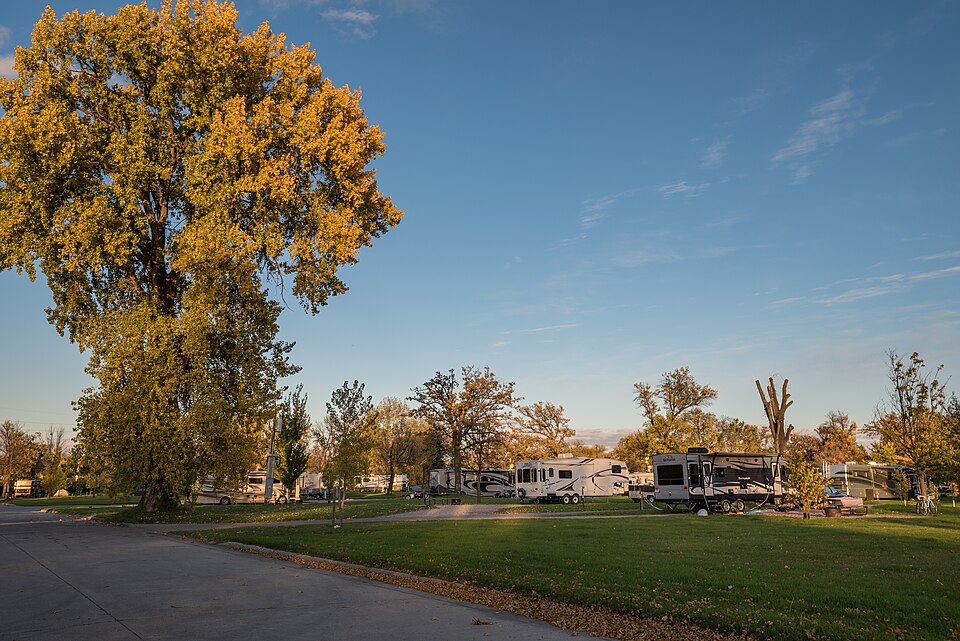
An RV provides your own sleeping and cooking setup, but campsite length limits, hookups, road grades, and turning space matter. Check the specific campground and approach route before booking or driving in. For any option, compare the full estimated stay cost, including possible cleaning charges, extra-person fees, pet rules, and equipment needs. Use official Forest Service campground pages and linked reservation systems for public campsites. For private stays, verify amenities directly and follow local fire restrictions and food-storage guidance.