
The best time to visit Monongahela National Forest depends on whether you want green mountain trails, comfortable camping nights, or autumn overlooks. Summer and fall are the easiest starting points for a first trip, while spring rewards flexible travelers with rushing streams and quieter trailheads. Across this large West Virginia forest, elevation changes the experience: a mild afternoon in a valley can coincide with cold wind or fog on an exposed ridge.
Spring: Waterfalls, Wildflowers, and Flexible Plans
Spring arrives unevenly across the forest. Lower valleys green up before high places such as Spruce Knob and Dolly Sods, where cold conditions can linger. Snowmelt and rain add energy to streams, making the Falls of Hills Creek an appealing stop when the access road and walking route are open. Its stair-heavy descent deserves extra time, especially when surfaces are wet.
Plan spring hikes around actual trail conditions rather than a calendar date. Saturated ground, mud, and high water can complicate routes, particularly in backcountry areas with stream crossings. Carry layers and waterproof outerwear, and have a shorter outing ready if weather turns. Campground facilities and seasonal roads may not yet be operating. Before leaving, check the official Monongahela National Forest website for road notices, recreation-site updates, and campground opening information.
Lock in a stay for this season
RV parks near Monongahela National Forest on RoverPass
Partner link · RoverPass
Summer: Long Days for Hiking and Camping
Summer offers long daylight hours for combining a hike with a scenic drive or an unhurried campsite dinner. Higher elevations often feel cooler than nearby lowlands, which makes Spruce Knob and the open landscapes of Dolly Sods appealing during warmer months. Still, exposed routes have limited shelter, and afternoon thunderstorms can interrupt a ridge walk or overlook visit.
Choose an early start for demanding hikes, including the climb toward the Seneca Rocks observation platform. Bring drinking water rather than assuming it will be available at a trailhead. For family camping, an established campground can simplify logistics, but amenities vary considerably. Summer weekends and holiday periods attract more visitors to well-known sites. Reserve reservable campsites once your dates are firm, and confirm whether your chosen campground has drinking water, toilets, or any seasonal service limitations.
Lock in a stay for this season
Campsites near Monongahela National Forest on Campspot
Partner link · Campspot
Fall: Colorful Drives and Busy Weekends
Fall is a strong choice for travelers who want mountain views, crisp hiking weather, and roadside stops between walks. The Highland Scenic Highway, also signed as West Virginia Route 150, crosses high country with overlooks that make an excellent framework for a relaxed day. Spruce Knob and the Seneca Rocks area offer different perspectives on the forest's autumn landscape.
Leaf color does not peak everywhere at once. Higher elevations generally change earlier than lower valleys, but weather shifts the timing each year. Avoid building the entire trip around a promised peak weekend. Instead, leave room to explore several elevations. Popular fall weekends can fill nearby lodging and reservable campsites, so book ahead when dates are fixed. Pack warm sleeping layers for camping, and expect shorter daylight to reduce how many widely separated stops fit comfortably into one day.
Lock in a stay for this season
Harvest Hosts stays on the way to Monongahela National Forest
Partner link · Harvest Hosts
Winter: A Quieter but More Limited Visit
Winter changes the planning equation. Snow, ice, wind, and short days can limit access to higher elevations, and seasonal roads or facilities may be closed. The Highland Scenic Highway is not maintained for winter travel, so it should not serve as an assumed through-route in a winter itinerary. Navigation apps may not account for those limitations.
For a first winter visit, use a town-based stay and choose outings only after checking current access and weather. Elkins, Davis, or Marlinton can provide a practical starting point depending on which portion of the region you intend to explore. Carry supplies for delays and avoid relying on cell service throughout the forest. Winter recreation can appeal to experienced visitors, but it is not simply summer hiking with an extra jacket. Check official Forest Service alerts before committing to remote trailheads.
When to Book and How to Avoid the Rush
For a balanced first visit, consider weekdays in summer or a flexible fall trip that is not tied to a holiday. Spring can be quieter, but fewer operating facilities and uncertain road conditions may offset that advantage. Monongahela is spread across a large region, so choosing one or two clusters of attractions usually matters more than finding a single universally ideal month.
Book lodging and reservable campsites as soon as your plans are settled, especially for summer holidays and fall weekends. Reservation windows differ by campground; check the official Forest Service page and its linked booking system rather than assuming one rule applies everywhere. First-come sites do not guarantee availability. Recheck conditions shortly before departure, including road access, fire restrictions, and water service. Keep a weather alternative near your overnight base so a storm does not require a long, unnecessary drive.
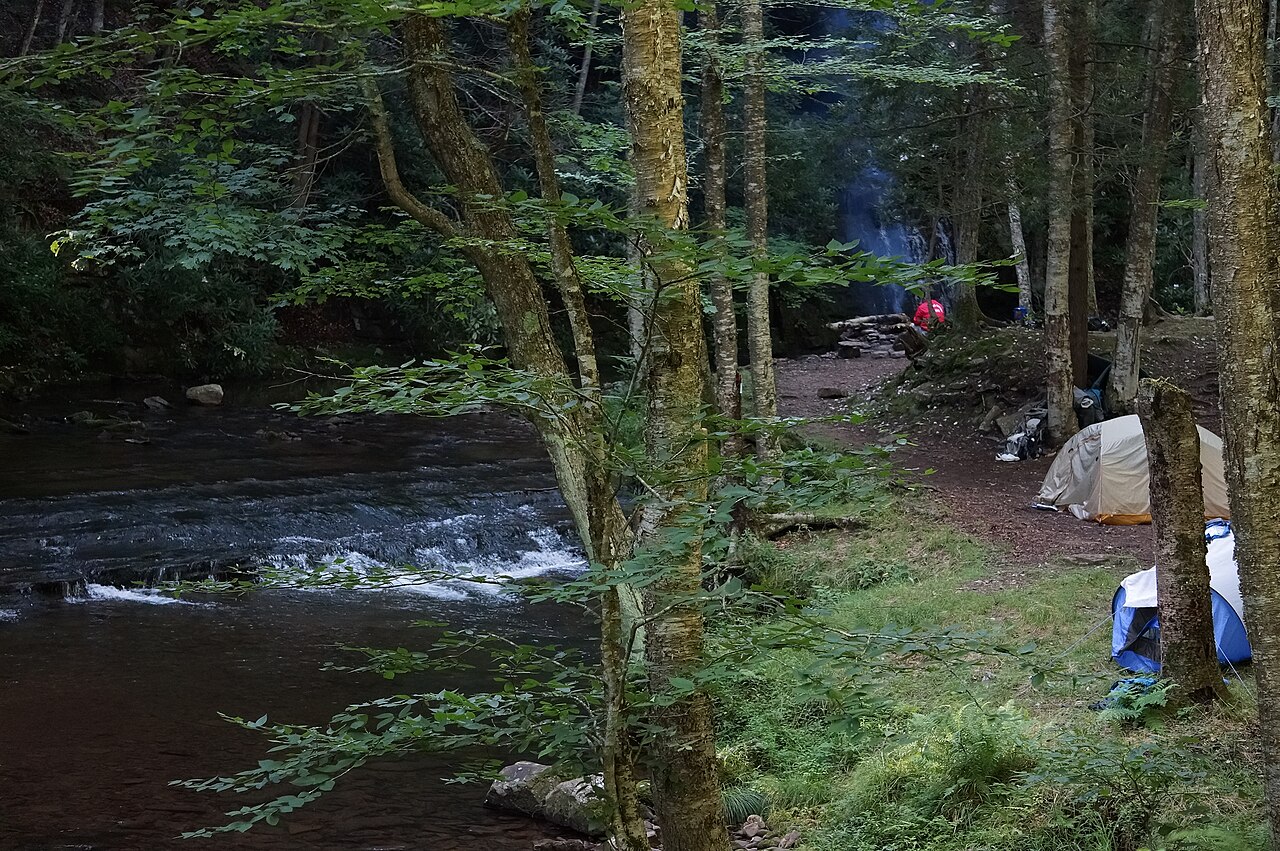
More ways to book Monongahela National Forest
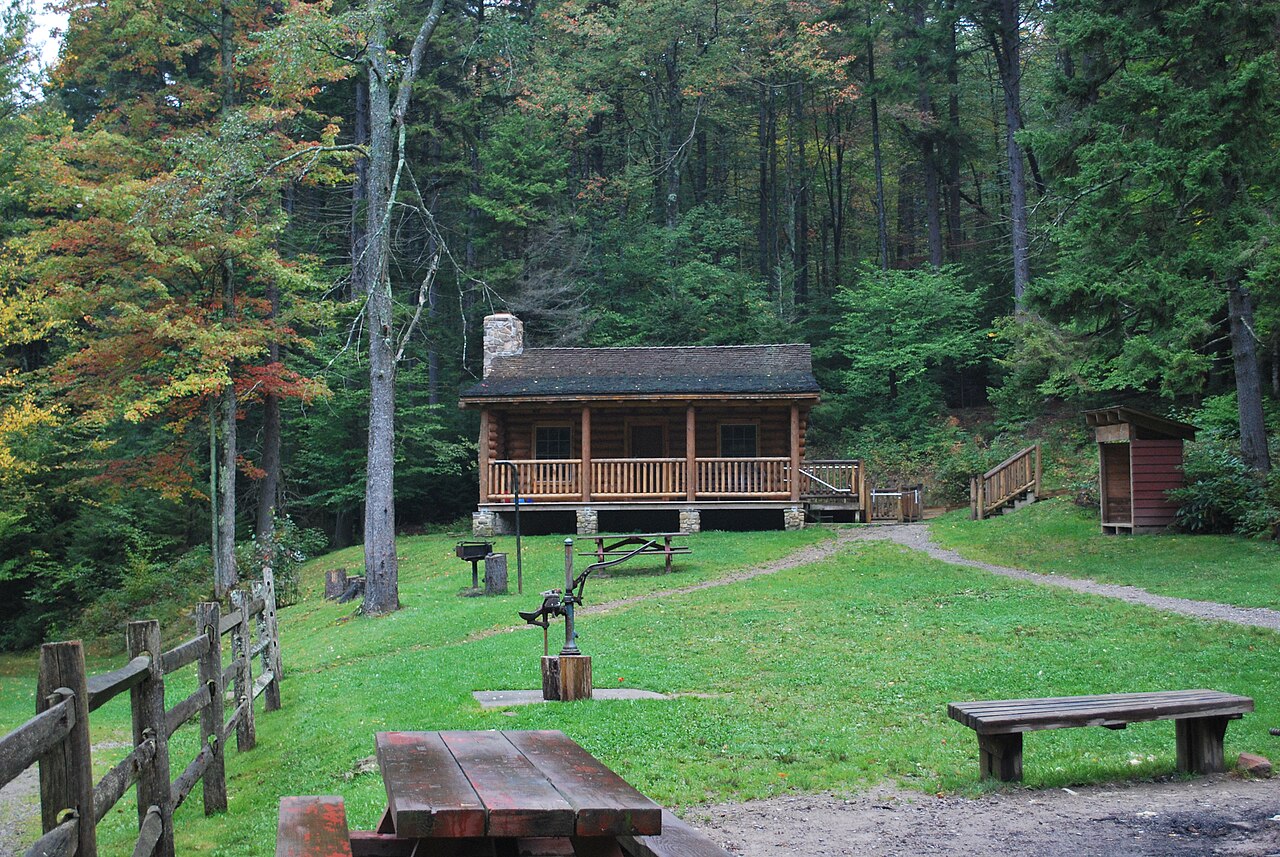 Illustrative · Brian M. Powell (user Bitmapped on en.wikipedia)
Spruce Knob Summit Visit
One of the classic ways to experience Monongahela National Forest.
Varies (estimate)
Partner link · Viator