
The Mogollon Rim is a massive geological feature that offers a playground for outdoor enthusiasts of all skill levels. Whether you are standing on the edge of the world-class limestone cliffs or paddling through the mirrored waters of a high-country lake, the diversity of activities here is staggering. This region serves as a bridge between the low desert and the Colorado Plateau, providing unique ecosystems where you can find everything from ancient fossils to soaring birds of prey.
Scenic Drives and Iconic Overlooks
The definitive way to experience the scale of the region is by driving Forest Road 300, also known as the Rim Road. This historic route skirts the very edge of the escarpment for over 40 miles, offering dozens of pull-outs where you can look out over the Tonto National Forest stretching toward the horizon. The road is gravel but generally well-maintained for passenger cars in dry weather.
Stop at the Military Sinkhole Vista or the Kehl Springs Overlook for some of the most dramatic views of the 2,000-foot drop. Along the way, you will pass through varying forest types, from thick stands of Douglas fir to open meadows where wild turkeys are frequently spotted. It is a slow-paced drive meant for lingering, so give yourself a full afternoon to explore the various spurs. Make sure your camera is charged, as the late afternoon 'golden hour' light transforms the gray limestone into a glowing tapestry of orange and pink.
Hiking the Rim Top Trail
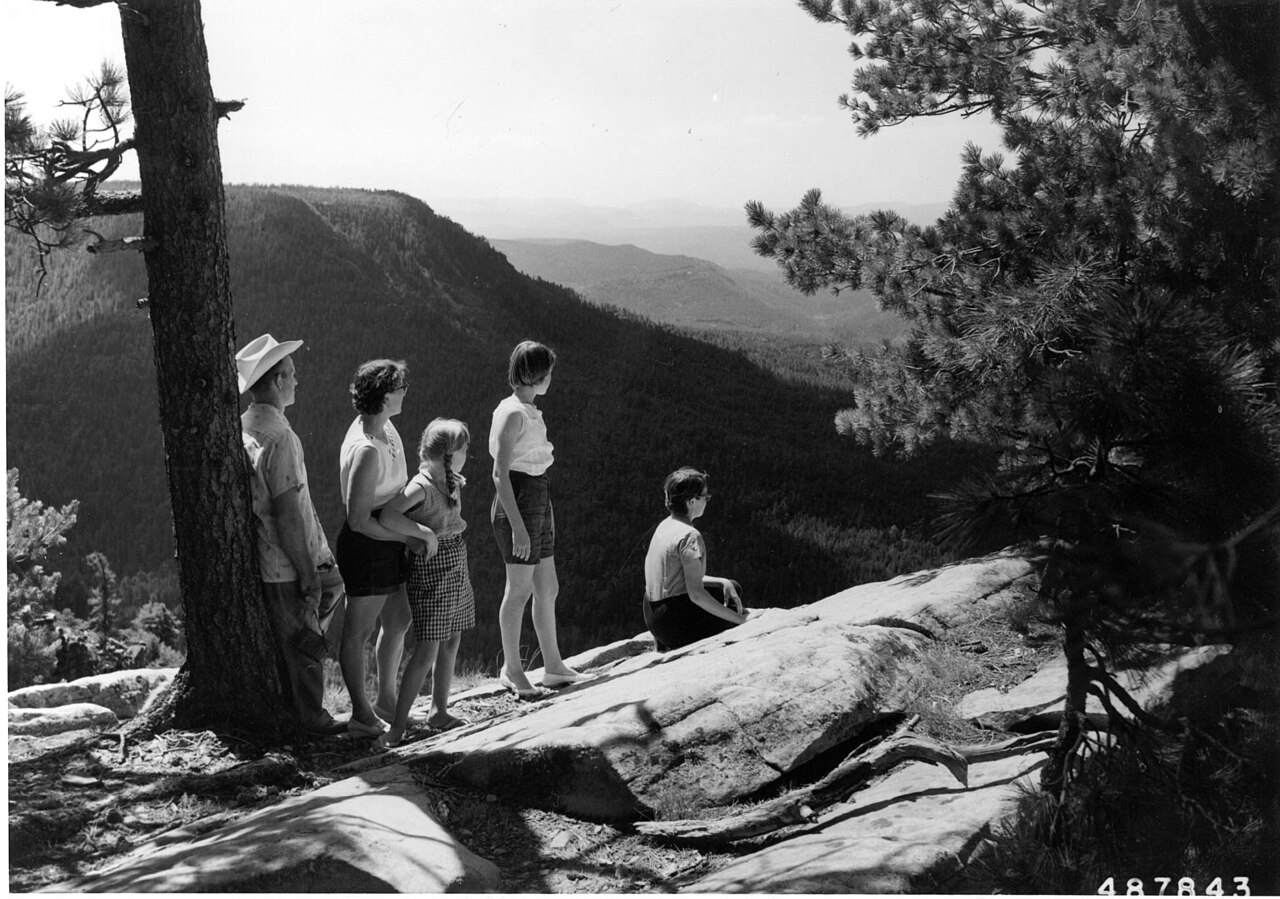
For those who want to feel the wind on their faces, the Rim Top Trail is a must. This relatively flat, well-marked path follows the contour of the cliff for several miles, providing constant views of the valley below. It is an excellent choice for families or those not yet acclimated to the high altitude. The trail winds through fragrant ponderosa pines and across rocky outcrops where you can sit and watch hawks catch thermals.
If you are looking for something more strenuous, the Highline Trail runs along the base of the Rim, offering a much more rugged and steep experience through thick brush and boulders. This historic trail was once used by settlers and outlaws to move between the small towns nestled under the cliff. Whether you stay on top or venture below, these trails offer a physical connection to the geology of the Southwest. Always carry plenty of water, even in cooler weather, as the dry air and elevation can lead to dehydration quickly.
Water Activities at Woods Canyon Lake
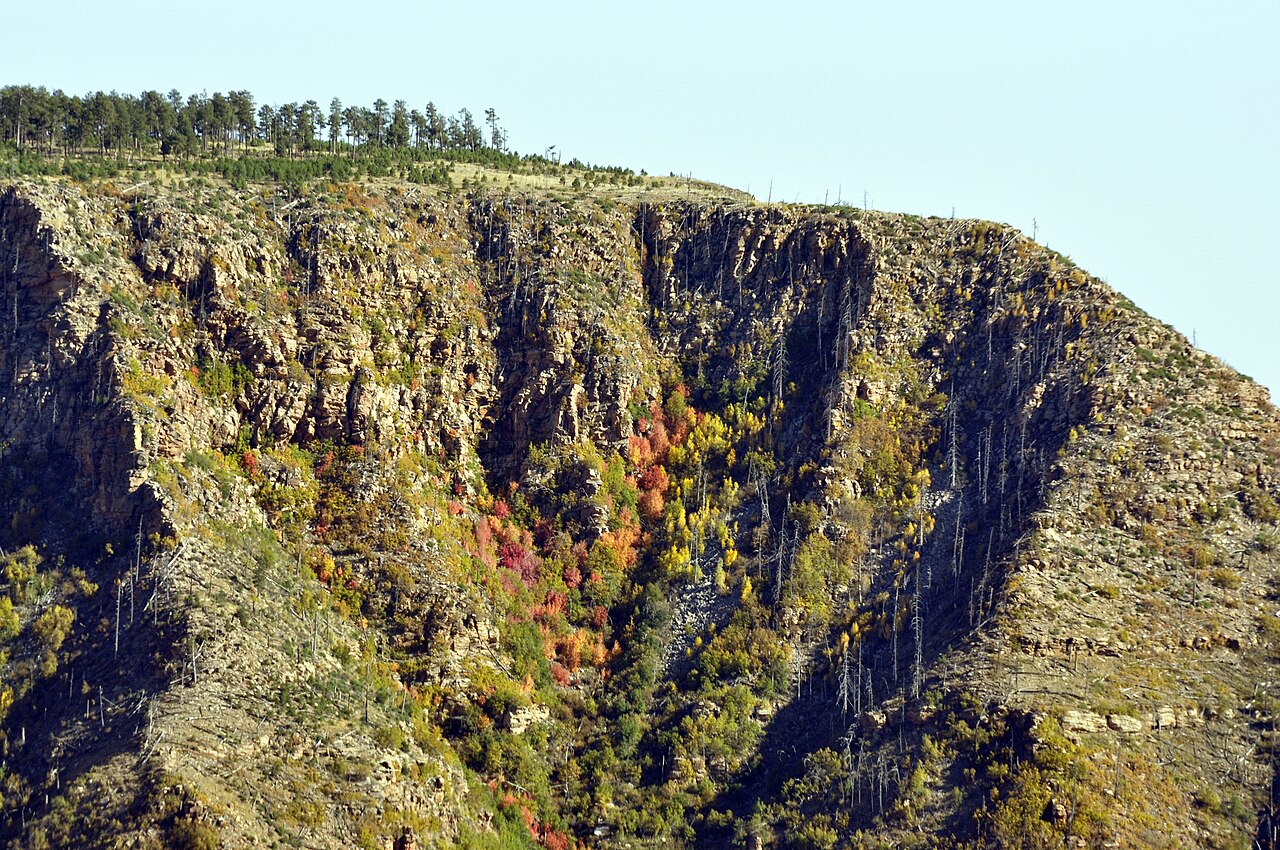
Woods Canyon Lake is the centerpiece for water-based recreation on the Rim. Located just a short drive from the main visitor information center, this lake is stocked with trout and is a favorite spot for kayak enthusiasts and shore fishermen. The lake is surrounded by a scenic hiking loop that stays close to the waterâs edge, providing plenty of shade and opportunities to spot bald eagles or ospreys hunting for fish.
Gas-powered motors are not permitted, which keeps the environment quiet and peaceful. You can rent kayaks or paddleboards at the small seasonal store near the boat ramp, or simply find a quiet cove to enjoy a picnic. Nearby Willow Springs Lake offers a similar experience but is often slightly less crowded. These lakes are perfect for a family day out, offering a cool respite where kids can explore the shoreline and learn about the local aquatic ecosystem in a safe, controlled environment.
Wildlife Watching and Nature Study
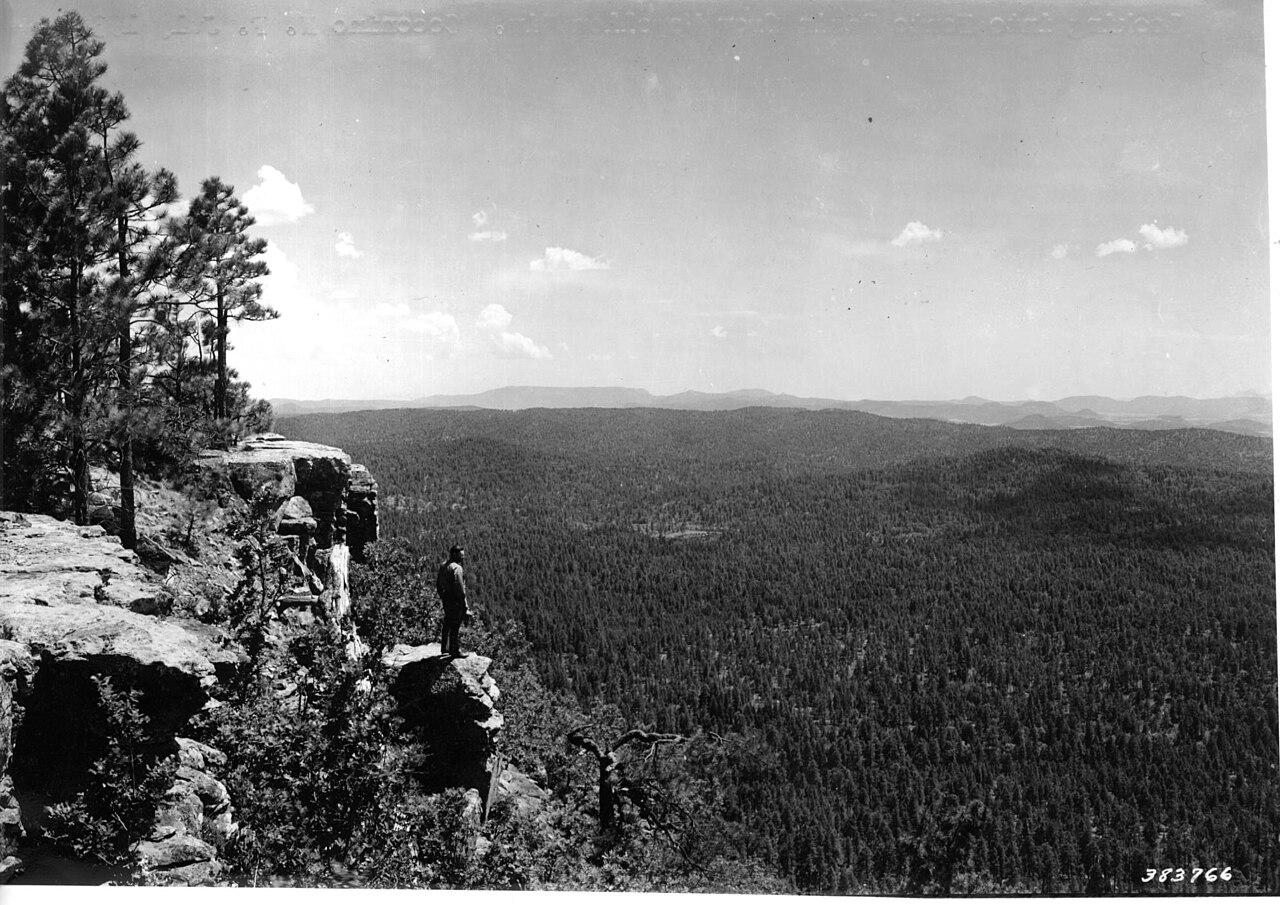
The Mogollon Rim is a biological transition zone, making it one of the best places in Arizona for wildlife viewing. Large herds of elk are common throughout the area, often seen grazing in the meadows near Coconino National Forest boundaries at dawn or dusk. Birdwatchers should look for the elegant Steller's jay, with its striking blue plumage, or the rare Mexican spotted owl in the deeper canyons.
The area is also rich in geological history; keen eyes can find marine fossils embedded in the limestone rocks, remnants of the ancient sea that once covered this land. If you are visiting with children, bring a magnifying glass and a field guide to help identify the various species of pine and wildflowers. Remember to keep a respectful distance from all wildlife, especially during the fall rut when bull elk can be unpredictable. Keeping your campsite clean is also essential to avoid attracting the local black bear population, which is active throughout the summer months.
Rainy Day Options and Gateway Towns
When the summer monsoons hit, or if you simply need a break from the sun, the nearby gateway towns of Pine and Strawberry offer plenty of charm. You can visit the Strawberry Schoolhouse, a restored 19th-century log building that serves as a reminder of the area's pioneer history. The towns are home to several local antique shops, small art galleries, and craft breweries where you can wait out a storm with a local pint.
For a unique indoor experience, check out the Tonto Natural Bridge State Park just south of Pine. While it involves some outdoor walking, the visitor center offers excellent exhibits on the formation of what is believed to be the largest natural travertine bridge in the world. Even on a rainy day, the sight of water cascading over the mossy rocks of the bridge is spectacular. These communities provide a warm, welcoming atmosphere that complements the rugged wilderness of the Rim, making them perfect for a slow-paced afternoon of exploration.