
Deciding on the best time to visit Mogollon Rim depends largely on your tolerance for mountain weather and your desire for solitude versus activity. While the desert lowlands of Arizona swelter, this high-altitude escarpment offers a cool refuge with temperatures often twenty degrees lower than Phoenix. From the blooming wildflowers of late spring to the crisp golden hues of autumn, every season brings a distinct character to the ponderosa pine forests and dramatic limestone cliffs that define this rugged landscape.
Summer: The High Season Escape
Summer is arguably the most popular time for travelers to head up the Rim. Between June and August, the region serves as a vital escape from the intense heat of the valley. You can expect daytime highs to hover in the comfortable 70s and 80s, though you should be prepared for the North American Monsoon. Starting in July, afternoon thunderstorms are frequent, often rolling in quickly with heavy rain and lightning.
These storms provide a necessary cooling effect but require hikers to be off the ridges by midday. During this peak season, the campgrounds along Forest Service Road 300 fill up weeks or months in advance. The lush greenery is at its peak during these months, and the lakes are perfect for morning paddles before the clouds build up. If you enjoy a vibrant atmosphere with plenty of fellow outdoor enthusiasts, summer is your window, but be sure to book your site early.
Spring: Wildflowers and Fresh Air
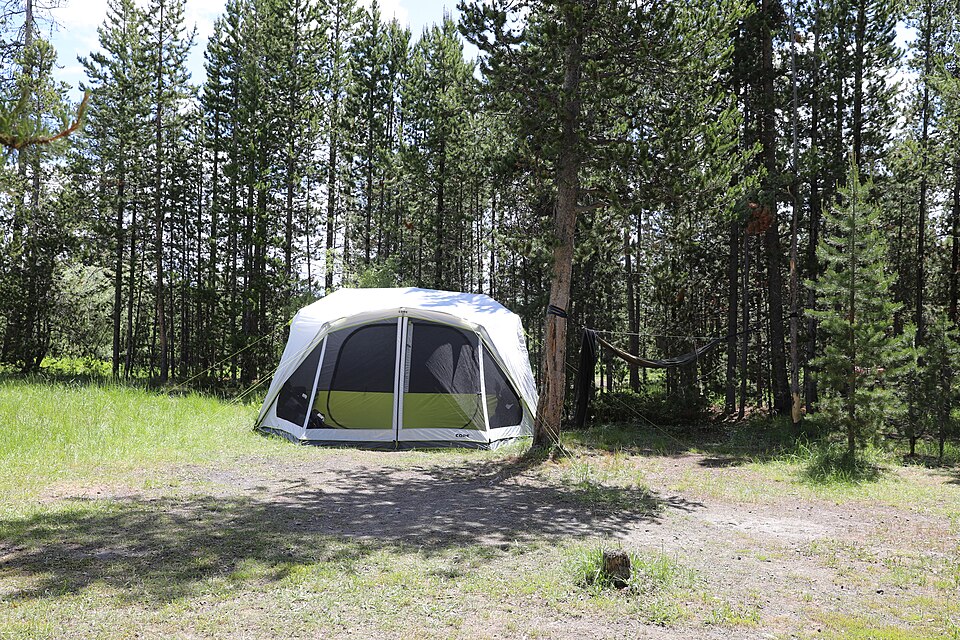
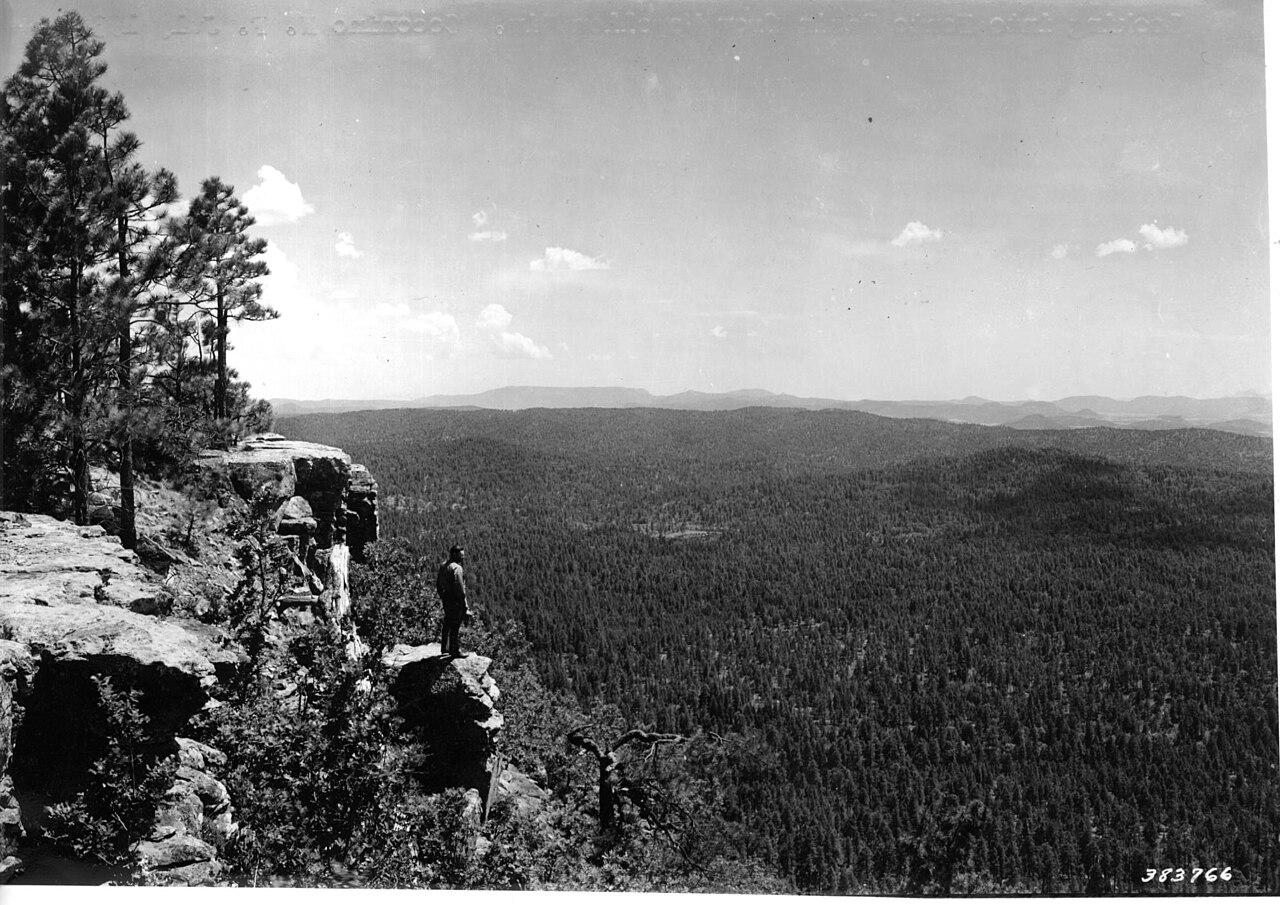
Late spring, particularly May and early June, is a glorious transition period on the Rim. As the last of the winter snow melts away, the forest floor erupts in color with lupine and Mexican silene. The air is crisp, and the wind can be quite brisk along the edge of the escarpment, so layers are essential. This is a fantastic time for photographers who want to capture the sharp contrast between the red rocks below and the deep green pines above without the summer haze.
Crowds are significantly thinner during the weekdays in spring compared to the summer holidays. However, travelers should note that some higher-elevation forest roads and primitive campgrounds may remain closed until the mud dries out completely in mid-May. Checking the official Forest Service site for road status is highly recommended during this period. The lakes are usually full from snowmelt, making it a prime time for shore fishing and quiet nature walks along the Rim Top Trail.
Autumn: Golden Aspens and Crisp Nights
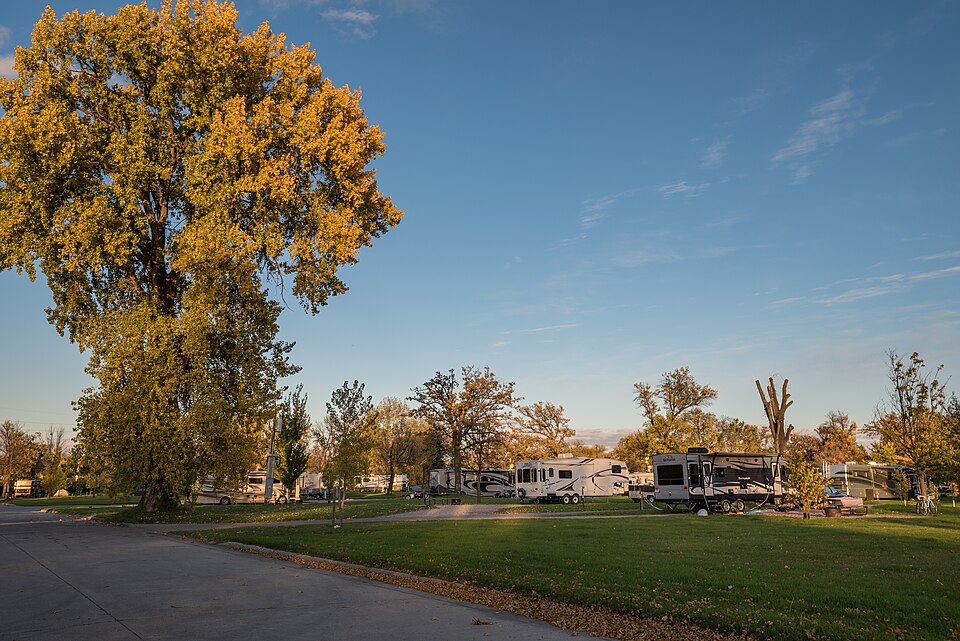
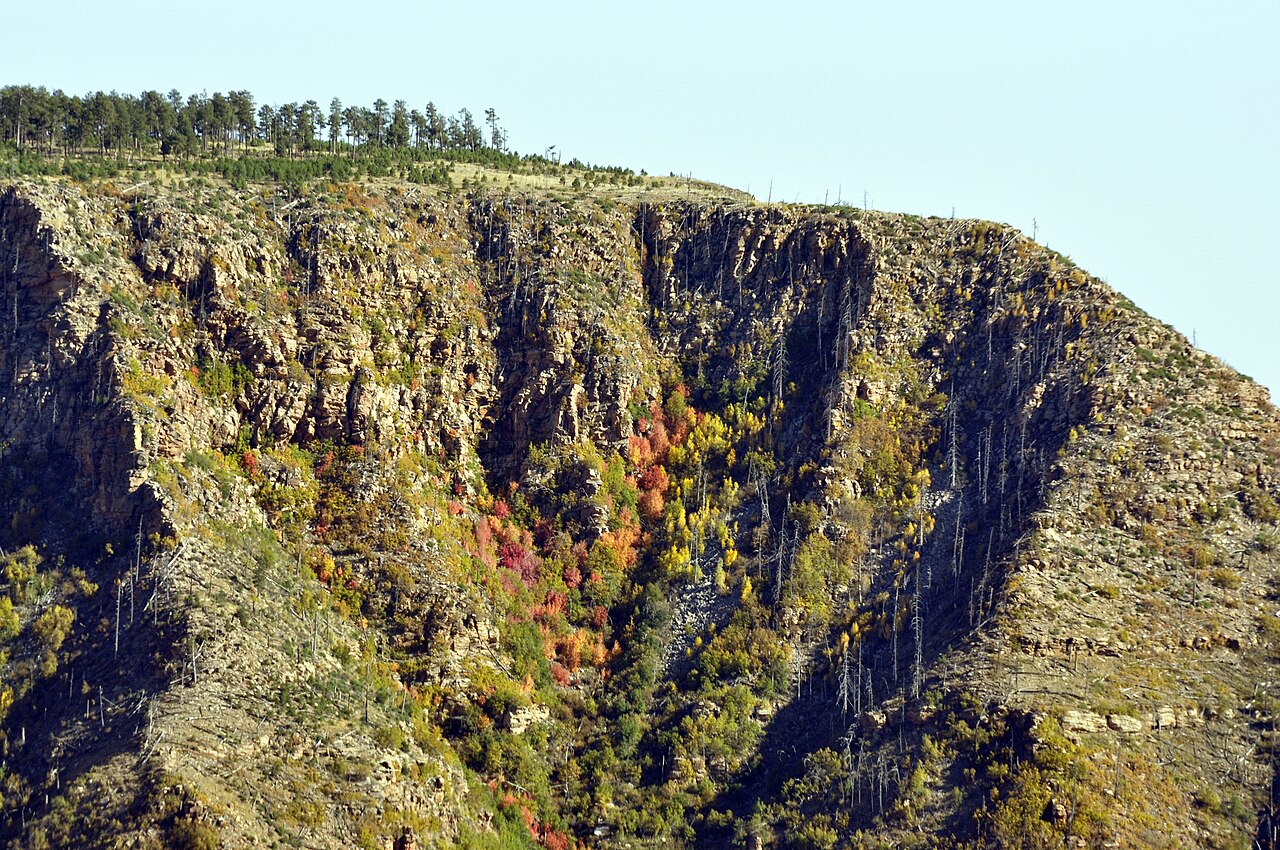
September and October represent the sweet spot for many seasoned Arizona travelers. As the summer humidity fades, the air becomes exceptionally clear, offering views that can stretch for over a hundred miles from the cliff edge. The deciduous trees, including Gambel oaks and occasional stands of aspen, turn brilliant shades of gold and orange. The temperatures begin to dip, with daytime highs in the 60s and nighttime lows frequently touching the freezing mark.
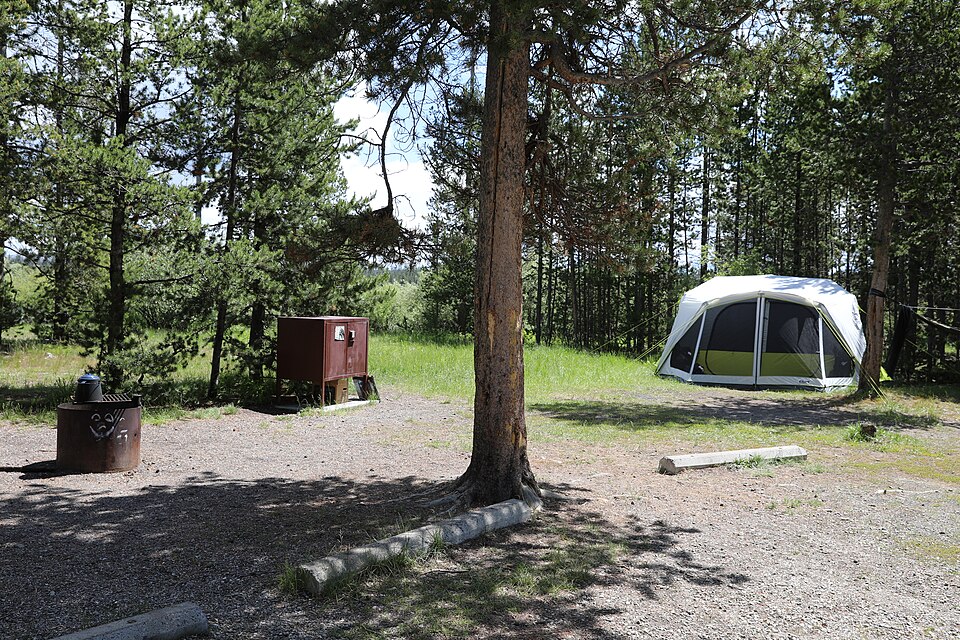
This is the ideal season for long-distance hiking and mountain biking, as the risk of heat exhaustion and lightning strikes is minimal. It is also the elk rutting season; visitors often hear the haunting bugle of bull elk echoing through the woods at dusk. While the main campgrounds begin to wind down their operations in late October, the early fall months offer a peaceful, reflective atmosphere that is hard to beat. Just remember to pack a heavy sleeping bag if you are tent camping, as the high-altitude air cools rapidly once the sun sets.
Lock in a stay for this season
Harvest Hosts stays on the way to Mogollon Rim
Partner link · Harvest Hosts
Winter: A Quiet, Snowy Wilderness
Winter on the Mogollon Rim is a dramatic departure from the rest of the year. From November through March, the region can receive significant snowfall, often closing major access roads like the scenic Forest Road 300. While the primary developed campgrounds are closed, the area becomes a haven for snowshoeing and cross-country skiing. The gateway towns of Pine and Strawberry remain accessible, offering a cozy base for those who want to see the Rim draped in white.
Visiting during this time requires a high-clearance vehicle with four-wheel drive and a keen eye on the weather forecast, as storms can move in rapidly and strand motorists. The landscape is incredibly silent, and the stark contrast of white snow against the dark basalt rocks is breathtaking. It is a time for self-reliance and solitude. If you plan to visit, ensure you have emergency supplies in your vehicle and check the Arizona Department of Transportation site for the most current road closures and chain requirements.
Reservations and Planning Tips
Because the Mogollon Rim is one of the most accessible high-country destinations from the Phoenix metropolitan area, planning ahead is non-negotiable for weekend trips. For the best experience, aim for a mid-week visit during the late spring or early fall. Most developed campgrounds managed by the National Forest Service use a central reservation system that opens six months in advance. If you are looking for a holiday weekend stay in July, you should be ready to book the moment your window opens.
For those seeking a more spontaneous trip, there are dispersed camping areas where no fees are charged, but these lack water and toilets and require a 'Leave No Trace' approach. Always verify fire restrictions before you depart, as the dry pine needles can be highly flammable during the early summer months. Regardless of when you go, bring a physical map; GPS can be unreliable in the deep canyons and along the remote stretches of the cliffside roads.
More ways to book Mogollon Rim
 Illustrative · W. H. Shaffer; Coconino National Forest
Horton Creek Trail
One of the classic ways to experience Mogollon Rim.
Varies (estimate)
Partner link · Viator