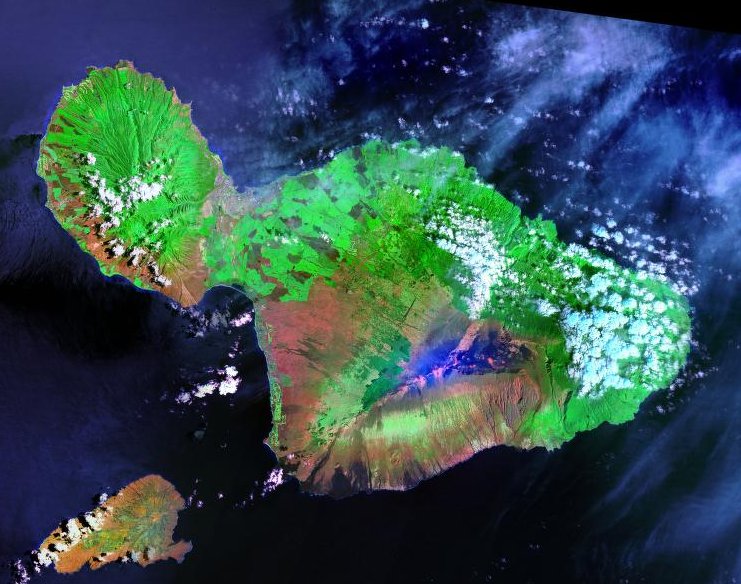
Maui rewards a trip that mixes one or two big outings with smaller discoveries close to your lodging. You can walk through a volcanic landscape at Haleakala, follow a shaded coastal path, or spend a morning watching the ocean without trying to circle the entire island. For a two- to four-day stay, choose experiences by region so your time goes toward trails and shorelines rather than repeated drives across Maui.
Explore Haleakala’s Summit Landscape
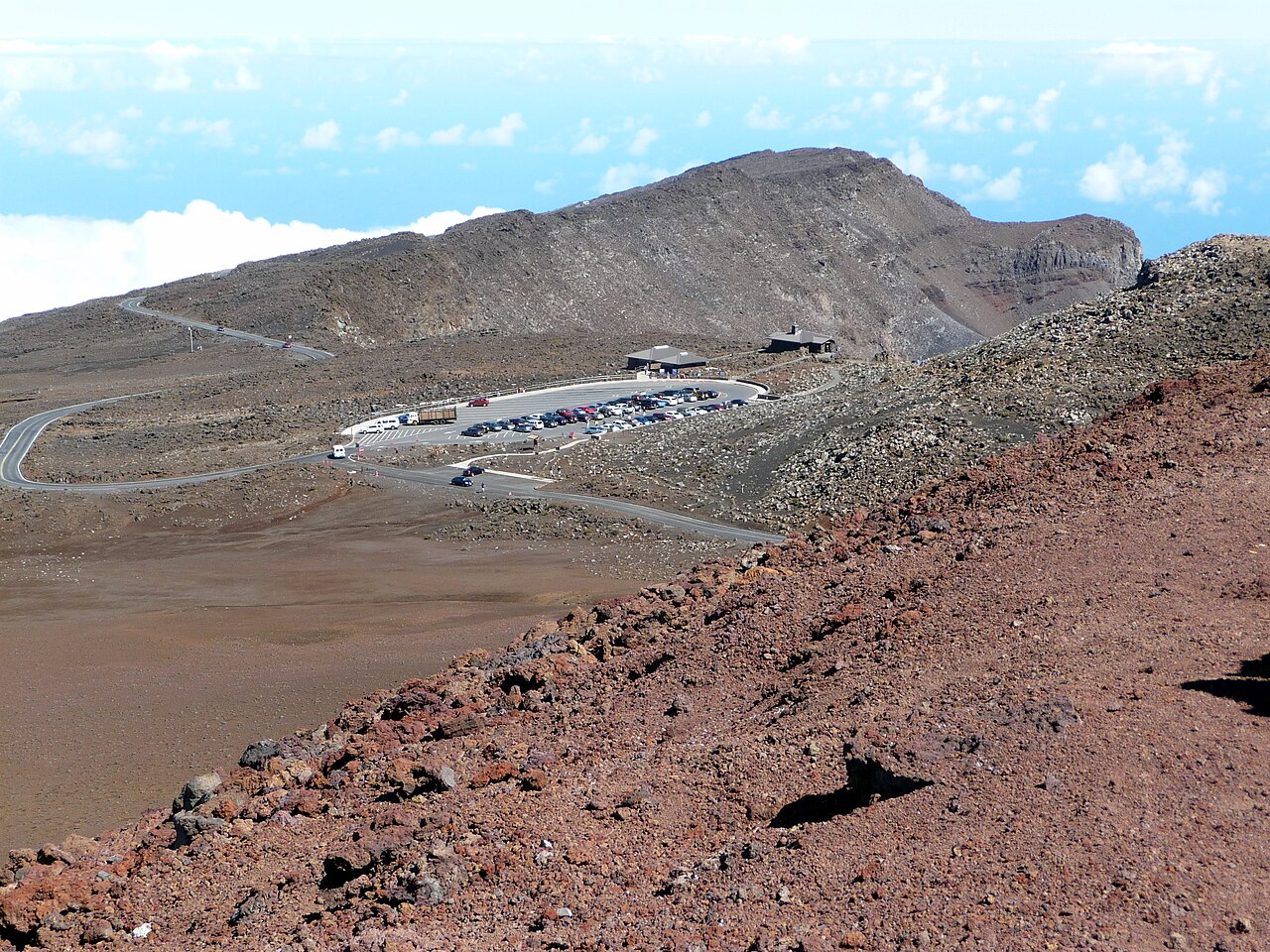
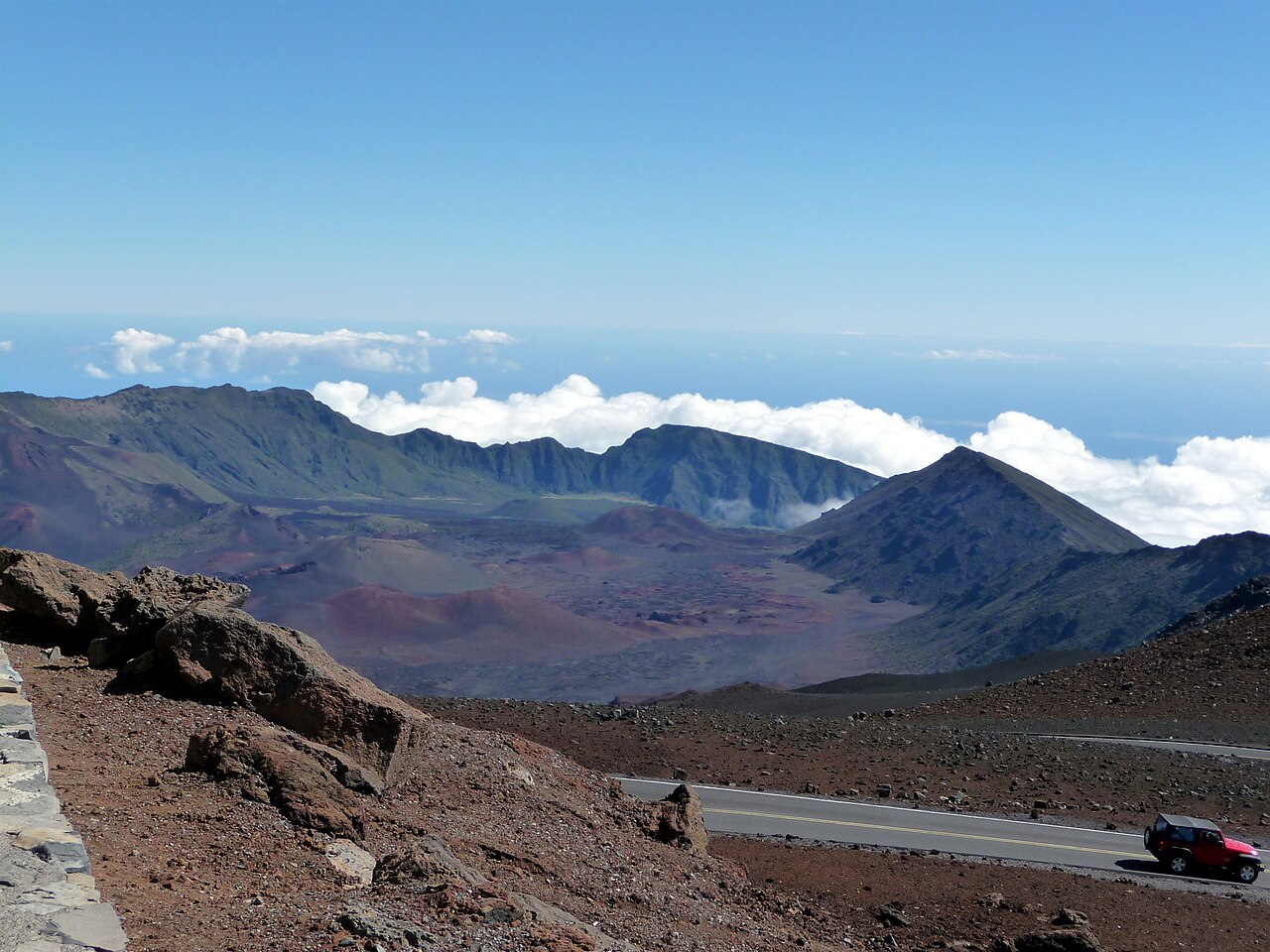
Haleakala National Park offers one of Maui’s strongest contrasts: warm coastal resorts give way to cool air, volcanic slopes, and sweeping summit views. You do not need to commit to a long hike to appreciate the landscape. Begin with designated overlooks, read the interpretive displays, and decide whether conditions suit a short walk or a more demanding trail outing.
The Keoneheehee, or Sliding Sands, Trail descends into the summit basin, meaning the return requires an uphill climb at elevation. Choose a turnaround point conservatively rather than judging the route by the easy downhill start. Bring layers, water, and sun protection; there is little shade across much of the summit terrain. Sunrise access requires an advance reservation during designated hours. Check the official NPS site for current entry rules, weather, and trail closures before leaving your lodging.
Drive the Road to Hana Without Chasing Every Stop
The Road to Hana is about the journey through windward forests, coastal views, and small communities, not simply arriving in Hana as quickly as possible. Its curves and narrow bridges demand attention, and frequent stops can turn a modest-looking map distance into a full day. Select a few legal, established destinations instead of treating every roadside waterfall as an invitation to pull over.
Waianapanapa State Park is known for its black-sand shoreline and rugged lava coast; check the official state park site for reservations and conditions. Farther along, Haleakala’s Kipahulu District contains the Pipiwai Trail, a substantial forest hike that deserves its own time allowance. Do not combine a late start, numerous roadside stops, and a long hike. Respect private property, keep bridge approaches clear, and return by the established paved route unless current guidance and your rental agreement support another plan.
Watch Wildlife and Choose Water Activities Carefully
Maui’s coast offers wildlife encounters without requiring an ambitious excursion. In winter, scan offshore waters for humpback whale blows from established coastal viewpoints. Sea turtles may appear in the water or resting on beaches, while Hawaiian monk seals occasionally haul out on shore. Give animals plenty of space, never touch or feed them, and follow posted guidance and official viewing-distance rules.
For swimming or snorkeling, select the day’s location using surf, wind, visibility, and local advice rather than a list of supposedly reliable beaches. Lifeguarded beaches are useful starting points for asking about conditions, but no beach is risk-free. Boat-based snorkeling trips can provide equipment and guidance, although rough seas may change plans. Stay off living coral, avoid standing on reefs, and let wildlife move freely instead of approaching for a photograph.
Keep Family Days Short and Geographically Simple
With kids, Maui often works best as a series of manageable mornings rather than a daily major excursion. In South Maui, combine a short section of the Wailea coastal path with beach play and an early meal. In West Maui, the Kapalua Coastal Trail offers rocky shoreline scenery, though uneven surfaces and exposed sections mean it is not a uniformly stroller-friendly walk.
Choose a beach with facilities that match your family’s needs, and check ocean conditions before anyone enters the water. Shade, bathrooms, and an easy return to lodging can matter more than a famous beach name. Older children may enjoy summit viewpoints or an Upcountry farm visit, but confirm access directly before driving. Avoid promising both Hana and Haleakala on the same day; long car stretches leave little energy for the places children actually want to explore.
Make a Rainy-Day Plan That Fits the Weather
Rain on Maui is often regional, so first check whether the forecast affects your whole planned route or mainly the windward side. A damp morning near Hana might justify switching to a South Maui coastal outing, but widespread heavy rain calls for a genuinely indoor plan. Do not substitute a waterfall hike or stream crossing when weather makes your original trail unsuitable.
The Maui Ocean Center in Maalaea is an established option for learning about Hawaiian marine environments; some areas involve outdoor walking, so bring a rain layer. Depending on current programming, galleries and exhibitions around Kahului can also fill part of a day. An Upcountry cafe stop or relaxed meal provides a simpler alternative to sightseeing. Check official park and road updates before resuming outdoor plans, particularly after heavy rain, when closures and runoff can outlast the storm.