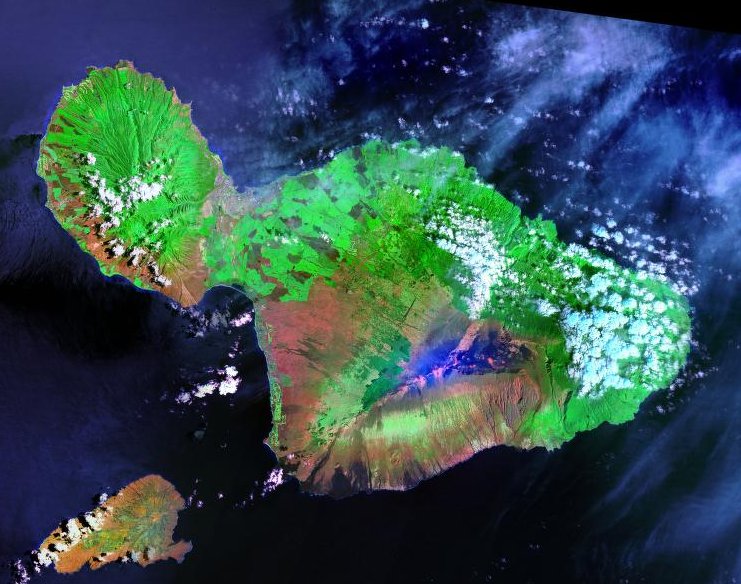
The best time to visit Maui depends on whether you picture a summit hike, a beach-focused escape, or a chance to watch humpback whales offshore. Spring and fall often offer a useful balance of warm coastal weather and less concentrated vacation traffic, while summer suits families working around school breaks. Plan around the island’s distinct climates: a sunny afternoon in Kihei says little about conditions near Hana or atop Haleakala.
Spring: A Flexible Window for Beaches and Trails
Spring is a good fit for travelers who want to combine beach time with hiking rather than build the whole trip around one activity. Winter rains generally ease as the season progresses, but showers remain possible, especially along the windward coast. Kihei and Wailea are usually drier bases than the Hana side, making them practical places to return after a damp forest walk.
School breaks can still bring busy stretches, so do not assume every spring week will feel quiet. Earlier in the season, whale sightings may still be possible, though wildlife never follows a vacation schedule. Pack a light rain layer for coastal outings and warmer clothing for Haleakala. For a short trip, leave your mountain day movable until you have checked the forecast and current park conditions.
Summer: Long Days and School-Break Crowds
Summer brings long daylight hours and generally drier weather, especially on Maui’s leeward coasts. That extra daylight helps when you want a morning beach visit followed by an Upcountry drive, but it is not a reason to squeeze every stop into the Road to Hana. Winding roads, limited parking, and frequent stops make distance a poor measure of travel time here.
Family vacation demand can put pressure on lodging, rental cars, and popular excursions. Book the parts of your trip that matter most once your dates are set, and leave some unscheduled beach time between them. Trade winds often strengthen later in the day, making exposed beaches feel very different from morning conditions. Summer surf can affect south-facing shores, so choose water activities using local conditions rather than a seasonal assumption.
Fall: Warm Coasts and More Breathing Room
Fall can work especially well for couples, hikers, and anyone who can travel outside school holidays. Coastal weather remains warm, and the period after summer vacation often feels less compressed at popular beaches and visitor stops. Early fall can still be hot on exposed trails, so carry water, use sun protection, and schedule strenuous walking earlier in the day.
Rain tends to become more likely as the island moves toward winter, but Maui’s regional differences remain important. A wet forecast near Hana does not automatically rule out a pleasant coastal walk in Wailea. Tropical weather can also disrupt plans during the broader hurricane season, which extends from June through November. Keep an indoor alternative and some flexibility rather than treating fall as a guaranteed dry-weather bargain; lodging costs still vary considerably by location and date.
Lock in a stay for this season
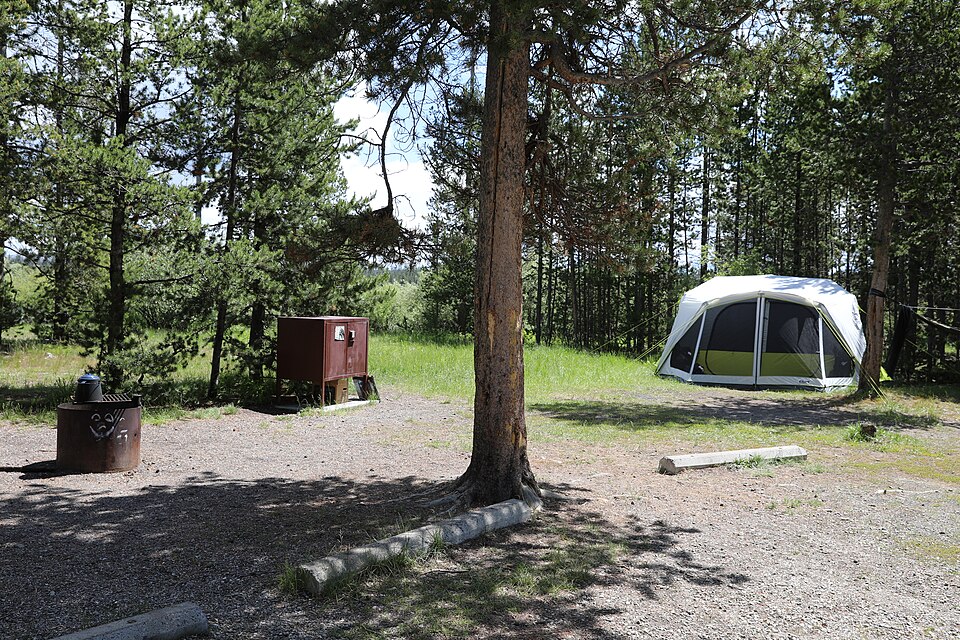
Harvest Hosts stays on the way to Maui
Partner link · Harvest Hosts
Winter: Whale Season and Changeable Conditions
Winter deserves consideration even if your main interest is coastal scenery rather than warm-weather hiking. Humpback whales migrate to Hawaiian waters during the cooler months, and Maui is a well-known place for watching them from shore or on an organized boat trip. Bring binoculars for patient coastal viewing, and remember that sightings, sea conditions, and departures are never guaranteed.
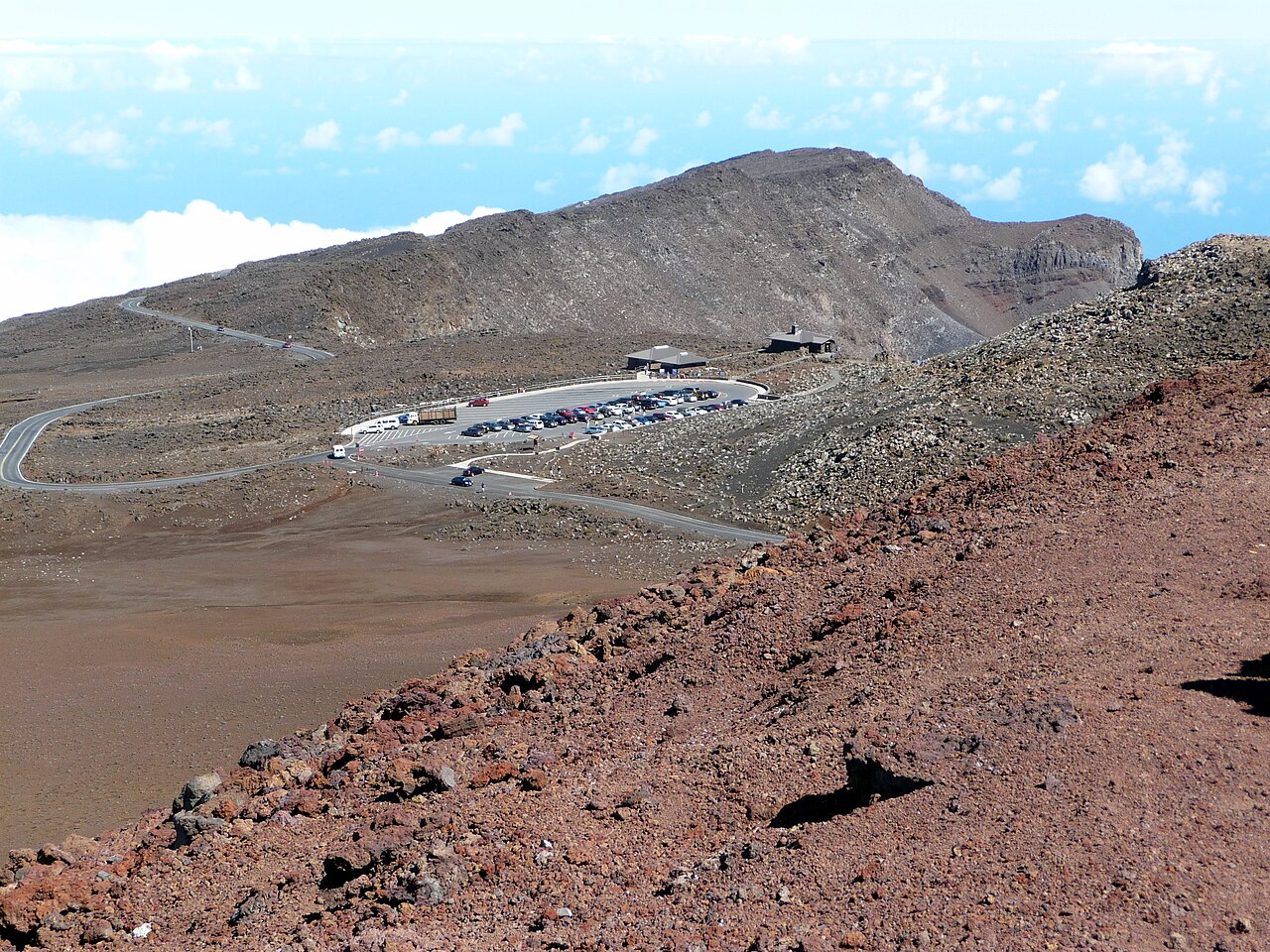
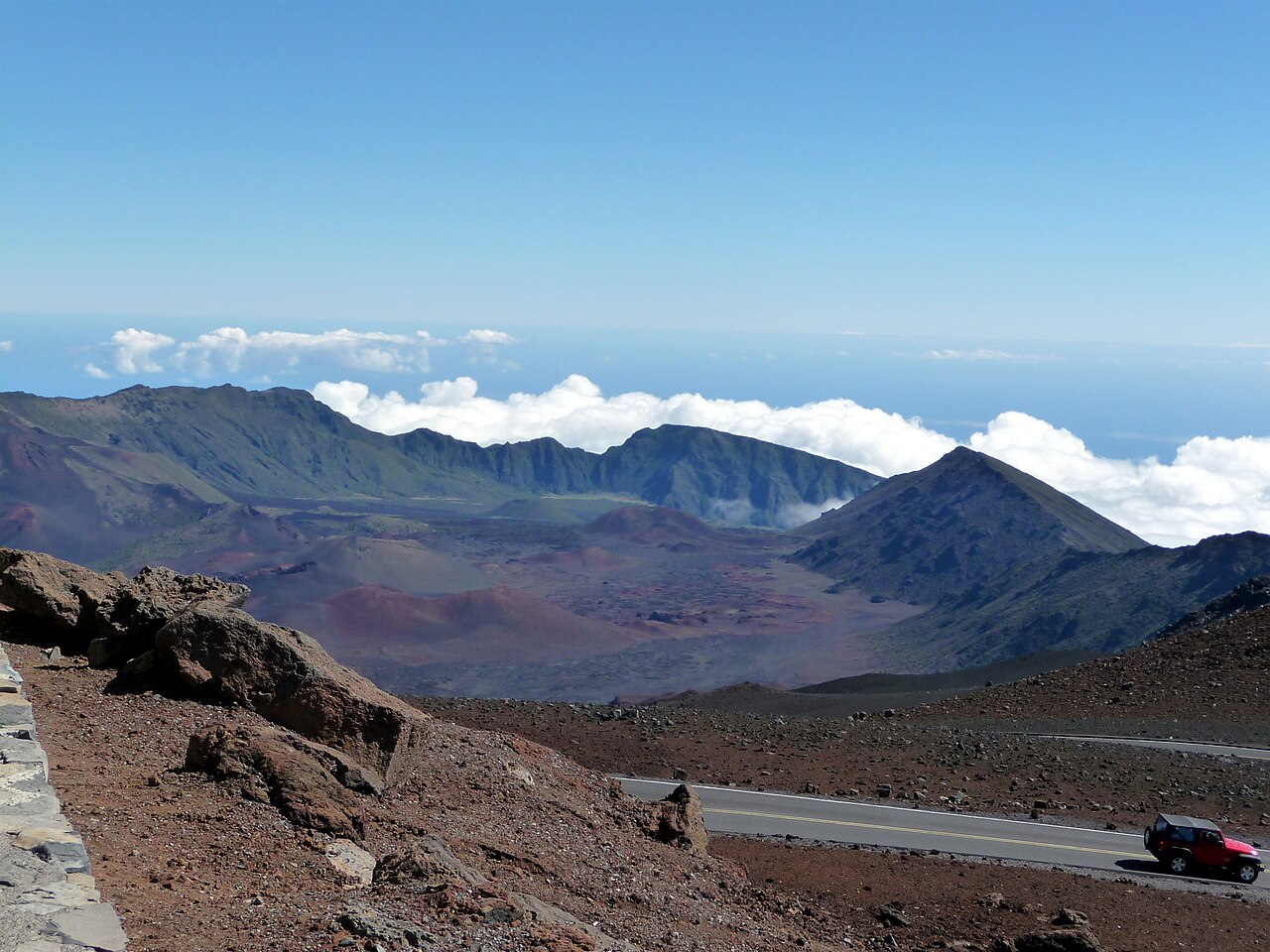
Winter also brings more rain and larger surf on many north-facing shores. A beach that looks inviting from a viewpoint may not be appropriate for swimming. At Haleakala’s summit, conditions can be sharply colder than at sea level, with strong wind and occasional severe weather. Holiday periods and whale-season travel can increase demand, so reserve lodging early and keep room in your schedule for weather-related changes to boat trips or mountain visits.
When to Reserve and How to Build Flexibility
Start with lodging and a rental car, then identify the experiences that require timed access or advance booking. Haleakala National Park requires a reservation for summit access during its designated sunrise hours. Waianapanapa State Park uses advance reservations for many out-of-state visitors, and camping involves separate requirements. Check the official NPS and Hawaii State Parks websites for current rules, release schedules, closures, and conditions before choosing your dates.
There is no single booking window that fits every season. For school holidays or a must-have lodging style, begin checking several months ahead; limited sites may follow their own reservation calendar. Keep one flexible day for your most weather-sensitive outing. On a two- to four-day visit, choosing between a full Hana excursion and a long summit hike often creates a better trip than forcing both into poor conditions.
More ways to book Maui
 Illustrative · B.D.'s world
Haleakala Summit Visit
One of the classic ways to experience Maui.
Varies (estimate)
Partner link · Viator