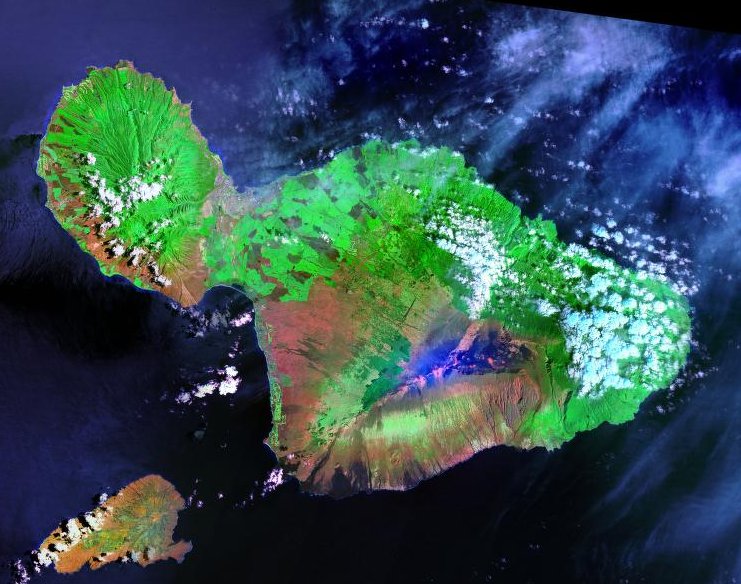
Maui glamping is better approached as a search for a particular kind of stay than as a promise of plentiful safari tents beside the ocean. Outdoor-oriented lodging can range from permitted tent setups to rustic cabins or farm-based accommodations, but availability and amenities vary considerably. Start with the region you want to explore, then confirm that any listing is legally operated and provides the bathroom, bedding, and weather protection you actually need.
Define Comfort Before You Book
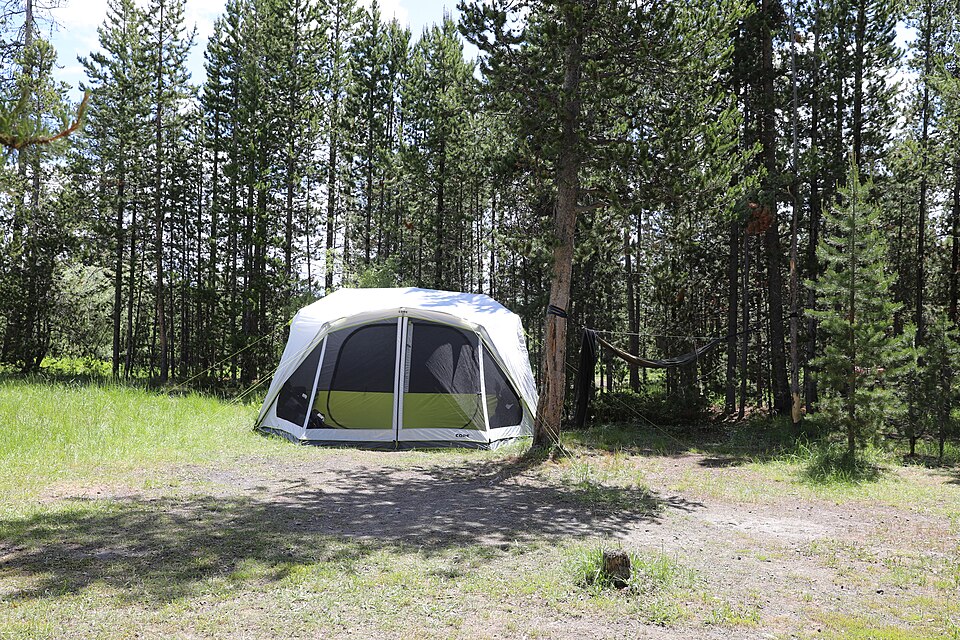
The word glamping does not describe a consistent lodging standard on Maui. One listing might offer a furnished tent with shared facilities, while another uses the term for a simple cabin or an outdoor-focused private stay. Read the details rather than relying on photographs of string lights and an ocean view. Confirm whether the bed is permanent, linens are included, and the bathroom is private, shared, or elsewhere on the property.
Ask about ventilation, insect screening, rain protection, electricity, and drinking water. A coastal tent can feel warm at night, while an Upcountry stay may require substantial bedding. Clarify parking, luggage access, cooking rules, and what happens during severe weather. Check the operator’s cancellation terms and evidence of authorized operation. A picturesque setting is not a substitute for practical details, especially when you have only two to four days on the island.
Choose Between Upcountry and the Hana Side
Upcountry areas around Kula and Makawao appeal to travelers who want cooler evenings, agricultural scenery, and a base oriented toward Haleakala rather than immediate beach access. Any outdoor-style stay here should be evaluated for elevation, warmth, and the drive to meals or groceries. Do not assume that an Upcountry address means a short trip to the summit; the park approach still requires a winding mountain drive.
The Hana area offers a greener, wetter setting and makes eastern coastal exploration less rushed. Moisture management matters here: covered space, dry bedding, and somewhere to store wet shoes can change the whole experience. Waianapanapa State Park has established camping and cabin options, but these are public-park accommodations rather than full-service glamping. Check the official state park website for current availability, reservation requirements, facilities, and what supplies you must bring.
Coastal Bases and the Reality of Beach Camping
Kihei, Wailea, and the Maalaea area can be useful geographic reference points if your priority is South Maui’s coast, while the Kapalua area suits a West Maui focus. These places should not be read as a promise of legal glamping sites. Much coastal accommodation is conventional lodging, and a small room near a beach may be more practical than a remote outdoor setup for a short stay.
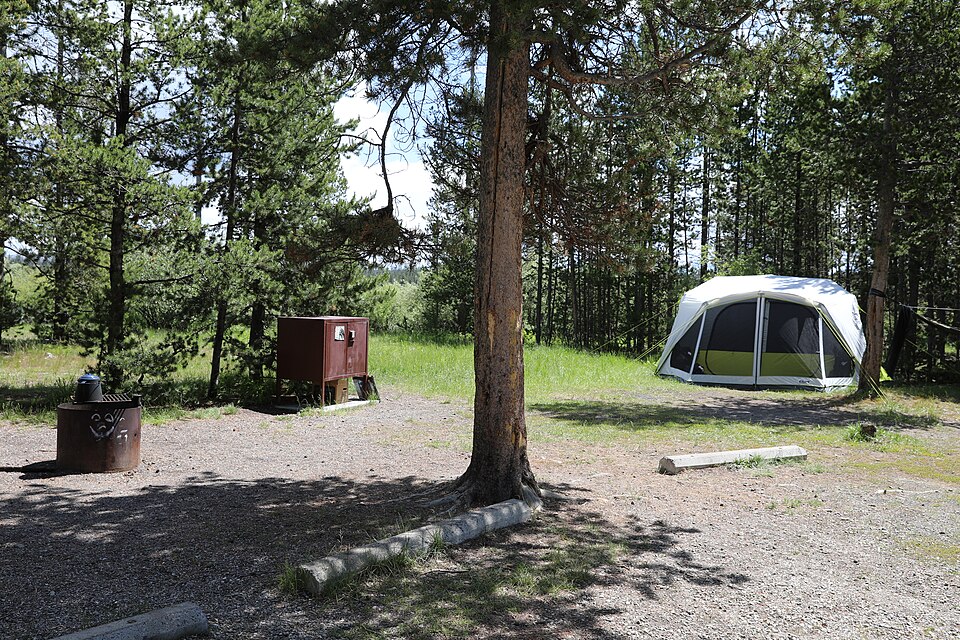
Public shoreline access does not grant permission to camp, erect a sleeping tent, or park a vehicle overnight. Camping is limited to places where it is specifically allowed, with permits or reservations as required. Before booking an outdoor stay, verify its actual address, legal status, and access arrangements. For any park-based alternative, use the official managing agency’s website to check conditions and camping rules rather than relying on a booking platform’s description.
Pick a Season and Pack for the Microclimate
Spring, summer, and fall can all suit an outdoor-oriented Maui stay, but the property’s location matters more than a simple island-wide weather label. Leeward coastal areas are generally drier, the Hana side receives more rain, and Upcountry evenings can be noticeably cooler. Summer tents may need excellent ventilation; wetter months make a covered entry and dependable rain protection especially valuable.
Pack a light rain shell, quick-drying clothing, sturdy shoes, and a warmer layer if you will sleep or hike at elevation. Ask whether bedding is appropriate for nighttime conditions instead of assuming the host provides everything. Wind can affect exposed sites in any season, so confirm the operator’s weather procedures. Reserve earlier for school-holiday travel or limited cabin inventory, and review the official park or NPS site for current conditions when your stay depends on public-land access.
Glamping Versus Camping, Cabins, and Camper Vans
Glamping makes sense when supplied bedding, shelter, and facilities reduce the amount of equipment you must bring. Traditional camping usually means handling more of your own gear, cooking, and weather preparation. Public cabins occupy a middle ground, but they may be basic rather than hotel-like; read the official inventory carefully. Haleakala’s backcountry cabins involve hiking and separate reservation requirements, so they are not interchangeable with roadside lodging.
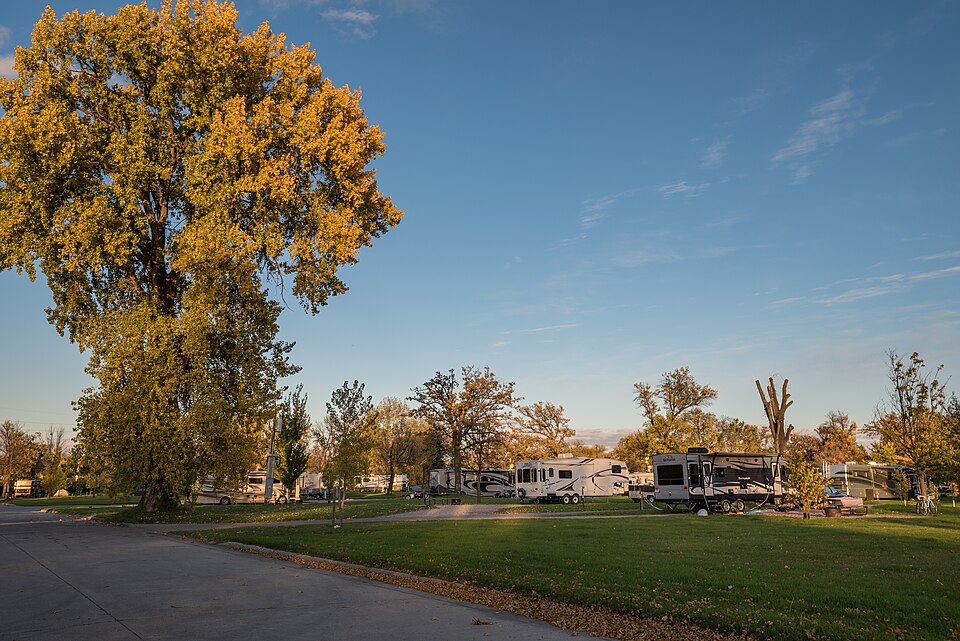
Camper vans and RV-style rentals add another question: where can you legally stay overnight? A rental vehicle does not include campsite permission, and not every campground accepts vehicle-based camping. Confirm an authorized overnight plan before renting. Compare rough total costs, including the vehicle, campsite, equipment, cleaning fees, and fuel, rather than just the advertised nightly rate. For a short trip, conventional lodging plus day hikes may offer simpler logistics than transporting camping gear.