
Use this Mammoth Mountain itinerary as a flexible five-day outline, or keep the first three days for a shorter stay. It pairs one major outing per day with time around Mammoth Lakes, making it easy to adapt for skiing or summer hiking. Because no arrival airport or driving distance is specified, choose your transport first and protect your arrival day from commitments that depend on an exact arrival time.
Day 1: Arrive in Mammoth Lakes and Settle In
Travel to Mammoth Lakes, check into your lodging, and keep the afternoon light. US 395 is the main Eastern Sierra highway serving the area, with the final approach into town on State Route 203. If flying, compare current regional air service with larger-airport options such as Reno, then confirm ground transportation before purchasing tickets. Flight schedules and seasonal service can change; no single airport works best for every starting point.
Do not plan a winter approach through Yosemite over Tioga Road, which closes seasonally. Check Caltrans for road conditions and chain controls, and allow extra time when storms are forecast. Once in town, collect reserved equipment if pickup is available, buy groceries, and take an easy walk near your lodging. Eat dinner early and avoid making the first evening your most strenuous outing. This buffer also helps if travel takes longer than expected.
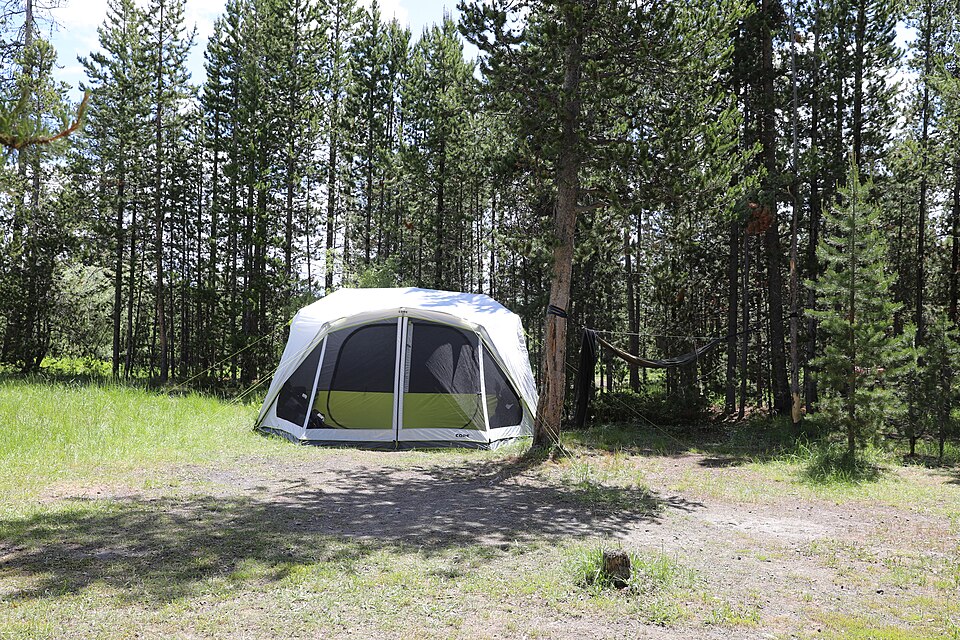
Day 2: Make Mammoth Mountain the Main Event
In ski season, devote your first full day to Mammoth Mountain. Head to the base area associated with your lesson or rental booking, and leave time for fitting equipment before a scheduled start. Choose runs that match your current ability and energy rather than trying to cover the entire resort. Break for lunch before fatigue turns the afternoon into an obligation.
In the warmer months, substitute an operating scenic gondola ride or a mountain biking session suited to your experience. Check the official resort site first, since snowmelt, maintenance, wind, and seasonal schedules affect availability. If you are new to mountain biking, instruction is more useful than simply choosing the longest route. Keep the evening simple with dinner in Mammoth Lakes and a check of tomorrow's forecast. Swap this day with your lake outing if weather makes another date better for mountain views.
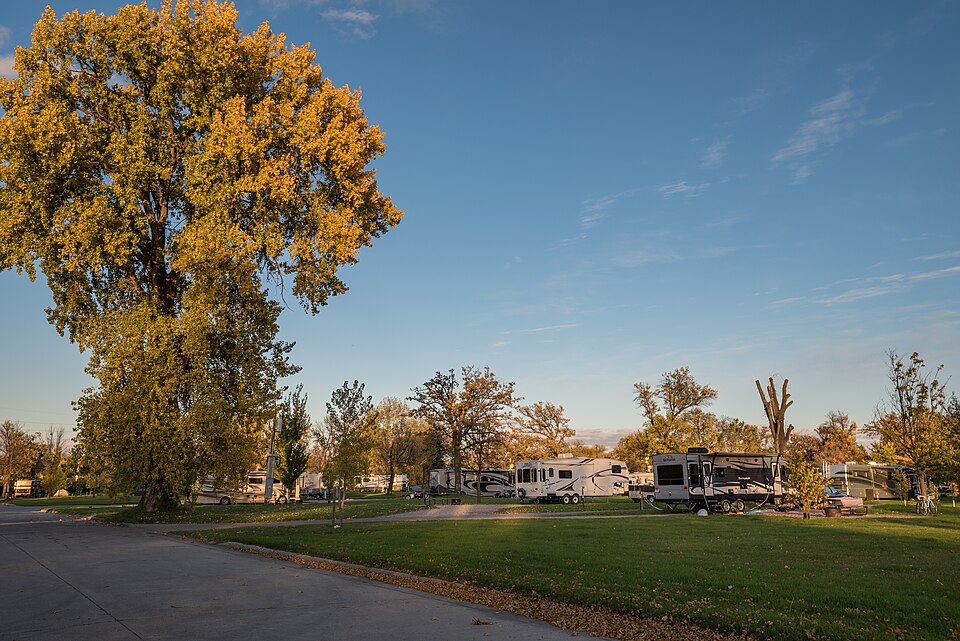
Day 3: Explore the Mammoth Lakes Basin
When roads and trails are open, spend the day in the Mammoth Lakes Basin. Begin with Twin Lakes or Lake Mary, then choose between a modest shoreline outing and a longer hike. Crystal Lake is an option for hikers prepared for climbing, but it should not be treated as an effortless add-on after a full day of sightseeing. Carry a map, water, food, and layers, and check current trail conditions.
For a gentler day, use your time for photography, a picnic, or a permitted paddling outing with appropriate equipment. Confirm seasonal rentals rather than counting on walk-up availability. In winter, replace the drive-and-hike plan with an established winter recreation option and verify access, grooming, and rental arrangements. A three-day visit can end here, but keep departure timing realistic. Do not squeeze in a remote trail before a flight or a long drive home.
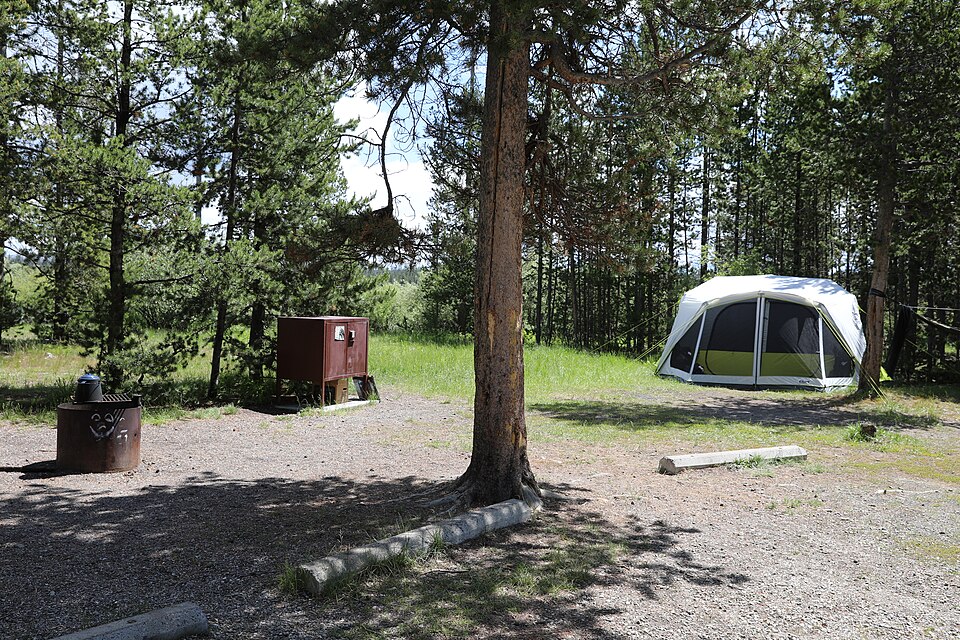
Day 4: Visit Devils Postpile or Add Another Snow Day
During the accessible summer season, consider Devils Postpile National Monument for a look at its striking basalt columns. Read the official NPS trip-planning information before leaving town: road access, shuttle arrangements, closures, and available services can shape the entire day. Bring lunch and water rather than relying on food being available near your chosen trailhead.
Rainbow Falls can extend the outing, but it adds distance and should be a deliberate hiking choice, not an automatic continuation. Assess the day's heat, trail conditions, and your group's energy before committing. Stay on designated routes and respect barriers near the falls. If the monument is inaccessible or conditions are unsuitable, make this another Mammoth Mountain day instead. Winter visitors can use the extra day for a lesson, familiar ski terrain, or rest, depending on weather and how everyone feels after the first two active days.
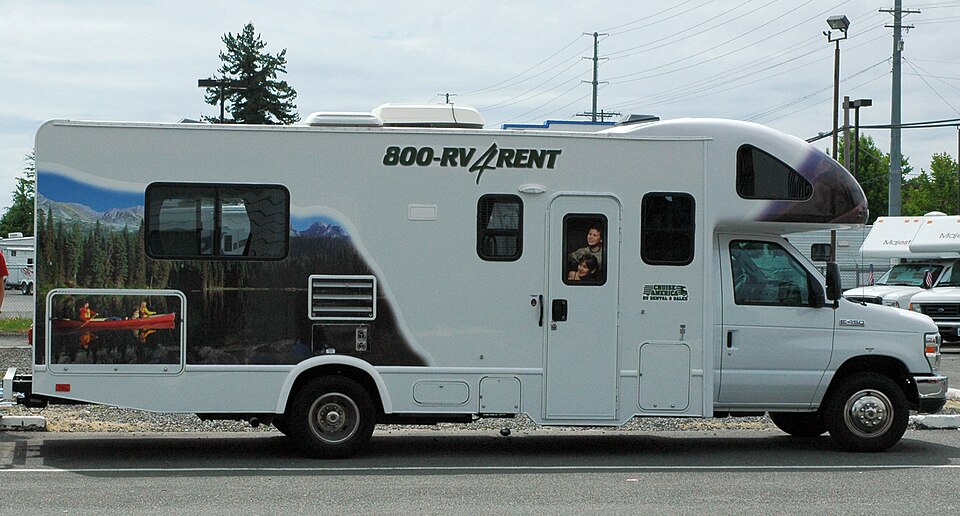
Day 5: Take a Scenic Detour and Leave Without Rushing
If your departure schedule allows, use the final morning for a short scenic outing rather than a demanding hike. The June Lake Loop can be a worthwhile detour when roads are open, particularly for travelers continuing north on US 395. Choose one or two viewpoints or lakeside stops instead of trying to turn departure day into another full itinerary.
Travelers heading another direction may be better served by breakfast in Mammoth Lakes and a direct departure. Recheck road conditions, return rental equipment within your agreement, and allow time to retrieve anything stored at your lodging. Budget for lodging, meals, transport, and activity costs separately; lift access, lessons, and rentals can make a ski trip substantially more expensive than a walking-focused visit. Treat any cost estimate as approximate. Before leaving, confirm flight or onward travel details and avoid letting one last stop consume your travel buffer.

More ways to book Mammoth Mountain
 Illustrative · Diego Angel
Sprinter Adventure Van
Small enough to park at the trailhead, comfy enough to sleep in.
$189/day (estimate)
Direct link · RVshare