
The best time to visit Mammoth Mountain depends on whether you want ski runs, alpine trails, or quiet days around Mammoth Lakes. Winter and spring favor snow sports, while summer and early fall open up more hiking and lake access. Plan three to five days, and let snow conditions—not just the calendar—guide your expectations for mountain roads, lift operations, and higher trails.
Winter: Plan Around Snow and Peak Ski Demand
Winter is the classic Mammoth Mountain season, with downhill skiing and snowboarding anchoring most trips. The mountain rises above the town of Mammoth Lakes, so conditions can feel considerably colder and windier on exposed slopes than near your lodging. Storms can bring excellent snow, but they can also affect lifts, visibility, and access roads. Build some flexibility into your arrival day rather than counting on an afternoon lesson immediately after traveling.
Holiday periods and weekends generally draw the largest crowds. Book lodging, rentals, and lessons early if your dates are fixed, especially for a family trip that requires several reservations to line up. A weekday stay often means a less hectic rhythm, though it does not guarantee empty slopes. Check the official Mammoth Mountain website for operating updates and Caltrans for road conditions and chain controls before driving.
Lock in a stay for this season
RV parks near Mammoth Mountain on RoverPass
Partner link · RoverPass
Spring: Longer Days With Changing Snow Conditions
Spring can be a rewarding time for a ski-focused visit, with longer daylight and a different pace from the deepest winter months. Mammoth often has a long ski season, but closing dates and available terrain depend on the year's snowfall and daily operating decisions. Do not assume that late-season skiing will be available simply because it happened in a previous year.
Snow surfaces may change noticeably through the day as temperatures rise and fall. Ask resort staff about current conditions and choose terrain that suits your ability rather than following a fixed plan. In town, sunny afternoons can feel mild while mornings remain cold. Higher hiking routes and the Mammoth Lakes Basin may still have substantial snow or restricted road access. Reserve lodging once your dates are settled, but read cancellation terms carefully if your main goal depends on late-season lift operations.
Lock in a stay for this season
Campsites near Mammoth Mountain on Campspot
Partner link · Campspot
Summer: Lakes, Trails, and High-Elevation Access
Summer brings the broadest range of activities for travelers who are not visiting primarily to ski. The Mammoth Lakes Basin offers lake walks, fishing, paddling opportunities, and trailheads for longer hikes. Mountain biking and scenic gondola rides may also be available at Mammoth Mountain, subject to the resort's operating schedule. Snow can linger on high trails well into summer after a heavy winter, so a July date alone does not establish trail conditions.
Expect busy weekends and strong demand for campgrounds and lodging during school vacations. Reserve ahead when a particular campground, room layout, or activity matters to your group. Afternoon thunderstorms are possible, making early starts useful for exposed hikes. Carry warm layers even on sunny days. Check the official Inyo National Forest website for trail and campground updates, and consult the relevant official park or NPS site before adding a national monument visit.
Lock in a stay for this season
Harvest Hosts stays on the way to Mammoth Mountain
Partner link · Harvest Hosts
Fall: Cooler Walks and Eastern Sierra Color
Early fall suits travelers who want cool hiking weather, scenic drives, and fewer families traveling on school vacation. Around Mammoth Lakes and nearby Eastern Sierra canyons, aspens provide seasonal color, but the timing varies with elevation and weather. Rather than choosing dates around a promised peak, leave room to explore different elevations, including the June Lake Loop when roads and conditions allow.
September can still support many summer activities, while later fall brings a growing chance of freezing nights, snow, and reduced seasonal services. Boat rentals, campgrounds, shuttles, and mountain attractions may stop operating before winter recreation is fully underway. Confirm each important activity individually. Pack insulation and choose lodging with dependable heat if you are traveling late in the season. Fall weekends can remain busy when foliage attracts visitors, so reserve ahead if you want a specific cabin or campground.
Match Your Dates to Access, Crowds, and Reservations
For a first visit, choose a primary activity before choosing dates. A ski trip needs operating lifts and suitable terrain; a hiking trip needs accessible trailheads; a lake-focused stay benefits from warmer days and open seasonal services. Trying to combine all three can work during transition periods, but none should be assumed available without checking current reports.
Book earlier for winter holidays, summer weekends, and any stay requiring connecting rooms, pet-friendly lodging, or organized lessons. For a quieter trip, consider midweek dates outside major holidays, while recognizing that storms and special events can change demand. Eastern Sierra access also matters: Tioga Road through Yosemite is seasonal and is not a winter approach to Mammoth. Check the official Yosemite NPS site before considering that route, plus Caltrans and Mammoth Mountain's official site for current roads, operations, and reservation requirements.
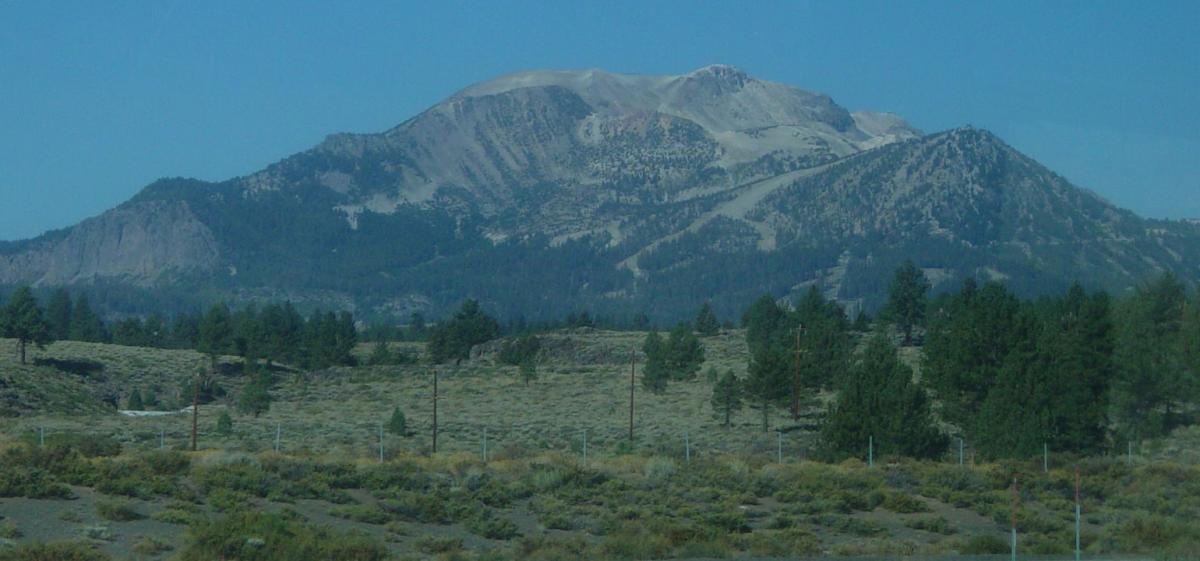
More ways to book Mammoth Mountain
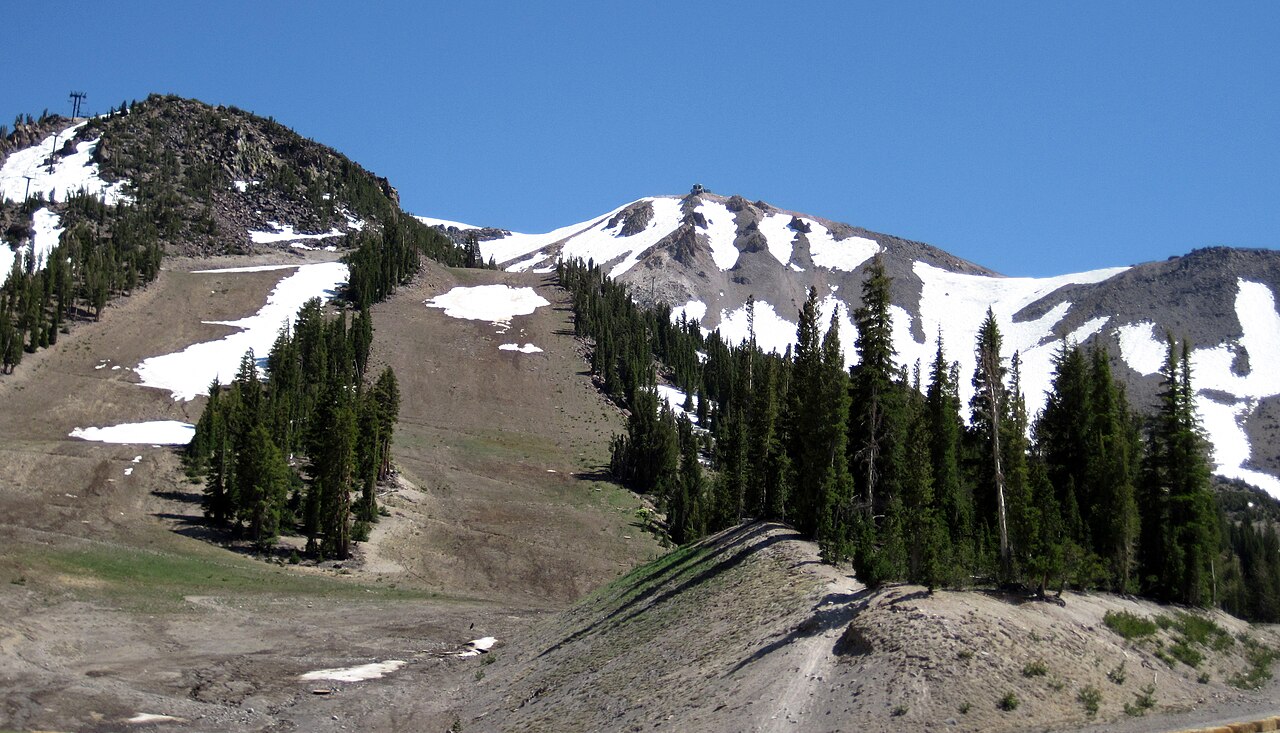 Illustrative · James St. John
Mammoth Mountain Bike Park
One of the classic ways to experience Mammoth Mountain.
Varies (estimate)
Partner link · Viator