
Mammoth Mountain glamping is best approached as a search for comfortable outdoor lodging around Mammoth Lakes and the nearby Eastern Sierra, rather than an assumption that furnished tents sit beside the ski lifts. Depending on current offerings, your options may include cabin-style stays, furnished shelters, or other campground-based accommodations. Compare the actual amenities carefully, especially heat, bathrooms, bedding, and seasonal access, before choosing a base for three to five days.
What Glamping Means in This Mountain Setting
Near Mammoth, the word glamping can describe very different experiences. A furnished tent with shared bathrooms is not equivalent to a heated cabin with a kitchen, and neither necessarily includes housekeeping or meals. Search by the features you need rather than the label. Ask whether bedding is supplied, bathrooms are private or shared, and the accommodation has electricity, potable water, and a reliable source of heat.
Mountain nights can be cold even during the main summer travel season. A decorative blanket or small heater may not match your expectations for comfort, so read the sleeping setup and heating description closely. Confirm how far you must walk from parking and whether cooking is allowed at the unit. If traveling with children or anyone who needs step-free access, verify the route to bathrooms and sleeping areas directly. Photos alone rarely explain uneven ground, stairs, or nighttime bathroom access.
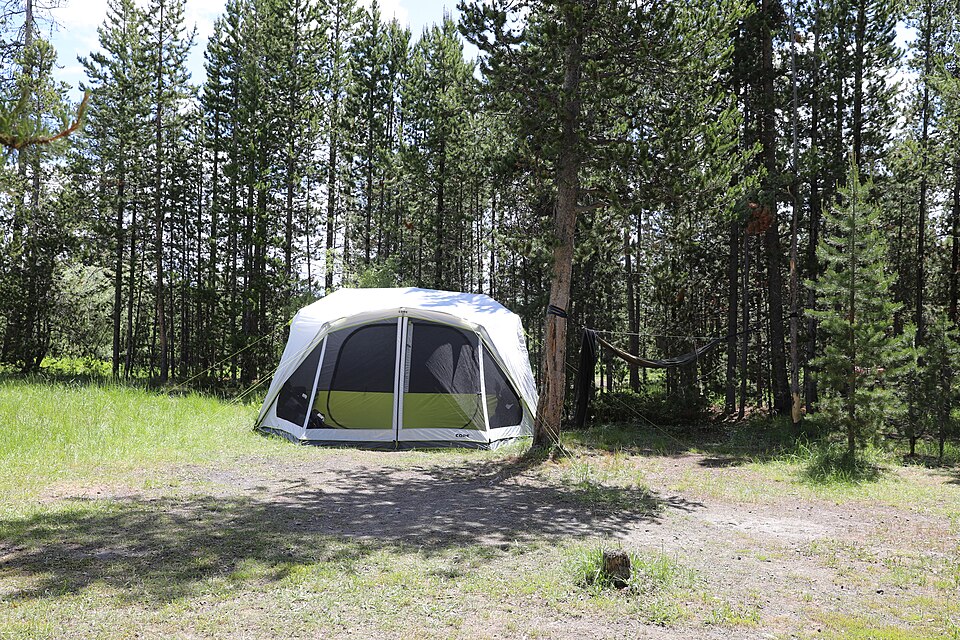
Stay Near Mammoth Lakes for Mountain and Lake Access
Mammoth Lakes is the most practical search area if your priority is easy access to town services and Mammoth Mountain. Cabin-style lodging may be a better fit than a tent-based stay when you want comfortable beds, a kitchen, and dependable shelter after a full day outside. Check the exact location rather than assuming every property using Mammoth in its description is close to your planned activities.
The Mammoth Lakes Basin offers an appealing forest-and-water setting, but many overnight sites are conventional campgrounds, not furnished glamping accommodations. Confirm what is actually included before arriving without camping gear. Seasonal road access also matters, particularly around the edges of summer. If you plan to use local transit, check current routes, stops, and seasonal schedules instead of assuming you can leave the car parked all week. For public campgrounds and access updates, consult the official Inyo National Forest website.
Compare June Lake, Crowley Lake, and Other Nearby Bases
Broadening your search can reveal different styles of outdoor lodging, but each area changes the daily rhythm of your trip. June Lake, north of Mammoth Lakes, suits travelers interested in lake scenery and exploring the June Lake Loop as well as visiting Mammoth. Crowley Lake, to the south, is another area to investigate for cabin or campground-based stays, especially if fishing is part of your itinerary.
Farther south, Bishop provides a lower-elevation town base, though it is less convenient for repeated trips to Mammoth Mountain. Do not assume an accommodation is glamping simply because it appears in an Eastern Sierra search result; verify the unit type and amenities. Compare the full trip cost, including fuel and driving, rather than only the nightly lodging estimate. On public land, camping rules vary by location. A scenic pullout is not automatically a legal place to set up a tent or park overnight.
Choose Your Season and Reserve the Right Amenities
Summer is generally the most straightforward season for tent-style comfort stays because more roads, campgrounds, and outdoor services are operating. Even then, snowmelt can delay opening dates, and freezing temperatures are possible at elevation. Early fall can be appealing for quieter evenings and nearby foliage, but nights get colder and seasonal services may close while daytime weather still feels inviting.
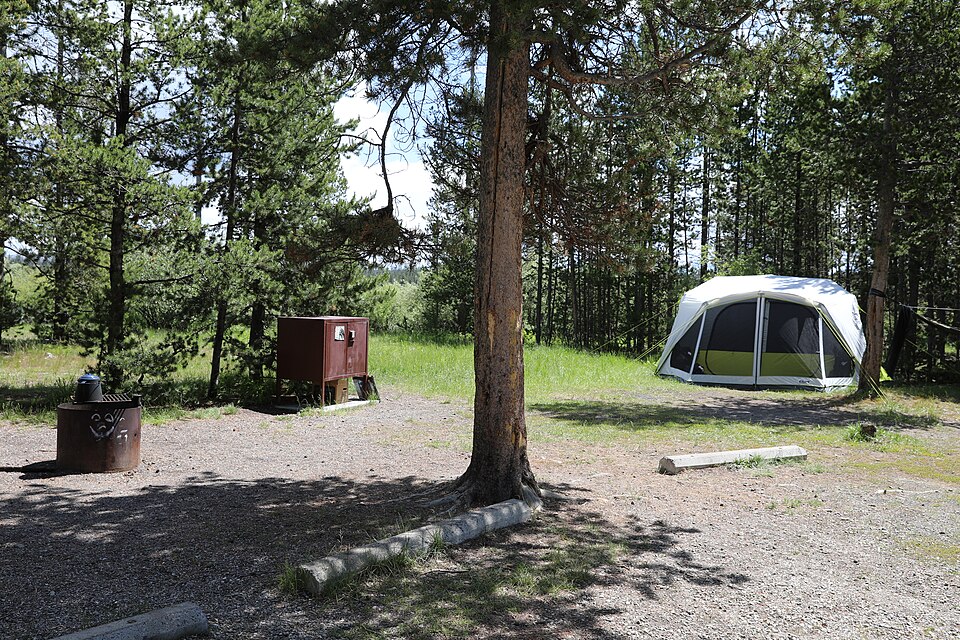
For a winter ski trip, prioritize insulated, heated lodging with confirmed winter access over the romance of a canvas shelter. Ask about parking, snow removal, and the walk between your vehicle and accommodation. Reserve early for holidays and popular summer weekends, and review cancellation terms for weather-related changes. Fire restrictions may prohibit campfires, so do not make a fire pit the deciding amenity. Check official forest notices, local conditions, and the accommodation's current policies before departure, including food-storage requirements and any restrictions affecting cooking.
Glamping vs. Tent Camping vs. an RV Stay
Glamping reduces the amount of equipment you need to bring, but convenience varies widely. A furnished unit with bedding and cooking facilities can simplify a short visit; a tent with only a bed may still require a cooler, cookware, towels, and substantial packing. Conventional tent camping usually offers a lower lodging cost, though purchasing or renting gear changes the overall estimate.
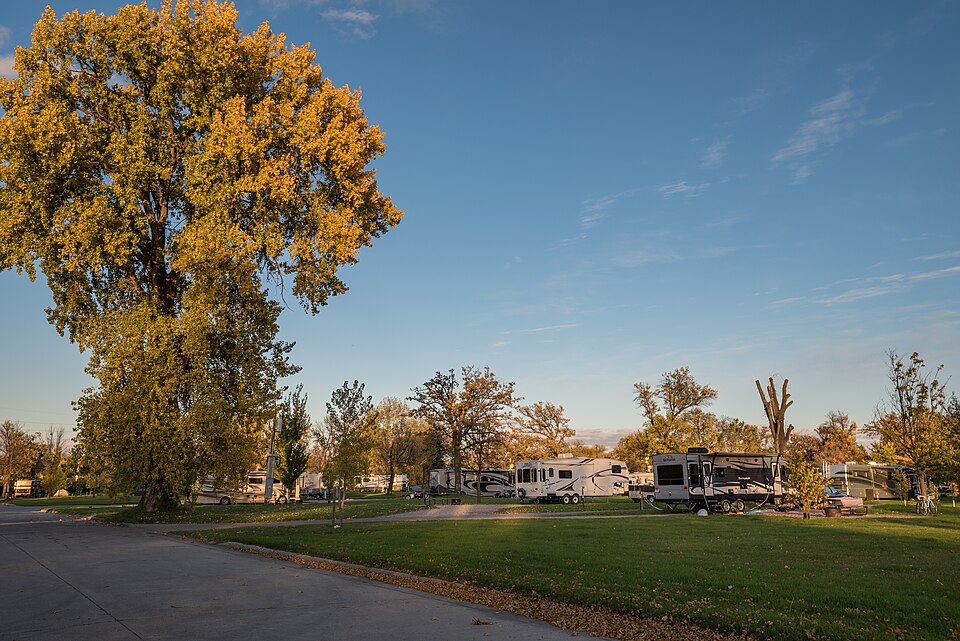
An RV provides a familiar sleeping space and may include a kitchen and bathroom, but site size, hookups, dump facilities, and parking rules require advance checking. Not every campground accommodates every vehicle, and winter water service may be limited or unavailable. Compare approximate total costs, including cleaning charges, equipment, fuel, and reservation fees, without assuming one style is always cheaper. Whichever you choose, follow posted bear-resistant food-storage rules. Confirm current conditions and reservations through the official forest or park site, including NPS information for any national monument side trip.