
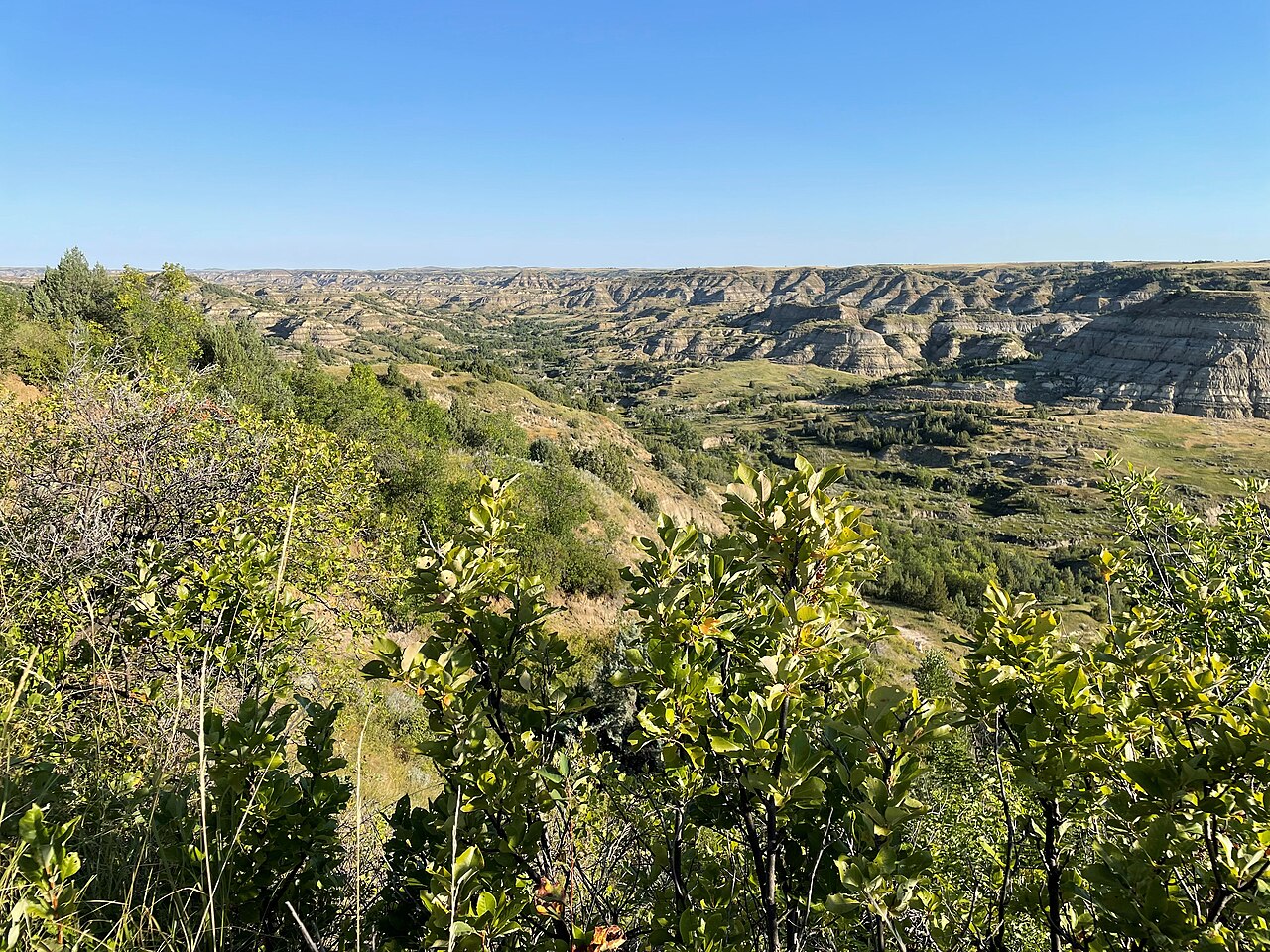
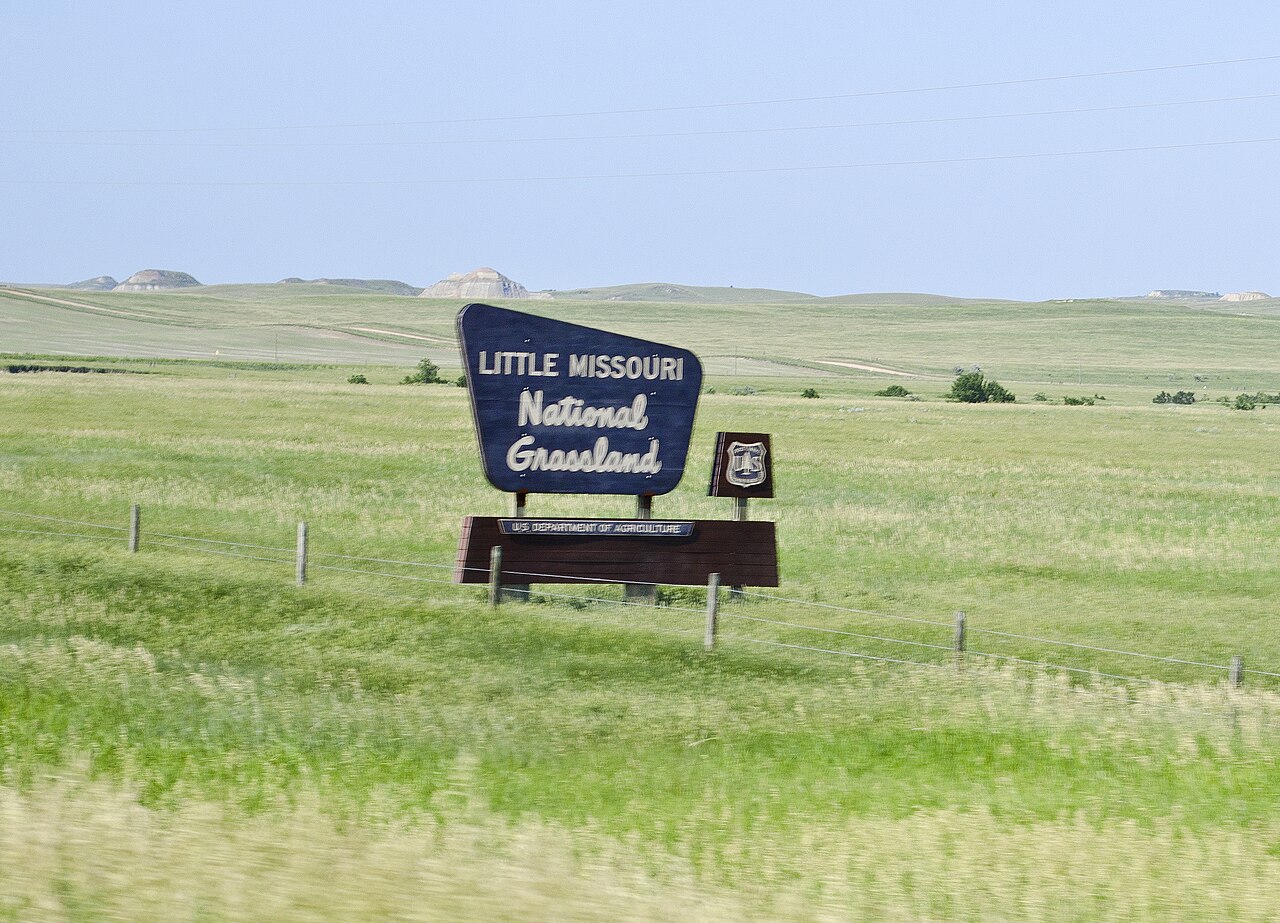
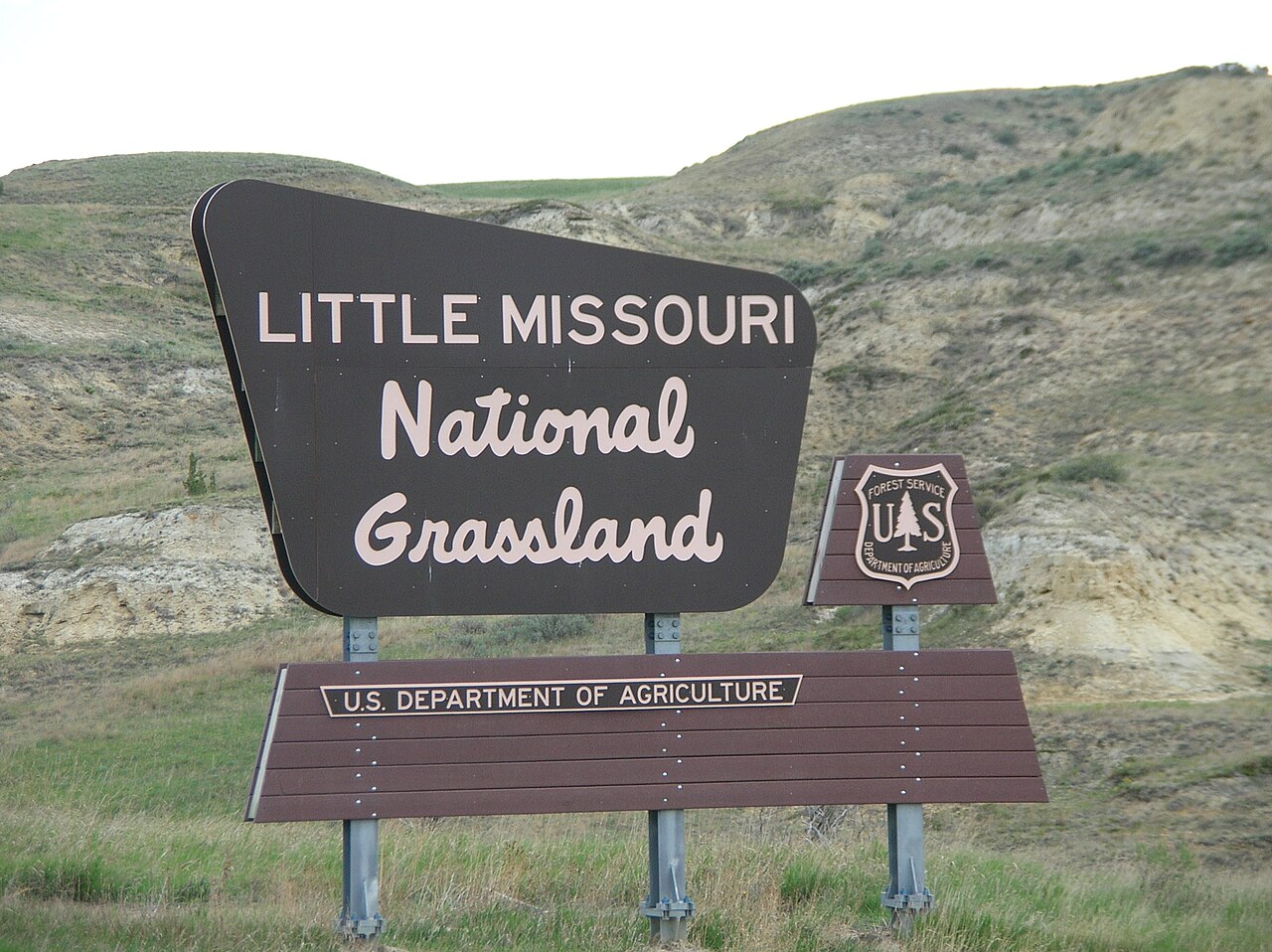
The Maah Daah Hey Trail is a legendary ribbon of singletrack that winds through the most rugged and beautiful sections of North Dakota. Spanning 144 miles, it connects the North and South units of Theodore Roosevelt National Park, crossing through the Little Missouri National Grassland. Whether you are a hardcore endurance athlete or a family looking for a scenic afternoon, the trail offers an immersive way to experience the 'Grand Canyon of the North.' The diversity of the landscape ensures that every mile brings a new perspective on this ancient, eroded terrain.
Epic Mountain Biking Adventures
The Maah Daah Hey is widely considered one of the premier mountain biking destinations in the United States. It is a 'point-to-point' trail that challenges riders with steep climbs, technical descents, and narrow ridgelines. The terrain is physically demanding, characterized by its broken ground and constant elevation changes. Riders can tackle the entire length over several days or choose specific segments like the 'Buffalo Gap' loop for a shorter excursion. The trail surface varies from hard-packed scoria to soft clay, requiring a bike in excellent condition and a rider with solid technical skills.
For those not looking for a multi-day epic, the areas around Medora provide access to shorter loops that still offer the thrill of the Badlands. The sheer scale of the trail means you can find loops that cater to different skill levels, though most of the trail is rated for intermediate to advanced riders due to the remote nature and physical exertion required. Always carry a repair kit and plenty of water, as the dry air and sun can quickly drain your energy.
Hiking and Backpacking the Badlands
Hiking the Maah Daah Hey allows for a slower, more intimate connection with the geological wonders of the region. Backpackers can spend four to five days traversing the trail, camping under some of the darkest night skies in the country. The trail takes you through 'clinker' formationsâred, kiln-fired rock created by ancient underground coal firesâand past massive petrified wood stumps that are millions of years old. The silence of the prairie is only interrupted by the whistle of the wind or the occasional call of a meadowlark.
Day hikers can enjoy sections near the various trailheads, such as the Plum Creek or CCC segments. These areas offer stunning overlooks of the Little Missouri River and the jagged 'hell's half acre' formations. Because the trail is well-marked with iconic turtle-shell signposts, navigation is relatively straightforward, but a physical map is always recommended. Backpackers must be prepared for the lack of water; while there are pumps at the USFS campgrounds, they are not always functional or potable, so checking recent trail reports on official sites is a must.
Wildlife Viewing and Birdwatching
The North Dakota Badlands are a sanctuary for iconic American wildlife. As you move along the trail, it is very common to encounter herds of bison grazing on the plateaus. These massive animals are magnificent to behold but should be given a wide berth for safety. You may also spot wild horses roaming the hills, descendants of the mounts once used by Native Americans and early ranchers. The sight of a stallion guarding his harem against the backdrop of a sunset is an unforgettable experience.
In addition to the larger mammals, the area is home to mule deer, pronghorn antelope, and elusive elk. Birdwatchers should keep their eyes on the sky for golden eagles and prairie falcons soaring on the thermals. The prairie dog towns are a hub of activity, where the small rodents 'bark' warnings to their neighbors as you pass by. These colonies also attract predators like coyotes and badgers. Bringing a pair of binoculars is highly recommended to appreciate these creatures from a respectful distance without disturbing their natural behavior.
Scenic Drives and Gateway Towns
While the trail itself is the main attraction, the surrounding region offers plenty of scenic opportunities accessible by car. A drive through the South Unit of Theodore Roosevelt National Park provides immediate access to stunning vistas and paved loops that showcase the area's geology. The gateway town of Medora is a charming, historic settlement that feels like a step back into the Old West. You can visit local museums, enjoy a chuckwagon-style steak fry, or watch the famous outdoor musical held in a natural amphitheater.
To the north, Watford City serves as a modern hub with excellent dining and fuel options. Driving between these two towns along Highway 85 offers a glimpse into the vastness of the North Dakota landscape. For a more rugged driving experience, the gravel roads throughout the Little Missouri National Grassland lead to remote overlooks where you can see the trail winding through the valleys below. These drives are especially beautiful during the 'golden hour' when the setting sun highlights the red and purple layers of the canyon walls.
Rainy Day Activities and Family Options
If the weather turns and the trail becomes too muddy for travel, there are still ways to enjoy the region. The North Dakota Cowboy Hall of Fame in Medora offers a deep dive into the ranching, rodeo, and Native American history of the state. It is an excellent indoor option for families to learn about the culture that shaped the Badlands. Additionally, the Visitor Centers at both the North and South Units of the national park feature museum exhibits, short films about the area's history, and helpful rangers who can provide advice on road conditions.
For families with kids, shorter nature trails near the campgrounds provide a manageable way to explore without committing to a long trek. The 'Painted Canyon' overlook near Dickinson is easily accessible from the highway and offers one of the most famous views in the state with minimal walking required. If the rain persists, a trip into Dickinson provides access to the Dakota Dinosaur Museum, which is a big hit with children interested in the prehistoric past of the Great Plains. Always keep an eye on the official park websites for weather-related closures.