
The Maah Daah Hey Trail is synonymous with rugged self-reliance, but a new way to experience the Badlands is emerging for those who prefer a touch of comfort after a long day in the saddle or on the path. Glamping, or glamorous camping, allows you to immerse yourself in the dramatic scenery of western North Dakota without the need to pitch a tent or sleep on the hard ground. Near the gateway towns of Medora and Watford City, you can find accommodations that bridge the gap between a traditional hotel and a primitive campsite.
What Glamping Looks Like in the Badlands
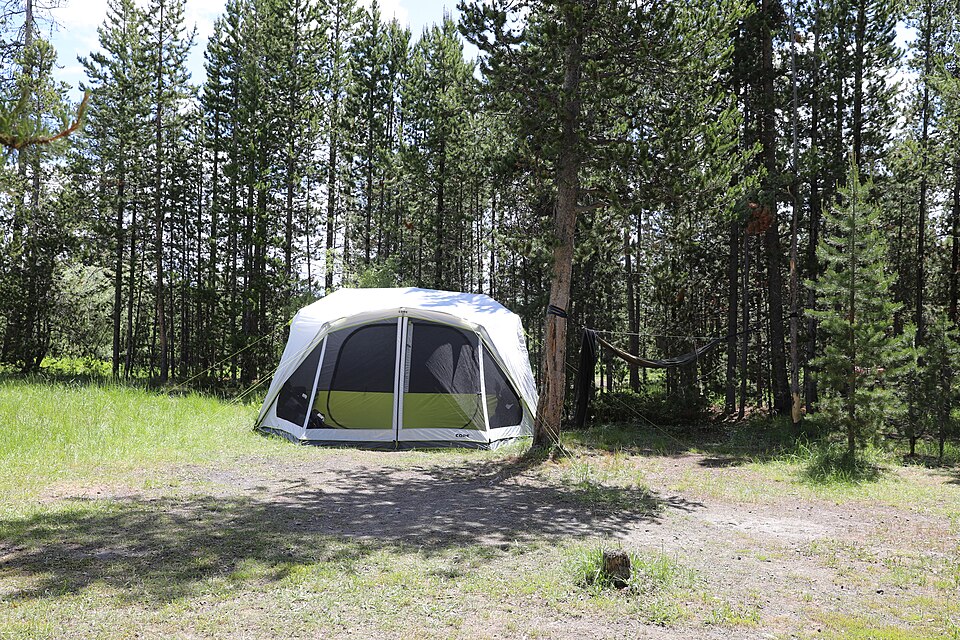
In the region surrounding the Maah Daah Hey Trail, glamping typically takes the form of well-appointed cabins, luxury yurts, or specialized wall tents. These structures are often situated on the edges of the badlands, providing front-row seats to the stunning sunrises and sunsets that the area is famous for. Instead of a sleeping bag on a thin pad, you can expect comfortable mattresses, high-quality linens, and often, small touches like coffee makers or private decks.
Many of these sites are designed to echo the ranching heritage of North Dakota, featuring rustic decor made from reclaimed wood and iron. While you are still 'outdoors,' you are protected from the elementsâa significant advantage given the region's propensity for sudden thunderstorms or high winds. Some glamping setups are located on private ranches, offering a unique opportunity to see a working landscape while enjoying a level of privacy that public campgrounds often lack. It is the perfect solution for travelers who want the aesthetic of a wilderness retreat with the amenities of a boutique lodge.
Gateway Towns and Locations
The primary hubs for finding glamping-style accommodations are Medora and Watford City. Medora, being a major tourism destination, has several properties that offer upscale 'frontier' lodging. You might find luxurious log cabins that feature modern bathrooms and kitchenettes while still being located just minutes from the Sully Creek Trailhead. These spots allow you to spend your day on the trail and your evening enjoying a hot shower and a meal in town.
Further north, near Watford City and the North Unit of Theodore Roosevelt National Park, the options lean toward newer developments. There are several spots tucked away in the rolling hills that offer a more secluded experience. These locations are ideal for those tackling the northern sections of the trail, such as the Bennett Creek or CCC segments. By staying in these gateway areas, you remain close to essential services like grocery stores and bike shops, while still feeling like you are miles away from civilization. Always check the official tourism websites for the most up-to-date listings of unique lodging providers.
Glamping vs. Traditional Camping
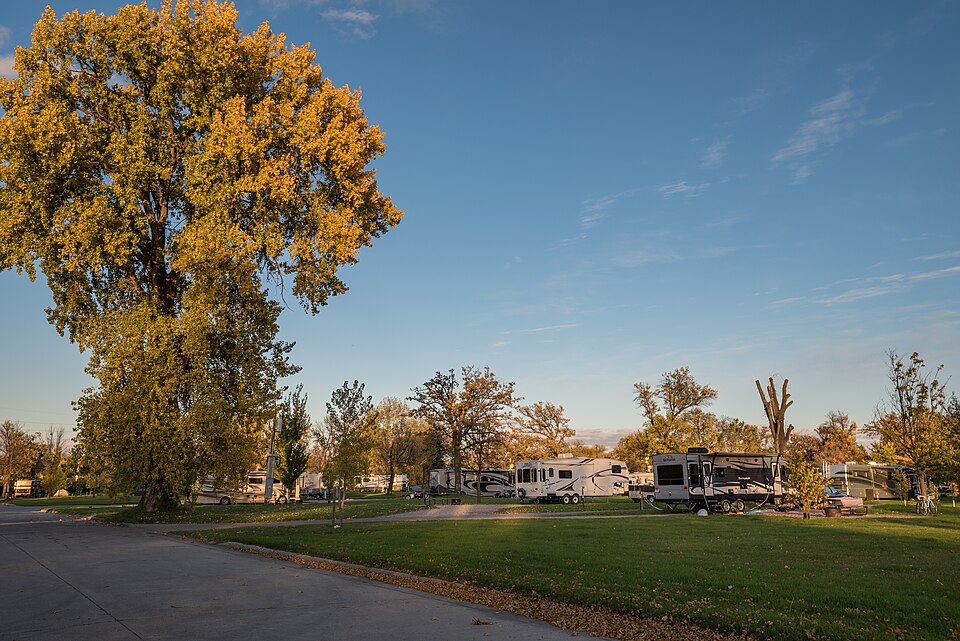
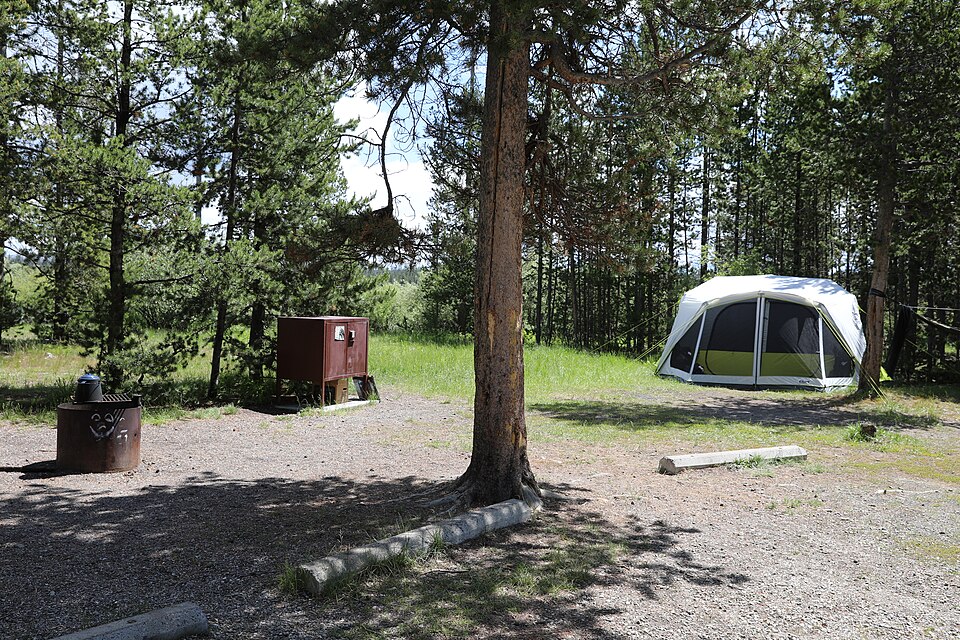
The choice between glamping and traditional camping on the Maah Daah Hey often comes down to your trip's objectives. Traditional camping at USFS sites like Buffalo Gap or Magpie is a primitive experience; there is no electricity, and water must be pumped by hand (and treated). This is the choice for those seeking total immersion and the lowest possible cost. Glamping, conversely, is a significant step up in both comfort and price. A nightly stay in a glamping unit can cost roughly the same as a mid-range to high-end hotel room, whereas a USFS campsite involves only a small nominal fee.
Glamping also eliminates the need to haul a large amount of gear. If you are flying into Dickinson (DIK), glamping allows you to travel light, as your 'camp' is already set up and waiting for you. This is particularly attractive for mountain bikers who are already managing heavy bike boxes and gear bags. However, glamping sites are usually fixed in one location, whereas traditional camping allows backpackers to move from one trailhead to the next along the 144-mile route.
Where to sleep
Harvest Hosts stays on the way to Maah Daah Hey Trail
Partner link · Harvest Hosts
RV Stays as a Glamping Alternative
For many visitors to western North Dakota, the ultimate glamping experience is bringing their own 'mobile hotel' via an RV. The region is very RV-friendly, with several parks offering full hookups, including water, electricity, and sewer. This allows you to have your own kitchen, bed, and climate control right at the doorstep of the Badlands. Many RV parks in Medora and Watford City offer additional amenities like laundry facilities and Wi-Fi, which can be a godsend after several days on the trail.
If you choose the RV route, you have the flexibility to move between the North and South units of the park, essentially creating your own glamping tour. Some travelers choose to 'boondock' or dry-camp on portions of the National Grassland, which provides the ultimate view but requires you to be self-sufficient with power and water. If you don't own an RV, there are rental services in the larger cities like Bismarck or Dickinson that will allow you to pick up a vehicle and drive it to the trailheads. This is a popular option for families who want to explore together.
Seasonal Considerations for Glamping
The glamping season in North Dakota is generally shorter than the camping season. Most upscale outdoor accommodations operate from late May through September. Because these structures are often not fully insulated for the harsh North Dakota winters, they close down once the first hard freeze arrives in October. The peak demand is during the summer months, especially around the July 4th holiday and during the annual Maah Daah Hey 100 mountain bike race in early August.
If you are looking for the best experience, aim for the 'shoulder' months of June or September. During these times, the weather is cool enough to enjoy a fire pit outside your cabin, but not so hot that the lack of central air conditioning (in some units) becomes an issue. Regardless of when you go, it is essential to book these unique stays well in advance. Unlike the first-come, first-served USFS campgrounds, glamping spots are limited and often sell out months ahead of time. Check the official park and forest service sites for any alerts regarding road access to these more remote lodging options.