
Timing is everything when planning a journey through the rugged, wind-sculpted terrain of western North Dakota. The Maah Daah Hey Trail offers a raw and beautiful experience of the Badlands, but its high-plains environment is subject to dramatic shifts in weather and temperature. Understanding the subtle nuances of the Great Plains seasons will ensure your trek or ride is both comfortable and visually stunning. While the trail is technically open year-round, the windows of ideal conditions are relatively short and highly sought after by outdoor enthusiasts.
Springtime in the Badlands
Late May and early June represent one of the most vibrant periods to explore the trail. During this window, the usually tawny landscape undergoes a transformation as the prairie grasses turn a brilliant, neon green and wildflowers like pasqueflower and prairie smoke begin to bloom. The temperatures are generally mild, often hovering between the 60s and 70s, making it perfect for strenuous mountain biking or long-distance hiking without the risk of heat exhaustion.
However, spring in North Dakota can be fickle. Early season visitors should be prepared for the 'gumbo' mudâa thick, clay-heavy soil that becomes nearly impassable when wet. If heavy rain occurs, the trail can become sticky enough to stop a mountain bike in its tracks. Always check the weather forecast and the official U.S. Forest Service or NPS updates before heading out, as late spring storms can occasionally bring unexpected moisture to the region. The birdlife is particularly active now, providing a beautiful soundtrack to your journey.
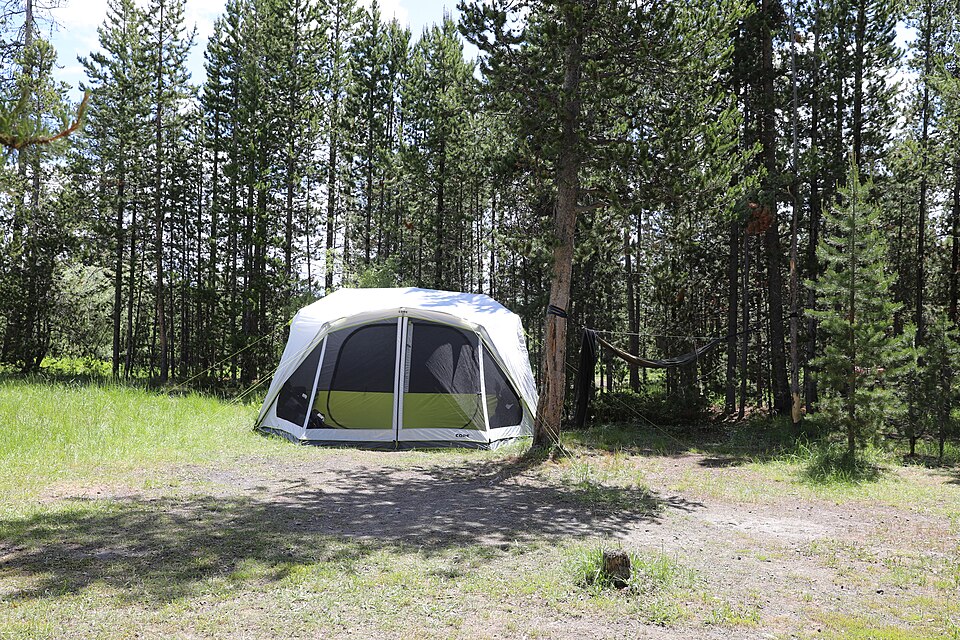
Lock in a stay for this season
RV parks near Maah Daah Hey Trail on RoverPass
Partner link · RoverPass
The Golden Days of Autumn
September and October are arguably the best months for a long-distance trek. The intense heat of the summer has dissipated, and the air takes on a crisp, clear quality that improves visibility for miles across the rolling plateaus and jagged buttes. The prairie grasses transition into deep golds and burnt oranges, and the stands of cottonwood trees along the Little Missouri River turn a shimmering yellow. Nighttime temperatures begin to drop, often reaching freezing, which makes for excellent sleeping weather in a tent or RV.
This is also a prime time for wildlife viewing as bison and elk are active during the rut. The crowds, which are never overwhelming on this 144-mile expanse, thin out even further after Labor Day. While you won't need to worry about heat as much, you should pack layers to accommodate the sharp temperature swings between high noon and midnight. Fall is generally the driest season, meaning the trail surface is usually firm and fast for cyclists looking to cover significant mileage.
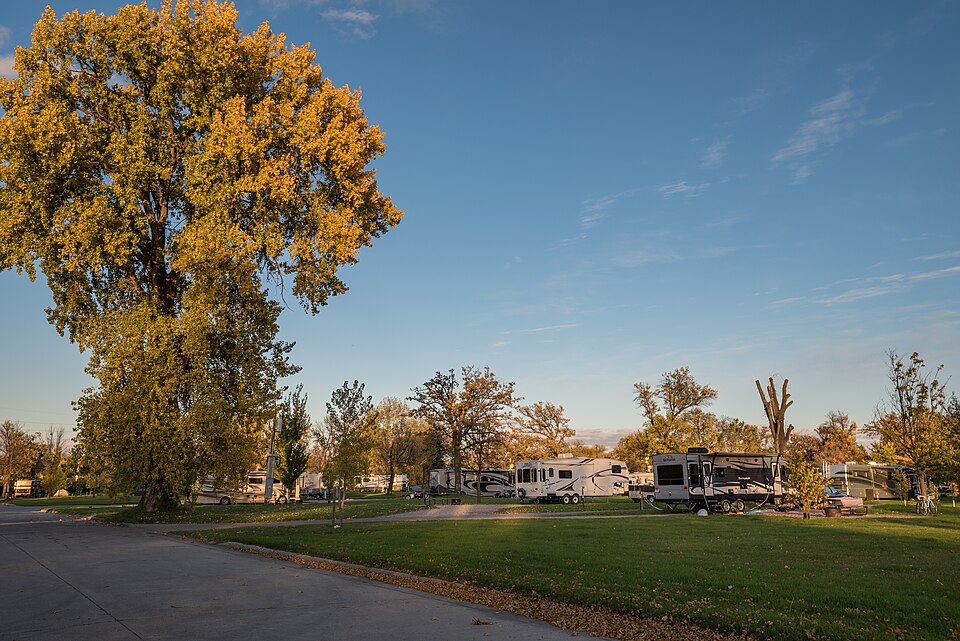
Lock in a stay for this season
Campsites near Maah Daah Hey Trail on Campspot
Partner link · Campspot
Navigating the Summer Heat
July and August bring the full intensity of the Great Plains sun. Temperatures frequently climb into the 90s and occasionally top 100 degrees Fahrenheit. Because the trail offers very little natural shade, summer travelers must be extremely diligent about water management and sun protection. Riding or hiking during the early morning hours and late evenings is a common strategy to avoid the midday peak. Despite the heat, summer is a popular time for families visiting nearby Theodore Roosevelt National Park, meaning the trailheads near Medora may see more day-trip traffic.
Summer also brings the risk of sudden, intense prairie thunderstorms. These storms can appear quickly on the horizon and bring heavy wind and lightning. If you are caught on a high ridge during a storm, it is vital to seek lower ground immediately. For those who can handle the heat, the long daylight hours allow for massive amounts of ground to be covered, but we recommend carrying significantly more water than you think you will need, as natural water sources are scarce and unreliable.
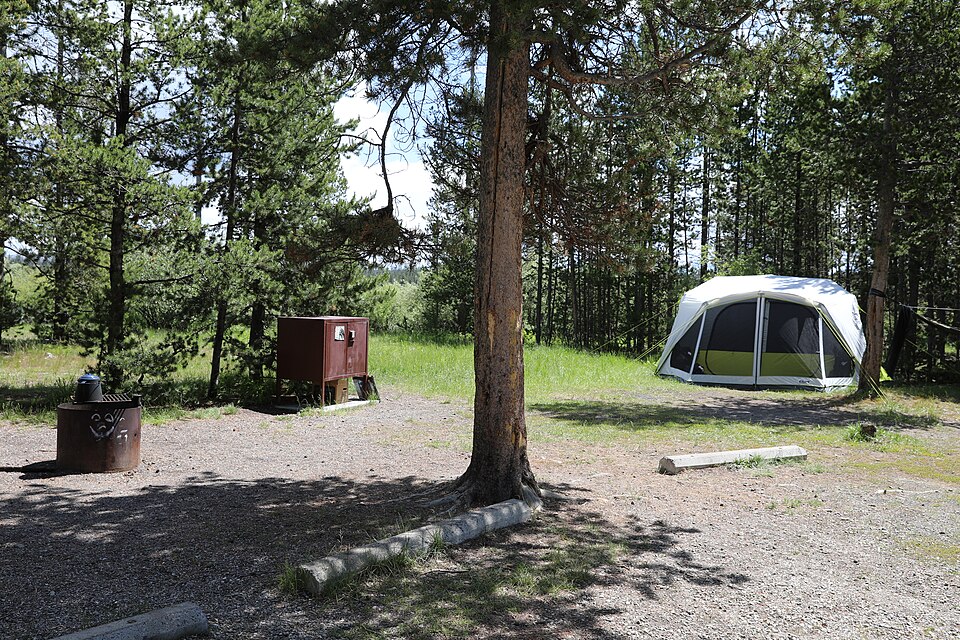
Lock in a stay for this season
Harvest Hosts stays on the way to Maah Daah Hey Trail
Partner link · Harvest Hosts
Winter's Quiet Solitude
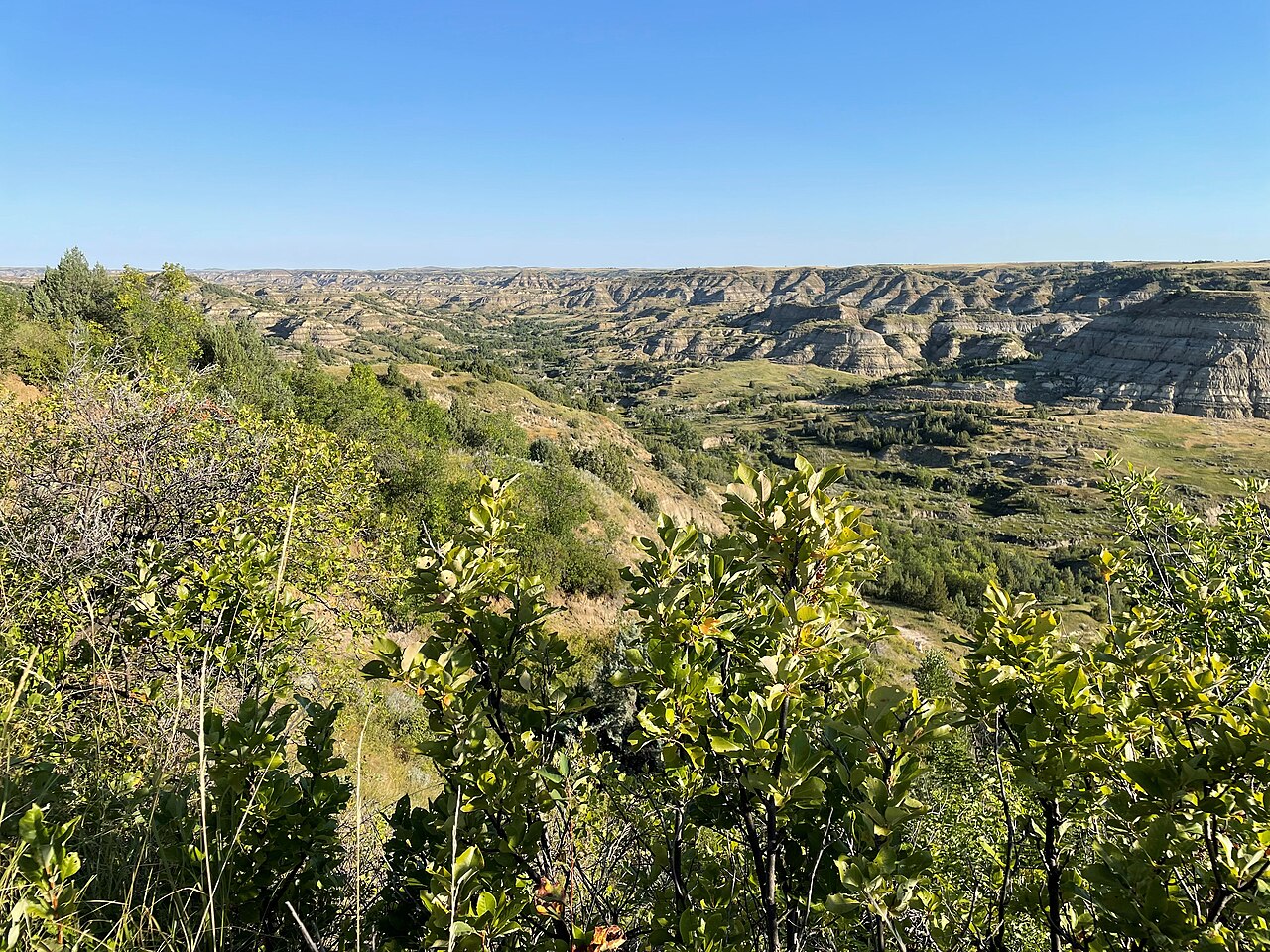
Winter on the Maah Daah Hey Trail is only for the most experienced and prepared adventurers. From November through March, the Badlands are often blanketed in snow and gripped by sub-zero temperatures. The landscape becomes a stark, monochrome world of white and gray, offering a silence that is profound. Fat-biking has grown in popularity during these months, as the frozen ground provides a stable surface that is otherwise prone to mud. However, the wind chill on the open prairie can be dangerous, and many of the access roads to remote trailheads may be drifted over and impassable for standard vehicles.
If you choose to visit in winter, you must be entirely self-sufficient. Many services in the gateway towns of Medora and Watford City operate on reduced seasonal hours or close entirely. The beauty of the ice-caked canyon walls is undeniable, but the margin for error is slim. Always leave a detailed trip plan with someone back home and ensure you have high-quality cold-weather gear designed for Arctic-like conditions.
Crowds and Reservation Timing
One of the greatest draws of the Maah Daah Hey is its solitude. Even during peak seasons, you are unlikely to encounter large groups once you get a few miles away from the main trailheads like Sully Creek or Bennett Creek. However, if you plan to stay at the developed USFS campgrounds along the trail, such as Magpie or Wannagan, space is available on a first-come, first-served basis. During the busy weekends of June and September, these spots can fill up with horse trailers and bike groups.
For those planning to stay in Medora or Watford City, booking lodging several months in advance is highly recommended, especially during the summer months when the Medora Musical is in full swing. If you are utilizing a shuttle service to move your vehicle or gear between trailheads, reach out to local operators at least a month before your trip to ensure availability. Checking the National Park Service website for Theodore Roosevelt National Park is essential, as the trail passes through both the North and South units where specific backcountry permits and regulations apply.
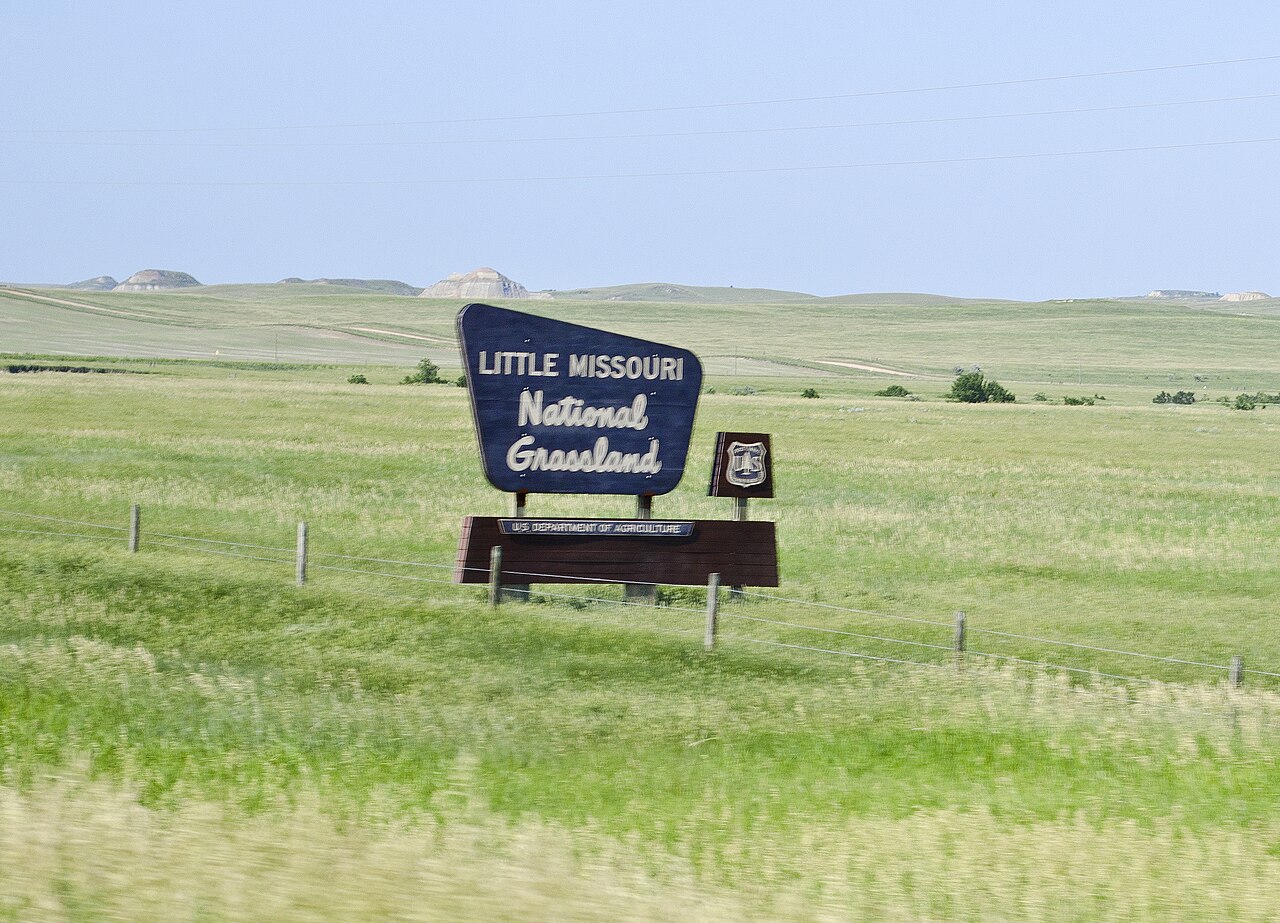
More ways to book Maah Daah Hey Trail
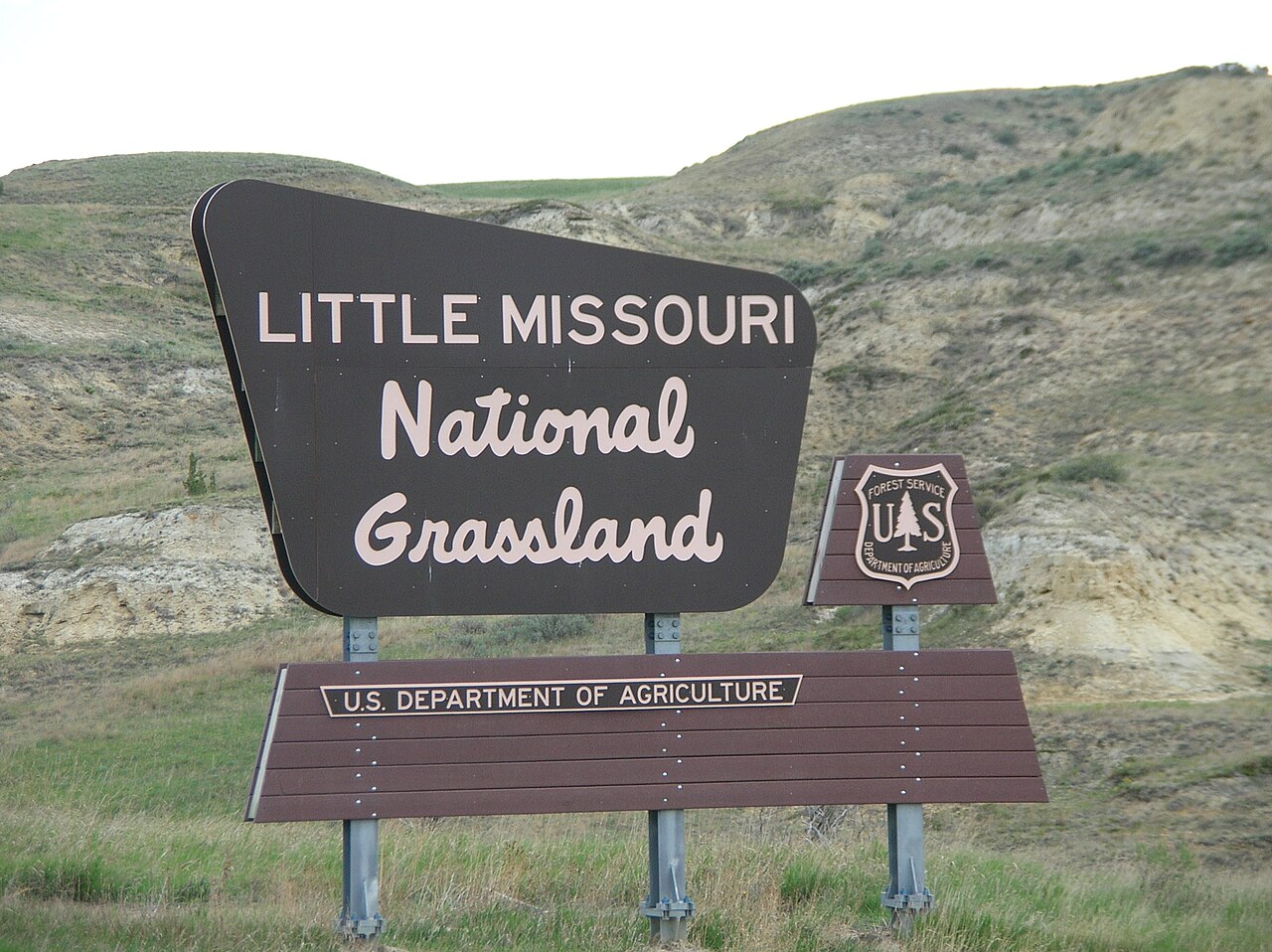 Illustrative · Forest Service Northern Region from Missoula, MT, USA
Badlands Hiking
One of the classic ways to experience Maah Daah Hey Trail.
Varies (estimate)
Partner link · Viator