
The Loess Hills offer a distinctive outdoor playground characterized by sharp ridgelines and hidden valleys. Unlike the flat plains often associated with the Midwest, this region provides challenging terrain for hikers and breathtaking views for motorists. Whether you are seeking a rugged backcountry hike or a relaxing afternoon at a local overlook, the 'Loess' (pronounced 'luss') landscape offers several ways to connect with a rare ecosystem found in only one other place on Earth.
Hiking the Rugged Peaks
Hiking is undoubtedly one of the premier things to do in Loess Hills. The terrain is surprisingly vertical, with trails that climb steeply from the valley floor to narrow ridges. Preparation is key, as the silty soil can be loose and the sun can be intense. One of the most popular spots for hikers is the Hitchcock Nature Center near Honey Creek. It features a network of trails ranging from easy boardwalks to difficult climbs like the Badger Ridge Trail, which offers 360-degree views of the surrounding hills.
For those seeking a more remote experience, the Preparation Canyon State Park offers hike-in campsites and trails that wind through dense forests into open prairie. The Broken Kettle Grasslands in the northern hills provide a different feel entirely, showcasing the largest remaining contiguous tract of tallgrass prairie in Iowa. Here, you are likely to find an array of rare plants and insects that depend on this specific habitat. Always carry plenty of water, as the prairie environment can be dehydrating.
Driving the Scenic Byway
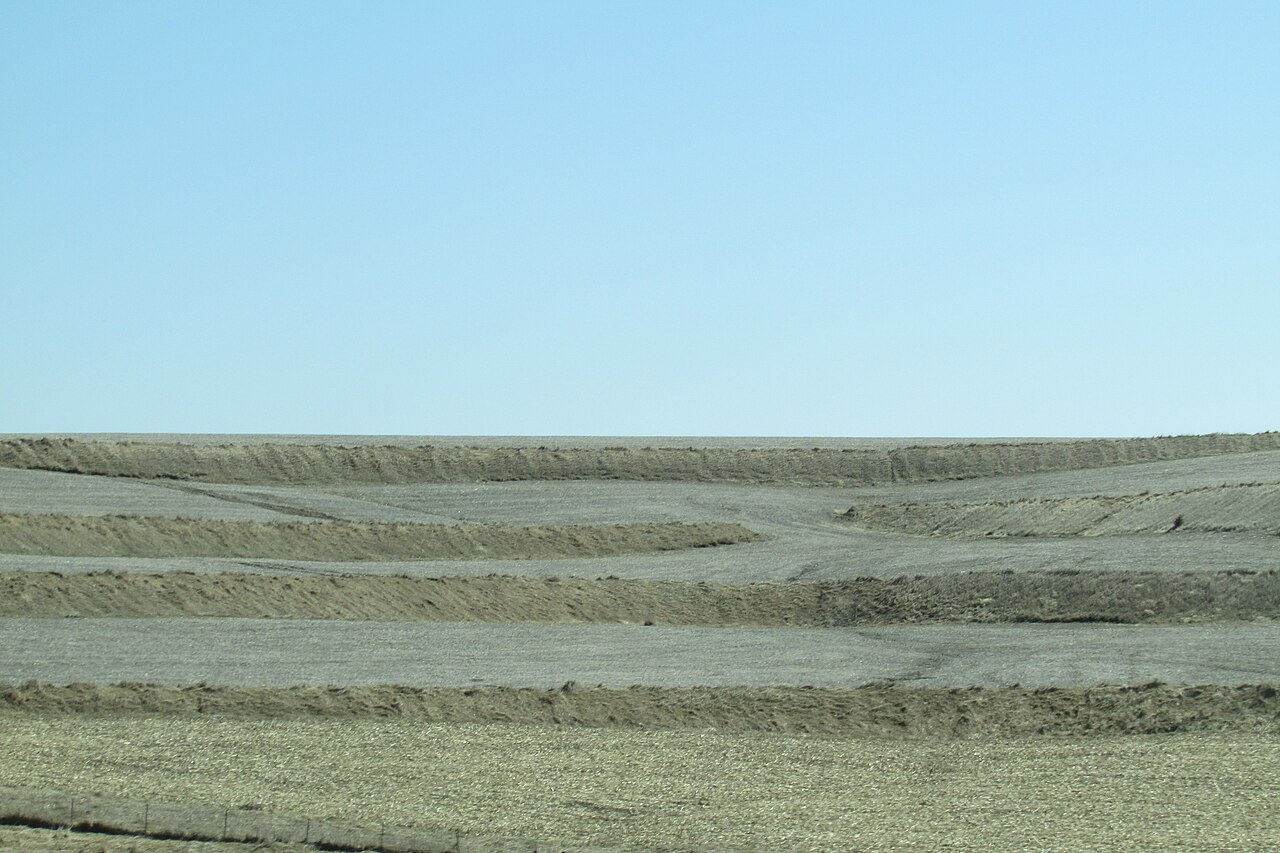
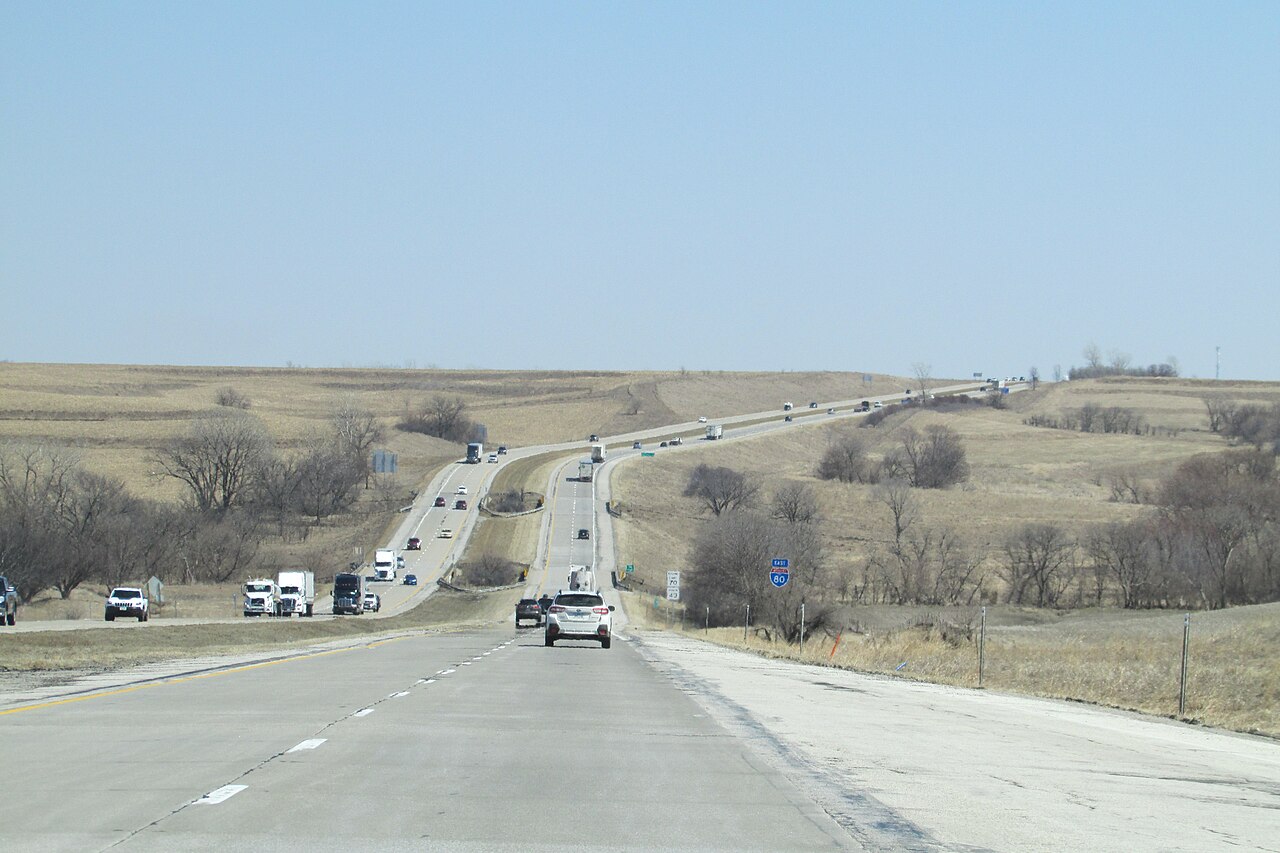
The Loess Hills National Scenic Byway is a 200-mile route that spans the entire length of the landform from north to south. Driving this route is one of the best ways to appreciate the scale of the hills. The byway consists of a main spine and several 'loops' that take you deeper into the rural countryside. Along the way, you will pass through charming small towns and find numerous pull-offs with interpretive signage explaining the glacial winds that deposited the silt here thousands of years ago.
One of the most photographed spots along the drive is the Loess Hills Overlook near Pisgah. This elevated platform provides a clear view of the unique 'ribbon' effect of the hills as they undulate toward the Missouri River. Exploring the byway allows you to see the transition from the rolling southern hills to the more jagged, steep-sided peaks of the northern section. It is a perfect activity for those with limited mobility or families who want to see the sights from the comfort of their vehicle.
Birdwatching and Wildlife Observation
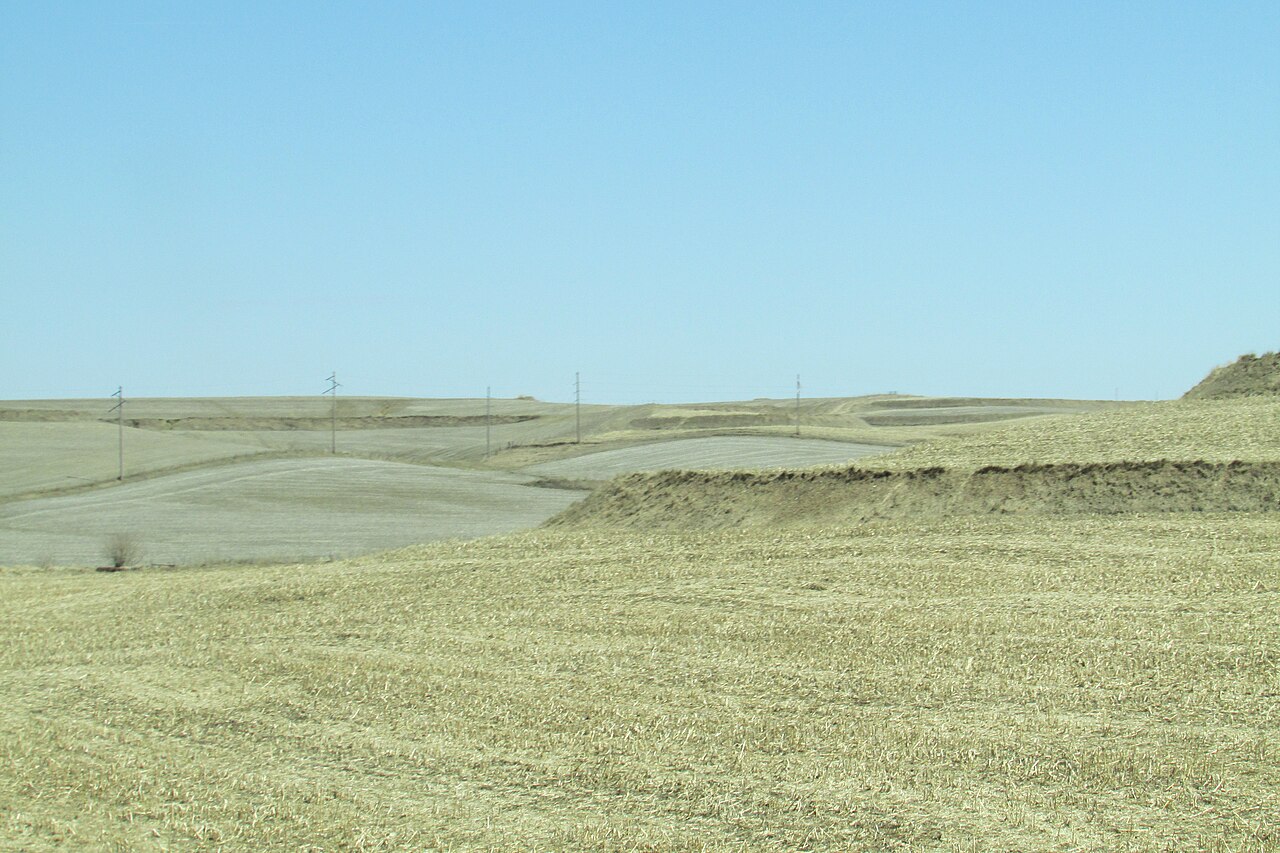
The Loess Hills serve as a critical corridor for wildlife. Because the hills rise sharply above the flat river valley, they create thermal updrafts that raptors use for soaring. The Hitchcock Nature Center is home to a renowned hawk watch, where visitors can help count thousands of Cooper's hawks, bald eagles, and peregrine falcons during the fall migration. Even outside of migration season, the area is a haven for meadowlarks, bluebirds, and various wood-warblers.
On the ground, wildlife is equally diverse. White-tailed deer are common in the wooded ravines, while more elusive animals like bobcats and coyotes roam the deeper sections of the parks. The hills are also home to the rare ornate box turtle and the Great Plains skink, species more commonly found much further west. Bringing a pair of high-quality binoculars is highly recommended, as much of the wildlife stays at a distance on the open slopes or hides in the dense brush of the valleys.
Book this experience
Preparation Canyon State Park Overlook
Varies (estimate) · Partner link · Viator
Family Activities and Nature Centers
If you are traveling with children, the various nature centers in the region are essential stops. These facilities offer hands-on exhibits about geology, local animals, and the history of the Lewis and Clark expedition, which traveled right alongside these hills. The Lewis and Clark Interpretive Center in Sioux City provides an immersive look at the explorers' journey and their encounters with the landscape. Many parks also offer 'discovery packs' for kids, which include magnifying boards, bird guides, and binoculars for use on the trails.
For an outdoor family adventure, many of the parks have observation towers that allow kids to climb high above the treeline. The tower at Hitchcock Nature Center is particularly popular for its height and stable build. There are also plenty of spots for a quiet picnic. Murray Hill Overlook is a local favorite, offering a short but steep walk to a point where kids can see across state lines into Nebraska. These activities provide a balance of education and physical energy-burning for younger visitors.
Rainy Day and Cultural Stops
When the weather doesn't cooperate for hiking, there are several indoor activities to enjoy. The gateway cities of Council Bluffs and Sioux City offer museums and cultural sites that round out a trip. In Council Bluffs, you can explore the Union Pacific Railroad Museum to learn about how the railroads shaped the West, or visit the Historic General Dodge House. These sites provide context for how early settlers navigated and transformed the land around the Loess Hills.
Small-town art galleries and local markets near Pisgah or Moorhead also offer a pleasant diversion. You might find local honey, prairie grass crafts, or photography of the hills by local artists. Many of the winery and orchard stops along the byway have indoor tasting rooms where you can sit out the rain while enjoying views of the misty hills. Checking the official visitor websites for these towns will alert you to seasonal festivals or indoor farmers' markets that might be occurring during your stay.