
The Loess Hills of Western Iowa represent one of the most remarkable geological formations in the United States, created by wind-blown glacial silt thousands of years ago. Understanding the seasonal shifts of this prairie landscape is essential for experiencing its dramatic ridgelines and rare plant life. Most travelers find that the shoulder seasons offer the most comfortable temperatures and vivid colors for exploring the winding scenic byways and rugged hiking trails that define this unique region.
Spring Blooms and Migrations
Spring is an awakening in the Loess Hills, typically beginning in earnest by mid-April. This is widely considered the best time to visit Loess Hills if you are interested in botany and birdwatching. As the frost recedes, rare prairie flowers like the Pasque flower and prairie smoke begin to dot the rugged slopes. The hills turn a brilliant, electric green that contrasts sharply against the deep blue of the Iowa sky.
Migratory birds follow the Missouri River corridor, making the peaks of the hills excellent vantage points for spotting hawks and eagles. During late spring, temperatures are generally mild, ranging from the 50s to the 70s, though you should be prepared for sudden rain showers that can make the silty soil of the trails quite slick. Early spring is also a quieter time for visitors, meaning you will likely have many of the overlook points to yourself before the summer crowds arrive.
Golden Autumn Foliage
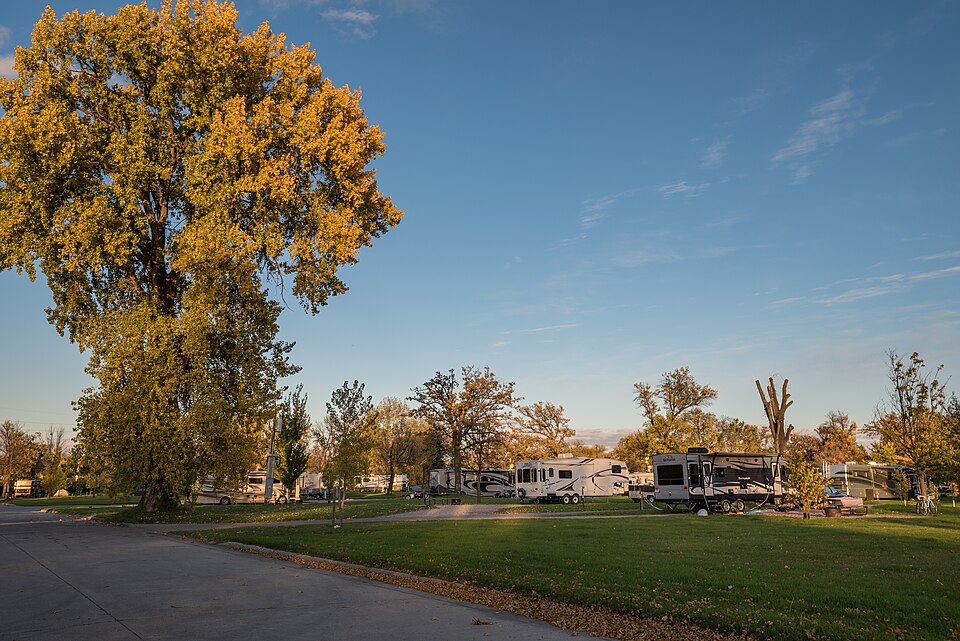
For many, September and October represent the pinnacle of the Loess Hills experience. As the humidity of summer fades, the prairie grasses transform into a sea of gold, amber, and deep burgundy. This is also when the hardwood forests tucked into the valleys and ravines put on a spectacular show of reds and oranges. The crisp air is perfect for long-distance hiking at places like Hitchcock Nature Center, where visibility extends for miles across the Missouri River valley into Nebraska.
Fall is also the peak season for the famous hawk watches. Nature enthusiasts gather on the ridges to count thousands of raptors during their southern migration. Be aware that weekends in October are popular for scenic drives along the Loess Hills National Scenic Byway. If you seek solitude, plan your visit for mid-week. Temperatures during this window are ideal for camping, with warm days and cool, refreshing nights that are perfect for a campfire.
Summer Sun and Prairie Life
Summer in Western Iowa brings heat, humidity, and a landscape teeming with life. While temperatures frequently climb into the 80s and 90s, this is the time to see the tallgrass prairie in its full glory. Sunflowers and purple coneflowers dominate the slopes, and the constant prairie wind provides a measure of relief on the ridge tops. July and August are the busiest months for family travelers, particularly near the gateway cities like Council Bluffs and Sioux City.
If you visit during the summer, it is best to schedule your hiking for the early morning hours to avoid the midday sun. Many of the trails are exposed with very little shade, as the unique composition of the loess soil supports grassland more readily than dense forest. Summer evenings are magical, with fireflies appearing in the valleys and the sound of cicadas providing a constant soundtrack to the sunset. Always check the official park sites for fire danger ratings during dry summer spells.
Lock in a stay for this season
Harvest Hosts stays on the way to Loess Hills
Partner link · Harvest Hosts
Winter Solitude and Geology
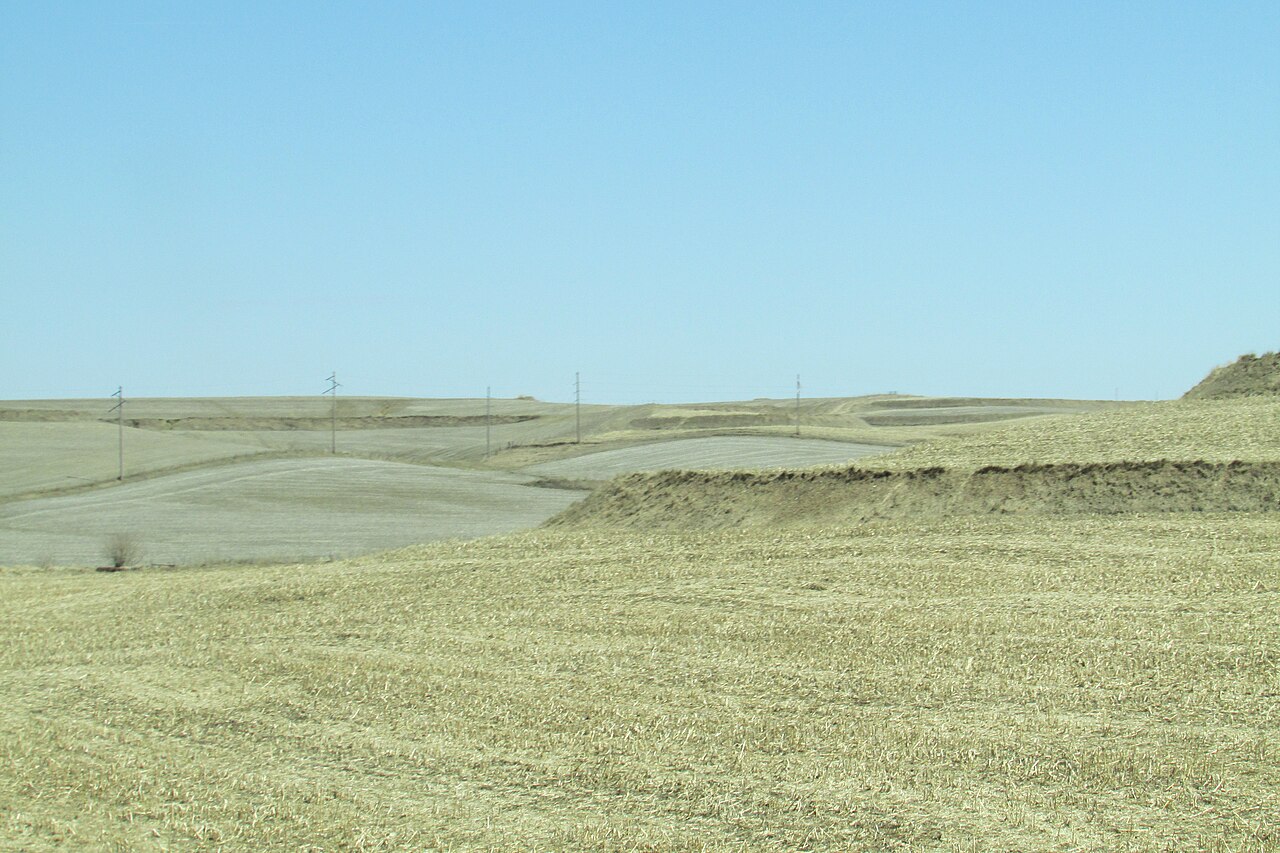
Winter offers a stark, minimalist beauty in the Loess Hills. Once the leaves have fallen and the snow begins to coat the ridges, the true shape of the land is revealed. The 'catsteps'âstair-like terraces on the hillsides caused by the slumping of the loess soilâare much easier to see during the dormant season. While some smaller access roads may become difficult to navigate after a heavy snowfall, the main scenic byway is generally well-maintained.
Winter visitors should be prepared for biting winds on the exposed ridges, but the reward is total silence and a chance to see wildlife like deer and coyotes against the white backdrop. Many of the nature centers remain open with limited hours, offering indoor exhibits that detail the glacial history of the region. This is the ultimate season for those seeking a quiet retreat, as the number of visitors drops significantly. Accommodations in nearby towns often have more availability, though you should confirm that specific trailheads and park gates remain open.
Planning and Reservations
Regardless of the season, timing your reservations is key to a smooth trip. For the peak spring and fall windows, campsites at popular state and county parks can fill up weeks in advance, especially for holiday weekends like Memorial Day or Labor Day. If you are looking for cabins or specialized lodges, aim to book at least two to three months out. The Loess Hills cover a vast north-south stretch of Iowa, so check the specific conditions for the northern units near Sioux City versus the southern units near Council Bluffs, as weather can vary slightly.
Always consult the official National Park Service or Iowa Department of Natural Resources websites before you depart. These resources provide the most current information on trail closures, controlled prairie burns, and seasonal road maintenance. While permits are generally not required for day hiking, some specific conservation areas may have unique rules for backcountry use. Planning ahead ensures you can focus on the breathtaking vistas rather than logistics.
More ways to book Loess Hills
 Illustrative · Chris Light
Preparation Canyon State Park Overlook
One of the classic ways to experience Loess Hills.
Varies (estimate)
Partner link · Viator