
The Loess Hills provide a dramatic backdrop for those who want to experience the wilderness without sacrificing comfort. While traditional tent camping is popular in the state parks, Loess Hills glamping is an emerging way to enjoy the rugged Iowa landscape. From refurbished cabins to elevated tent structures, these accommodations allow you to fall asleep to the sound of owls in the bur oak forests and wake up to a sunrise over the wind-swept ridges.
What Glamping Looks Like Here
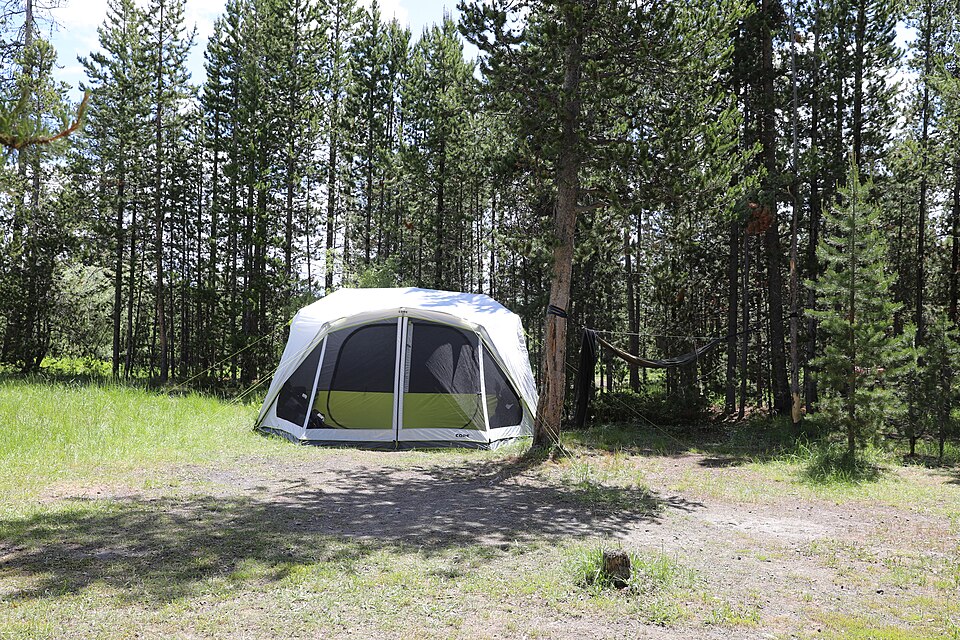
In the Loess Hills, glamping takes on a rustic, Midwestern character. You won't find many ultra-luxury resorts, but you will find high-quality cabins, climate-controlled yurts, and professionally managed 'safari-style' tents. Many of these sites are located on the edges of the state and county parks, particularly near the gateway cities of Council Bluffs and Pisgah. These accommodations typically offer comfortable mattresses, linens, and often a private deck where you can enjoy the expansive views of the Missouri River valley.
Some glamping experiences are focused on farm-stays, where you can stay in a renovated barn or a small cottage on a working orchard. This provides a unique connection to the local agricultural culture. Whether it is a tiny house nestled in a ravine or an A-frame cabin perched on a ridgeline, the focus is always on the view. The silence of the hills at night, punctuated only by a distant coyote howl, is a primary feature of any upscale camping stay in this region.
Gateway Cities and Recommended Areas
The best locations for glamping are often found near the most popular parks. Hitchcock Nature Center, just north of Council Bluffs, is a prime area. The proximity to the city means you can have a gourmet meal in town and be back in your cozy cabin within twenty minutes. Further north, the area around Pisgah and the Loess Hills State Forest offers more seclusion. This is the heart of the most rugged terrain, making it ideal for those who want to step out of their tent and immediately hit a hiking trail.
Near Sioux City in the northern hills, Stone State Park and its surrounding conservation areas also offer elevated camping options. Here, the landscape is more jagged and the views can extend into three different states. When searching for these accommodations, look for sites in the towns of Honey Creek, Moorhead, and Onawa. These smaller communities often serve as the hubs for local glamping hosts who provide everything from fire pits to pre-stocked kitchenettes for an easy weekend getaway.
Glamping vs. Traditional Camping
Choosing between glamping and traditional camping in the Loess Hills depends largely on your tolerance for the elements. The hills are known for their wind; on the ridges, a tent can be buffeted by strong gusts all night long. Glamping structures satisfy the need for a solid windbreak and a stable temperature. Many of the cabins in the state parks, like those at Preparation Canyon, provide a roof and a bed but still require you to bring your own bedding, sitting comfortably between camping and luxury glamping.
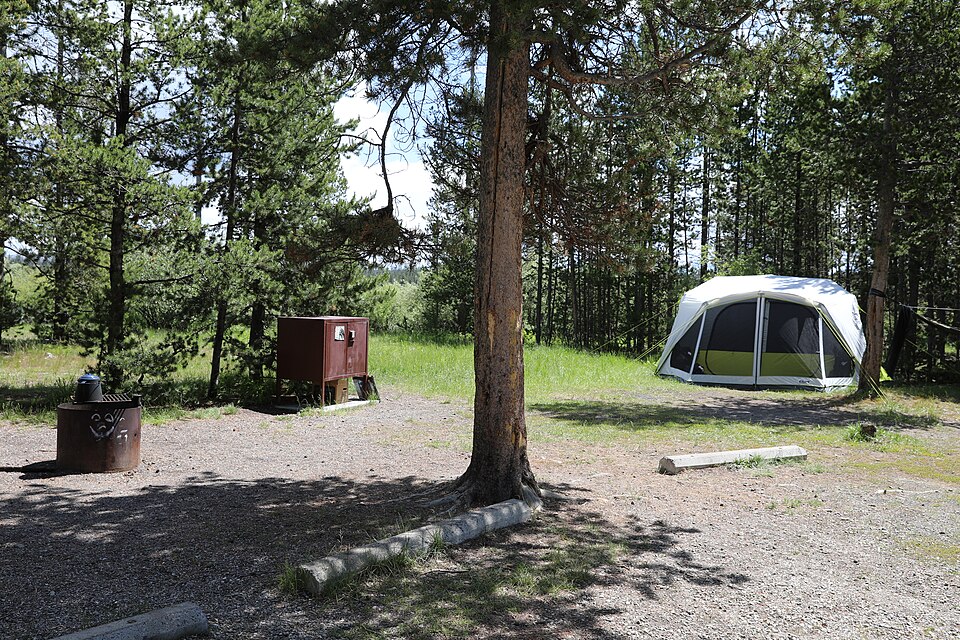
For those traveling with a family, a cabin or glamping tent provides a much-needed 'base camp' with electricity and proximity to restrooms. Traditional camping in the Loess Hills can be quite primitive, with many of the best sites being hike-in only. If you chose the glamping route, you are trading the total immersion of the backcountry for the ability to rechargeâboth your body and your cameraâafter a long day of hiking the vertical catsteps. It is a fantastic compromise for those who love the out-of-doors but appreciate a warm shower at the end of the day.
RV Travel and Road Trip Comfort
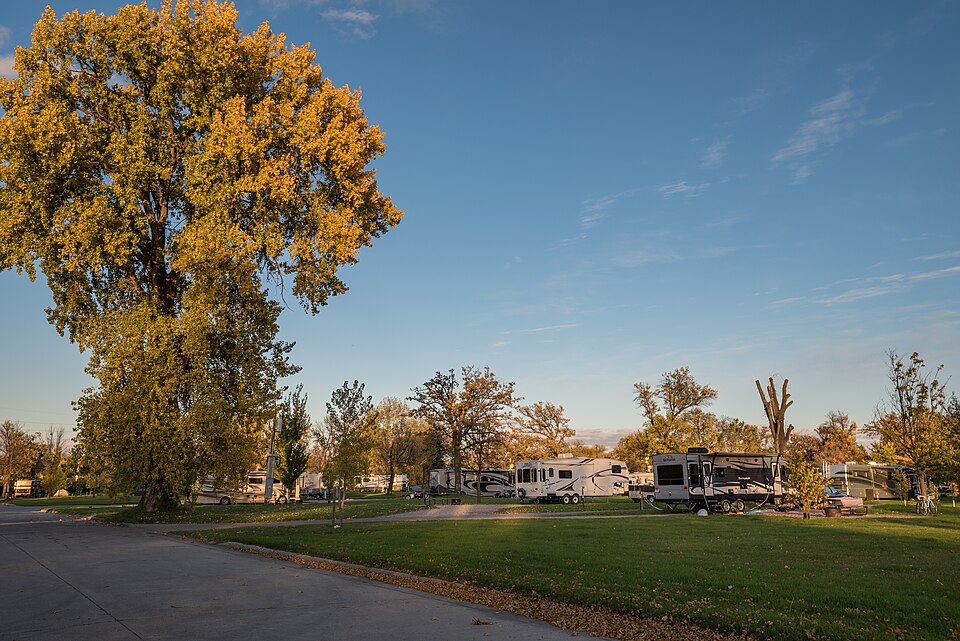
For many, the ultimate Loess Hills glamping experience is bringing their own 'hotel on wheels.' The Loess Hills National Scenic Byway is a favorite for RV travelers. Many of the county parks, such as Arrowhead Park or Savery Pond, offer excellent RV hookups with beautiful views. Having an RV allows you to stay in the heart of the hills while enjoying the comforts of a kitchen and privatized sleeping quarters.
When driving an RV in the hills, however, be cautious of some of the narrower loop roads. Stick to the main byway routes which are generally wider and well-paved. Many RV parks in the area are seasonal, typically opening in mid-April and closing in late October. During the peak autumn months, these spots can be very popular with travelers seeking the fall colors, so it is wise to check the official county park websites for availability. Traveling by RV provides the flexibility to follow the byway from end to end without having to pack and unpack at different hotels.
Seasonal Considerations for Stays
Because of Iowaâs variable weather, the glamping season is relatively defined. The best time for a comfortable stay is from May through October. During the height of summer, ensure your glamping choice has air conditioning or at least high-powered fans, as the humidity in the river valley can be intense. In late September and October, the cool nights make a cabin with a wood-burning stove or an electric heater incredibly cozy.
Before booking, always check the specific amenities listed for the season. Some seasonal tents are taken down after the first frost in October. Conversely, many of the permanent cabins in the state parks are available year-round, offering a unique winter glamping experience for those who enjoy snowshoeing or quiet winter photography. Always consult the official Iowa State Park reservation system to see images of the specific cabins and to understand what supplies are provided versus what you need to bring from home. Planning for the weather ensures your comfortable retreat remains enjoyable regardless of what the Iowa skies bring.