
Little River Canyon National Preserve is an outdoor playground nestled atop Lookout Mountain. Known for being one of the deepest canyons east of the Mississippi, it offers a diverse range of activities for every type of traveler. From high-adrenaline whitewater paddling to leisurely drives along the rim, the preserve showcases the rugged beauty of Alabamaâs geological landscape. Whether you have a few hours or a full weekend, there are endless opportunities to connect with nature and explore the unique biodiversity of the Cumberland Plateau.
Drive the Little River Canyon Scenic Drive
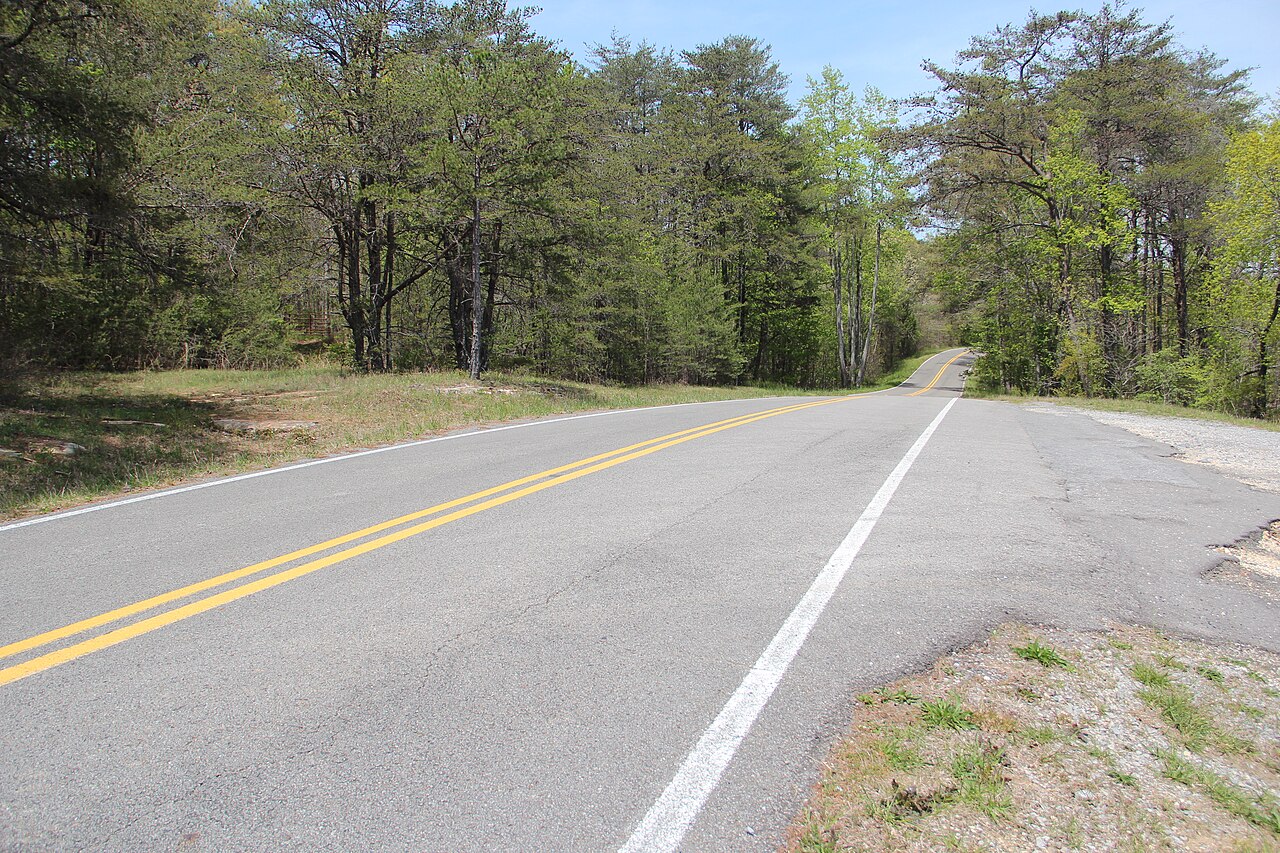
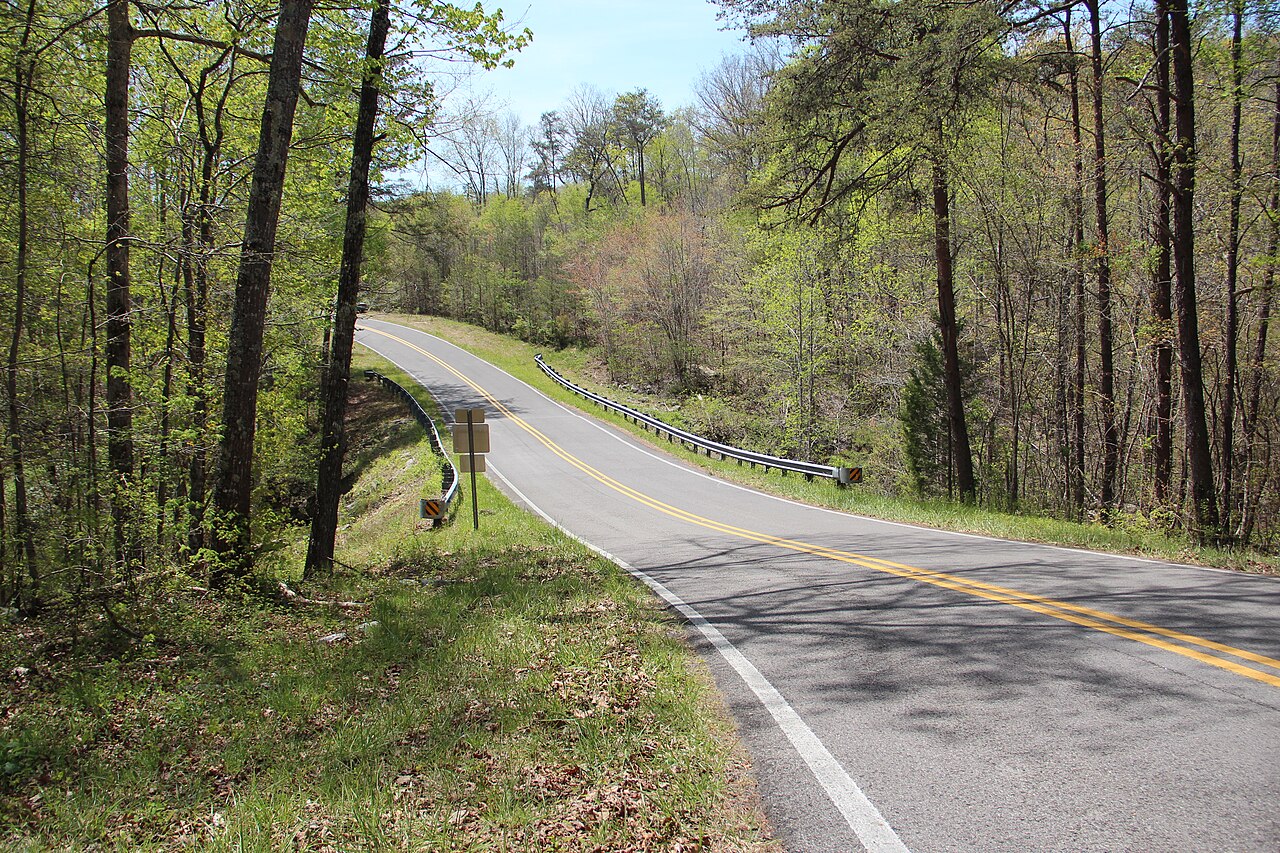
The most accessible way to experience the scale of the preserve is by navigating the Little River Canyon Scenic Drive (Highway 176). This winding road follows the western rim of the canyon, offering numerous overlooks that provide breathtaking views of the river far below. Key stops include the Little River Falls overlook, where you can see the river drop 45 feet over a wide sandstone ledge, and the Mushroom Rock, a unique geological formation that sits right in the middle of the road.
As you drive, make sure to pull over at the Wolf Creek and Eberhart Point overlooks. These spots offer wide-angle views of the canyon's sheer sandstone walls and the lush forest that blankets the valley floor. The drive is particularly stunning in late October when the trees are ablaze with color. The road is narrow and winding, so take your time and enjoy the pace of the mountain. Most overlooks have small parking areas and interpretive signs that explain the history and ecology of the area.
Hike the Canyon Floor and Rim Trails
For those who want to get their heart rate up, the preserve offers several trails ranging from easy strolls to strenuous climbs. The Eberhart Trail is a favorite for experienced hikers, descending roughly 600 feet to the canyon floor. Once at the bottom, you can explore the riverâs edge and see the towering cliffs from a completely different perspective. The hike back up is steep, so be prepared for a workout.
If you prefer a more level walk, the Beaver Dam Trail offers a gentler experience through the woods, leading to a quieter section of the river. For a truly unique view, the boardwalk at Little River Falls provides an easy, accessible path to view the waterfall and the upper sections of the river. Always wear sturdy hiking boots, as the sandstone can be slippery, especially near the water. The trails are well-marked, but it is a good idea to grab a map at the Little River Canyon Center before heading out to ensure you know the distance and difficulty of your chosen path.
Swimming and Water Recreation
When the Alabama heat sets in, the river becomes the parkâs main attraction. Marthaâs Falls, often referred to as 'Hippie Hole' by locals, is a popular destination for swimming. The river here settles into deep, cool pools surrounded by flat rocks perfect for sunbathing. To reach it, visitors typically take a short but steep hike down from the rim. The water is refreshing, but swimmers should always be cautious of currents and hidden rocks beneath the surface.
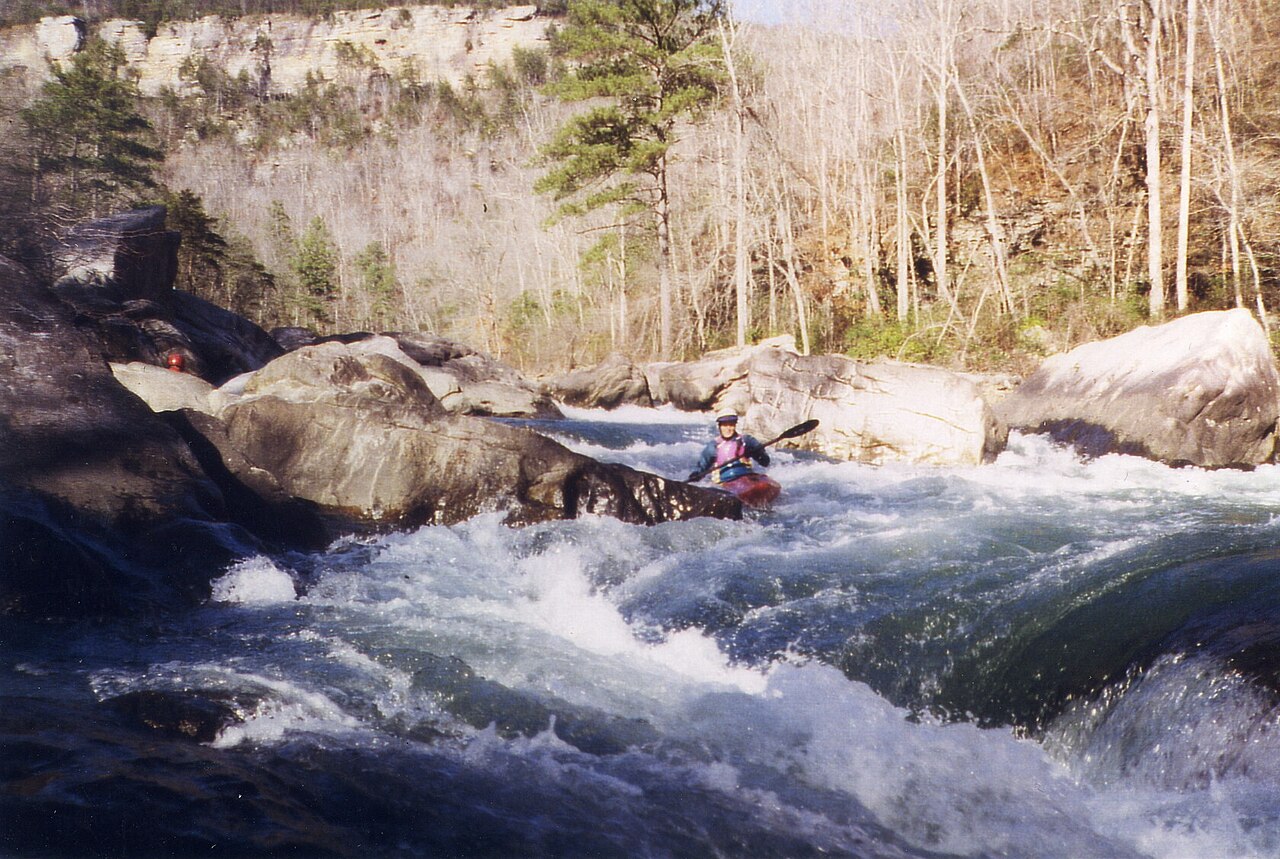
For more experienced adventurers, the canyon is a premier destination for whitewater kayaking and canoeing during the rainy season. The river features technical rapids that attract paddlers from across the Southeast. If you are new to the area, it is vital to check the water gauges and flow rates on the official park site, as the river can rise rapidly after a storm. During periods of low water in the summer, the river is also a peaceful spot for wading and fly fishing, with anglers often casting for redeye bass in the deeper pockets of the canyon.
Wildlife Viewing and Birding
Little River Canyon is a haven for biodiversity, making it a prime location for wildlife enthusiasts. The preserve is home to a variety of bird species, including bald eagles, hawks, and various songbirds that migrate through the corridor. Bringing a pair of binoculars is highly recommended, especially when visiting the overlooks, as you can often spot raptors soaring on the thermals generated by the canyon walls.
On the ground, keep an eye out for white-tailed deer, wild turkeys, and the occasional black bear, though they are quite elusive. The diverse plant life also supports a wide array of butterflies and pollinators during the spring and summer. For the best wildlife viewing, head out early in the morning or stay until dusk when animals are most active. The Little River Canyon Center often hosts educational programs and exhibits that detail the unique species found within the preserve, providing a great starting point for amateur naturalists looking to learn more about the local ecosystem.
Family-Friendly Activities and the Canyon Center
If you are traveling with children, a stop at the Little River Canyon Center is a must. Operated in partnership with Jacksonville State University, this facility features a museum, a gift shop, and a high-definition movie that explains the formation of the canyon. The center itself is a model of sustainable architecture and offers easy access to walking paths that are perfect for younger kids.
Picnicking is another great family activity, with designated areas at the Canyon Mouth Park. This area offers a large green space, picnic tables, and easier access to the river without the steep climbs found elsewhere in the preserve. It is a fantastic spot for a family lunch after a morning of exploring the overlooks. If it happens to be a rainy day, the Canyon Center provides an excellent indoor alternative where you can still experience the beauty and history of the park through its interactive exhibits and educational displays. Remember to check their schedule for seasonal events, such as guided nature walks or stargazing nights.