
A trip to Little River Canyon National Preserve is a journey into the heart of the Southern Appalachians. Located just a short drive from gateway cities like Fort Payne and Gadsden, this itinerary is designed to help you experience the full scale of the canyon, from its high rim overlooks to the cool waters of the riverbed. Over the course of two days, you will witness powerful waterfalls, navigate ancient forest trails, and enjoy the hospitality of Northeastern Alabama. Pack your hiking boots and a camera, and prepare for a weekend of natural wonder.
Arrival and Gateway City Logistics
Most travelers will begin their journey by flying into Chattanooga Metropolitan Airport (CHA), which is approximately a 65 to 70-minute drive from the preserve. Upon landing, pick up a rental car and head south on I-59 toward Fort Payne, Alabama. This charming town serves as the primary gateway to the canyon and is the perfect place to stock up on supplies. Stop by a local grocery store for picnic items, plenty of water, and snacks for the trail, as services inside the preserve are limited.
If you arrive in the afternoon, check into your accommodation in Fort Payne or the nearby Lookout Mountain area. For your first evening, consider a short drive to the Little River Canyon Center to get your bearings and pick up a trail map. This allows you to start your first full day early the next morning without having to spend time on logistics. The drive from Chattanooga to the canyon rim is about 64 miles, passing through beautiful rolling hills and small mountain communities that set the stage for your outdoor adventure.
Day 1: Waterfalls and Scenic Vistas
Start your first full day at the Little River Falls, located right off Highway 35. This is the most iconic spot in the preserve and is best viewed in the soft morning light. After photographing the falls, walk across the bridge to the boardwalk for different perspectives of the drop. Once youâve had your fill of the falls, head south onto the Little River Canyon Scenic Drive (Highway 176). Spend the rest of the morning stopping at the various overlooks, such as Eberhart Point and Wolf Creek.
For lunch, find a spot at one of the picnic tables along the rim or enjoy a packed meal at the Mushroom Rock formation. In the afternoon, choose your level of adventure. You can descend the Eberhart Trail for a strenuous hike to the river or take a more leisurely stroll along the rim. As the sun begins to set, head back toward Fort Payne for dinner at a local eatery. The sunsets from the western rim overlooks are spectacular, so try to time your drive to be at a high point like the Castle Rock overlook as the light fades.
Day 2: River Exploration and Relaxation
On your second day, focus on the southern end of the preserve. Head to the Canyon Mouth Park, located where the river exits the canyon and flows toward Weiss Lake. This area has a different feel than the high cliffs of the northern rim, with wide riverbanks and easier water access. It is the perfect spot for a morning of wading or fly fishing. If you brought a kayak and the water levels are safe, this is a great area for a paddle.
In the late morning, hike the trail that follows the river upstream from the park. The terrain here is flatter but still beautiful, offering a chance to see more wildlife and unique plant life. After a relaxing morning by the water, head back toward the town of Fort Payne. Before leaving the area, consider a quick detour to DeSoto State Park, which is just a few miles away and offers additional waterfall views like DeSoto Falls. This completes a well-rounded circuit of the regionâs best natural features before you begin your drive back to the airport or your next destination.
Where to sleep
Harvest Hosts stays on the way to Little River Canyon
Partner link · Harvest Hosts
Budgeting and Rough Costs
Planning your budget for a 2-day trip to Little River Canyon is relatively straightforward. Entry to the National Preserve is generally free, though there may be a small day-use fee for specific areas like Canyon Mouth Park. For a comfortable weekend, expect to spend an average of $120 per day, which covers a mid-range hotel or cabin in Fort Payne, meals, and fuel.
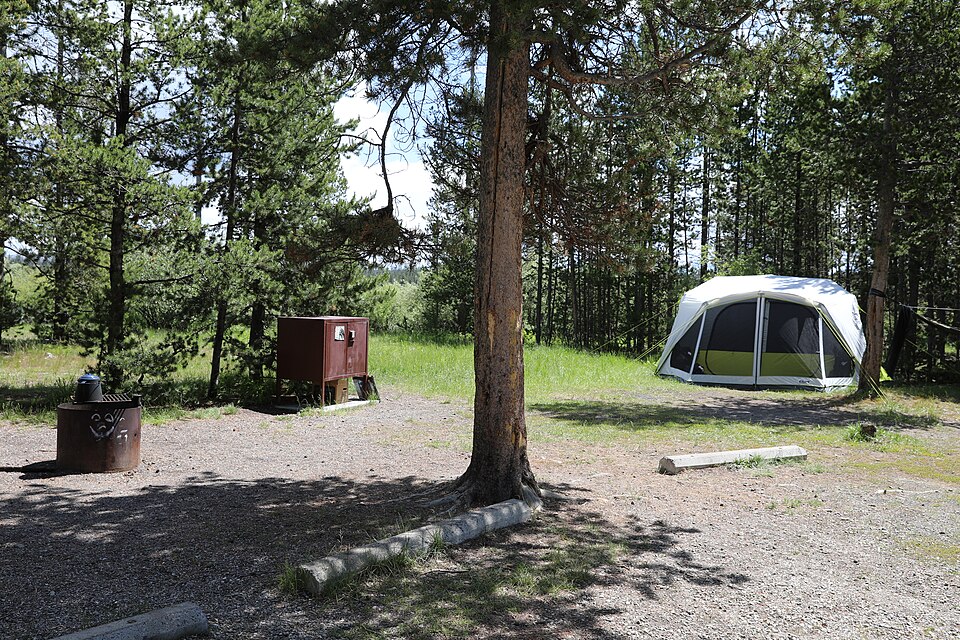
If you choose to camp at a nearby state park or private campground, your daily budget could be significantly lower, perhaps around $60 to $80. Conversely, booking a luxury cabin or a specialized glamping site on Lookout Mountain will increase your costs. Most of your expenses will be related to lodging and food, as the primary activitiesâhiking, sightseeing, and swimmingâare free. It is always a good idea to keep some cash on hand for small local shops, though major credit cards are widely accepted in the gateway cities. Remember to factor in the cost of your rental car and flights if you are traveling from out of state.
Essential Tips for a Smooth Trip
To make the most of your Little River Canyon itinerary, keep a few practical tips in mind. First, cell service can be spotty within the canyon itself, so download offline maps and have a physical trail guide handy. Weather can change quickly in the mountains, so pack layers and a waterproof jacket, even if the forecast looks clear. The sandstone rocks can be incredibly slick when wet, so high-traction footwear is a necessity for any hiking.
If you plan to swim, be aware that there are no lifeguards on duty; always exercise caution and check for park alerts regarding water quality or dangerous currents. Lastly, the preserve is a 'Pack It In, Pack It Out' area. Help keep the canyon beautiful by disposing of all trash properly and respecting the local flora and fauna. Checking the official National Park Service website the morning of your visit is the best way to stay informed about any temporary road closures, trail maintenance, or special events that might affect your planned route.

More ways to book Little River Canyon
 Illustrative · Diego Angel
Sprinter Adventure Van
Small enough to park at the trailhead, comfy enough to sleep in.
$189/day (estimate)
Direct link · RVshare