
Timing your visit to Little River Canyon National Preserve is essential for witnessing the raw power of its water features and the vibrant colors of the Appalachian foothills. While the canyon is open year-round, the personality of the river shifts dramatically between the wet spring months and the quiet, dry summer heat. Whether you are coming to see the roaring Little River Falls or to hike the rim under a canopy of crimson oak leaves, understanding the local weather patterns and seasonal flows will help you make the most of this Alabama treasure.
Spring: The Season of Waterfalls
Spring, specifically from March through May, is arguably the most dynamic period to visit. This is when the water levels are at their peak, fueled by seasonal rainfall. Little River Falls, the preserve's most famous landmark, transforms into a powerful, thundering curtain of white water that can be heard from the parking lot. The surrounding forest begins to wake up with mountain laurel and wild azaleas blooming along the canyon rim.
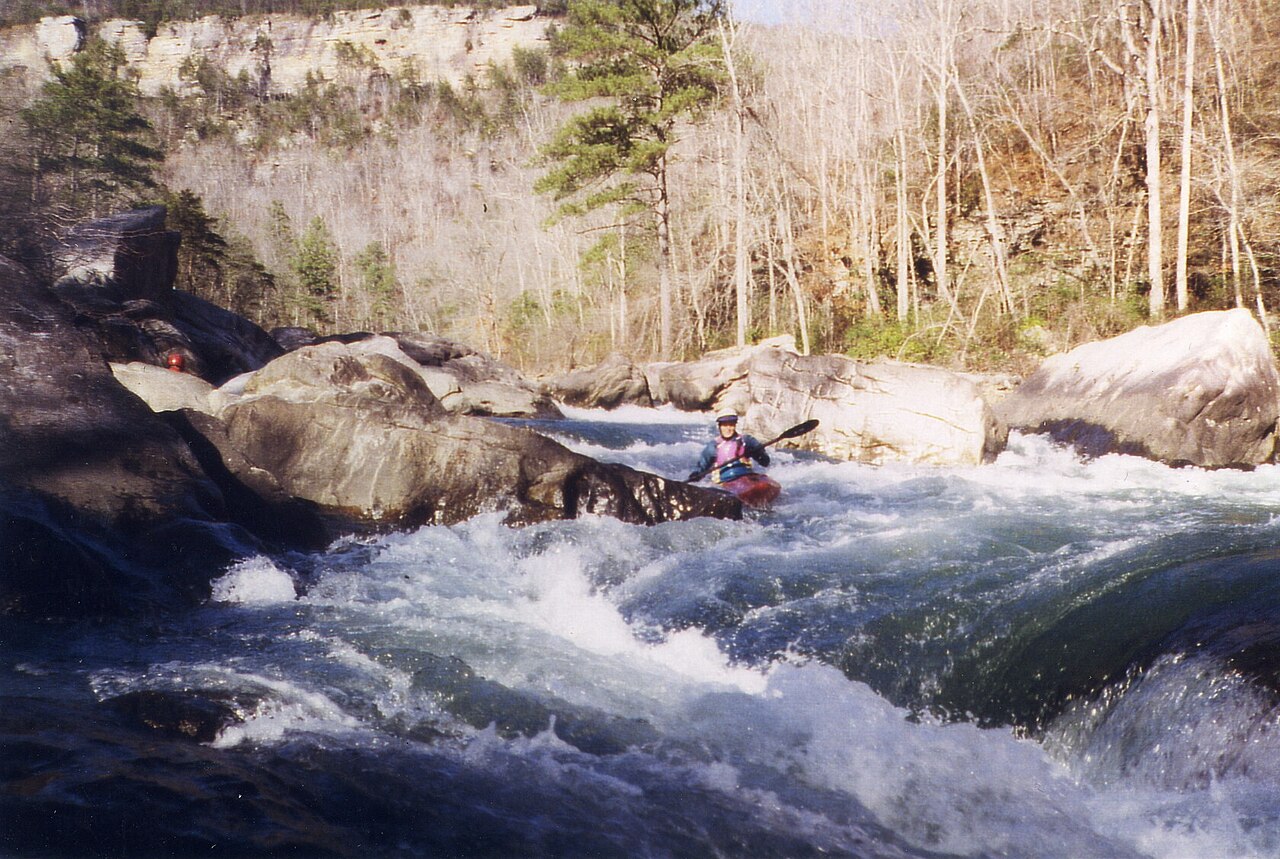
Temperatures are generally mild, often ranging from the 50s to the 70s, making it ideal for long hikes on the Eberhart Trail. However, be prepared for sudden spring showers and muddy conditions. This is the peak time for whitewater kayakers who come to navigate the Class III to Class VI rapids. If you plan to visit during a spring weekend, arrive at the overlooks early, as the parking areas at the falls and the boardwalks can fill up quickly by mid-morning when the weather is pleasant.
Lock in a stay for this season
RV parks near Little River Canyon on RoverPass
Partner link · RoverPass
Fall: A Tapestry of Autumn Color
October and November bring a different kind of magic to the canyon. As the humidity of the Alabama summer fades, the hardwood forest undergoes a spectacular transformation. The oaks, maples, and hickories that cling to the sandstone cliffs turn shades of burnt orange, deep gold, and fiery red. The crisp air makes for perfect hiking weather, and the lower water levels reveal the intricate rock formations of the riverbed that are often submerged during the spring.
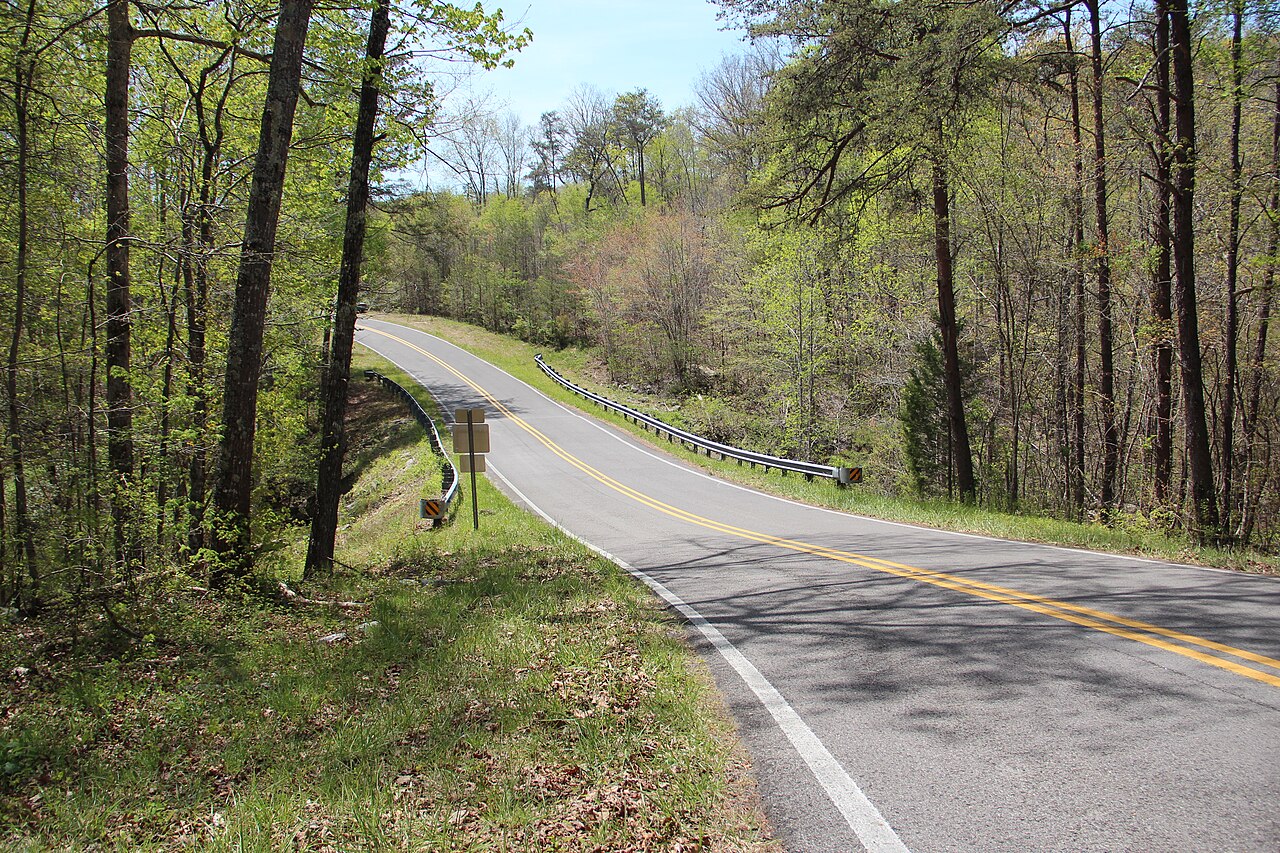
Fall is a popular time for photographers and road-trippers driving the Scenic Drive (Alabama Highway 176). The visibility is often at its highest during these months, allowing for clear views across the canyon to the ridges beyond. While the waterfalls may be less impressive in volume compared to spring, the overall aesthetic of the preserve is at its peak. Be sure to check local foliage reports, as the peak color usually hits the high ground of Lookout Mountain slightly earlier than the surrounding valleys.
Lock in a stay for this season
Campsites near Little River Canyon on Campspot
Partner link · Campspot
Summer: Finding Shade and Swimming Holes
Summer in Northeastern Alabama is characterized by high humidity and temperatures that frequently climb into the 90s. During this time, the lush forest canopy provides a much-needed shield from the sun. The river flow slows significantly, turning the canyon into a series of calm, deep green pools. Popular spots like Marthaâs Falls become local favorites for those looking to cool off in the water.
If you visit in June, July, or August, plan your strenuous activities for the early morning hours before the midday heat peaks. Afternoon thunderstorms are common and can move in quickly, providing temporary relief from the heat but also making the rocky trails slippery. Despite the heat, summer remains a busy time for families. If you prefer a quieter experience, consider visiting during the week. Make sure to carry plenty of water and wear insect repellent, as the thick vegetation is home to various woodland insects during the warmer months.
Lock in a stay for this season
Harvest Hosts stays on the way to Little River Canyon
Partner link · Harvest Hosts
Winter: Solitude and Stark Beauty
Winter is the quietest season at Little River Canyon. From December through February, the deciduous trees drop their leaves, opening up vistas that are obscured during the rest of the year. You can see deeper into the canyon and get a better sense of the geological scale of the sandstone cliffs. While snow is rare, it is not unheard of for the canyon to receive a light dusting, which creates a stunning contrast against the dark river water.
Temperatures can fluctuate wildly, from freezing nights to mild afternoons in the 50s. The primary advantage of a winter visit is the solitude; you may find yourself alone at even the most popular overlooks. Most park facilities remain open, but it is always wise to check the official National Park Service website for any weather-related road closures on the Scenic Drive. Water levels begin to rise again in late winter, bringing back the roar of the falls just as the first hints of spring begin to appear in late February.
Crowds and Reservations Planning
Little River Canyon does not currently require a permit for general entry, but its popularity means that parking is the primary constraint. During peak spring weekends and the height of fall foliage, the parking lots at the Little River Falls and the boardwalk areas reach capacity by 10:00 AM. If you are planning a trip during these high-traffic times, aim for a mid-week visit to enjoy the trails in peace.
While there is no camping directly within the main preserve rim area, nearby DeSoto State Park and private campgrounds in Fort Payne offer various lodging options. If you are looking for a weekend getaway during the autumn peak, it is recommended to book your accommodations several months in advance. Always check the official NPS site for current conditions, as heavy rains can occasionally lead to the closure of river access points or specific trails for visitor safety. Planning ahead ensures that you spend more time enjoying the overlooks and less time searching for a place to park.
More ways to book Little River Canyon
 Illustrative · Thomson200
Eberhart Point Trail
One of the classic ways to experience Little River Canyon.
Varies (estimate)
Partner link · Viator