
Lake Powell is a place to combine time on the water with the sandstone landscapes surrounding Page, Arizona. You can paddle a manageable shoreline route, take a boat outing, or spend a full day linking overlooks and short walks without launching anything. For a two- to four-day visit, choose one major water experience and leave the rest flexible enough to respond to wind, heat, and changing lake access.
Kayak with a Route That Fits the Conditions
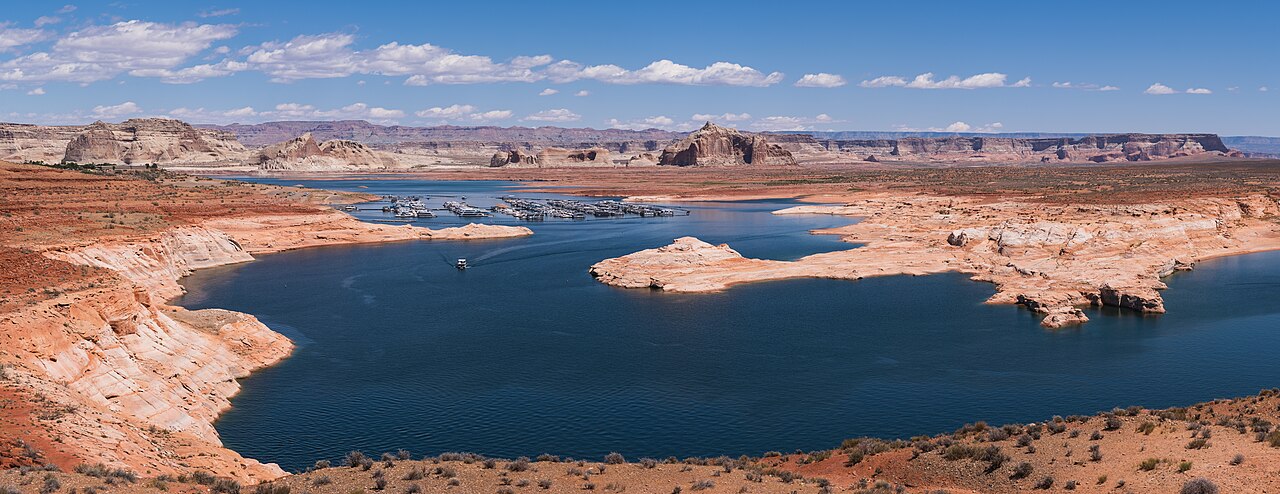
Kayaking brings you close to Lake Powell’s sandstone walls, but the reservoir is much larger and more exposed than photos of narrow coves suggest. Choose a launch and turnaround point based on your experience, the forecast, and current access rather than aiming for a distant canyon simply because it appears nearby on a map. For first-time visitors, a guided outing can help with equipment, route selection, and local logistics.
The lake-accessed Antelope Canyon area is a popular paddling destination, but it is not the same experience as the guided Upper or Lower Antelope Canyon land tours. Do not assume one reservation includes the other. Wear a properly fitted life jacket, account for motorboat wakes, and carry drinking water in accessible containers. Ask NPS or your outfitter about current launch conditions and any route restrictions before committing to a departure.
See the Lake by Boat
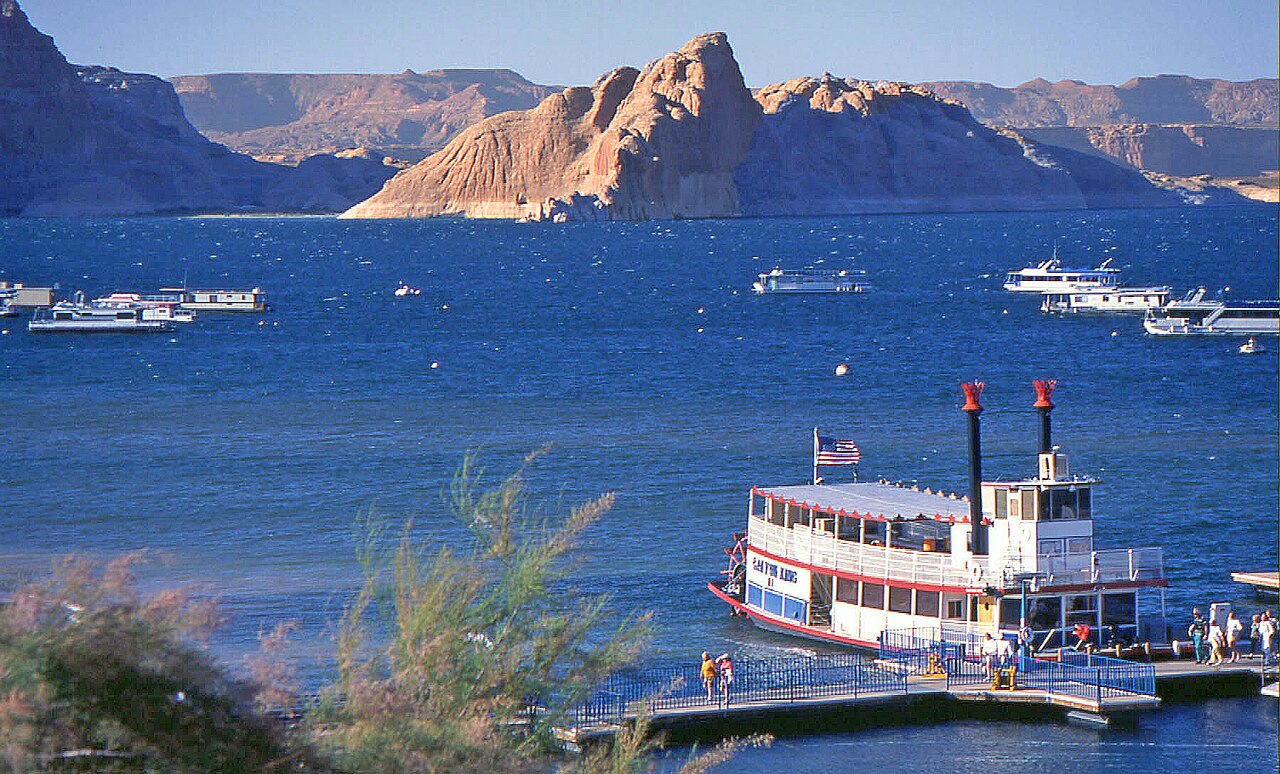
A boat outing can reveal more of Lake Powell’s scale than a short paddle, with broad bays giving way to side canyons and sculpted rock walls. Guided sightseeing trips suit travelers who do not want to navigate an unfamiliar reservoir. Renting a boat or houseboat requires more planning around operation, fuel, weather, docking, and return deadlines; confirm the full requirements before booking.
Rainbow Bridge National Monument is a notable regional destination, but it is not a quick, guaranteed add-on from Page. Boat access, landing arrangements, and walking distance can change with reservoir levels, and reaching it requires a substantial outing. Check official NPS information and current operator details before building a day around it. Wherever you travel, respect closures and cultural sites, pack out waste, and avoid relying on old maps or photographs to predict today’s shoreline.
Link Short Walks and Scenic Viewpoints
Around Page, land-based stops give you a fuller picture of Glen Canyon without requiring a long backcountry hike. Horseshoe Bend overlooks a dramatic curve of the Colorado River downstream of Glen Canyon Dam; it is not a view of Lake Powell itself. The walk is exposed, so bring water and avoid the hottest part of a summer day.
Glen Canyon Dam Overlook offers another perspective on the river and dam, with steps and uneven surfaces to consider. North of Page, the Wahweap area and nearby viewpoints provide lake panoramas that change with the water level and light. Combine a few stops rather than racing through every viewpoint. Stay well back from unprotected edges and supervise children closely. Before adding remote roads to your route, check road conditions; desert dirt roads can become difficult or impassable after rain.
Plan a Family-Friendly Shoreline Day
For families, a short outing with easy exits often works better than an ambitious paddle. Build the day around an accessible shoreline area, a picnic in available shade, and one nearby viewpoint. Ask about current access before leaving Page: changing water levels can turn a once-short approach into a longer walk or alter the usability of a launch.
Treat swimming as a separate decision from simply reaching the lake. Look for boat traffic, drop-offs, weather changes, and posted restrictions, and keep children within close supervision. Life jackets should fit the wearer and the activity. For wildlife watching, bring binoculars and look quietly for birds around the water and lizards on rocky ground. Keep distance from wildlife and never feed it. A morning outing followed by an indoor afternoon break helps limit time in summer heat without filling the day with driving.
Have a Windy-Day or Rainy-Day Alternative
Bad paddling weather does not have to end the trip, but the substitute should match the actual conditions. If wind is the main issue and roads remain clear, use Page as a base for short sightseeing stops rather than exposed water travel. If lightning, heavy rain, or winter weather is present, favor indoor time and postpone exposed viewpoints as well.
Check whether the Carl Hayden Visitor Center near Glen Canyon Dam is open during your visit; its exhibits can add context about the dam and surrounding landscape. Visitor services and access arrangements can change, so confirm through official sources. Page also provides places to eat, replenish supplies, and reorganize the next day’s plans. Do not use slot canyons or narrow washes as automatic rainy-day alternatives: flash flooding can result from storms elsewhere in the drainage, and closures should always guide your choices.