
The best time to visit Lake Powell depends on whether you want long swimming days, quieter paddles, or cool-weather desert views. This reservoir stretches across the Arizona–Utah border within Glen Canyon National Recreation Area, and its exposed shoreline makes wind, heat, and changing water levels important planning factors. For a two- to four-day trip, spring and fall offer a useful balance, while summer puts water activities front and center.
Spring: Comfortable Exploring, Colder Water
Spring brings longer days and generally more comfortable temperatures for walking around Page, visiting overlooks, and exploring the shoreline. March can still feel chilly, especially overnight; April and May usually offer warmer afternoons. Water warms more slowly than the desert air, so a sunny day does not necessarily mean comfortable swimming or an uncomplicated kayak outing.
Wind is an important spring consideration. Open reaches of Lake Powell can become choppy, and a sheltered launch does not tell you what conditions are like beyond the next bend. Plan paddles conservatively, ask about local conditions, and leave room to switch to land activities. Spring break periods can draw extra visitors to the Page area. Reserve lodging and guided outings once your dates are firm, then check the official Glen Canyon NPS site for launch access, closures, and current conditions.
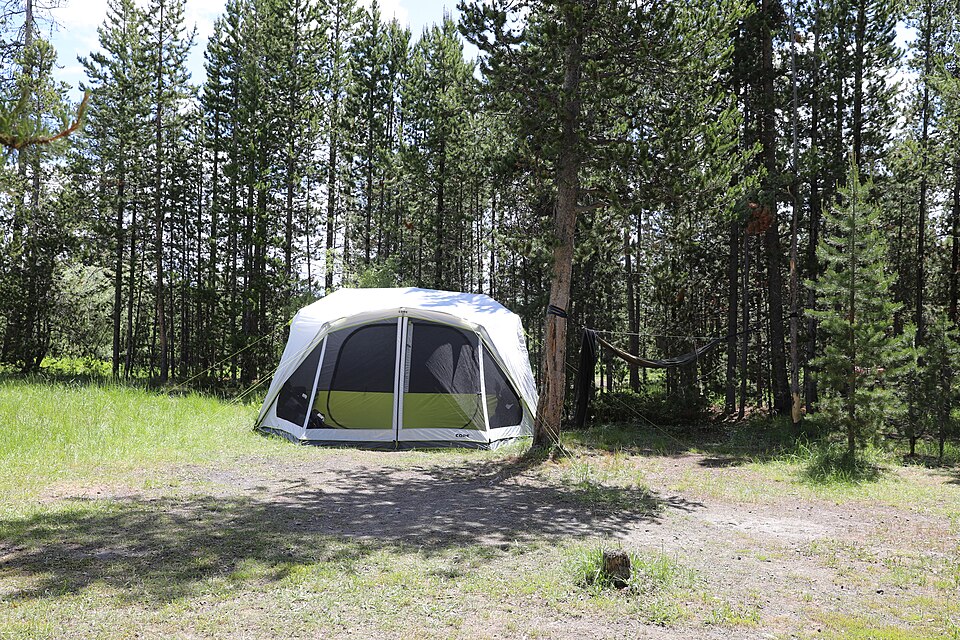
Summer: Long Water Days and Strong Heat
Summer suits travelers who want boating, swimming, and long daylight hours, but desert heat shapes almost every decision. Schedule exposed walks and kayak departures early, carry ample drinking water, and arrange reliable shade for breaks. Sandstone, bare shoreline, and parking areas can become intensely hot, making midday a poor time for ambitious hiking.
Summer thunderstorms can bring lightning, gusty winds, and sudden runoff. Narrow drainages and slot canyons require particular caution, including attention to storms beyond your immediate location. Check forecasts before departure and follow local closures rather than relying on blue sky at the launch. Summer weekends and holidays are busy periods for lodging, boats, and campgrounds. Book major trip components well ahead when possible, especially if you need specific equipment or a larger rental. Keep an alternate land-based plan for days when water conditions change.
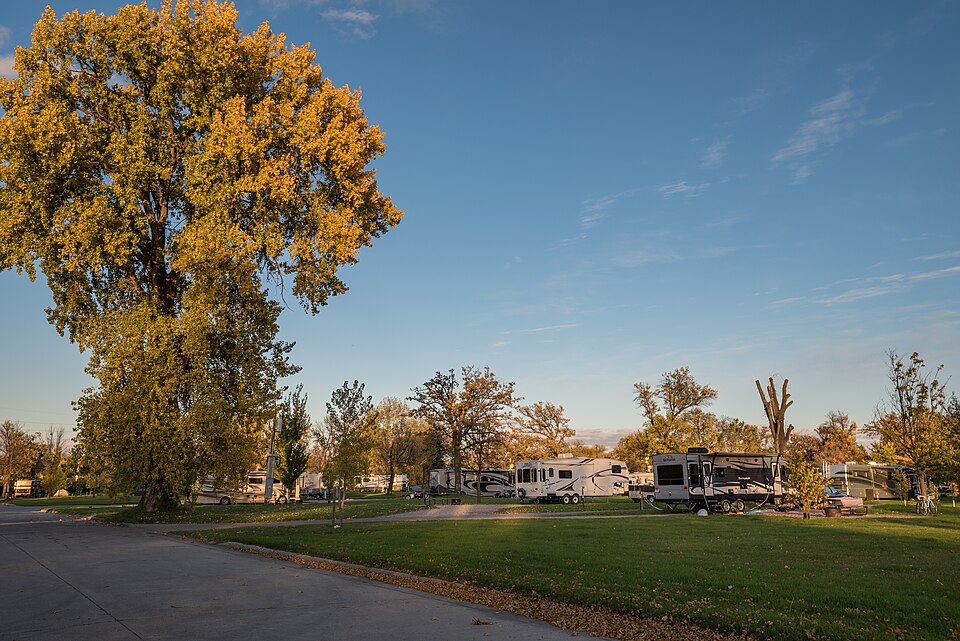
Fall: A Flexible Window for Paddling and Hiking
Early fall often combines warm afternoons with cooler mornings, making it a practical window for a mixed lake-and-desert trip. Water may retain summer warmth for a while, though conditions vary and become cooler as the season advances. September can still feel distinctly hot; later fall calls for warmer layers and more attention to shorter daylight hours.
Crowds generally ease after the busiest summer travel periods, but popular weekends, tours, and waterfront accommodations can still fill. Do not assume that a quieter season means every rental or visitor service operates on the same schedule as summer. Confirm availability directly before arranging the rest of your trip. For kayaking, make turnaround times conservative and build in a weather day if paddling is your main goal. Check current lake access through NPS because changing water levels can affect launches regardless of season.
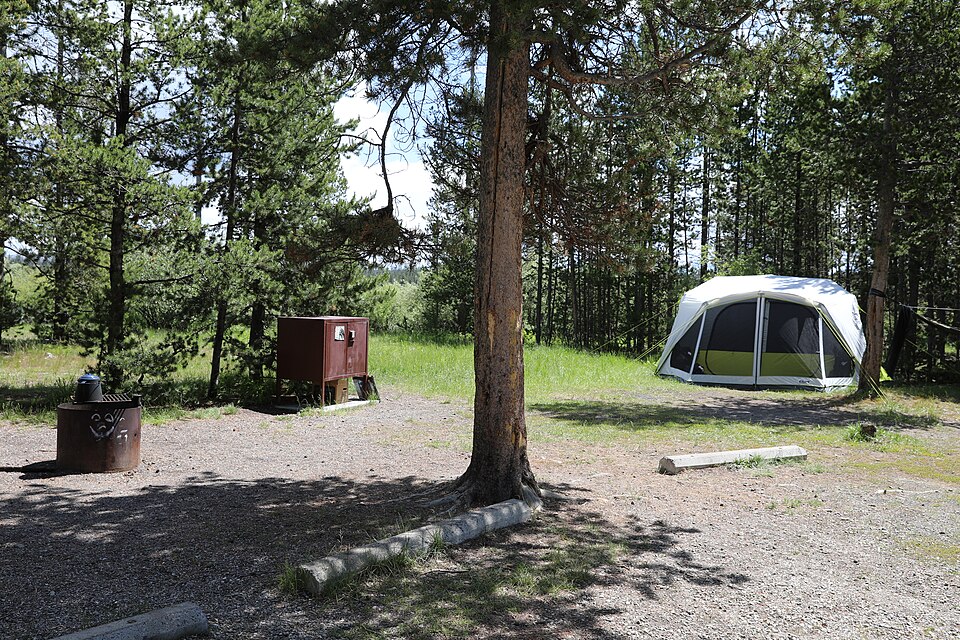
Lock in a stay for this season
Harvest Hosts stays on the way to Lake Powell
Partner link · Harvest Hosts
Winter: Quiet Scenery, Limited Water Plans
Winter is better suited to travelers interested in sandstone scenery and a quieter Page base than to those expecting a swimming vacation. Days are short, nights can freeze, and cold wind makes exposed viewpoints feel colder than the forecast suggests. Snow or ice is possible, particularly on roads and shaded surfaces after winter storms.
Overlooks, photography stops, and selected short walks can make a rewarding visit when conditions cooperate. Water outings require greater preparation for cold exposure, and some visitor services may have reduced availability. Ask operators about their seasonal offerings before booking flights or lodging around a specific activity. A heated room or enclosed accommodation generally offers more flexibility than an unheated tent. Consult official road and NPS updates before heading out, and avoid treating remote dirt roads as dependable sightseeing routes during wet or wintry weather.
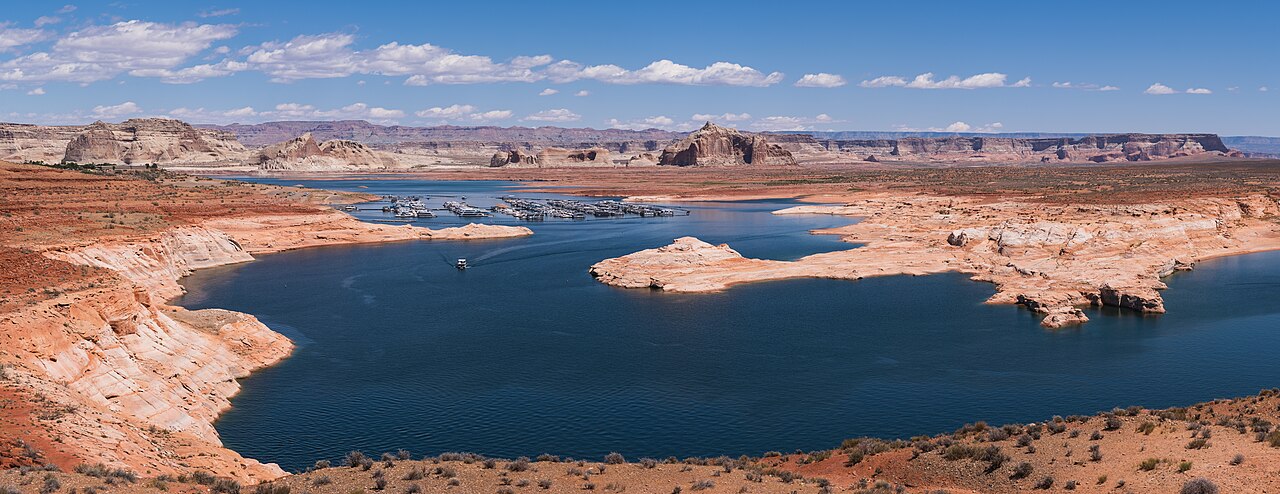
How Far Ahead to Reserve
There is no single reservation timeline that fits every Lake Powell trip. A weekday stay in Page with flexible activities is easier to arrange than a holiday houseboat trip, waterfront campsite, or guided outing for a large group. For summer and popular spring or fall weekends, start looking several months ahead and book essential pieces once you understand cancellation terms.
Reserve the experience that matters most first, then choose lodging and travel dates around it. Keep different reservation systems separate: national recreation area access, camping, equipment rentals, and Navajo Nation tours are not interchangeable. Antelope Canyon land tours typically require an authorized guide and their own booking. Before departure, review the official Glen Canyon NPS site for current conditions, campground reservation links, and launch information. Check again shortly before any water outing, since a reservation does not establish that weather or access will suit your plans.
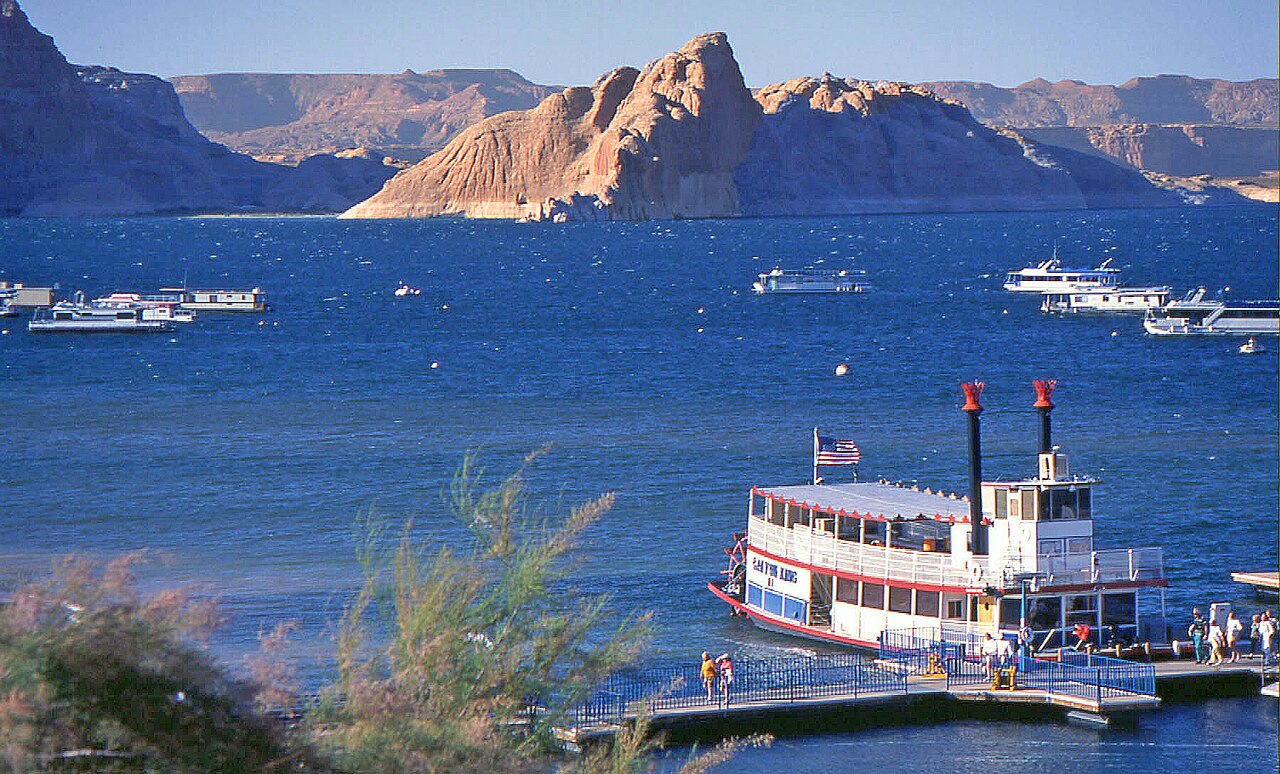
More ways to book Lake Powell
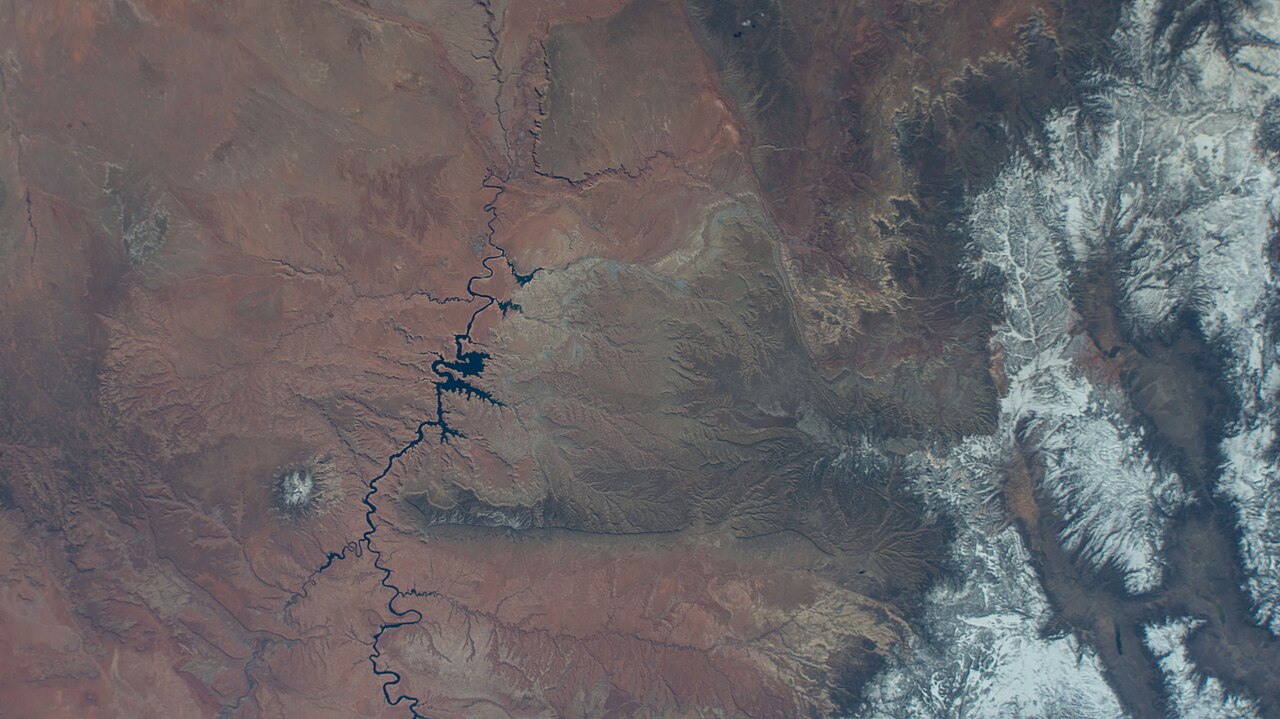 Illustrative · NASA Johnson Space Center
Lake Powell Boating
One of the classic ways to experience Lake Powell.
Varies (estimate)
Partner link · Viator