
Lake Powell glamping usually means a comfortable desert base near the lake rather than a furnished tent directly beside the water. Around Page and neighboring southern Utah, look for lodging that clearly explains its sleeping setup, cooling, bathrooms, and road access. The right choice depends less on the word “glamping” than on how well the property supports your kayaking plans, your tolerance for desert temperatures, and your need for everyday conveniences.
What Glamping Looks Like Around Lake Powell
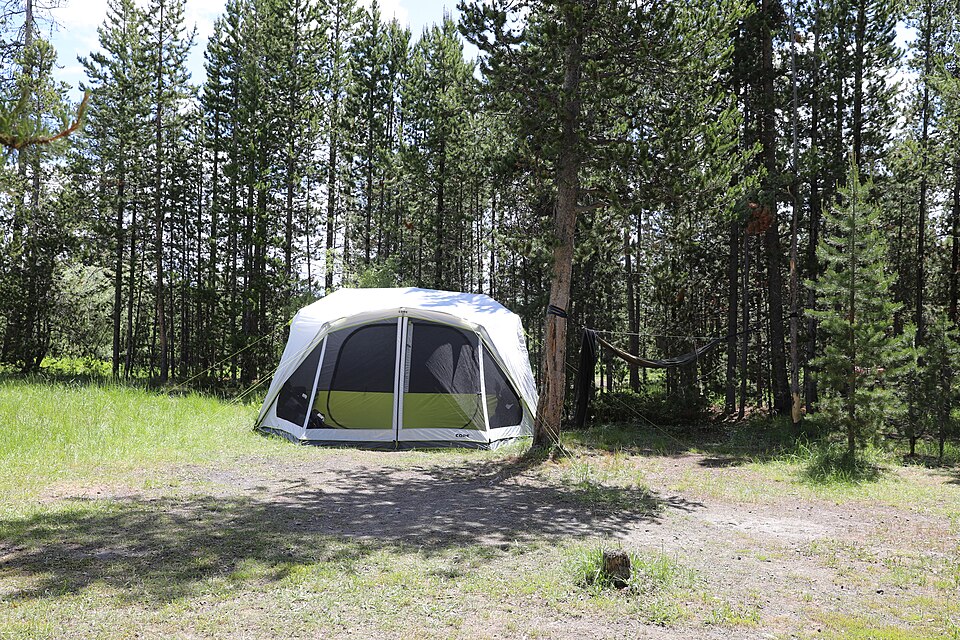
Glamping is a broad lodging label, not a standardized set of amenities. Depending on current listings, your options may include furnished canvas tents, small cabins, or other ready-to-use outdoor accommodations. Some emphasize a quiet desert setting, while others function more like a compact resort or campground. Verify the actual accommodation type rather than assuming photographs of scenery show the unit you will book.
For this destination, temperature control and shade deserve special attention. A canvas tent may become hot during the day and cool quickly after sunset. Ask whether cooling and heating are installed in the sleeping space, whether bathrooms are private or shared, and how far you must walk to them. Confirm potable water, charging outlets, bedding, and cooking arrangements. A lake view does not necessarily mean shoreline access, and shoreline access does not guarantee a usable kayak launch.
Where to Look: Page, Big Water, and Beyond
Page is the most straightforward search area for a trip focused on the southern end of Lake Powell. Staying in or near town keeps groceries, meals, and many activity meeting points within a manageable drive. The Wahweap area is relevant for lake access, but distinguish official campground inventory from privately marketed glamping; not every outdoor accommodation category is available in every location.
Across the state line, Big Water and nearby southern Utah areas can offer a more spread-out desert setting. Check the full drive to your specific launch or tour meeting point, not simply the distance to the lake on a map. Kanab can work for a broader regional trip, but it is less convenient for repeated early departures around Page. Bullfrog serves another part of Lake Powell entirely. Choose the gateway that matches your activities before comparing lodging photographs or amenities.
Choose a Season That Matches Your Accommodation
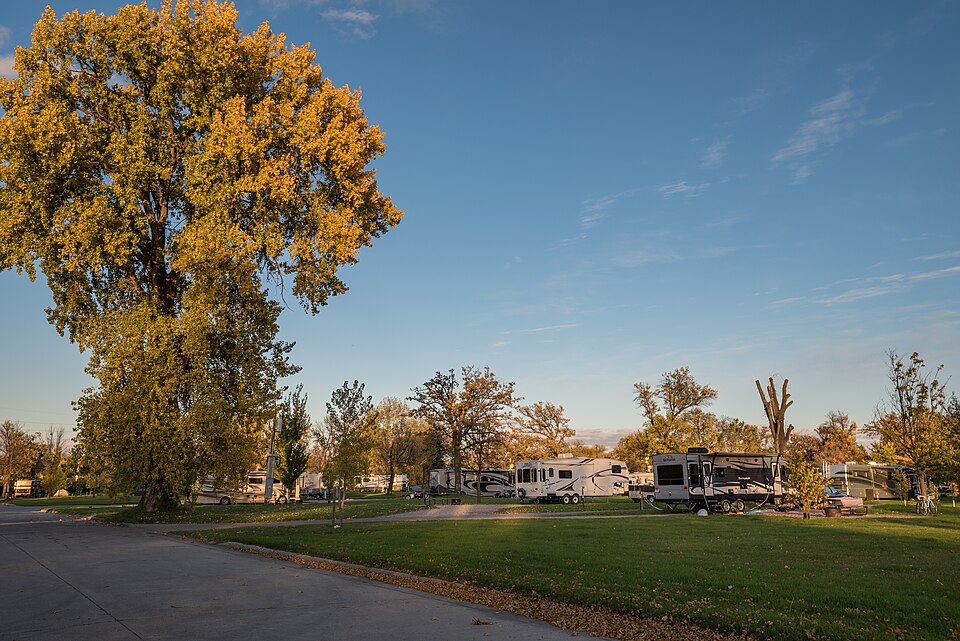
Spring and fall are appealing for outdoor stays because daytime conditions are often more comfortable for sitting outside and exploring. Nights can still be cold, and spring wind can make an exposed tent less restful than an enclosed cabin. Ask about the accommodation’s weather protection and bring layers even when the daytime forecast looks warm.
Summer requires a closer look at cooling. A fan, shaded deck, or shared lounge is not the same as air conditioning in your sleeping space. If you plan midday breaks between lake outings, make sure the lodging can support them comfortably. Thunderstorms may also disrupt outdoor cooking or evening plans. Winter favors accommodations with dependable heating and confirmed water service, since freezing nights are possible. Check whether the property operates seasonally, and review cancellation terms alongside forecasts and official NPS conditions before departure.
Glamping vs. Camping vs. an RV Stay
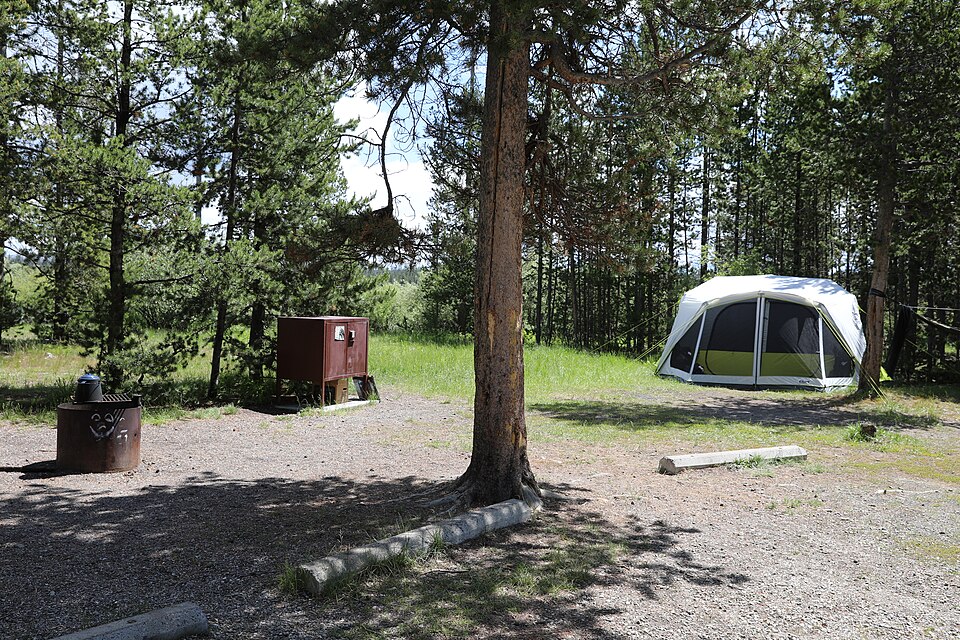
Glamping reduces the equipment you need to carry and can make a short fly-and-drive visit simpler. You may arrive to a prepared bed and basic furnishings, but bathrooms, cooking gear, and climate control still vary. Traditional camping gives you more control over your setup, while requiring you to bring or rent shelter, sleeping equipment, and food-storage supplies.
An RV offers an enclosed living space and potentially a kitchen and bathroom, but comfort depends on the vehicle, hookups, and campground rules. Confirm electricity requirements, generator restrictions, water access, and waste disposal before booking. Compare total rough costs rather than nightly rates alone: glamping may add cleaning charges, camping may require equipment, and RV travel adds rental and fuel expenses. None of these options automatically includes lake access, recreation entrance fees, or boat storage. Choose based on your actual itinerary and equipment needs.
Booking Details That Matter in the Desert
Before reserving, ask for the exact location, road surface, and parking arrangement. A scenic property reached by a dirt road can be less convenient after rain or with a standard rental car. Confirm whether arrival after dark is allowed and practical, and download directions rather than relying entirely on mobile reception outside town.
For paddling trips, ask whether there is space for kayaks, wet gear, and life jackets, and whether your rental provider requires daily returns. Check rules for pets, cooking, campfires, and quiet hours; regional fire restrictions can override the atmosphere suggested by a firepit photo. Reserve earlier for popular weekends, but read weather-related cancellation policies before paying. Use the official Glen Canyon NPS site for current lake conditions, campground reservations, and access guidance. Private lodging hosts can explain their property, but they are not a substitute for official closure information.